
 By Suherman Candra Maholtra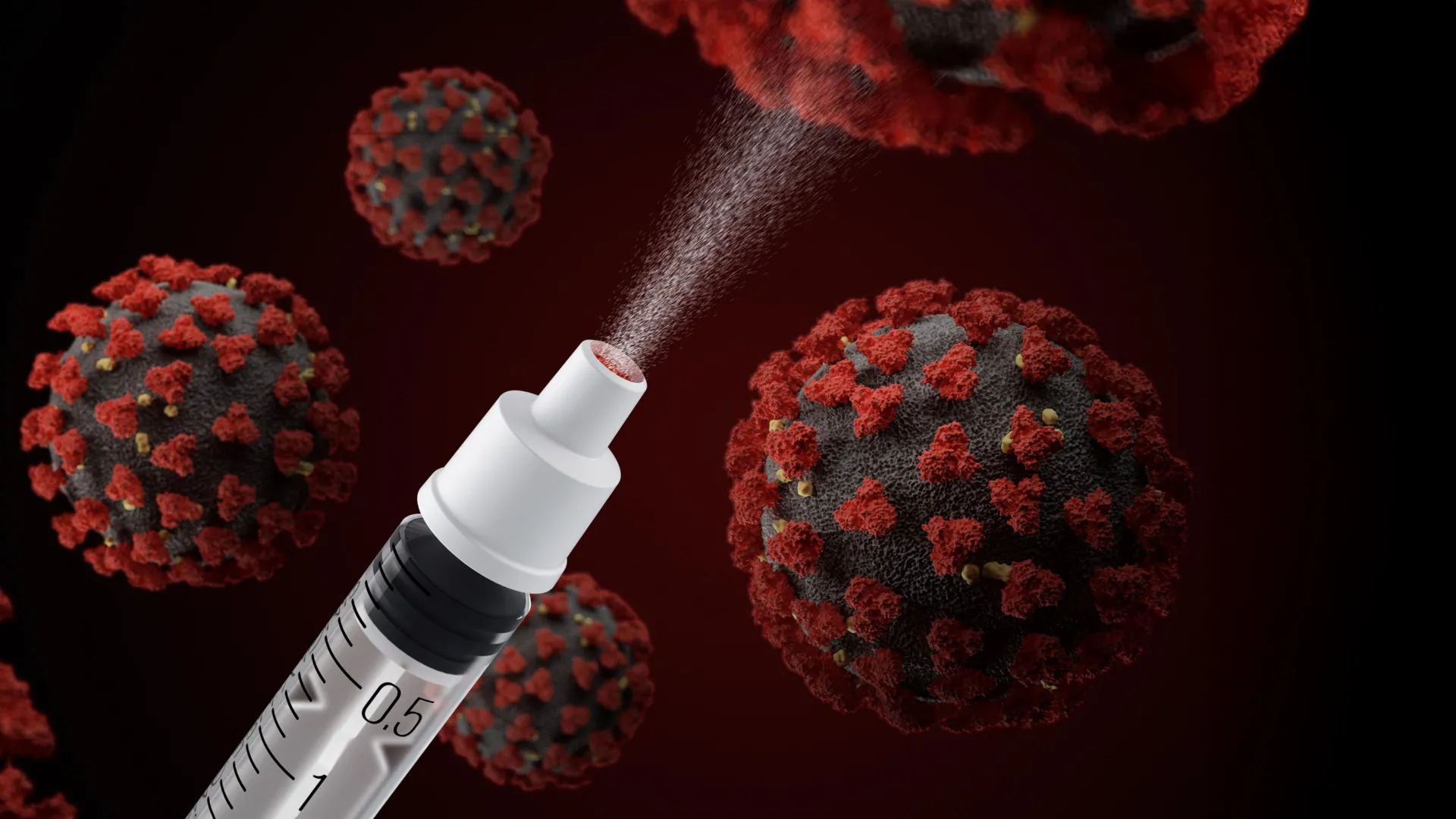
In a breakthrough that challenges more than two centuries of traditional vaccinology, researchers at Stanford Medicine and their global collaborators have announced the development of an experimental universal vaccine designed to protect against an unprecedented array of respiratory threats. The study, published on February 19 in the journal Science, details a nasal-delivery vaccine that successfully shielded laboratory mice from various strains of coronaviruses, highly resilient bacteria, and even common environmental allergens for several months. By shifting the focus from specific pathogen recognition to the broad activation of the body’s internal defense signaling, the research team has moved closer to a "mythical" goal: a single immunization capable of providing a wide-ranging shield against the most common causes of respiratory illness.
A Departure from Two Centuries of Vaccinology
Since 1796, when Edward Jenner utilized cowpox to confer immunity against smallpox, the fundamental principle of vaccination has remained largely unchanged. This "antigen-specific" paradigm relies on introducing the immune system to a recognizable fragment of a specific pathogen—such as a viral spike protein or a bacterial cell wall component. This allows the body to "memorize" the enemy and mount a targeted defense upon future exposure. While this strategy has eradicated diseases like polio and smallpox, it faces significant hurdles in the modern era of rapidly mutating viruses.
Pathogens such as influenza and SARS-CoV-2 are known for their ability to undergo antigenic drift, effectively changing their surface structures to bypass existing immunity. This biological evasion is the primary reason why the public requires annual flu shots and periodic COVID-19 boosters. Senior author Bali Pulendran, PhD, the Violetta L. Horton Professor II and professor of microbiology and immunology at Stanford, noted that while the scientific community has long sought vaccines that cover entire viral families, the idea of a single vaccine protecting against unrelated threats like bacteria and dust mites was previously considered unrealistic.
The new approach developed by Pulendran’s team departs from the "lock-and-key" specificity of traditional vaccines. Instead of teaching the immune system to recognize one specific "lock," the new vaccine enhances the general "security system" of the respiratory tract, keeping it in a state of high alert that persists far longer than naturally occurring innate immune responses.
The Scientific Breakthrough: Bridging Innate and Adaptive Immunity
The human immune system is divided into two primary branches: innate and adaptive. The innate immune system acts as the first line of defense, deploying generalized cells like neutrophils and macrophages to attack any perceived foreign threat within minutes. However, this response is typically short-lived, fading within a few days. The adaptive immune system, conversely, is highly specific and generates long-term memory through B cells and T cells, but it can take up to two weeks to become fully operational during a first-time infection.
The Stanford study, led by postdoctoral scholar Haibo Zhang, PhD, sought to bridge these two systems. The researchers drew inspiration from the Bacillus Calmette-Guerin (BCG) tuberculosis vaccine, which has been observed in global health studies to lower infant mortality from unrelated infections. In a 2023 precursor study, Pulendran’s team discovered that the BCG vaccine could keep the innate immune system active for months by utilizing T cells to send continuous activation signals.
By replicating this communication mechanism, the researchers created a synthetic formulation currently designated as GLA-3M-052-LS+OVA. This vaccine uses a combination of Toll-like receptor (TLR) stimuli and a harmless egg protein (ovalbumin) to recruit T cells to the lungs. Once stationed there, these T cells act as sentinels, emitting cytokines that keep the innate immune cells in a "switched-on" state of heightened vigilance.
Efficacy Against Viral Pathogens and Coronaviruses
To test the vaccine’s efficacy, the researchers administered the formulation intranasally to mice in three doses spaced one week apart. The results demonstrated a robust level of protection that exceeded the team’s initial expectations. When exposed to lethal doses of SARS-CoV-2 and other related coronaviruses, the vaccinated mice showed remarkable resilience.
Data from the study indicated that vaccinated mice maintained near-normal weight and had a 100% survival rate. In contrast, unvaccinated control mice suffered severe weight loss—a primary clinical indicator of distress in murine models—and high mortality rates. Pathological examinations of the lung tissue revealed that vaccinated mice had 700-fold lower viral loads than the control group.
Furthermore, the vaccine accelerated the adaptive immune response. While it typically takes an unvaccinated mouse 14 days to produce virus-specific antibodies and T cells, the vaccinated mice were able to launch a full adaptive response in just three days. Pulendran described this as a "double whammy" effect: the sustained innate response drastically reduces the initial viral load, while the accelerated adaptive response mops up any remaining pathogens before they can cause systemic disease.
Broad-Spectrum Defense Against Bacterial Infections
One of the most significant aspects of the Stanford study is the vaccine’s ability to protect against bacterial pathogens, which are structurally and biologically distinct from viruses. The researchers tested the vaccine against Staphylococcus aureus (Staph) and Acinetobacter baumannii, two of the most common causes of hospital-acquired pneumonia.
Acinetobacter baumannii, in particular, is classified by the World Health Organization as a "priority pathogen" due to its increasing resistance to multiple antibiotics. In the mouse trials, the nasal vaccine provided protection against these bacterial threats for approximately three months. This suggests that the vaccine does not rely on recognizing specific viral proteins, but rather on enhancing the lung’s general ability to clear any foreign biological threat, whether it be a virus or a bacterium.
This capability has profound implications for clinical settings. Hospital-acquired infections remain a leading cause of mortality among immunocompromised patients and those on ventilators. A preventative nasal spray could potentially serve as a prophylactic measure for patients entering high-risk environments, reducing the reliance on antibiotics and slowing the development of drug-resistant "superbugs."
Mitigating Allergic Responses and Chronic Respiratory Conditions
Expanding the scope of the study further, the team investigated whether this immune-priming strategy could influence allergic reactions. They exposed mice to proteins from house dust mites, a ubiquitous allergen that triggers Th2 immune responses, leading to mucus production and airway inflammation characteristic of asthma.
The results showed that vaccinated mice exhibited a significantly muted Th2 response compared to the control group. Their airways remained clear of the excessive mucus that typically obstructs breathing during an allergic flare-up. This indicates that the vaccine’s modulation of the lung’s immune environment can effectively "reprogram" the body’s reaction to non-infectious irritants, offering a potential new pathway for treating chronic respiratory conditions and asthma.
Chronology of Development and Collaborative Efforts
The development of GLA-3M-052-LS+OVA is the culmination of years of interdisciplinary research. The timeline began with observations of "off-target" benefits from the BCG vaccine, followed by the 2023 study that decoded the T-cell-to-innate-cell signaling pathway. Over the last 30 months, the team synthesized these findings into a functional nasal delivery system.
The research was a collaborative effort involving experts from:
- Emory University School of Medicine: Providing expertise in immunology and vaccine adjuvants.
- University of North Carolina at Chapel Hill: Assisting with coronavirus modeling and viral testing.
- Utah State University and the University of Arizona: Contributing to the analysis of bacterial pathogens and immune responses.
The study was supported by significant funding from the National Institutes of Health (NIH), alongside private endowments including the Violetta L. Horton Professor fund, the Soffer Fund, and Open Philanthropy.
Broader Impact and the Path to Human Trials
The potential impact of a universal respiratory vaccine on public health cannot be overstated. If the results seen in mice translate to humans, the vaccine could revolutionize how society approaches seasonal illnesses and pandemic preparedness. Instead of a series of specific shots for the flu, COVID-19, and RSV, individuals might receive a single nasal spray every few months to maintain a "broad-spectrum" shield.
From an economic perspective, such a vaccine could drastically reduce the burden of healthcare costs associated with seasonal respiratory surges, which currently cost the global economy billions in lost productivity and hospitalizations. Furthermore, it provides a "ready-to-go" defense against "Disease X"—a hypothetical, unknown pathogen that could trigger a future pandemic. Because the vaccine targets the host’s immune readiness rather than the pathogen’s specific antigens, it would theoretically remain effective against a new virus even before that virus has been sequenced or characterized.
The next phase of the research involves moving into Phase I human clinical trials to assess the safety and tolerability of the formulation. Pulendran estimates that with adequate funding and successful trial phases, a universal respiratory vaccine could be available to the public within five to seven years.
"Imagine getting a nasal spray in the fall months that protects you from all respiratory viruses including COVID-19, influenza, respiratory syncytial virus and the common cold, as well as bacterial pneumonia and early spring allergens," Pulendran said. "That would transform medical practice."
While challenges remain—specifically regarding how long the protection will last in humans compared to the three-month window observed in mice—the Stanford study provides a definitive proof-of-concept. By moving beyond the limitations of antigen specificity, scientists may finally have the tools to stay one step ahead of the rapidly evolving pathogens that have plagued humanity for centuries.
