
 By Suherman Candra Maholtra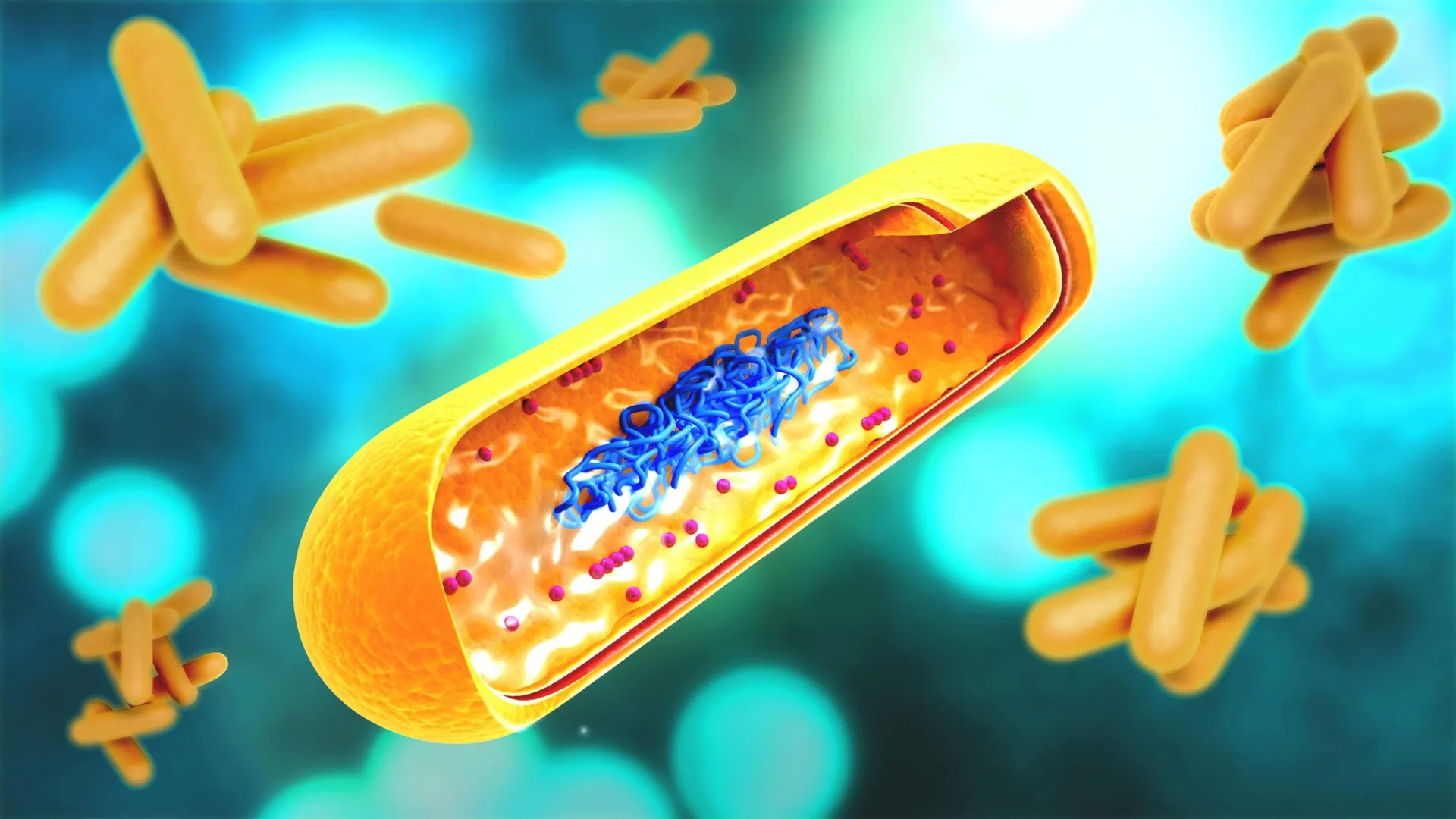
In a significant breakthrough for global infectious disease research, scientists at Johns Hopkins Medicine and the Johns Hopkins Bloomberg School of Public Health have announced the development of an experimental DNA vaccine designed to eradicate the most resilient forms of tuberculosis (TB). Unlike traditional vaccines that are typically administered via injection, this therapeutic candidate is delivered intranasally, targeting the respiratory system directly. The vaccine’s primary objective is to assist the human immune system in identifying and destroying "persisters"—drug-tolerant TB bacteria that often survive months of intensive antibiotic therapy and serve as the primary catalyst for disease relapse.
The study, recently published in the Journal of Clinical Investigation, arrives at a critical juncture in the global fight against tuberculosis. Despite being a preventable and curable disease, TB remains a leading cause of mortality worldwide, exacerbated by the rise of multidrug-resistant strains and the logistical challenges of long-term treatment regimens.
The Global Burden of Tuberculosis and the Need for Innovation
Tuberculosis is caused by the bacterium Mycobacterium tuberculosis and has plagued human civilizations for over six millennia. While modern medicine has made strides in controlling the spread, the World Health Organization (WHO) reports that approximately 2 billion people—roughly one-quarter of the global population—carry a latent TB infection. These individuals do not show symptoms and are not contagious, but the bacteria remain dormant within their bodies, posing a lifelong risk of reactivation.
The scale of the crisis in the 21st century remains staggering. In 2024, data indicated that more than 10 million people developed active TB, resulting in 1.2 million deaths. This makes tuberculosis the deadliest disease caused by a single infectious pathogen, often surpassing HIV/AIDS in annual mortality rates. The current standard of care for drug-susceptible TB requires a minimum of six months of antibiotic treatment. For drug-resistant cases, treatment can extend to 18 or 24 months, involving drugs with significant side effects. The length and complexity of these regimens often lead to patient non-compliance, which in turn fuels the development of further antibiotic resistance.
The WHO has long advocated for the development of "therapeutic vaccines"—vaccines administered to people who are already infected—to complement existing drug therapies. The goal is to shorten the duration of treatment, improve cure rates, and prevent the recurrence of the disease after the cessation of antibiotics.
Mechanics of the Mip3α/relMtb DNA Vaccine
The experimental vaccine developed by the Johns Hopkins team utilizes a sophisticated dual-gene approach to overcome the natural defenses of the TB bacterium. The vaccine combines two specific genes: relMtb and Mip3α.
According to Dr. Styliani Karanika, the study’s lead author and assistant professor of medicine at the Johns Hopkins University School of Medicine, the relMtb gene is a critical component of the bacterium’s survival strategy. When Mycobacterium tuberculosis encounters hostile environments—such as the presence of antibiotics, low oxygen levels in lung tissue, or a lack of nutrients—it activates the relMtb gene. This gene produces the RelMtb protein, which allows the microbe to enter a state of dormancy or "persistence." In this state, the bacteria become largely indifferent to the effects of antibiotics, which typically target actively dividing cells.
To counter this, the researchers fused the relMtb gene with the Mip3α gene. This fusion creates a molecular signal designed to alert the immune system. Specifically, it attracts immature dendritic cells to the site of infection. Dendritic cells are the "sentinels" of the immune system; they ingest foreign proteins and "present" them to T cells, which then coordinate a targeted and aggressive attack on the pathogen. By targeting the very protein that allows TB to hide, the vaccine effectively "unmasks" the persistent bacteria.
Furthermore, the intranasal delivery method is a strategic choice. Because TB is primarily a respiratory infection, delivering the vaccine through the nose ensures that the immune response is concentrated in the respiratory mucosa of the lungs. This localized immunity is essential for creating a "front-line" defense where the infection is most active.
Experimental Results: From Mouse Models to Primates
The research team conducted a series of rigorous experiments to test the efficacy of the vaccine, starting with mouse models. When administered alongside first-line TB drug therapy, the intranasal DNA fusion vaccine demonstrated several key benefits:
- Accelerated Bacterial Clearance: Infected mice cleared the bacteria significantly faster than those receiving antibiotics alone.
- Reduced Pathology: The vaccine led to a measurable reduction in lung inflammation, preserving more healthy tissue.
- Prevention of Relapse: Most importantly, the vaccine prevented the disease from returning after the antibiotic treatment ended, a common failure point in current TB therapy.
The study also explored the vaccine’s compatibility with modern "BPaL" therapy—a potent combination of bedaquiline, pretomanid, and linezolid used to treat highly drug-resistant TB. The results suggested that the vaccine enhanced the effectiveness of BPaL, indicating that it could be a powerful tool against even the most difficult-to-treat cases.
Following the success in mice, the researchers moved to rhesus macaques, whose immune systems more closely mirror those of humans. In these primate studies, the intranasal vaccine successfully generated TB-specific immune responses in both the bloodstream and the airways. These responses included the activation of both CD4 (helper) and CD8 (killer) T cells. Notably, the immune activation remained measurable for at least six months, suggesting that the vaccine provides durable, long-lasting protection.
While the primate study focused on immune activation rather than protection against a live TB challenge, Dr. Karanika noted that the data provide a vital "translational bridge." The similarity between the immune responses in mice (where efficacy was proven) and macaques provides high confidence for future human trials.
Implications for Public Health and Treatment Logistics
The potential shift from a purely antibiotic-based approach to an immunotherapy-integrated approach could revolutionize TB management. Beyond the biological benefits, DNA vaccines offer several practical advantages that are crucial for global health implementation.
DNA vaccines are generally more stable than traditional protein-based or mRNA vaccines. They do not require the stringent "cold chain" (ultra-low temperature storage and transport) that often limits vaccine distribution in rural or resource-poor regions of the world. Additionally, the manufacturing process for DNA vaccines is relatively efficient and scalable, which could lead to lower costs for health systems in high-burden countries.
The ability to shorten treatment times would also have a massive economic impact. TB disproportionately affects adults in their most productive years, leading to significant loss of income and pushing families into poverty. A therapeutic vaccine that reduces a six-month treatment to three or four months could save billions of dollars in healthcare costs and lost productivity globally.
Chronology of Research and Future Steps
The development of the Mip3α/relMtb vaccine is the result of years of collaborative research involving experts in infectious disease, immunology, and public health. The project was supported by numerous grants from the National Institutes of Health (NIH), including specialized funding for HIV and AIDS research, as TB is a leading cause of death among people living with HIV.
The timeline for the vaccine’s progression is now moving toward the preclinical work necessary to satisfy regulatory requirements for human use. This includes further safety testing and the optimization of the intranasal delivery device. If these steps are successful, the team anticipates moving into Phase I clinical trials to evaluate safety and immunogenicity in humans.
"These nonhuman primate data are encouraging because they show that the vaccine can generate durable, antigen-stimulated immune responses," Dr. Karanika stated. "The researchers believe their results support a broader treatment strategy that focuses on eliminating TB persisters through immunotherapy rather than relying exclusively on antibiotics to kill actively growing bacteria."
Conclusion and Official Statements
The Johns Hopkins research team included a wide array of specialists, reflecting the multidisciplinary nature of the challenge. Key contributors included Tianyin Wang, Addis Yilma, James Gordy, and Petros Karakousis, among others. Several members of the team, including Karanika and Karakousis, are listed as inventors on the patent for the Mip3α/relMtb vaccine.
The study was funded by several prestigious organizations, including the National Institute of Allergy and Infectious Diseases (NIAID) and the Willowcraft Foundation. The authors reported no conflicts of interest regarding the publication of their findings.
As the global medical community continues to struggle with the "silent pandemic" of drug-resistant tuberculosis, this experimental DNA vaccine offers a glimmer of hope. By turning the bacterium’s own survival mechanisms against it and leveraging the power of localized mucosal immunity, the researchers at Johns Hopkins may have found a way to finally close the door on a disease that has haunted humanity for millennia. The focus now shifts to the rigorous clinical testing required to turn this laboratory success into a frontline medical reality.
