
 By Suherman Candra Maholtra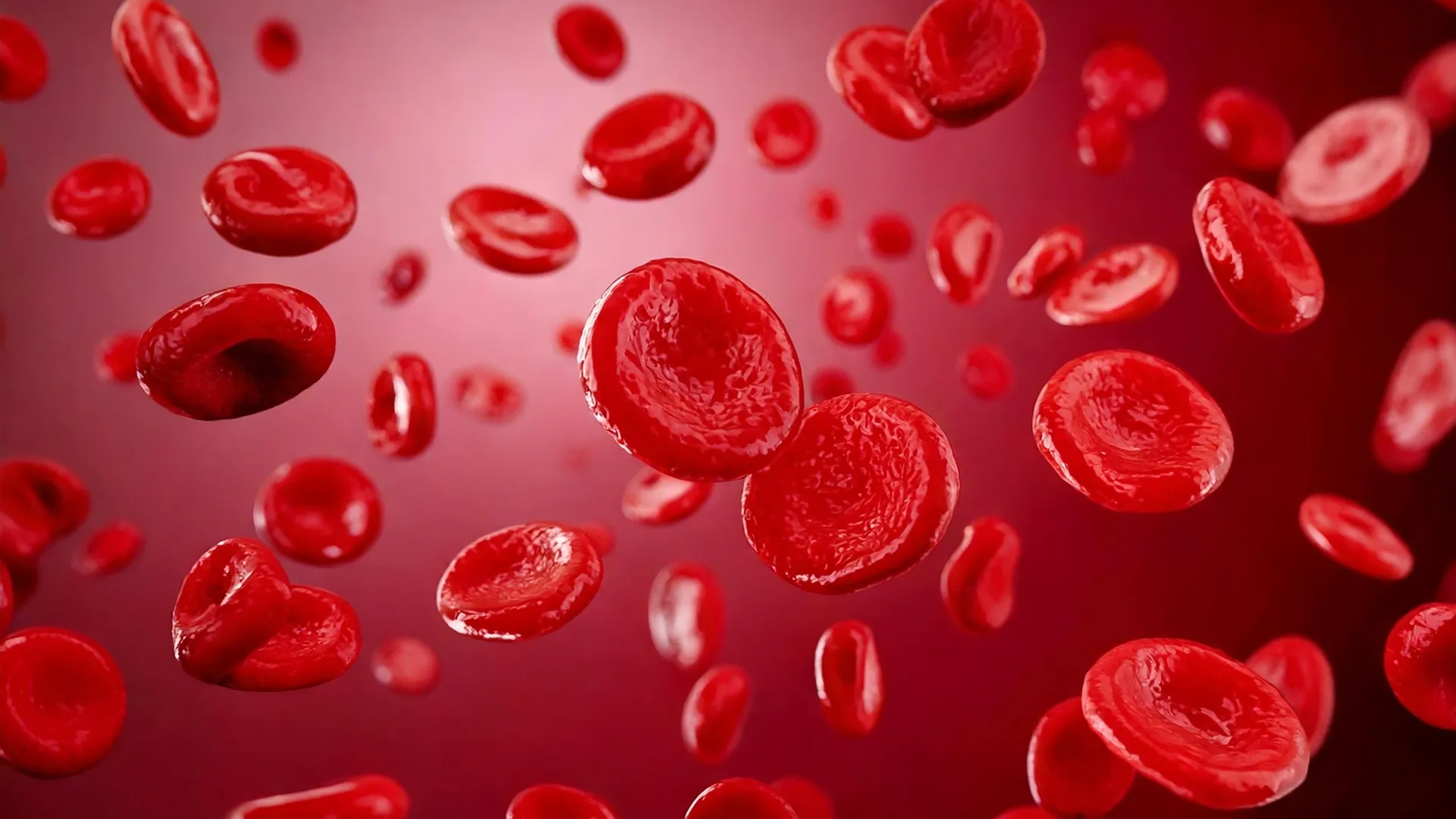
Scientists at NHS Blood and Transplant (NHSBT) in Bristol, in collaboration with the International Blood Group Reference Laboratory (IBGRL) and the University of Bristol, have successfully identified the genetic origin of the AnWj blood group antigen, resolving a biological puzzle that has eluded the medical community since 1972. The breakthrough, which establishes MAL as the 47th human blood group system, provides a critical molecular roadmap for identifying rare individuals who lack this specific marker. By pinpointing the MAL gene as the instructions for the Mal protein—the carrier of the AnWj antigen—the research team has enabled the development of new genotyping tests designed to prevent life-threatening transfusion reactions in a small but highly vulnerable patient population.
The Biological Complexity of Human Blood Groups
While the ABO and Rh systems are the most widely recognized categories of human blood, they represent only a fraction of the intricate landscape of red blood cell biology. The surface of a single human red blood cell is adorned with hundreds of different molecules, including proteins and carbohydrates, many of which function as antigens. These antigens serve as biological "ID tags" that the immune system uses to distinguish self from non-self. When a patient receives a blood transfusion, their immune system scans the donor cells for unfamiliar antigens; if a mismatch is detected, the body may produce antibodies to attack and destroy the foreign cells, leading to a hemolytic transfusion reaction.
The AnWj antigen is one such marker, present in more than 99.9% of the global population. Because it is nearly universal, the discovery of individuals who are AnWj-negative is exceptionally rare. However, for these individuals, the stakes of a blood transfusion are incredibly high. If an AnWj-negative person is exposed to AnWj-positive blood—either through a previous transfusion or pregnancy—they can develop potent anti-AnWj antibodies. Subsequent exposure to the antigen can trigger a severe immune response, making the identification of compatible donors a matter of clinical urgency.
A Chronology of the AnWj Mystery: 1972 to 2026
The journey to identify the MAL blood group system spans over five decades, characterized by persistent clinical observation and evolving genetic technology. The timeline of this discovery highlights the slow and meticulous nature of rare blood group research.
In 1972, clinicians first identified a patient whose blood lacked a specific, high-frequency marker that was present in almost everyone else. This marker was named the AnWj antigen. For the next several decades, the antigen remained a "serological curiosity." While hematologists could detect its absence using specialized antibody tests, the underlying genetic mechanism remained unknown. Scientists could not identify which gene was responsible for producing the antigen, nor could they identify the specific protein on the cell membrane that carried it.
A significant turning point occurred in 2015 when a woman, who was the very first person identified as AnWj-negative in the 1970s, provided a new blood sample for research. This sample, along with those from a small number of other genetically AnWj-negative individuals—including members of an Arab Israeli family—provided the necessary biological material for modern genomic analysis.
By 2024 and 2025, the research team utilized whole exome sequencing to narrow down the search. Unlike traditional genetic testing, which looks at specific known genes, whole exome sequencing allowed the team to examine all the protein-coding regions of the genome simultaneously. This analysis unexpectedly pointed to the MAL gene.
In 2026, the International Society of Blood Transfusion (ISBT) formally ratified MAL as the 47th blood group system (ISBT 047). This period of rapid discovery saw several other systems recognized, including ER, CD36, and ATP11C, followed shortly by the announcement of JAMA as the 49th system in late 2026.
The Genetic and Molecular Mechanism of MAL
The research team’s investigation centered on the MAL gene, which encodes the Mal protein (also known as myelin and lymphocyte protein). The Mal protein is a highly hydrophobic, multi-pass membrane protein. Despite its small size, it plays a significant role in membrane organization and the trafficking of proteins within cells. Prior to this study, the Mal protein’s presence and function on red blood cells were poorly understood, which contributed to the difficulty of the search.
The study revealed that the vast majority of the population carries a functional MAL gene that expresses the Mal protein on the surface of their red blood cells, which in turn presents the AnWj antigen. In contrast, individuals with the rare, inherited AnWj-negative phenotype were found to have homozygous deletions in the MAL gene. Being homozygous means these individuals inherited a defective or deleted version of the gene from both parents, resulting in a total absence of the Mal protein on their red blood cells.
To prove that MAL was indeed the source of the antigen, the researchers employed advanced gene-editing and expression techniques. They introduced the normal MAL gene into laboratory cell lines that previously lacked it. Once the gene was expressed, the cells became reactive to anti-AnWj antibodies, confirming that the presence of the Mal protein is both necessary and sufficient for the AnWj antigen to exist. Conversely, when the researchers introduced the mutant or deleted versions of the gene found in AnWj-negative patients, the cells remained non-reactive.
Clinical Distinctions: Inherited vs. Acquired AnWj-Negative Phenotypes
One of the most important outcomes of this research is the ability to distinguish between two different reasons why a person might lack the AnWj antigen.
The first is the inherited form, caused by the aforementioned MAL gene deletions. This is a permanent, lifelong condition. The second, and more common, is the acquired form. In these cases, a person is born with a normal MAL gene, but the expression of the AnWj antigen is suppressed or "turned off" due to an underlying medical condition. This is frequently observed in patients with hematological disorders or certain types of cancer.
Understanding this distinction is vital for patient management. A patient with the acquired form may develop an anti-AnWj autoantibody—an antibody that attacks their own cells or donor cells—creating a complex clinical scenario where finding compatible blood is nearly impossible.
Two case reports from 2026 illustrate these challenges. In one instance, a 75-year-old man with severe anemia was found to have an anti-AnWj autoantibody. Genetic testing confirmed his MAL gene was normal, indicating his condition was acquired. Because no compatible blood could be found in time, doctors were forced to transfuse unmatched blood, a high-risk procedure that fortunately did not result in a reaction in his specific case.
In another 2026 case, a patient with high-grade B-cell lymphoma experienced red blood cell destruction after receiving incompatible blood due to an anti-AnWj antibody. Clinicians treated the patient with sutimlimab, a monoclonal antibody that inhibits the C1s enzyme in the classic complement pathway of the immune system. This marked the first reported use of a complement inhibitor to manage AnWj-associated hemolysis, offering a potential new therapeutic avenue for such rare cases.
Statements from the Research Leadership
The success of the project was the result of decades of dedication by specialists who viewed the mystery as a personal and professional challenge. Louise Tilley, a Senior Research Scientist at IBGRL who has dedicated nearly 20 years of her career to this specific puzzle, noted the magnitude of the achievement. "The genetic background of AnWj has been a mystery for more than 50 years," Tilley stated. "It represents a huge achievement, and the culmination of a long team effort, to finally establish this new blood group system and be able to offer the best care to rare, but important, patients."
Tilley emphasized that the rarity of the cases was the primary obstacle. "We would not have achieved this without exome sequencing, as the gene we identified wasn’t an obvious candidate and little is known about Mal protein in red cells."
Professor Ash Toye, Director of the NIHR Blood and Transplant Research Unit at the University of Bristol, highlighted the role of modern biotechnology in the confirmation process. "It’s really exciting we were able to use our ability to manipulate gene expression in the developing blood cells to help confirm the identity of the AnWj blood group," Toye said. He noted that this ability to prove cause-and-effect was the "final piece" of the puzzle.
Nicole Thornton, Head of IBGRL Red Cell Reference, underscored the global impact of the work. "Now genotyping tests can be designed to identify genetically AnWj-negative patients and donors. Such tests can be added to the existing genotyping platforms," she said, explaining that this will streamline the process of finding life-saving blood for patients around the world.
Broader Implications for Transfusion Medicine and Genomics
The identification of the MAL blood group system has immediate and long-term implications for the field of hematology. By integrating MAL genotyping into standard blood screening platforms, blood banks can now proactively screen donors for this rare type. This shifts the paradigm from "reactive" medicine—where a rare type is discovered only after a patient has a reaction—to "proactive" medicine, where rare units are identified and frozen in advance.
Furthermore, the discovery adds to a growing body of knowledge regarding the "dark matter" of the human genome as it relates to blood. As the list of recognized blood group systems approaches 50, the complexity of human biology becomes clearer. Each new system identified provides clues into how red blood cells interact with the immune system and how certain diseases can alter the very surface of our cells.
The work also highlights the importance of international cooperation in rare disease research. Because AnWj-negative individuals are so few and far between, the study required samples from across the globe, including the United Kingdom and Israel. This collaborative model remains the gold standard for solving the remaining mysteries of human blood.
In conclusion, the resolution of the AnWj mystery through the identification of the MAL gene marks the end of a 50-year scientific quest. It provides a definitive answer for the families affected by this rare genetic trait and offers a sophisticated new tool for clinicians. As genomic technology continues to advance, the medical community is better equipped than ever to ensure that even the rarest patients receive the specific, compatible care they require.
