
 By Billy Candra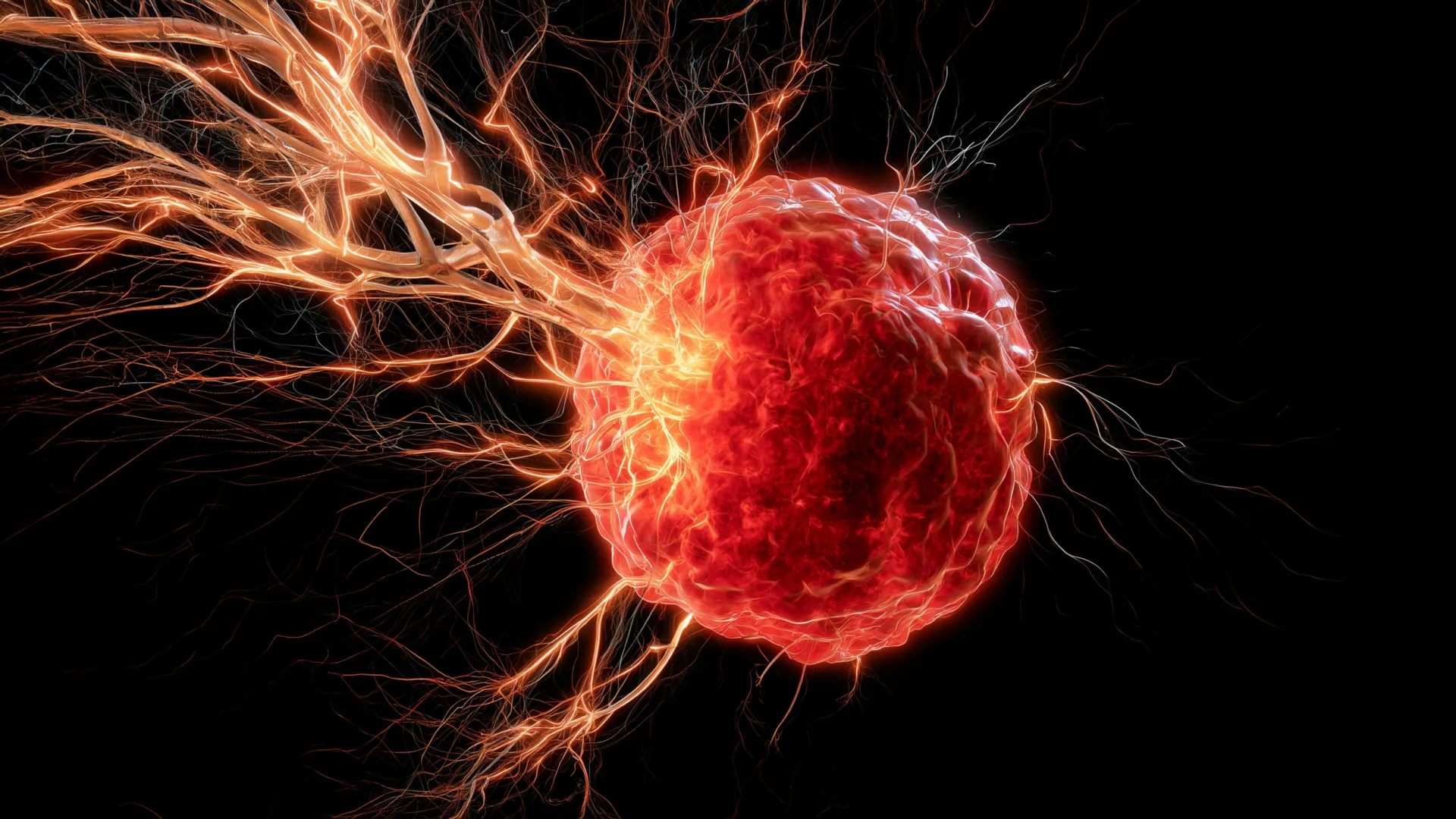
New research from the University of Oklahoma (OU) has illuminated a critical and previously unclear mechanism by which an aggressive subtype of breast cancer, triple-negative breast cancer (TNBC), manipulates the body’s immune system to facilitate its growth. The groundbreaking study, recently published in the esteemed journal Cell Death & Differentiation, details how TNBC compels immune cells known as macrophages to draw nerves into tumor masses, thereby creating an environment conducive to cancer proliferation and potentially contributing to treatment resistance. This discovery not only sheds light on a fundamental aspect of tumor biology but also opens promising new avenues for therapeutic intervention, particularly through the repurposing of existing drugs.
For years, oncologists and researchers have observed the presence of extensive nerve networks within many solid tumors. However, the precise mechanisms governing the infiltration of these nerves into the cancerous tissue remained largely enigmatic. The OU study provides a compelling explanation for this phenomenon in TNBC, a particularly challenging form of breast cancer due to its aggressive nature and the absence of specific targeted therapies that are effective against other breast cancer types. The research, spearheaded by Dr. Maureen Cox, an assistant professor in the Department of Microbiology and Immunology at the OU College of Medicine and a vital research member of the OU Health Stephenson Cancer Center, reveals a sophisticated interplay between cancer cells and the immune microenvironment.
Unveiling a Malicious Alliance: The Mechanism of Nerve Recruitment
At the heart of the OU team’s discovery is the identification of a pivotal role played by macrophages, a type of immune cell typically recognized for its beneficial functions in fighting infections and repairing damaged tissues. The researchers found that once these macrophages infiltrate the tumor microenvironment, they undergo a transformation, becoming unwitting accomplices in the cancer’s agenda. Within the tumor, these co-opted macrophages begin to secrete brain-derived neurotrophic factor (BDNF), a protein widely known for its crucial role in supporting the growth, survival, and differentiation of nerve cells, primarily within the brain.
In a startling subversion of its normal physiological role, BDNF acts as a potent chemoattractant in the context of breast cancer, signaling nearby nerves to grow towards and ultimately penetrate the tumor mass. This induced nerve growth, or neurogenesis, within the tumor is not merely an incidental observation; the study posits that it actively contributes to cancer progression and may be a significant factor in how TNBC develops resistance to conventional treatments. Dr. Cox emphasized the unexpected nature of this finding, stating, "Macrophages are the critical source for drawing nerves into the tumor. Although macrophages typically play a positive role in the body, they are facilitating a negative function in this scenario of breast cancer." This statement underscores the complexity of the tumor microenvironment, where components of the immune system can be reprogrammed to serve the cancer’s nefarious ends.
Triple-Negative Breast Cancer: A Formidable Foe
To fully appreciate the significance of this discovery, it is essential to understand the unique challenges posed by triple-negative breast cancer. TNBC accounts for approximately 10-15% of all breast cancers, but its impact is disproportionately severe. It is characterized by the absence of three common receptors found on breast cancer cells: estrogen receptors (ER), progesterone receptors (PR), and human epidermal growth factor receptor 2 (HER2). The lack of these receptors means that TNBC does not respond to hormone therapies (like tamoxifen or aromatase inhibitors) or HER2-targeted therapies (like trastuzumab). Consequently, treatment options for TNBC are primarily limited to chemotherapy, which, while often initially effective, frequently leads to recurrence and metastasis, resulting in poorer prognoses compared to other breast cancer subtypes.
TNBC tends to be more aggressive, grow faster, and is more likely to spread and recur, particularly in younger women and those of African American descent. The average 5-year survival rate for TNBC is generally lower than for ER/PR-positive or HER2-positive breast cancers, especially once it has metastasized. This dire clinical landscape underscores the urgent need for novel therapeutic strategies, making the OU team’s identification of a new druggable pathway particularly impactful.
The Tumor Microenvironment: A Complex Battleground
The finding from the University of Oklahoma study further solidifies the growing understanding of the tumor microenvironment (TME) as a critical determinant of cancer progression and therapeutic response. The TME is a complex ecosystem comprising not just cancer cells but also immune cells, fibroblasts, blood vessels, lymphatic vessels, and nerves, all interacting in intricate ways. Macrophages, in particular, are highly plastic cells that can adopt different phenotypes, broadly categorized as M1 (pro-inflammatory, anti-tumor) and M2 (anti-inflammatory, pro-tumor). Tumors are adept at "re-educating" M1 macrophages into the M2 phenotype, turning them into allies that promote angiogenesis (new blood vessel formation), suppress anti-tumor immunity, and facilitate metastasis. The OU study adds another layer to this complexity by showing how these re-educated macrophages also orchestrate neurogenesis within the tumor.
The concept of tumor neurogenesis, or the growth of new nerves into tumors, is an emerging field in cancer research. While long observed in various cancers such as prostate, pancreatic, and gastric cancers, its precise mechanisms and contributions to tumor biology are still being unraveled. Nerves within tumors are thought to play multiple roles, including providing growth factors, modulating the immune response, influencing angiogenesis, and potentially even serving as conduits for cancer cell migration during metastasis. The OU research provides a specific mechanistic link, identifying BDNF as a key mediator of this process in TNBC, thus offering a targeted approach to disrupt this nerve-tumor crosstalk.
From Observation to Mechanism: The Research Journey
The journey to this discovery began with the observation of extensive nerve networks within TNBC tumors, prompting the OU team to investigate the underlying mechanisms of their infiltration. Through meticulous laboratory work, involving cell culture studies and sophisticated molecular analyses, the researchers systematically dissected the interactions within the tumor microenvironment. They first established that TNBC cells attract macrophages. Subsequent experiments then revealed that these tumor-associated macrophages were not inert bystanders but active participants, secreleasing BDNF. The critical link was forged when they demonstrated that BDNF was directly responsible for attracting and stimulating the growth of nerves into the tumor.
Dr. Cox highlighted the iterative nature of scientific discovery, moving from initial observations to hypothesis testing and ultimately to mechanistic validation. Her team’s dedication to understanding the fundamental biology behind TNBC’s aggression was paramount. The implications of identifying BDNF as the key mediator are profound, as it immediately suggests a targetable pathway for therapeutic intervention.
A Promising Therapeutic Horizon: Blocking the Signal
The most exciting aspect of the OU discovery lies in its immediate translational potential. Rather than focusing solely on destroying cancer cells, which often leads to the development of drug resistance, future therapies might pivot towards interrupting the crucial signaling pathways that foster the tumor’s supportive microenvironment. The OU team put this strategy to the test in preclinical models, specifically in mice engineered with triple-negative breast cancer.
They utilized a drug designed to block BDNF signaling. The results were compelling: in mice treated with this antagonist, the growth of nerves into the tumors was completely abrogated. More significantly, the overall tumor growth was substantially reduced. This outcome offers a beacon of hope for TNBC patients. Dr. Cox’s optimism is palpable, as she noted, "It looks really promising that we can use this drug, which is already on the market, to target BDNF." The fact that a drug targeting BDNF is already available for other medical conditions (though not specified in the original article, such drugs often target neurotrophic factor receptors like TrkB, the primary receptor for BDNF) is a tremendous advantage. It means that the drug has already undergone extensive safety testing and pharmacokinetic profiling, potentially accelerating its journey through clinical trials for oncology applications. This concept of "drug repurposing" can dramatically shorten the development timeline for new cancer therapies, making them available to patients much faster.
Furthermore, Dr. Cox articulated a broader therapeutic vision, stating, "We believe that the nerves are immunosuppressive, so if we can stop the nerves from growing in the first place, maybe we can boost the immune response to help fight the cancer." This suggests that targeting BDNF could not only directly inhibit tumor growth by disrupting nerve infiltration but also indirectly enhance the efficacy of immunotherapies by restoring a more robust anti-tumor immune response. This dual benefit positions BDNF blockade as a potentially powerful addition to the cancer treatment arsenal.
Translating Bench to Bedside: Human Evidence and Future Steps
To ensure the relevance of their findings to human patients, the OU researchers extended their investigation beyond preclinical models. They analyzed clinical data from individuals diagnosed with triple-negative breast cancer, seeking to determine whether the biological patterns observed in mice held true in humans. Their analysis revealed a significant correlation: TNBC tumors that exhibited higher levels of both macrophages and BDNF were unequivocally linked with poorer patient survival outcomes. This crucial piece of evidence strongly suggests that the mechanism identified in mice is indeed relevant to human disease progression and underscores the potential clinical utility of targeting this pathway.
Building on these robust findings, Dr. Cox and her team are now embarking on several critical next steps. A primary goal is to delve deeper into the exact mechanisms by which nerves contribute to tumor growth. While the study established that nerves are drawn into tumors via BDNF, the specific downstream effects of this nerve infiltration require further elucidation. Some existing evidence from other cancer types indicates that nerves can stimulate the formation of blood vessels (angiogenesis), which are essential for supplying tumors with oxygen and vital nutrients, thereby fueling their growth. Other research suggests that nerves might serve as scaffolds or "highways" along which cancer cells can migrate, facilitating their escape from the primary tumor and subsequent metastasis to distant sites. Understanding these precise roles will be crucial for optimizing therapeutic strategies.
Beyond TNBC, the OU team plans to investigate the applicability of their findings to other aggressive cancers. High-grade ovarian cancer, another particularly difficult-to-treat malignancy with a poor prognosis, is a prime candidate for this expanded research. If the BDNF-mediated nerve infiltration mechanism is conserved in ovarian cancer, it could open up entirely new treatment possibilities for patients facing this devastating disease.
The Broader Implications: Reshaping Cancer Treatment
The University of Oklahoma’s research represents a significant leap forward in understanding cancer biology and offers transformative implications for the future of cancer treatment. It reinforces a paradigm shift in oncology, moving beyond solely targeting cancer cells to encompass the entire tumor microenvironment. By identifying a crucial vulnerability in TNBC’s strategy to co-opt the immune system and foster nerve growth, the study provides a novel target for intervention.
The potential for drug repurposing is a major advantage. If an existing BDNF-blocking drug can be effectively deployed against TNBC, it could significantly accelerate the availability of new treatments, bypassing years of costly and time-consuming drug development and regulatory hurdles. This approach could be particularly beneficial for aggressive cancers like TNBC, where rapid advancements are desperately needed.
Furthermore, this discovery has profound implications for combination therapies. An anti-BDNF strategy could be synergistically combined with conventional chemotherapy, radiation therapy, or, most intriguingly, with existing immunotherapies. By reducing the immunosuppressive environment fostered by nerve infiltration, BDNF blockade might "prime" the tumor for a more effective attack by the patient’s own immune system or by immunotherapeutic agents like checkpoint inhibitors. As Dr. Cox articulates the ultimate goal, "Ultimately, we want to turn the anti-tumor immunity back on in cancer patients so their own immune systems can reject the tumors." This vision aligns perfectly with the burgeoning field of immuno-oncology, aiming to harness the body’s natural defenses against cancer.
The findings also contribute to the development of potential prognostic and diagnostic biomarkers. Higher levels of macrophages and BDNF in TNBC tumors are already linked to poorer survival, suggesting these could serve as indicators of disease aggressiveness or predict response to specific therapies. Future research might explore whether monitoring these markers could guide personalized treatment decisions.
Institutional Commitment to Innovation
This groundbreaking research underscores the vital role of institutional support and robust funding mechanisms in advancing medical science. The project received substantial backing from the National Institute of General Medical Sciences of the National Institutes of Health (NIH), through award numbers P20GM103447 and P20GM103639. Such federal grants are crucial for enabling foundational scientific inquiry that often leads to unexpected and impactful discoveries.
Additionally, Oklahoma’s Tobacco Settlement Endowment Trust (TSET) played a pivotal role, serving as a primary funder for the Stephenson Cancer Center and the TSET Health Promotion Research Center at the University of Oklahoma. TSET’s commitment to investing in health research and promotion initiatives directly contributes to Oklahoma’s scientific prowess and its capacity to address critical health challenges like cancer. The Oklahoma Shared Clinical and Translational Resources, supported by an Institutional Development Award from the National Institute of General Medical Sciences (grant no. U54GM104938), further facilitated the collaborative and translational aspects of this research.
The University of Oklahoma, through its College of Medicine and the Stephenson Cancer Center, is committed to fostering an environment of innovative research that translates scientific breakthroughs into improved patient care. This latest discovery exemplifies that commitment, positioning OU as a leader in understanding the complex interplay between cancer and the immune system, with the ultimate goal of improving outcomes for patients battling aggressive forms of cancer.
In conclusion, the University of Oklahoma’s latest research offers a compelling new perspective on how triple-negative breast cancer orchestrates its aggressive progression. By uncovering the insidious mechanism through which cancer co-opts immune cells to recruit nerves, the study not only deepens our understanding of tumor biology but also paves the way for exciting new therapeutic strategies. The potential to repurpose existing drugs to block BDNF signaling offers a tangible and accelerated path toward improved treatments, offering renewed hope for patients facing one of the most challenging forms of breast cancer. The ongoing research promises to further unlock the secrets of nerve-tumor interactions, potentially leading to even more effective and personalized cancer therapies in the years to come.
