
 By admin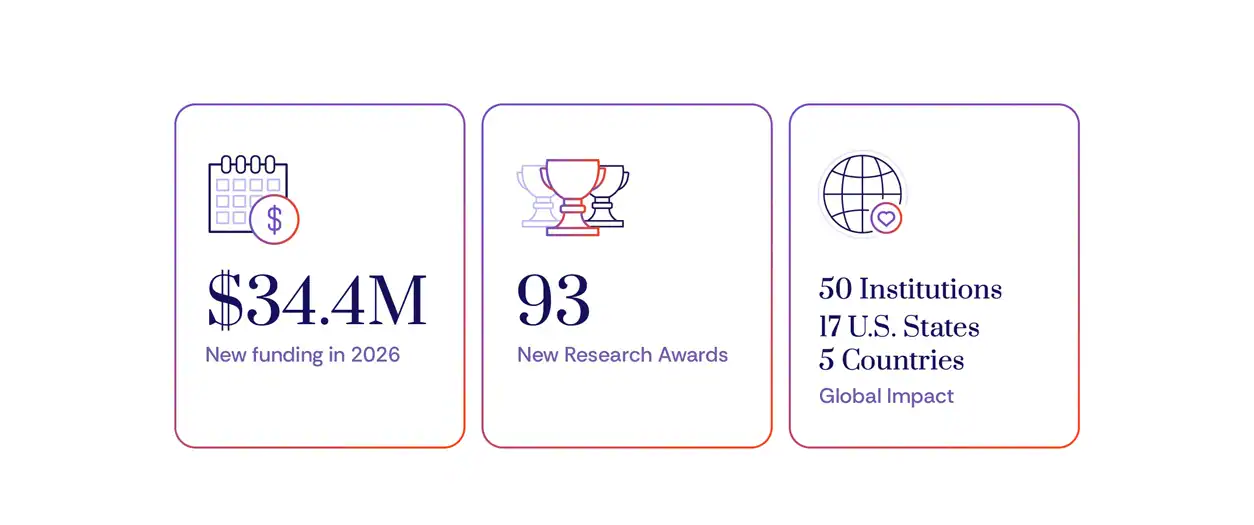
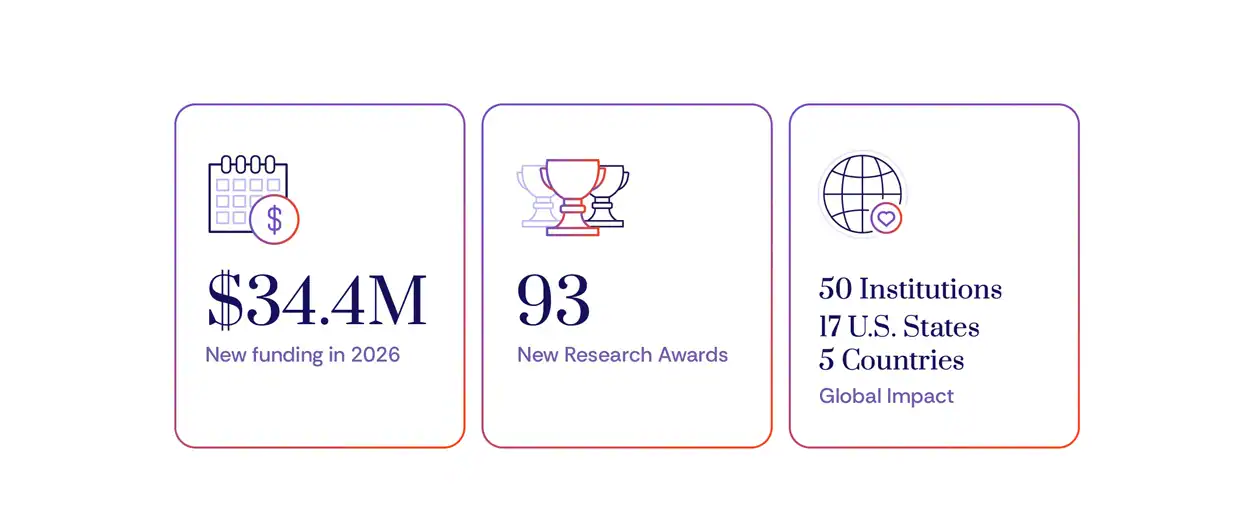
In a challenging global climate marked by widespread funding cuts and an increasingly precarious environment for scientific research, the Cancer Research Institute (CRI) made a resolute decision in fiscal year 2025-26: to aggressively accelerate the pace of cancer science. This strategic commitment saw the organization allocate an unprecedented $34.4 million in new funding across 93 distinct awards, marking its largest grantmaking year in over seven decades of operation. These critical investments reached a diverse cohort of scientists stationed at 50 premier institutions, spanning five countries and 17 states across the United States, underscoring CRI’s expansive reach and unwavering dedication to fostering groundbreaking discoveries in cancer immunotherapy.
The Challenging Research Landscape: A Period of Uncertainty
The backdrop against which CRI made its record-setting commitment was one of significant apprehension within the scientific community. The "past year," as referenced by CRI, saw numerous researchers across the globe grappling with severe funding shortfalls. This period was characterized by a confluence of factors, including economic downturns impacting governmental research budgets, shifts in philanthropic priorities, and intensified competition for limited resources. Institutions, both public and private, reported a tightening of grant opportunities, leading to concerns about delayed research, stalled projects, and even a potential exodus of promising scientific talent from the field. For many, the uncertainty was not merely a logistical hurdle but a direct threat to the continuity of vital life-saving research, particularly in high-cost, high-risk areas like oncology. The ramifications of such an environment are profound, potentially delaying breakthroughs that could alter treatment paradigms and improve patient outcomes for millions affected by cancer. In this context, CRI’s proactive stance represents a significant counter-narrative, illustrating a deliberate choice to prioritize scientific progress over fiscal caution.
CRI’s Decisive Response: A Record Year for Grantmaking
The $34.4 million in new funding represents not just a numerical achievement but a strategic deployment of resources designed to keep the momentum of cancer research alive and thriving. This sum was distributed through 93 awards, each meticulously vetted to support innovative and high-potential projects. The geographical spread of these investments—50 institutions across five countries and 17 U.S. states—highlights CRI’s global perspective on scientific collaboration. Such a broad distribution ensures that diverse perspectives and methodologies are brought to bear on the complex challenges of cancer.
Behind these impressive figures lies a human story of dedication and potential. Each award supports a scientist, ranging from those embarking on their very first independent research ventures to established investigators leading ambitious, field-defining programs. These individuals are united by a common goal: to unravel the mysteries of cancer and harness the immune system to combat it more effectively. The funding provides them not only with the necessary financial capital but also with the crucial flexibility and confidence to pursue unconventional ideas and take the calculated risks often prerequisite for transformative scientific progress. For over 70 years, CRI has embodied this philosophy, consistently investing in exceptional scientists at pivotal stages of their careers, often before their most significant discoveries come to fruition. This long-term vision has been a cornerstone of CRI’s impact, fostering an environment where bold ideas can flourish.
The CRI IGNITE Award: Bridging the Critical Gap for Emerging Leaders
A significant component of CRI’s recent funding initiative is the introduction of the CRI IGNITE Award, an acronym for "Inspiring Growth and Nurturing Independence Through Excellence." This award directly addresses one of the most critical and vulnerable phases in a scientist’s professional journey: the transition from postdoctoral training to establishing an independent research career. This period is fraught with challenges, as researchers must not only secure their own laboratory space and funding but also define entirely new areas of investigation and generate preliminary data robust enough to compete for long-term institutional and governmental grants.
Many promising ideas, despite their inherent potential, often falter during this transition due to a lack of sustained support. The IGNITE Award is specifically designed to bridge this precarious gap, providing vital resources precisely when talented early-career scientists are poised to launch their independent programs and tackle bold, often high-risk, high-reward scientific questions. By targeting this critical juncture, CRI aims to prevent the loss of innovative research and ensure that the next generation of scientific leaders has the necessary foundation to build impactful careers. This strategic intervention underscores CRI’s understanding of the entire research lifecycle, recognizing that nurturing talent from its nascent stages is paramount to sustained progress.
Spotlight on Impact: Dr. Simone Park’s Journey and the Promise of Immunotherapy
The profound impact of CRI’s sustained investment is vividly exemplified by Dr. Simone Park, PhD, an inaugural recipient of the IGNITE Award at the University of Pennsylvania. Dr. Park’s journey with CRI began earlier in her career, when she received support as a postdoctoral fellow. This initial investment laid the groundwork for her foundational research, allowing her to develop expertise and hone her scientific inquiry. Now, with the IGNITE Award, Dr. Park is taking a significant step forward, establishing her independent research program focused on tissue-resident memory T cells.
These specialized immune cells are crucial for long-lasting protection against various diseases, including cancer recurrence. They persist within tissues, acting as vigilant guardians, ready to spring into action upon re-exposure to threats. Dr. Park’s pioneering research delves into the fundamental question of what mechanisms enable these cells to maintain their presence and function as potent anti-tumor defenders over extended periods. By meticulously uncovering the biological underpinnings of their durability, Dr. Park aims to identify novel strategies for enhancing the persistence and efficacy of immune responses against cancer. Her work holds immense promise for developing new immunotherapies that could offer stronger, more enduring protection for patients, potentially preventing relapse and improving long-term survival rates.
Dr. Park’s trajectory serves as a powerful testament to the value of supporting promising scientists throughout their professional development. From fostering their expertise during postdoctoral training to enabling their independence through awards like IGNITE, CRI’s continuum of support is designed to cultivate the scientific leaders who will shape the future of cancer immunotherapy. This holistic approach ensures that exceptional individuals are empowered to advance their work at every pivotal moment, transforming nascent ideas into impactful discoveries. CRI’s programmatic structure further solidifies this commitment, extending from postdoctoral fellowships, through the IGNITE Awards, to the prestigious CRI Lloyd J. Old STAR Awards, which provide established investigators with the unparalleled freedom to pursue high-risk, high-impact ideas that could revolutionize the field.
A Holistic Approach to Cancer Eradication
CRI’s commitment to eradicating cancer extends far beyond merely providing research awards. The organization adopts a comprehensive, multi-faceted approach, recognizing that successful translation of scientific discovery into patient benefit requires a broader ecosystem of support. This includes actively advancing clinical studies, which are crucial for testing new therapies in human patients and moving promising laboratory findings closer to bedside applications. CRI also develops robust data programs and shared resources, facilitating collaboration among researchers and enabling the efficient analysis of vast datasets, a cornerstone of modern biomedical research.
Furthermore, CRI invests in equipping scientists with new computational skills, acknowledging the increasing role of bioinformatics, artificial intelligence, and machine learning in deciphering complex biological systems. This ensures that researchers are prepared to leverage cutting-edge technologies to accelerate discovery. Crucially, CRI also extends its mission to patients and caregivers, providing trusted information and support to help them navigate the often-complex landscape of cancer immunotherapy. This patient-centric approach ensures that the advancements made in the lab ultimately translate into tangible benefits and informed choices for those battling cancer. Each of these investments contributes synergistically to a broader, integrated ecosystem designed to propel discovery forward and translate increasingly intricate biological insights into more effective, life-saving treatments for patients worldwide.
Broader Implications and Future Outlook

The Cancer Research Institute’s record-setting investment in fiscal year 2025-26 carries significant implications for the future trajectory of cancer research, particularly in the burgeoning field of immunotherapy. By committing substantial resources during a period of widespread uncertainty, CRI has not only safeguarded ongoing critical research but has also sent a powerful message about the resilience and imperative of scientific advancement. This proactive stance helps mitigate the potential brain drain from research, ensuring that brilliant minds remain engaged in the fight against cancer.
The focus on early-career scientists through programs like the IGNITE Award is particularly vital. These individuals represent the future of scientific leadership, and providing them with the necessary resources at a formative stage can significantly accelerate their path to independence and groundbreaking discoveries. The ripple effect of such investments can lead to a more robust and dynamic research pipeline, fostering innovation and accelerating the development of novel therapies.
As highlighted in their upcoming 2026 Annual Impact Report, CRI’s sustained commitment during this record-setting year is a testament to promises kept – promises to the scientists whose bold ideas deserve the chance to mature, to the patients worldwide who are desperately awaiting new possibilities and improved treatments, and to the unwavering supporters who believe fervently in the transformative power of research to change and save lives. The overarching message is clear: while external uncertainties may reshape the landscape in which science operates, they do not diminish the fundamental requirements for progress. These requirements remain constant: exceptional people driven by audacious ideas, coupled with the unwavering, sustained support necessary to bring those elements together. The extraordinary work ahead in the quest to conquer cancer is immense, and as CRI declares, they are unequivocally "just getting started."
