
 By Suherman Candra Maholtra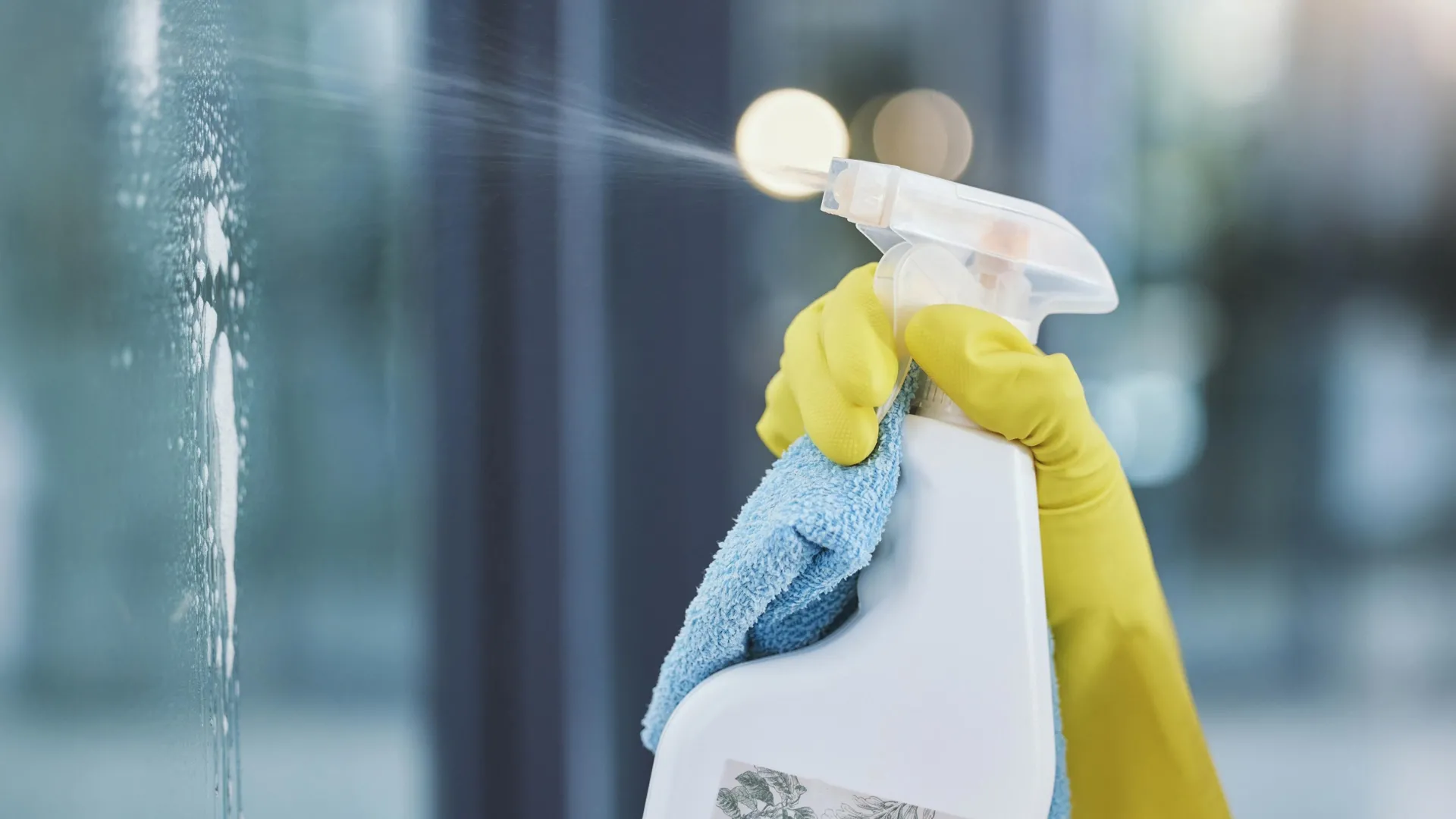
The pervasive association between a citrus or floral scent and a pristine living environment is a deeply ingrained cultural norm. However, new research indicates that the very aromas used to signal cleanliness are often the precursors to complex chemical reactions that degrade indoor air quality. A study led by Brandon Boor, an associate professor at Purdue University’s Lyles School of Civil Engineering, reveals that scented cleaning agents and botanical disinfectants can trigger the rapid formation of airborne nanoparticles. These particles, often invisible to the naked eye and traditional air quality monitors, are capable of penetrating deep into the human respiratory system, presenting health risks comparable to those found in high-traffic urban environments.
The findings, presented at the American Chemical Society (ACS) Fall Meeting during the "Healthy Indoor Spaces: Bridging the Microbiome and Chemistry" symposium, challenge the conventional wisdom regarding indoor hygiene. While cleaning is essential for the removal of pathogens like viruses and bacteria, the chemical byproduct of these activities—specifically secondary organic aerosols—introduces a different kind of environmental hazard.
The Chemistry of "Clean" Smells
The primary drivers of this indoor pollution are volatile organic compounds (VOCs) known as terpenes. These compounds are naturally occurring in plants; for instance, limonene provides the scent of lemons, pinene gives pine trees their characteristic aroma, and linalool is responsible for the scent of lavender. Because consumers associate these smells with freshness, manufacturers of both conventional and "green" or botanical cleaning products use them extensively.
Under normal circumstances in a forest, these terpenes are released slowly and react with atmospheric ozone over hours or days to form particles that eventually contribute to cloud formation. However, the Purdue study found that inside a home, this process is accelerated to an extreme degree. When a person sprays a surface or mops a floor with a scented product, the concentration of terpenes in the air can spike to levels tens or even hundreds of times higher than those measured in a natural forest environment.
"Clean air should not smell like highly concentrated citrus fruit," Boor stated during the symposium. "It should not really smell of anything."
The Purdue "Tiny House" Experiments
To quantify these reactions under realistic conditions, Boor and his team utilized a unique experimental facility at Purdue University: a "model home" designed to simulate the complexities of modern residential life. This tiny house features a functional kitchen, bathroom, wood flooring, and a standard HVAC system, allowing researchers to recreate everyday cleaning routines while maintaining strict control over environmental variables.
During the experiments, the team tested a variety of products, ranging from conventional liquid cleaners to botanical disinfectant sprays and wipes. Using high-resolution mass spectrometry and nanocluster aerosol measurement tools, they tracked the air composition in real-time. The results were startling: the act of mopping or spraying generated billions, and in some cases trillions, of nanoparticles within minutes.
The researchers observed nucleation rates—the speed at which new particles form from gases—of approximately 100,000 particles per cubic centimeter per second. Furthermore, these particles grew at rates up to 300 nanometers per hour, far exceeding growth rates typically observed in outdoor atmospheric chemistry.
The Role of Ozone as a Catalyst
The formation of these nanoparticles requires an oxidant, and in the indoor environment, that oxidant is usually ozone ($O_3$). Ozone can enter a home from the outdoors through open windows or ventilation systems. However, the study also highlighted a more modern source of concern: indoor air-cleaning devices.
In a follow-up study conducted with Professor Ernest Blatchley, the Purdue team examined the interaction between scented cleaners and germicidal far-UV (UV-C) lamps. These lamps, which became increasingly popular during the COVID-19 pandemic to neutralize airborne pathogens, interact with oxygen molecules in the air to produce ozone.
When these UV-C lamps were operated in the presence of terpene-heavy cleaning fragrances, the production of nanoparticles intensified. Ozone levels in the tiny house rose to between 20 and 40 parts per billion. While these levels are often lower than outdoor peaks on a smoggy day, the confined space and high concentration of reactive scents created a "perfect storm" for particle formation. The resulting aerosol mass was found to be comparable to, or even greater than, the particulate matter one would inhale while standing next to a busy highway during rush hour.
Health Implications of Ultrafine Particles
The particles generated by these reactions are classified as ultrafine particles (UFPs) or nanoparticles, typically measuring between 1 and 30 nanometers in diameter. For context, a human hair is roughly 70,000 nanometers wide.
The size of these particles is their most dangerous attribute. Because they are so small, they do not settle out of the air quickly. More importantly, when inhaled, they bypass the body’s primary defense mechanisms in the upper respiratory tract. They can travel deep into the alveolar region of the lungs, where gas exchange occurs. From there, evidence suggests they can cross the blood-air barrier, entering the bloodstream and potentially affecting other organs, including the heart and brain.
"By the time you finish cleaning up an indoor space, you’ve already formed a lot of nanoparticles and inhaled them," Boor noted. The immediate physiological response can include airway inflammation and irritation, which may exacerbate conditions such as asthma or chronic obstructive pulmonary disease (COPD).
A significant challenge for the average consumer is that these particles are invisible. Unlike smoke or dust, which create a visible haze, nanoparticle concentrations can reach extreme levels without any change in air clarity. Furthermore, most low-cost, consumer-grade air quality monitors are designed to detect PM2.5 (particles 2,500 nanometers or smaller) and often lack the sensitivity to detect the 1–30 nanometer range where these cleaning-related particles reside.
Timeline and Context: The Post-Pandemic Shift
The impetus for this research grew out of the global shift in hygiene habits during the COVID-19 pandemic. Beginning in 2020, there was a massive surge in the domestic and commercial use of chemical disinfectants. Public health guidelines emphasized the sterilization of high-touch surfaces, leading many households to increase their cleaning frequency and the volume of products used.
Boor and his colleague, Assistant Professor Nusrat Jung, recognized that while the focus was on killing the virus, the unintended consequences for indoor chemistry were being overlooked. The "hygiene theater" of the pandemic often involved the heavy use of scented aerosols in poorly ventilated spaces, creating a legacy of indoor air quality issues that researchers are only now beginning to fully quantify.
Industry and Regulatory Implications
The Purdue findings suggest a need for a shift in how cleaning products are formulated and marketed. Currently, the "scent of clean" is a primary selling point for major brands. However, the study indicates that even "botanical" or "natural" products are not exempt from these risks, as they often rely on the same reactive terpenes found in conventional products.
Industry analysts suggest that this research could lead to a rise in demand for "fragrance-free" or "low-VOC" certified products. There may also be pressure on regulatory bodies, such as the Environmental Protection Agency (EPA), to take a closer look at indoor secondary pollutant formation. While outdoor air quality is strictly regulated under the Clean Air Act, indoor air quality remains largely unregulated in private residences, despite Americans spending approximately 90% of their time indoors.
Recommendations for Safer Cleaning
Despite the risks identified, Boor emphasizes that the goal is not to discourage cleaning, which remains vital for public health. Instead, the focus should be on informed usage and mitigation strategies. To reduce the inhalation of secondary nanoparticles, the researchers suggest the following practical steps:
- Transition to Unscented Products: Choosing cleaning agents that do not contain added fragrances significantly reduces the terpene load in the air, thereby cutting off the fuel for nanoparticle formation.
- Enhance Ventilation: Utilizing exhaust fans, particularly in kitchens and bathrooms, or opening windows during and after cleaning can help dilute terpene concentrations and flush out formed particles.
- Strategic Timing: If using scented products, occupants should consider cleaning when the space can be vacated for a period afterward, allowing the chemical reactions to peak and dissipate before reentry.
- Avoid Ozone-Generating Devices: Consumers should be cautious with "air purifiers" that deliberately produce ozone and should avoid using UV-C germicidal lamps simultaneously with scented cleaning activities.
- HVAC Maintenance: Using high-efficiency air filters (such as MERV 13 or higher) in home HVAC systems can help capture some of the larger secondary organic aerosols, though they may still struggle with the smallest nanoparticles.
Conclusion and Future Research
The research conducted at Purdue University provides a critical link between everyday household chores and atmospheric chemistry. By demonstrating that billions of nanoparticles can form in the time it takes to mop a floor, the study highlights a significant, yet largely invisible, public health challenge.
As the scientific community continues to bridge the gap between the indoor microbiome and indoor chemistry, the definition of a "healthy building" is evolving. It is no longer enough for a space to be free of biological pathogens; it must also be managed as a dynamic chemical reactor. Future studies are expected to delve deeper into the long-term health effects of chronic exposure to these cleaning-related nanoparticles and to explore new formulations of disinfectants that provide safety without the chemical side effects.
For now, the message from the Purdue team is clear: the most effective way to ensure air is truly clean is to prioritize the absence of pollutants over the presence of a pleasant smell. In the world of indoor air quality, the best scent is no scent at all.
