
 By Suherman Candra Maholtra
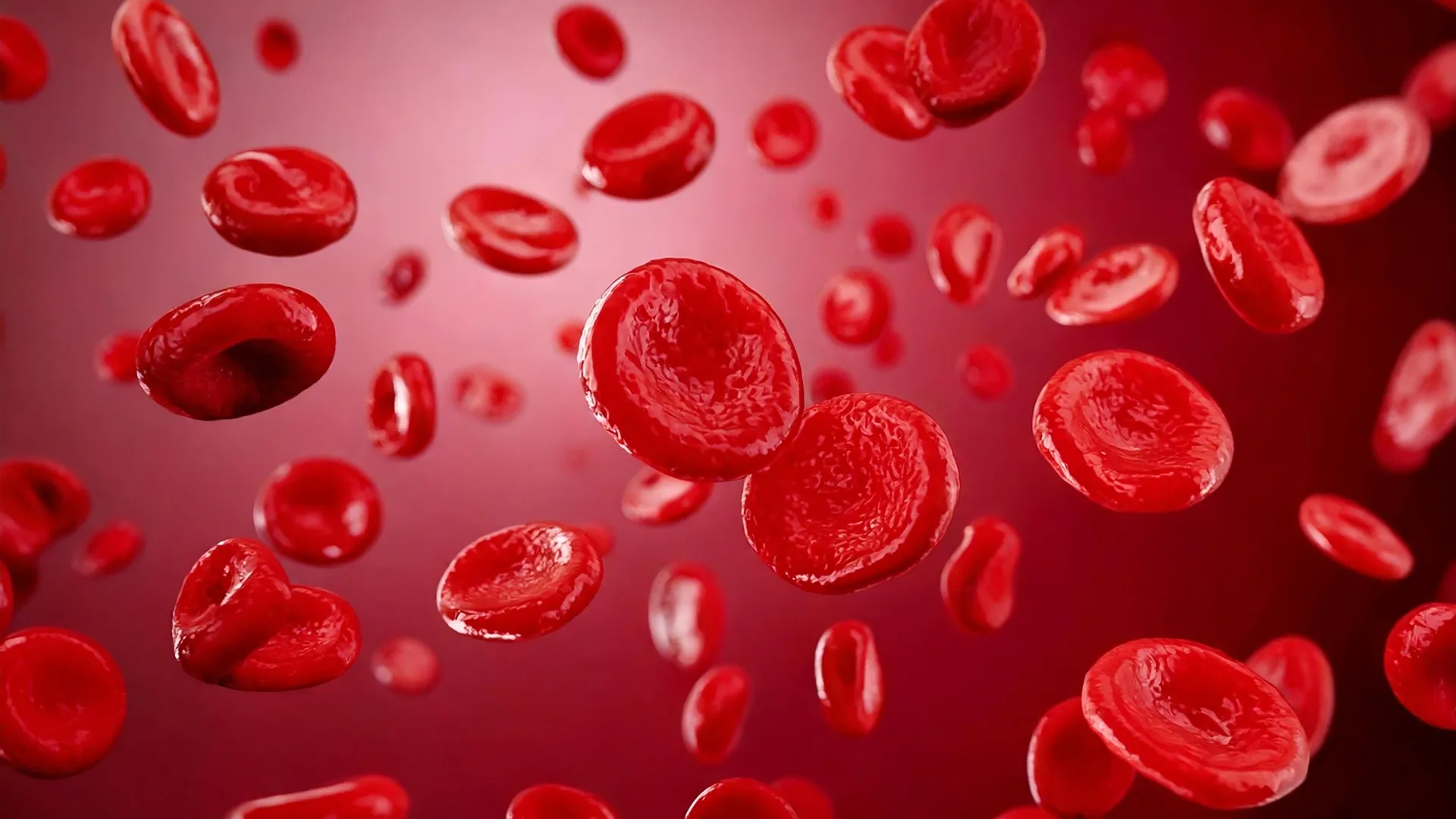
In a milestone for hematology and transfusion medicine, researchers have finally identified the genetic foundation of the AnWj blood group antigen, a mystery that has persisted in the scientific community since its initial discovery in 1972. The collaborative effort, led by scientists at NHS Blood and Transplant (NHSBT) in Bristol, the International Blood Group Reference Laboratory (IBGRL), and the University of Bristol, has resulted in the formal recognition of MAL as the world’s 47th human blood group system. This discovery provides a definitive molecular explanation for a rare blood phenotype and offers a life-saving diagnostic tool for patients whose unique biological markers make blood transfusions a high-risk endeavor.
For more than half a century, the AnWj antigen was a known entity without a known origin. While more than 99.9% of the global population is AnWj-positive, a minuscule fraction of individuals lacks this marker on their red blood cells. For these individuals, receiving blood from the general population can trigger a severe, potentially fatal immune response. By tracing the antigen to the MAL gene, researchers have closed a significant gap in the map of human blood genetics, transitioning the AnWj marker from a serological curiosity to a genetically defined clinical reality.
The Biological Architecture of Human Blood Groups
To appreciate the magnitude of this discovery, it is necessary to understand the complexity of human red blood cells. While the ABO and Rh (Rhesus) systems are the most well-known—determining whether a person is A-positive, O-negative, and so on—they represent only a fraction of the markers present on the cellular surface. Human red blood cells are coated with hundreds of different molecules, many of which function as antigens. These antigens act as "identification tags" that the immune system uses to distinguish between the body’s own cells and foreign invaders.
When a person receives a blood transfusion, their immune system scans the donor cells for unfamiliar antigens. If the recipient lacks a specific antigen that the donor possesses, the recipient’s immune system may produce antibodies to attack those donor cells. This leads to a hemolytic transfusion reaction, where the red blood cells are destroyed, potentially causing organ failure or death. While most people share the same common antigens, rare blood types arise when an individual lacks a marker that is present in the vast majority of the population. AnWj is one such high-frequency antigen, making the search for compatible blood for AnWj-negative individuals an international "needle in a haystack" challenge.
A Fifty-Year Cold Case: The History of AnWj
The AnWj antigen was first identified in 1972, but for decades, the protein carrying the antigen and the gene encoding it remained elusive. The rarity of the AnWj-negative phenotype was the primary obstacle; because so few people lack the antigen, scientists had very little genetic material to study.
The AnWj-negative status typically occurs in two ways. The most common form is "acquired," often seen in patients with certain hematological disorders or specific types of cancer that suppress the expression of the antigen. However, the much rarer "inherited" form is caused by a genetic mutation. Only a handful of families worldwide have been identified with this inherited trait. One of the key breakthroughs in this recent study involved a blood sample donated in 2015 by the very first woman identified as AnWj-negative in the 1970s. This sample, alongside those from an Arab Israeli family, provided the critical genetic data needed to solve the puzzle.
The Role of Whole Exome Sequencing and Gene Editing
The research team utilized whole exome sequencing, a sophisticated genomic technique that focuses specifically on the protein-coding regions of the DNA. By comparing the exomes of the rare inherited AnWj-negative individuals against the general population, the researchers identified a common thread: homozygous deletions in the MAL gene.
A homozygous deletion means that the individual inherited a defective or missing version of the gene from both parents. The MAL gene is responsible for producing the Mal protein (Myelin and Lymphocyte protein), a small, highly hydrophobic membrane protein. Prior to this study, the Mal protein was known to play a role in membrane organization and cellular transport, but it had never been associated with red blood cell antigens.
To confirm their findings, the team employed advanced gene-editing techniques. Using laboratory-grown blood cells, they introduced the normal MAL gene into cells that lacked it. Once the gene was expressed, the cells became reactive to AnWj antibodies, proving that the Mal protein was the essential carrier of the antigen. Conversely, when they manipulated the expression of the gene to remove the protein, the AnWj reactivity vanished. This rigorous "cause and effect" testing was necessary to satisfy the International Society of Blood Transfusion (ISBT) requirements for establishing a new blood group system.
Clinical Implications for Transfusion Medicine
The identification of the MAL blood group system has immediate practical applications. Previously, identifying AnWj-negative patients relied on complex and often scarce serological reagents—antibodies derived from the blood of the few known sensitized individuals. Now, blood centers can implement DNA-based genotyping.
"Now genotyping tests can be designed to identify genetically AnWj-negative patients and donors," explained Nicole Thornton, Head of IBGRL Red Cell Reference at NHS Blood and Transplant. "Such tests can be added to the existing genotyping platforms, making it easier to screen the population for rare donors and ensure that patients receive the safest possible blood."
The clinical necessity of this discovery is highlighted by recent medical cases. In 2026, a 75-year-old man with severe anemia was found to have an anti-AnWj autoantibody. Because compatible blood was unavailable, doctors had to proceed with an unmatched transfusion while monitoring him closely. In another 2026 case, a patient with B-cell lymphoma suffered from red blood cell destruction after receiving AnWj-positive blood. Clinicians successfully used sutimlimab—a monoclonal antibody that inhibits the complement system—to manage the hemolysis. These cases underscore that while the condition is rare, the stakes for the affected patients are incredibly high.
Official Responses and the Human Element of Discovery
The resolution of the AnWj mystery is being celebrated as a triumph of persistence and collaboration. Louise Tilley, a Senior Research Scientist at IBGRL who has dedicated nearly two decades of her career to this specific problem, noted the emotional weight of the achievement.
"The genetic background of AnWj has been a mystery for more than 50 years," Tilley said. "It represents a huge achievement and the culmination of a long team effort to finally establish this new blood group system and be able to offer the best care to rare, but important, patients."
Dr. Tim Satchwell, a Senior Lecturer at UWE Bristol who contributed to the study, emphasized the technical difficulty of working with the Mal protein. "Mal is a very small protein with some interesting properties which made it difficult to identify," Satchwell remarked. "Being able to combine our expertise to finally achieve this has brought the whole team a lot of satisfaction."
The University of Bristol’s Professor Ash Toye, Director of the NIHR Blood and Transplant Research Unit, highlighted the importance of modern technology in solving historical puzzles. "It’s really exciting we were able to use our ability to manipulate gene expression in the developing blood cells to help confirm the identity of the AnWj blood group," he said.
The Expanding Map of Human Blood
The formalization of the MAL system (ISBT 047) is part of a broader acceleration in the field of transfusion science. As genomic sequencing becomes more accessible, the "map" of human blood is expanding at an unprecedented rate. Following the ratification of MAL, the ISBT recently announced the JAMA blood group system as the 49th officially recognized system in late 2026.
This rapid expansion reflects a shift from traditional serology—where blood types were discovered by observing how samples clumped together in a test tube—to molecular hematology. By understanding the genetic blueprint of these antigens, scientists can better understand not just transfusion compatibility, but also how these proteins function in the human body. The Mal protein, for instance, is now being looked at with fresh interest regarding its role in cell membrane stability.
Conclusion: A Legacy of Scientific Persistence
The discovery of the MAL blood group system is a testament to the importance of "orphan" research—studies into rare conditions that affect a tiny percentage of the population. While the number of AnWj-negative people is small, the ability to identify them and provide compatible blood is the difference between life and death.
By solving a 50-year-old cold case, the researchers at NHS Blood and Transplant and the University of Bristol have provided a definitive answer to a biological question that has spanned generations of scientists. As this new genetic data is integrated into global blood bank databases, the legacy of this discovery will be measured in the lives saved through more accurate testing, safer transfusions, and a deeper understanding of the complex biological markers that make every human being unique.
