
 By Budi Oetomo Narendra
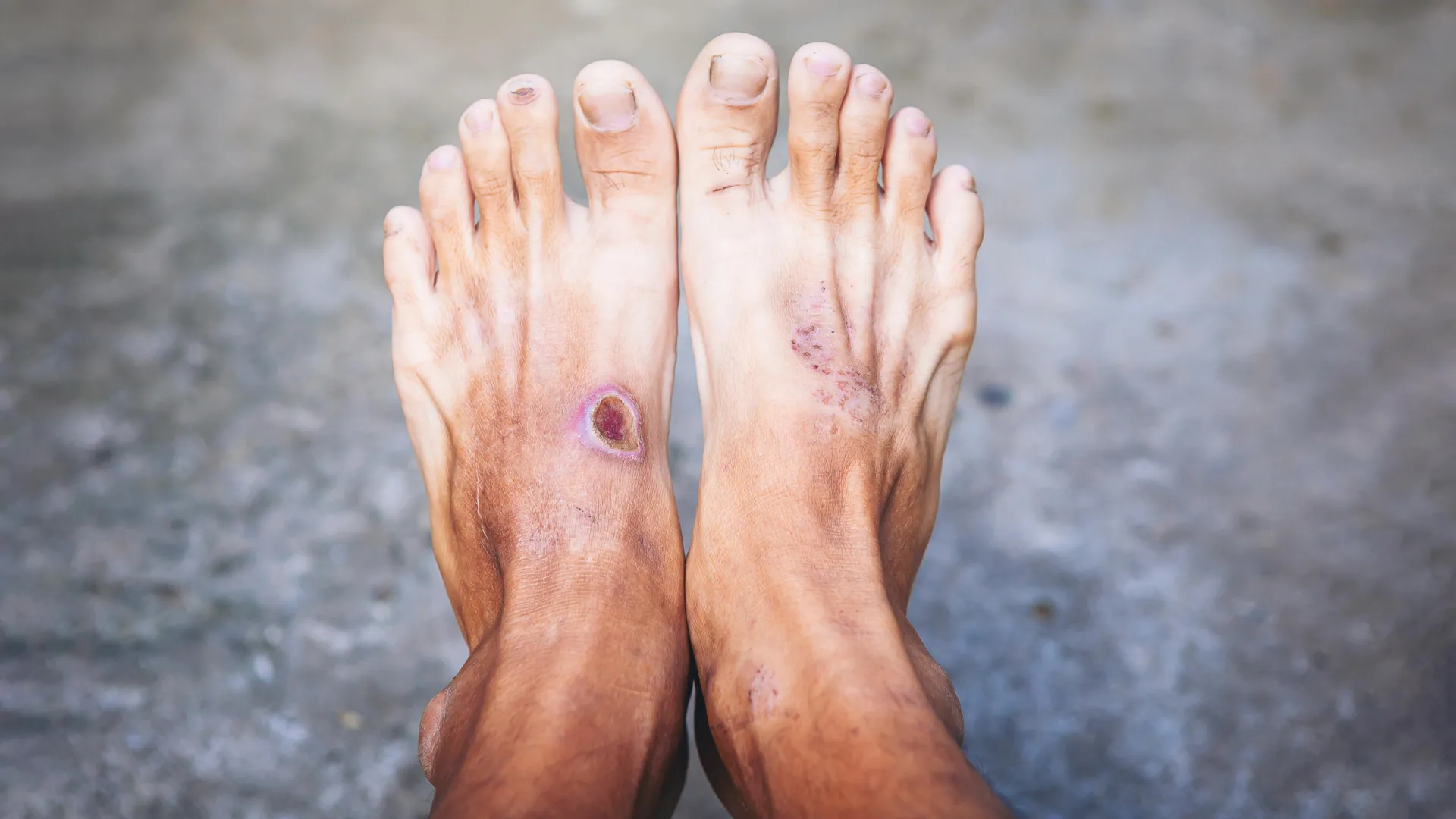
Chronic diabetic ulcers represent one of the most formidable and debilitating complications within modern healthcare, affecting over 131 million individuals globally and contributing to an astounding annual healthcare expenditure estimated at $755 billion. These persistent, non-healing wounds are not merely a discomfort; they carry profound risks, including limb amputation, severe infections, and even mortality, underscoring an urgent imperative to comprehend the intricate mechanisms underpinning their notorious resistance to healing. A recent comprehensive review by Yi Ru and colleagues has significantly advanced this understanding by meticulously examining the dynamic interplay of diverse immune cell populations throughout the various stages of diabetic wound progression, offering crucial insights that could redefine therapeutic strategies.
The Global Burden of a Silent Epidemic
The pervasive nature of diabetes, a condition marked by elevated blood glucose levels, has unfortunately led to a corresponding rise in its complications. Among these, diabetic foot ulcers (DFUs) stand out due to their high morbidity and economic impact. According to the International Diabetes Federation, approximately one in four individuals with diabetes will develop a foot ulcer in their lifetime. These statistics translate into a massive public health challenge, particularly in low- and middle-income countries where access to specialized care may be limited. The annual cost of $755 billion globally reflects not only direct medical expenses—such as hospitalizations, surgical interventions, and wound care products—but also indirect costs like lost productivity, disability benefits, and the substantial burden placed on caregivers. The personal toll is equally staggering; patients often endure chronic pain, reduced mobility, and a significant decline in their quality of life, facing a constant threat of infection that can escalate rapidly to osteomyelitis, sepsis, and ultimately, limb loss. Studies indicate that up to 85% of diabetes-related amputations are preceded by a foot ulcer, highlighting the critical need for effective prevention and treatment.
A Shifting Paradigm: From Visible Damage to Cellular Dysfunction
For decades, the management of chronic wounds, including diabetic ulcers, largely focused on macroscopic care: debridement, infection control, and pressure relief. While these remain essential components of treatment, a deeper understanding of the biological impediments to healing has gradually emerged. The normal wound healing process is a highly orchestrated cascade involving inflammation, proliferation, and remodeling phases, each dependent on precise cellular and molecular signals. In healthy individuals, immune cells efficiently manage the initial inflammatory response, clear debris, fight pathogens, and then transition to support tissue regeneration. However, in the context of diabetes, chronic hyperglycemia, neuropathy (nerve damage), and vasculopathy (blood vessel damage) create a hostile microenvironment that fundamentally dysregulates this intricate process.
The review by Yi Ru and colleagues marks a significant milestone in this evolving understanding. It shifts the focus from merely observing the symptoms of impaired healing to dissecting the specific immune cell behaviors that drive chronicity. Previous research often treated the immune response as a monolithic entity, overlooking the nuanced, temporal changes in distinct immune cell populations. This new synthesis provides a granular view, charting how monocytes, macrophages, dendritic cells, neutrophils, mast cells, B cells, T cells, and natural killer cells behave in diabetic wounds and, crucially, how their normal functions are subverted.
Immune Cells: The Orchestrators of Healing and Their Diabetic Disruption
The body’s immune system is the primary coordinator of its response to injury, with various cell types playing specialized roles. The review meticulously details how these roles are compromised in diabetic individuals:
-
Monocytes and Macrophages: The Inflammatory Stalemate
Macrophages, derived from circulating monocytes, are pivotal players in wound healing, acting as both scavengers and signaling hubs. In healthy healing, monocytes infiltrate damaged tissue and differentiate into macrophages, which then undergo a critical transition from a pro-inflammatory M1 phenotype (essential for pathogen clearance and debris removal) to a pro-reparative M2 phenotype (crucial for resolving inflammation, promoting tissue remodeling, and fostering angiogenesis). This M1-to-M2 polarization is a hallmark of successful wound closure. However, in diabetic wounds, this finely tuned transition often breaks down. Macrophages may remain locked in a persistent M1-like pro-inflammatory state, perpetually releasing inflammatory cytokines such as TNF-alpha and IL-6, which not only prolong tissue damage but also actively hinder the progression to the proliferative and remodeling phases. This sustained inflammation creates a vicious cycle, preventing the wound from ever truly "turning the corner" toward repair. -
Neutrophils and Mast Cells: Perpetuating Damage
Neutrophils are typically the first responders to injury, rapidly migrating to the wound site to combat infection and initiate inflammation. While their initial presence is crucial, their sustained or dysregulated activity in diabetic wounds can be detrimental. The review highlights how the formation of neutrophil extracellular traps (NETs), web-like structures designed to ensnare and kill pathogens, can become poorly regulated in diabetes. Excessive and uncontrolled NETosis can lead to the widespread release of proteases and reactive oxygen species (ROS), which, instead of merely neutralizing threats, indiscriminately damage host tissues and contribute to chronic inflammation. Similarly, mast cells, known for releasing potent mediators like histamine, serotonin, and various growth factors, play a role in vascular permeability and cell recruitment. However, the review indicates that mast cell degranulation patterns differ substantially in diabetic wounds, with excessive and prolonged activation potentially fueling the chronic inflammatory environment, exacerbating tissue breakdown rather than facilitating repair. -
Dendritic Cells: Failure to Clear Cellular Debris
Dendritic cells (DCs), including Langerhans cells in the epidermis and dermal dendritic cells, act as crucial bridges between the innate and adaptive immune systems, presenting antigens and shaping the overall immune response. A particularly alarming finding from recent evidence, emphasized in the review, is the reduced effectiveness of efferocytosis—the process by which phagocytic cells clear apoptotic (programmed cell death) cells—in diabetic wounds. When this vital "clean-up" mechanism is impaired, dead cellular material accumulates, serving as a constant source of inflammatory signals that further perpetuate the chronic wound state. The SLC7A11 transporter is identified as a potential key regulator in this process, with its reduced activity in diabetes potentially weakening dendritic cell function and directly interfering with the resolution of inflammation and effective wound closure. -
T Cells: Losing Regulatory Control
T lymphocytes, integral components of adaptive immunity, also play diverse roles in coordinating healing and modulating inflammation. Regulatory T cells (Tregs), for instance, are critical for suppressing excessive immune activity and promoting the production of factors necessary for tissue remodeling. In diabetic wounds, both the absolute number and functional capacity of these crucial cells can decline, a reduction directly correlated with delayed healing outcomes. Furthermore, specialized dendritic epidermal T cells (DETCs), a unique subset of γδ T cells residing in the skin, are known for producing vital growth factors, including insulin-like growth factor 1 (IGF-1), which stimulate keratinocyte proliferation and wound re-epithelialization. Under diabetic conditions, these cells exhibit lower activation levels and diminished cytokine production, directly impairing the skin’s intrinsic capacity for repair. -
B Cells and Natural Killer Cells: Emerging Players
While traditionally less studied in the context of wound healing compared to other immune cells, B cells and natural killer (NK) cells are increasingly recognized for their meaningful contributions. The review highlights emerging evidence suggesting that B cells can influence healing through their antibody production and, notably, by affecting macrophage polarization. Specifically, the recruitment of B cells has been shown to encourage macrophages to adopt the pro-reparative M2 states, thereby helping to mitigate excessive inflammation. Similarly, NK cells contribute to regulating inflammation and promoting angiogenesis (the formation of new blood vessels) through their cytokine production and intricate interactions with other immune cells present at the wound site.
A New Frontier in Treatment: Reprogramming Immunity
The profound understanding gleaned from this comprehensive review opens unprecedented avenues for the development of novel therapeutic strategies. The focus is shifting from merely treating symptoms to actively reprogramming the dysregulated immune response in diabetic wounds.
-
Targeting Specific Pathways: Advances in therapies designed to directly modify immune activity are gaining traction. These include topical anti-cytokine biologics that aim to disrupt persistent inflammatory signaling loops, offering a more targeted approach than systemic anti-inflammatory drugs. Approaches that specifically influence macrophage polarization are particularly promising, with several investigational drugs demonstrating the ability to encourage the crucial M2 shift, thereby accelerating wound closure and improving healing outcomes.
-
Cell-Based and Biomaterial Innovations: Mesenchymal stem cell (MSC) therapies, along with extracellular vesicles (EVs) derived from these cells, are being explored for their broad immune-modulating effects. MSCs possess intrinsic anti-inflammatory and regenerative properties, while their EVs can deliver a complex cargo of proteins, lipids, and nucleic acids that influence recipient cell behavior. Advanced biomaterials and "smart dressings" represent another innovative pathway, offering sophisticated platforms for delivering immune-modifying substances directly and precisely to the wound bed, ensuring localized action and minimizing systemic side effects.
-
Cutting-Edge Approaches: The review also points to other exciting emerging approaches. Janus liposozyme technologies are being developed to regulate redox balance and immune homeostasis, addressing the oxidative stress prevalent in diabetic wounds. Macrophage-regulating drugs, some of which have already shown promise in randomized clinical trials, are designed to restore proper macrophage function. Furthermore, IL-15 superagonists are being investigated for their ability to boost the activity of dendritic epidermal T cells, aiming to enhance the skin’s regenerative capacity.
The Critical Role of Timing and Personalized Medicine
A key takeaway from the review, and one that resonates deeply with clinical practice, is that the efficacy of treatment may not solely depend on which immune cells are targeted, but critically, on when they are targeted. Diabetic wounds, like all wounds, progress through distinct inflammatory, proliferative, and remodeling stages, each characterized by a unique immune microenvironment. Consequently, a therapy that proves highly effective during the initial inflammatory phase might have a diminished or even counterproductive effect during the later proliferative or remodeling stages.
This realization strongly advocates for the advent of personalized treatment plans. As Dr. Yi Ru and her colleagues emphasize, "Future approaches could include personalized treatment plans based on immune profiling of individual wounds." Such profiling could involve analyzing the specific immune cell composition and cytokine milieu of a patient’s wound at a given time point, allowing clinicians to tailor interventions with unprecedented precision. Furthermore, researchers are actively exploring combination therapies that simultaneously target several dysregulated immune cell populations, aiming for a synergistic effect that addresses the multifaceted nature of diabetic wound pathology. Unresolved questions, such as the precise classification of macrophage phenotypes in chronic wounds, continue to drive ongoing research, highlighting the dynamic nature of this scientific frontier.
Expert Perspectives and the Road Ahead
Medical experts and wound care specialists universally welcome the depth of understanding provided by this review. Dr. Eleanor Vance, a leading endocrinologist specializing in diabetic complications, commented, "This comprehensive review provides an invaluable roadmap for clinicians and researchers alike. By dissecting the precise immune dysregulations, we can move beyond generalized treatments to highly targeted interventions that truly address the root causes of non-healing." Similarly, a spokesperson for the National Institutes of Health, a major funding body for medical research, noted, "Investments in understanding the fundamental biology of chronic wounds are crucial. Reviews like this by Yi Ru and colleagues demonstrate the critical return on that investment, paving the way for innovations that will alleviate suffering for millions."
The implications extend beyond drug development. A more precise understanding of immune cell interactions could lead to better diagnostic tools, enabling earlier identification of wounds at high risk of chronicity. It could also inform preventative strategies, focusing on maintaining optimal immune function in diabetic patients. The broader impact of such advancements would be transformative: a significant reduction in amputation rates, improved patient quality of life, and a substantial decrease in the immense economic burden placed on healthcare systems worldwide. The authors’ concluding argument resonates powerfully: a more profound understanding of how immune cell populations interact and evolve over time is not merely academic; it is the essential bedrock for developing the precise and effective treatments desperately needed to combat diabetic ulcers, one of diabetes’s most serious and persistent complications. The journey towards truly healing these chronic wounds is long, but with such detailed insights into the immune system’s role, the path forward is becoming remarkably clearer.
