
 By Billy Candra
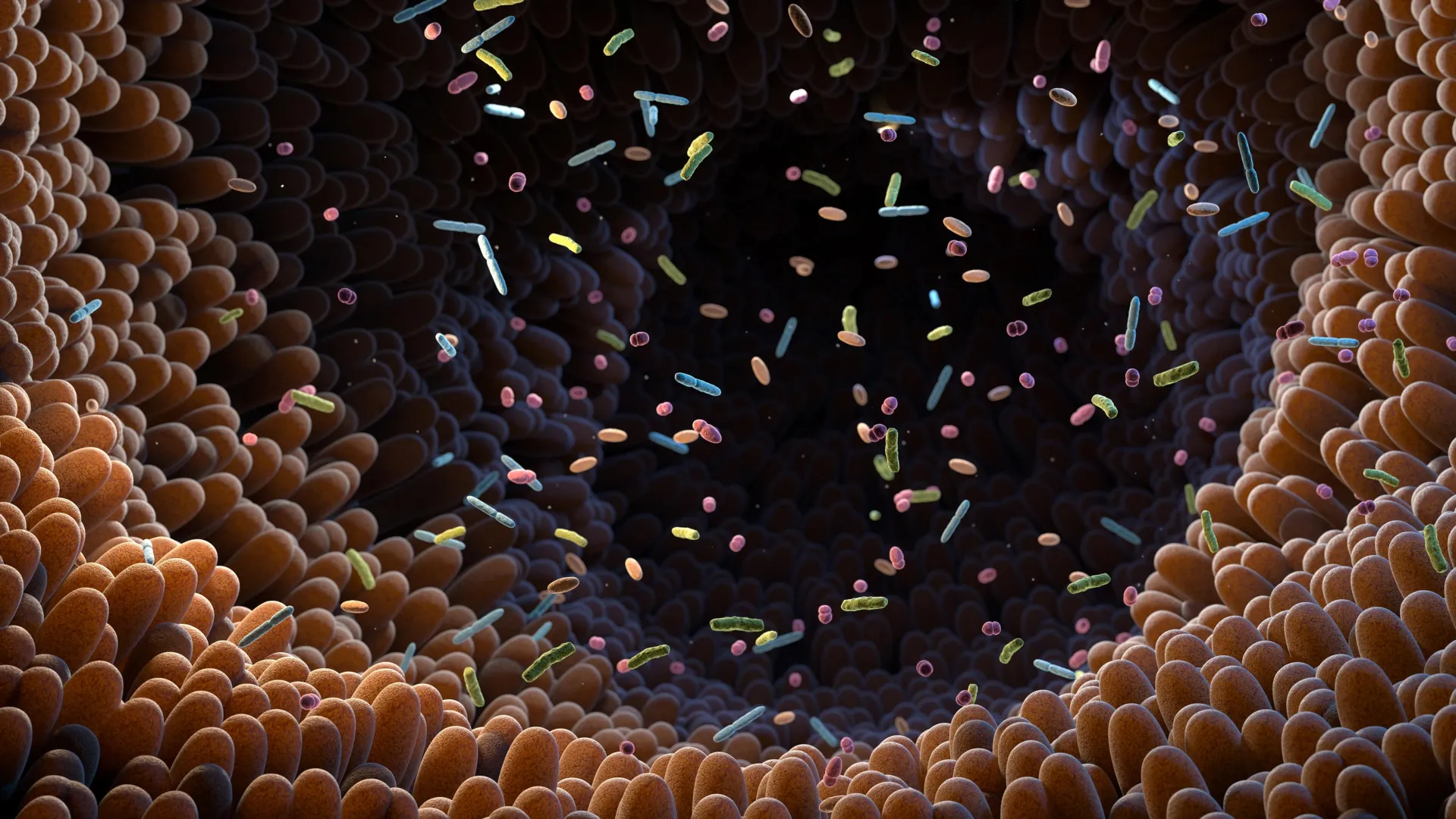
Cardiovascular diseases (CVDs) remain the undisputed leading cause of mortality worldwide, claiming an estimated 17.9 million lives annually according to the World Health Organization (WHO), a figure projected to rise towards 20 million each year. This global health crisis, responsible for approximately 32% of all deaths, encompasses a range of conditions affecting the heart and blood vessels, with coronary artery disease (CAD) being the most prevalent and deadly form. While traditional risk factors such as genetics, age, gender, hypertension, hyperlipidemia, diabetes, smoking, and sedentary lifestyles have been extensively studied and are well-established, a burgeoning field of research is increasingly pointing towards an unexpected, yet profound, influence: the trillions of microorganisms residing within the human gut, collectively known as the gut microbiome. These microscopic residents, previously considered mere passengers, are now understood to be deeply intertwined with human physiology, and their dysregulation appears to play a significant, albeit complex, role in the pathogenesis of coronary artery disease. For years, scientists have observed a correlation between gut microbial imbalances and various systemic diseases, including CVDs, but the precise mechanisms by which these microbes contribute to disease progression have largely remained an enigmatic challenge.
Recent scientific endeavors have begun to peel back the layers of this complexity, suggesting that the gut microbiome may actively promote CAD through a diverse array of biological pathways. These pathways influence critical physiological processes such as systemic inflammation, lipid metabolism, glucose regulation, and arterial stiffness—all factors known to impact the health and integrity of coronary arteries. However, pinpointing the specific bacterial species responsible for these effects, and elucidating the exact molecular cascades through which they contribute to the development and advancement of CAD, has been a formidable task, akin to searching for specific voices in a vast, bustling crowd.
Unraveling the Gut-Heart Axis: A High-Resolution Metagenomic Map
A significant breakthrough in this intricate area of research has emerged from Seoul, where a dedicated team of scientists is systematically working to unravel the mystery surrounding the gut microbiome’s interaction with the cardiovascular system. Publishing their seminal findings in mSystems, a peer-reviewed journal renowned for its focus on microbial systems biology, a research group led by Dr. Han-Na Kim, Ph.D., from the Samsung Advanced Institute for Health Sciences and Technology at Sungkyunkwan University, has provided unprecedented clarity. "We’ve gone beyond merely identifying ‘which bacteria live there’ to uncovering what they actually do in the heart-gut connection," Dr. Kim explained, emphasizing the functional depth of their investigation. This shift from simple identification to functional mapping represents a crucial evolution in microbiome research, moving science closer to actionable insights.
The methodology employed by Dr. Kim’s team was both sophisticated and precise. They undertook a comparative analysis of fecal samples collected from two distinct cohorts: 14 individuals diagnosed with coronary artery disease and a control group comprising 28 healthy participants. To achieve a comprehensive understanding of the microbial communities present, the researchers utilized metagenomic sequencing, a powerful molecular technique that allows for the identification and analysis of all the genetic material (DNA) present within a sample, without the need for prior cultivation of individual microorganisms. This whole-genome shotgun sequencing approach provides a high-resolution snapshot of the entire microbial community, enabling scientists to reconstruct the genetic makeup of individual microbial species and even strains, as well as predict their functional capabilities based on the genes they possess. Through this rigorous analysis, the Seoul-based researchers successfully identified 15 specific bacterial species demonstrably linked to CAD and, more critically, were able to map the intricate biological pathways that connect these particular microbes to the observed severity of the disease. This detailed mapping offers a granular view of the microbial landscape in CAD patients, revealing not just who is present, but what they are metabolically capable of.
Inflammation, Metabolic Imbalance, and Microbial Shifts: The CAD Signature
The core findings of the study paint a vivid picture of a significantly altered gut ecosystem in individuals afflicted with CAD. According to Dr. Kim, "Our high-resolution metagenomic map shows a dramatic functional shift toward inflammation and metabolic imbalance, a loss of protective short-chain fatty acid producers, such as Faecalibacterium prausnitzii, and an overactivation of pathways, such as the urea cycle, linked to disease severity." This statement encapsulates several critical insights.
Firstly, the observation of a "dramatic functional shift" towards inflammation and metabolic imbalance underscores the systemic impact of gut dysbiosis. Chronic low-grade inflammation is a well-recognized driver of atherosclerosis, the hardening and narrowing of arteries that underlies CAD. When the gut microbiome is imbalanced, it can compromise the integrity of the intestinal barrier, leading to a phenomenon known as "leaky gut." This allows bacterial products, such as lipopolysaccharides (LPS), to translocate into the bloodstream, triggering a systemic inflammatory response that directly contributes to endothelial dysfunction and plaque formation in arteries. Metabolic imbalance, similarly, can manifest as altered glucose and lipid metabolism, contributing to conditions like insulin resistance and dyslipidemia, both potent risk factors for CAD.
Secondly, the identified "loss of protective short-chain fatty acid producers" is particularly significant. Short-chain fatty acids (SCFAs), primarily acetate, propionate, and butyrate, are crucial metabolites produced by certain beneficial gut bacteria through the fermentation of dietary fibers. Faecalibacterium prausnitzii, specifically mentioned by Dr. Kim, is one of the most abundant and well-regarded butyrate producers in the healthy gut. Butyrate, in particular, is a primary energy source for colonocytes, helps maintain gut barrier integrity, and exhibits potent anti-inflammatory properties both locally and systemically. A reduction in these SCFA producers, therefore, removes a vital protective shield, leaving the host more vulnerable to inflammation and metabolic dysregulation. This finding aligns with a growing body of evidence suggesting that a depleted population of SCFA-producing bacteria is a hallmark of various chronic inflammatory diseases.
Thirdly, the "overactivation of pathways, such as the urea cycle," linked to disease severity, provides another piece of the puzzle. The urea cycle is primarily involved in detoxifying ammonia in the liver. However, certain gut bacteria can also contribute to ammonia production, which can then be converted to urea. An overactive urea cycle, particularly in the context of gut dysbiosis, might be indicative of altered nitrogen metabolism and the production of uremic toxins. Some uremic toxins have been implicated in cardiovascular damage, contributing to oxidative stress, inflammation, and endothelial dysfunction, further exacerbating CAD progression. The collective findings suggest that the gut ecosystem in people with CAD undergoes profound and multifaceted changes that actively promote inflammation and disrupt normal metabolic processes, thereby providing a compelling explanation for the strong role the gut microbiome plays in cardiovascular disease.
The Dual Nature of Microbes: When "Good" Turns Harmful
Perhaps one of the most surprising and nuanced revelations from the Seoul study is the discovery that bacteria traditionally considered beneficial can, under certain circumstances, become harmful. This finding challenges the simplistic categorization of microbes as solely "good" or "bad" and underscores the context-dependent nature of microbial function. Microbes such as Akkermansia muciniphila and Faecalibacterium prausnitzii, often lauded as "friendly" species due to their roles in maintaining gut health, appear to exhibit a dual nature, acting differently depending on whether they originate from a healthy or a diseased gut environment.
Akkermansia muciniphila, for instance, is well-known for its ability to degrade mucin, the main component of the protective mucus layer lining the gut. While this might sound detrimental, its presence is generally associated with a healthy mucus barrier and improved metabolic health, including better glucose control and reduced inflammation. Similarly, as discussed, F. prausnitzii is a vital butyrate producer. Yet, Dr. Kim’s team observed that even these seemingly protective microbes could contribute to disease progression in the context of CAD. This dual nature, as Kim noted, highlights how the surrounding microbial community, the host’s physiological state, and other environmental factors can transform even traditionally protective microbes into contributors to disease. It suggests that it’s not just the presence or absence of a species, but its metabolic activity and interactions within a specific ecosystem that truly dictate its impact. This discovery opens up a new paradigm in microbiome research, demanding a more granular understanding at the strain level and a comprehensive assessment of the functional state of the entire community.
Adding another layer of complexity, the study also revealed the intricate challenge of linking specific bacteria to disease outcomes. Earlier research, often relying on less precise sequencing methods, had reported that certain species within the family Lachnospiraceae decrease in people with CAD, leading to the assumption that this entire family was beneficial. However, Dr. Kim’s meticulous metagenomic analysis found the opposite for other species within the same Lachnospiraceae family: they actually increased in abundance in CAD patients. "Lachnospiraceae may be the Dr. Jekyll and Mr. Hyde of the gut," Kim aptly remarked, encapsulating the perplexing dichotomy. Some types within this family appear beneficial, contributing to SCFA production, while others may exacerbate disease. This finding dramatically underscores the need for high-resolution, strain-level analysis in microbiome studies, moving beyond broad taxonomic classifications. "The big unanswered question now is which strains are the healers, and which are the troublemakers," Kim concluded, pointing towards the critical next steps for the scientific community.
Towards Precision Microbial Medicine: The Future of Heart Health
The implications of these groundbreaking findings extend far beyond academic curiosity, promising to reshape the landscape of cardiovascular disease prevention and treatment. The Seoul researchers are not content with merely identifying correlations; their long-term vision is to translate these insights into tangible clinical applications. Their immediate plan involves combining the rich microbial data obtained from metagenomic sequencing with genetic and metabolic information from the host. This multi-omics approach will allow them to build a more holistic and mechanistic understanding of how gut microbes influence heart disease at a fundamental biological level, unraveling the complex interplay between host genetics, metabolism, and the microbial ecosystem.
The ultimate goal of this ambitious research trajectory is to develop precision-based treatments that leverage microbial insights to prevent cardiovascular disease before its onset. This represents a paradigm shift from current reactive treatment strategies to proactive, individualized health management. Dr. Kim emphatically stressed that prevention remains the most promising and cost-effective approach to alleviating the devastating global impact of heart disease.
Several potential strategies are envisioned, stemming directly from the enhanced understanding provided by this research:
-
Microbial Diagnostics: The ability to identify specific microbial signatures linked to CAD severity opens the door for novel diagnostic tools. Stool-based diagnostic screening could become a non-invasive, early detection method to identify individuals at high risk for CAD even before clinical symptoms manifest. This would allow for timely interventions, potentially decades before a heart attack or stroke occurs. Such screenings could complement existing risk assessment tools, providing a more comprehensive and personalized risk profile.
-
Targeted Microbial Therapies: With a precise understanding of which specific bacteria and pathways are detrimental or beneficial, future therapies can move beyond broad-spectrum approaches.
- Next-Generation Probiotics: Instead of general probiotic supplements, highly targeted "designer" probiotics containing specific beneficial strains (e.g., specific F. prausnitzii strains) could be developed to restore protective functions or inhibit harmful microbial activities.
- Prebiotics: Specific dietary fibers or non-digestible compounds could be formulated to selectively nourish and promote the growth of desired beneficial bacteria, thereby altering the gut ecosystem towards a healthier state.
- Fecal Microbiota Transplantation (FMT): While currently used for conditions like Clostridioides difficile infection, the principles of FMT could be refined. Future iterations might involve "precision FMT" using highly characterized microbial consortia tailored to correct specific dysbiotic patterns linked to CAD.
- Postbiotics: The use of beneficial microbial metabolites (like specific SCFAs) or inactivated microbial cells could offer therapeutic benefits without introducing live bacteria.
-
Personalized Dietary Interventions: Diet is a primary modulator of the gut microbiome. The research suggests that individualized dietary plans, based on an individual’s unique gut microbial profile, could be designed to:
- Restore beneficial bacteria that produce protective compounds like SCFAs.
- Inhibit the growth or metabolic activity of harmful species.
- Reduce the production of pro-inflammatory metabolites or uremic toxins.
This could involve recommendations for specific types of dietary fiber, fermented foods, or even avoiding certain foods that fuel detrimental microbial pathways in susceptible individuals.
-
Novel Drug Development: The identification of specific microbial pathways, such as the urea cycle overactivation, offers new targets for pharmacological interventions. Drugs could be developed to modulate microbial metabolism or block the production of specific pro-atherogenic microbial metabolites, thereby offering a novel class of therapeutic agents for CAD.
A New Era for Cardiovascular Health
The journey from initial correlation to mechanistic understanding, and ultimately to clinical application, is long and arduous. Future research will undoubtedly require larger cohort studies to validate these findings across diverse populations, longitudinal studies to firmly establish causality between microbial shifts and disease progression, and a deeper exploration into the host-microbe interactions at a molecular level. The integration of multi-omics data, encompassing genomics, transcriptomics, proteomics, and metabolomics from both host and microbiome, will be crucial for building a truly comprehensive picture.
Nevertheless, the work by Dr. Kim’s team in Seoul represents a monumental step forward. By meticulously uncovering the specific bacterial species and biological mechanisms involved in the gut-heart axis, scientists are moving closer to harnessing the immense potential of the gut microbiome as a powerful, precision tool for maintaining heart health. This new era of microbial medicine promises to transform cardiovascular disease management from a reactive, symptom-focused approach to a proactive, preventive strategy, offering hope for a future where the global burden of heart disease is significantly diminished. The scientific community is now poised to embark on an exciting journey, deciphering the full "Dr. Jekyll and Mr. Hyde" story of our gut inhabitants, ultimately aiming to empower individuals with personalized strategies to cultivate a heart-healthy microbiome from within.
