
 By Hendra Lukman
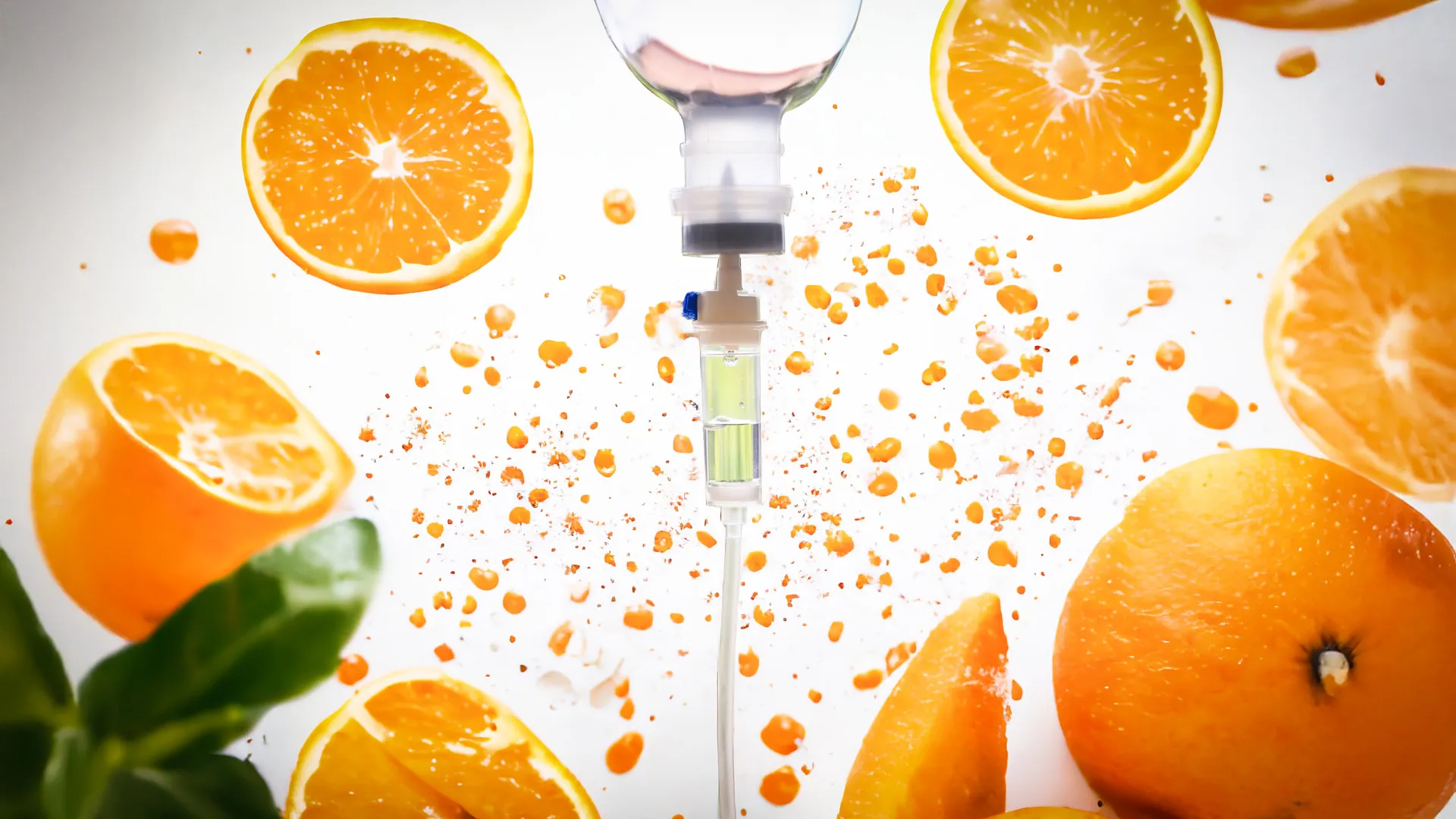
Half a century after Linus Pauling, a titan of 20th-century science, ignited a fervent debate with his assertion that high-dose vitamin C could combat cancer, modern research is cautiously revisiting his claims. While Pauling’s initial pronouncements were met with widespread skepticism and ultimately challenged by early clinical trials, a more nuanced understanding is emerging. It appears that under specific conditions, vitamin C can indeed exhibit properties far removed from its conventional role as a dietary supplement, behaving more akin to a potent therapeutic agent. This evolution in scientific understanding underscores the complex trajectory of scientific discovery, where initial bold hypotheses, even if imperfectly articulated or prematurely championed, can sometimes lay the groundwork for future breakthroughs.
The genesis of Pauling’s controversial advocacy can be traced to the 1970s. A two-time Nobel laureate, renowned for his groundbreaking work on chemical bonding and the structure of proteins, Pauling turned his formidable intellect to nutritional science. He collaborated with Dr. Ewan Cameron, a Scottish physician, to investigate the potential of vitamin C, or ascorbic acid, in treating advanced, incurable cancers. Their approach involved administering extremely high doses of vitamin C, initially via intravenous infusion and subsequently through oral tablets, to patients who had exhausted conventional treatment options.
Pauling and Cameron reported striking results, suggesting that patients receiving vitamin C experienced prolonged survival and improved quality of life compared to a control group. Their publications, notably in the journal Nature in 1976 and The Lancet in 1978, detailed instances where vitamin C-treated patients reportedly lived several times longer than their counterparts. These claims generated considerable excitement within certain patient communities and among some medical professionals, but they also sparked intense debate within the broader oncological establishment.
The scientific community’s response was swift and, for the most part, dismissive. The perceived dramatic claims from a scientist of Pauling’s caliber, operating outside his primary field of expertise, were viewed with suspicion. This led to the initiation of large-scale, placebo-controlled trials designed to rigorously test Pauling and Cameron’s assertions. The most prominent of these were conducted by the prestigious Mayo Clinic in Rochester, Minnesota. These trials, published in the New England Journal of Medicine in 1979 and 1985, involved administering vitamin C in tablet form to cancer patients.
The findings of the Mayo Clinic trials were unequivocal: they found no statistically significant difference in survival rates between patients receiving vitamin C and those receiving a placebo. For the majority of oncologists and the wider medical community, these results effectively closed the book on Pauling’s vitamin C hypothesis. Ascorbic acid was relegated to the category of unproven "alternative" therapies, and Pauling’s late-career crusade was widely characterized as an unfortunate misapplication of his genius, a classic example of the "halo effect"—where brilliance in one domain does not guarantee wisdom in another. Pauling himself would later succumb to prostate cancer in 1994 at the age of 93, a fact often cited as poignant evidence against his claims.
However, the narrative of the Pauling vitamin C saga is proving to be more intricate than a simple tale of scientific overreach. A critical oversight in the initial dismissal of Pauling’s work, which has become increasingly apparent with subsequent research, lies in the fundamental difference between the administration methods employed. Pauling and Cameron utilized intravenous infusions, delivering high concentrations of vitamin C directly into the bloodstream. In contrast, the Mayo Clinic trials relied solely on oral supplementation. This distinction is crucial because the human gastrointestinal tract has a limited capacity for absorbing vitamin C. Beyond a certain moderate daily dose, typically around 200 mg, the body’s absorption efficiency plummets, and excess vitamin C is largely excreted. Consequently, even megadoses taken orally will only achieve a modest saturation level in the blood.
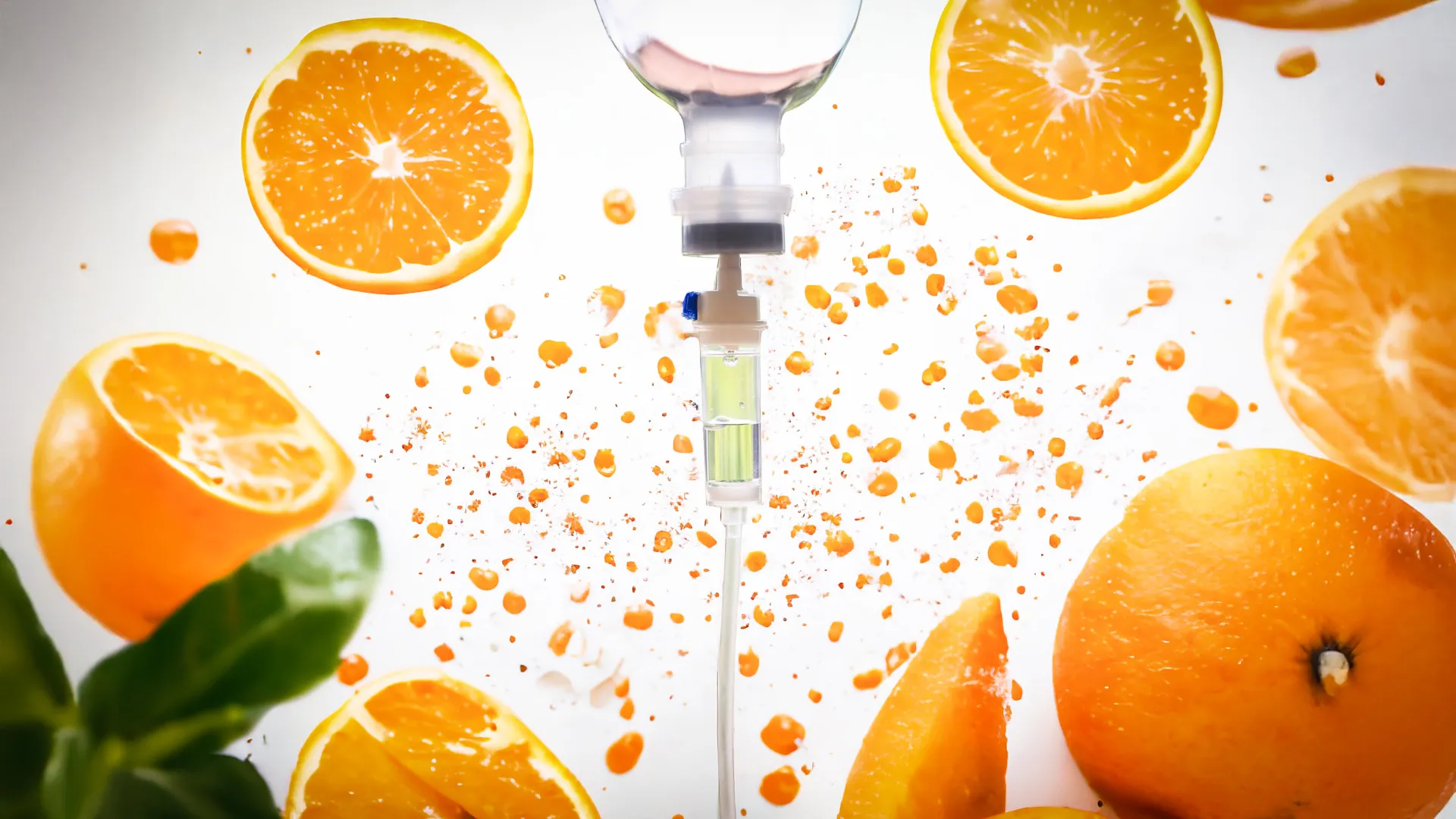
Intravenous administration, however, bypasses the digestive system’s limitations, allowing for the achievement of blood concentrations that are orders of magnitude higher than those attainable through oral intake. Research has since demonstrated that at these supraphysiological levels, vitamin C undergoes a remarkable transformation in its biological behavior. While at normal dietary concentrations, vitamin C functions as a potent antioxidant, neutralizing harmful free radicals and protecting cells from oxidative damage, its role shifts dramatically at very high doses.
The Pro-oxidant Paradox: Vitamin C as a Weapon Against Cancer Cells
At extremely high concentrations, particularly in the vicinity of tumors, vitamin C can transition from an antioxidant to a pro-oxidant. This means it can actively generate reactive oxygen species (ROS), such as hydrogen peroxide. This shift in behavior is particularly significant in the context of cancer. Cancer cells are inherently characterized by rapid proliferation and often exist in microenvironments with compromised blood supply, leading to a state of chronic oxidative stress. Their internal defense mechanisms for neutralizing ROS are frequently overwhelmed due to their aggressive growth and metabolic demands.
When exposed to a sudden surge of hydrogen peroxide, generated by high-dose intravenous vitamin C, these already stressed cancer cells are pushed beyond their survival threshold. The increased ROS load damages their DNA, impairs their energy-producing mitochondria, and ultimately triggers programmed cell death, or apoptosis. Crucially, normal, healthy cells, which are typically under less oxidative stress and possess more robust antioxidant defenses, are far more resilient to these effects and are more likely to survive.
This mechanism suggests that high-dose intravenous vitamin C can act as a selective cytotoxic agent, functioning less like a benign dietary supplement and more like a potent, albeit unconventional, chemotherapeutic drug. The critical caveat, however, is that these therapeutic effects are contingent upon achieving the supra-physiological blood levels that can only be attained through intravenous administration. Oral vitamin C, regardless of dosage, simply cannot reach these therapeutic concentrations.
The Evolving Landscape of Clinical Evidence
Decades after the initial controversy, clinical research is beginning to provide a more nuanced perspective, albeit with a cautious tone. Early-stage trials focusing on intravenous vitamin C in patients with difficult-to-treat cancers such as ovarian, pancreatic, and brain tumors have yielded mixed but intriguing results. Many patients have been able to tolerate high doses of intravenous vitamin C several times a week with manageable side effects. However, it is imperative to note that this is not a risk-free intervention. Potential complications can arise, particularly in individuals with pre-existing kidney dysfunction or rare inherited metabolic disorders, underscoring the need for medical supervision.
Some studies have indicated a potential benefit when high-dose vitamin C infusions are administered alongside conventional chemotherapy. These benefits have been observed in terms of modest improvements in survival or mitigation of chemotherapy-induced side effects. Conversely, other trials have failed to demonstrate a clear survival advantage. The current body of evidence is largely derived from small, heterogeneous studies, making it challenging to draw definitive conclusions.
A more consistent finding across several studies relates to the impact of vitamin C infusions on patients’ quality of life. Patients receiving vitamin C alongside chemotherapy frequently report a reduction in fatigue, alleviation of pain, and amelioration of common side effects like nausea. For individuals grappling with advanced cancer, these improvements in daily well-being can be profoundly significant, even if they do not represent the sweeping cure Pauling once envisioned.
Beyond its direct cytotoxic effects, laboratory research is also hinting at more subtle ways vitamin C might influence cancer biology. It plays a role in epigenetic modifications—the chemical "marks" on DNA that regulate gene expression without altering the underlying DNA sequence. These epigenetic changes are known to be crucial in cancer development and progression. Furthermore, vitamin C is involved in cellular responses to low oxygen levels (hypoxia), a common feature of tumor microenvironments that often promotes aggressive cancer behavior.
Some experimental findings suggest that elevated vitamin C levels can indeed inhibit cancer cell growth and enhance their susceptibility to other treatments. There are even preliminary hypotheses, yet to be definitively proven, that vitamin C might bolster the immune system’s ability to recognize and attack tumor cells.
A Nuanced Vindication?
So, was Linus Pauling right after all? The most equitable assessment is that he was partly correct, though his understanding of the underlying mechanisms and the extent of the potential benefits was incomplete. He was certainly incorrect in his broad promotion of vitamin C tablets as a universal cure for cancer. The rigorous clinical trials have consistently failed to demonstrate that oral high-dose vitamin C offers a survival advantage for patients with established cancer. His claims of near-universal efficacy for a wide range of illnesses were also an overstatement.
However, Pauling was not entirely wrong in sensing that vitamin C might hold a special, distinct role in cancer therapy. He intuitively grasped, long before the scientific community could definitively prove it, that extremely high doses administered intravenously could exert biological effects vastly different from those of standard dietary supplements. Modern research has corroborated this intuition, confirming that intravenous vitamin C achieves significantly higher blood concentrations and elicits distinct biological responses.
What remains absent are large-scale, definitive randomized controlled trials that conclusively demonstrate that high-dose intravenous vitamin C demonstrably prolongs life for the majority of cancer patients. Until such robust evidence emerges, its use must be considered experimental. While promising enough to warrant continued investigation, it is not yet proven enough to displace established, evidence-based therapies. Consequently, any application of high-dose vitamin C in cancer treatment should be confined to the structured environment of clinical trials or carefully supervised medical settings, rather than being offered as an unregulated "immune boost" or wellness treatment.
The ongoing exploration of vitamins and their potential roles in cancer treatment is a dynamic field. The story of Linus Pauling and vitamin C serves as a potent reminder that scientific progress is rarely linear. A bold hypothesis, followed by initial flawed or incomplete studies, a strong backlash, and then, years later, a more measured and rigorous re-examination of the original question—this is a familiar pattern in scientific evolution.
Linus Pauling may never be fully vindicated in the way he once envisioned. However, he was not simply mistaken. In his passionate pursuit, he may have glimpsed a fundamental truth about the complex interplay between high-dose vitamin C and cancer, a truth that science is only now beginning to fully comprehend and articulate. The scientific journey from his initial bold claims to today’s more cautious but promising research highlights the enduring power of persistent inquiry and the often-unexpected pathways to discovery.
