
 By Gabriel Paijo
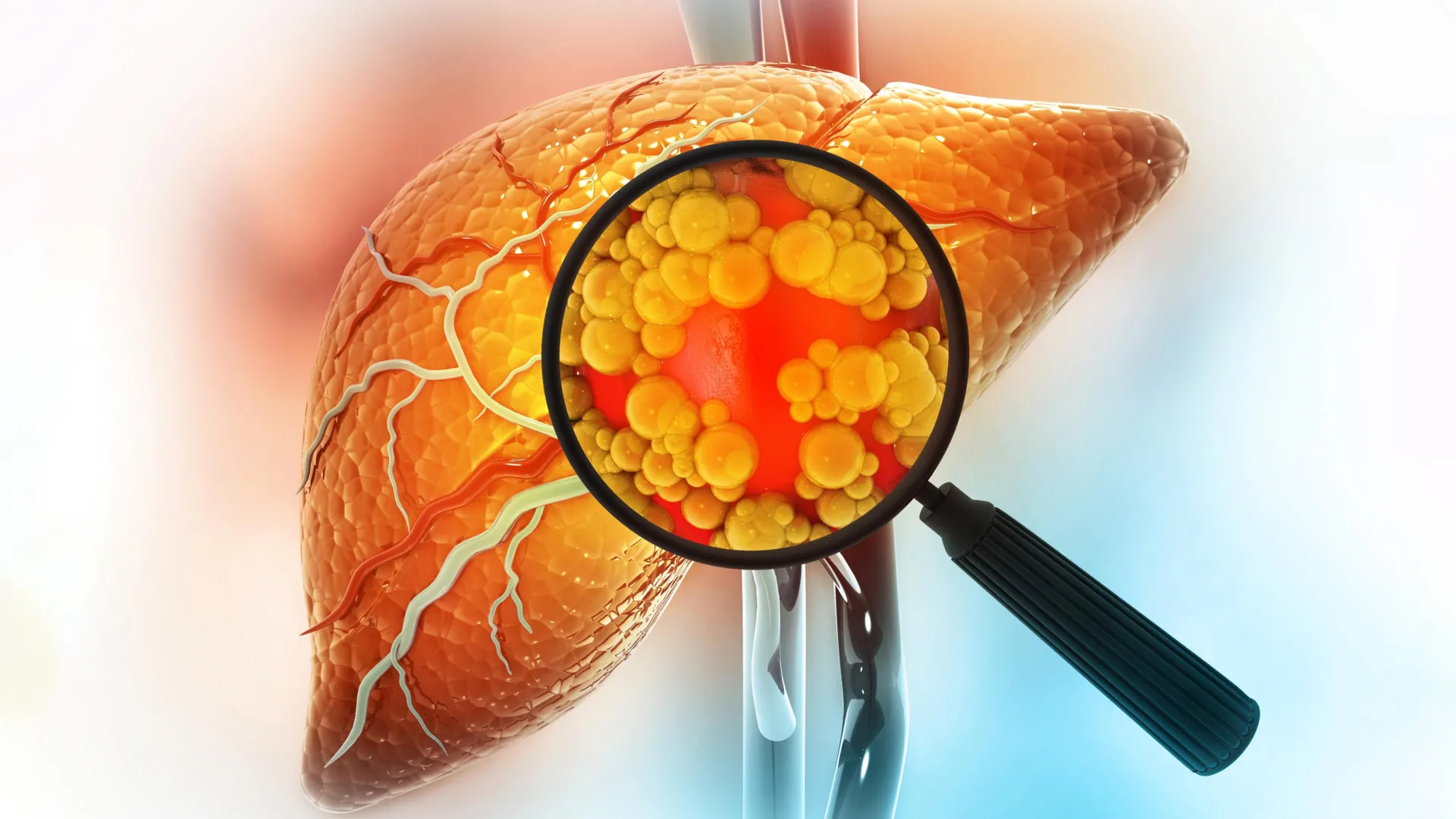
Metabolic dysfunction-associated steatotic liver disease (MASLD), formerly known as non-alcoholic fatty liver disease (NAFLD), has emerged as one of the most pressing public health challenges of the 21st century, currently affecting an estimated 40% of the adult male population worldwide. While the condition was historically linked primarily to overnutrition and sedentary lifestyles, a groundbreaking study from the Graduate School of Agriculture at Osaka Metropolitan University has identified a complex, synergistic relationship between hormonal deficiency, dietary habits, and the internal ecosystem of the human gut. The research, led by graduate student Hiroki Takahashi and Associate Professor Naoki Harada, suggests that the combination of low testosterone levels and high fructose consumption creates a metabolic "perfect storm" that significantly accelerates the accumulation of liver fat through a previously misunderstood mechanism involving gut bacteria and pyruvate production.
The Rising Global Prevalence of MASLD
MASLD is characterized by the accumulation of excess fat in the liver—a state known as steatosis—in individuals who consume little to no alcohol. If left unmanaged, this condition can progress to metabolic dysfunction-associated steatohepatitis (MASH), characterized by liver inflammation and cell damage, which can further lead to cirrhosis, liver failure, or hepatocellular carcinoma. The global rise in MASLD mirrors the dual epidemics of obesity and type 2 diabetes, but the specific vulnerability of men has long puzzled clinicians.
Statistics indicate that men are significantly more likely to develop MASLD than premenopausal women, pointing toward a protective role of estrogen or a complicating role of male sex hormones. However, as men age, their testosterone levels naturally decline—a condition known as late-onset hypogonadism. This hormonal shift often coincides with the development of metabolic syndrome, characterized by increased visceral fat and insulin resistance. The Osaka Metropolitan University study sought to determine whether this decline in testosterone acts as a primary driver of liver disease when paired with modern dietary stressors, specifically the high intake of refined sugars.
Experimental Framework and Methodology
To isolate the variables contributing to liver dysfunction, the research team utilized eight-week-old male mice, which serve as a reliable biological model for mammalian metabolic processes. The study was designed to observe the interactions between three primary factors: androgen levels, dietary fructose, and the gut microbiome. The mice were meticulously categorized into six distinct experimental groups to provide a comprehensive comparative analysis:
- Sham/Control: Mice with normal testosterone levels on a standard diet.
- Sham/Fructose: Mice with normal testosterone levels consuming high amounts of fructose.
- Sham/Fructose + Antibiotics: Mice with normal testosterone levels on a high-fructose diet, treated with antibiotics to deplete gut microbiota.
- Castration/Control: Mice with surgically induced low testosterone levels on a standard diet.
- Castration/Fructose: Mice with low testosterone levels on a high-fructose diet.
- Castration/Fructose + Antibiotics: Mice with low testosterone levels on a high-fructose diet, treated with antibiotics.
Over the course of the study, the researchers conducted a multi-omic analysis, examining liver tissue morphology, blood plasma chemistry, organic acid profiles in the cecum (the beginning of the large intestine), and the genetic sequencing of gut bacterial populations. This holistic approach allowed the team to track not just the symptoms of liver disease, but the biochemical pathways through which it develops.
The Synergistic Impact of Hormones and Diet
The study’s most striking finding was the non-linear relationship between low testosterone and fructose. When examined as independent variables, both low testosterone (the castration group) and high fructose intake produced only mild increases in liver triglyceride levels. In these isolated cases, the liver was able to manage the metabolic load without progressing to severe steatosis.
However, when the two factors were combined in the "Castration/Fructose" group, the results were transformative. These mice exhibited significantly heavier livers and a dramatic spike in fat accumulation that far exceeded the additive effects of the two conditions. This suggested a synergistic interaction where the presence of low testosterone fundamentally changed how the body processed fructose, making the liver far more susceptible to damage.
Interestingly, the researchers observed that when the "Castration/Fructose" mice were given antibiotics to clear their gut bacteria, the severity of the liver fat accumulation was notably reduced. This observation provided the "smoking gun" for the research team, indicating that the gut microbiome was a necessary mediator in the progression of the disease.
Identifying the Pyruvate-Fructose Mechanism
By analyzing the contents of the cecum, the researchers identified a significant shift in the metabolic byproduct profile of the gut. In mice suffering from both low testosterone and high fructose intake, there was a marked elevation in pyruvate levels within the intestine. Pyruvate is a key intermediate in cellular metabolism, typically serving as a bridge between anaerobic and aerobic energy production.
To verify the role of pyruvate, the team conducted follow-up experiments using primary hepatocytes (liver cells) isolated from the mice. These laboratory tests confirmed that while fructose alone promotes some lipid storage, the presence of pyruvate acts as a catalyst. When hepatocytes were exposed to both substances simultaneously, they produced neutral lipids at an accelerated rate.
"Upon examining this mechanism, we found that changes in the gut microbiota led to increased levels of pyruvate within the intestine," explained Hiroki Takahashi. "Furthermore, experiments revealed that pyruvate acts synergistically with fructose to promote neutral lipid accumulation in hepatocytes."
This discovery shifts the understanding of MASLD from a purely dietary or purely hormonal issue to a complex "inter-organ" communication problem. The lack of testosterone appears to alter the gut environment, favoring bacteria that produce excess pyruvate. This pyruvate then travels to the liver, where it compounds the lipogenic (fat-creating) effects of fructose.
The Role of the Gut-Liver Axis
The study underscores the critical importance of the gut-liver axis in metabolic health. The gut microbiome is increasingly recognized as a "forgotten organ" that influences everything from immune function to mental health. In the context of MASLD, the microbiome acts as a processing plant that can either neutralize or exacerbate the effects of a poor diet.
The research indicated that low testosterone levels lead to a "dysbiosis"—an imbalance in gut bacteria. While the specific strains of bacteria involved are still being categorized, the functional result is clear: an overproduction of organic acids like pyruvate. In a healthy male with adequate testosterone, the gut microbiome appears more resilient to the metabolic disruptions caused by fructose. However, once that hormonal floor is removed, the microbiome becomes a source of metabolic precursors that overwhelm the liver’s processing capacity.
Implications for Clinical Practice and Public Health
The findings published in the American Journal of Physiology-Endocrinology and Metabolism have profound implications for how MASLD is diagnosed and treated in men. Currently, many clinicians treat liver disease and hormonal imbalances as separate issues. This research suggests that for a significant portion of the male population, these conditions are inextricably linked.
1. Targeted Screening
Men diagnosed with low testosterone (hypogonadism) should arguably be screened more aggressively for MASLD, even if they do not present with traditional risk factors like high BMI. Conversely, men with unexplained fatty liver disease should have their testosterone levels checked to see if hormonal replacement therapy (TRT) might be a necessary component of their treatment plan.
2. Dietary Interventions
The study reinforces the danger of high-fructose corn syrup and processed sugars, which are ubiquitous in modern diets. For men with low testosterone, the "safe" threshold for fructose consumption may be significantly lower than for the general population. Public health initiatives targeting sugary beverage consumption may be particularly vital for aging male demographics.
3. Pharmaceutical Innovation
By identifying pyruvate as a key synergistic agent, the study opens the door for new pharmacological targets. Drugs that inhibit the transport of pyruvate from the gut to the liver or that modulate the gut bacteria responsible for pyruvate production could offer a new frontier in MASLD treatment. "We hope to clarify the mechanism by which pyruvate promotes triglyceride accumulation to pioneer the development of therapeutic drugs," noted Associate Professor Naoki Harada.
Chronology of Research and Future Directions
The transition from NAFLD to the MASLD nomenclature in 2023 marked a shift in the scientific community toward acknowledging the metabolic roots of liver disease. This study represents one of the first major breakthroughs under this new framework to specifically map the interaction between sex hormones and the microbiome.
The timeline for future research is expected to move toward human clinical trials. While the mouse model provides a clear biochemical pathway, human metabolism is influenced by a wider array of genetic and environmental factors. The next phase of research will likely involve:
- Human Microbiome Mapping: Identifying if men with MASLD and low testosterone harbor the same pyruvate-producing bacteria found in the mice.
- Longitudinal Studies: Tracking testosterone levels and liver fat in aging men over several years to confirm the synergistic progression.
- Probiotic Development: Investigating whether specific probiotic strains can counteract the effects of low testosterone by reducing intestinal pyruvate levels.
Conclusion
The research from Osaka Metropolitan University provides a vital piece of the puzzle in the fight against the global liver disease epidemic. By demonstrating that the combination of low testosterone and high fructose is more dangerous than the sum of its parts, the study highlights the necessity of a holistic approach to metabolic health. As the medical community moves toward personalized medicine, the interplay between the endocrine system, the diet, and the microbiome will likely become the cornerstone of effective prevention and treatment strategies for MASLD. For the 40% of men globally at risk, these findings offer a roadmap for better diagnostics and the hope of more effective, targeted therapies in the near future.
