
 By admin
The landscape of pediatric oncology is undergoing a transformative shift as CureSearch for Children’s Cancer intensifies its efforts to bridge the precarious "funding gap" that often halts life-saving research before it can reach clinical application. By identifying high-potential scientific discoveries and providing the necessary capitalization to move them from the laboratory to the bedside, the organization is addressing a systemic failure in the medical development pipeline. This strategic intervention is designed to ensure that promising treatments do not languish in early-stage development due to a lack of resources, but instead progress toward the children who face life-threatening diagnoses every day.
Historically, the trajectory of cancer research funding has been bifurcated. Early-stage discovery is largely supported by federal grants, such as those from the National Cancer Institute (NCI), while late-stage development and commercialization are typically the domain of large pharmaceutical corporations. However, a significant chasm exists between these two phases—often referred to in the scientific community as the "Valley of Death." It is in this middle stage that pediatric-specific research is most likely to stall because the relatively small market size of childhood cancers offers less financial incentive for private industry compared to adult oncology. CureSearch has positioned itself as the primary architect for bridging this gap, ensuring that the most innovative science receives the momentum required to enter clinical trials.

The Strategic Funding Model: Closing the Gap
CureSearch’s funding strategy is a multi-tiered approach that prioritizes "The Gap," the critical juncture where laboratory success must be translated into human safety and efficacy trials. According to data from the organization, while federal funding supports the initial spark of an idea, it often falls short of the millions of dollars required for the rigorous regulatory and manufacturing hurdles of the mid-stage. Conversely, pharmaceutical companies often wait for "de-risked" projects that have already shown preliminary success in humans.
By injecting capital into this specific phase, CureSearch serves as a catalyst. This funding model not only supports the immediate research but also creates a more attractive profile for future pharmaceutical investment. When a project successfully navigates the gap, it reaches a stage where it can finally be integrated into the broader healthcare system, leading to the ultimate goal: treatments reaching children in clinical settings. The organization’s 2026 initiatives highlight this focus, emphasizing that the speed of discovery is just as vital as the discovery itself.
Advancing Innovation: The 2026 Catapult Award
A cornerstone of the 2026 research cycle is the announcement of Dr. Robbie Majzner as the recipient of the CureSearch Catapult Award. The Catapult Award is a prestigious grant designed specifically for projects that have a clear path to the clinic within a three-year timeframe. Dr. Majzner, a renowned figure in pediatric immunotherapy, represents the vanguard of modern oncology. His work focuses on harnessing the body’s immune system to target and destroy cancer cells while minimizing the devastating side effects often associated with traditional chemotherapy and radiation.

The selection of Dr. Majzner underscores a broader trend in pediatric research toward precision medicine. Traditional treatments for childhood cancer were often adapted from adult protocols, which can be overly toxic for developing bodies, leading to lifelong chronic health issues for survivors. The research funded by the 2026 Catapult Award aims to refine targeted therapies that recognize specific markers on pediatric tumor cells. This level of specificity is essential for improving survival rates for the most aggressive forms of the disease, such as neuroblastoma and osteosarcoma, which have historically seen slower progress in treatment outcomes.
Survivor Perspectives: The Human Impact of Research Funding
The efficacy of CureSearch’s mission is best reflected in the lives of the survivors who have benefited from past research breakthroughs. Wendy Manganaro, a childhood cancer survivor and a member of the CureSearch Tri-State Community Leadership Board, serves as a testament to the long-term value of research investment. Manganaro’s advocacy is rooted in the reality that her survival was made possible by research funded years—sometimes decades—before its clinical success was guaranteed.
"I lived because someone funded the research that saved me before anyone knew it would work," Manganaro stated during a recent board assembly. Her perspective highlights the "pay-it-forward" nature of medical philanthropy. The investment made in science today is the survival story of a patient ten years from now.
Similarly, the story of Caden Shrauger illustrates the resilience of the survivor community and the ongoing need for safer treatments. Diagnosed with Stage IV neuroblastoma at the age of three, Shrauger faced a diagnosis that carries a daunting prognosis. Through advanced protocols and rigorous treatment, he survived and has transitioned into adulthood. In 2026, Shrauger demonstrated the power of community mobilization by raising more than $50,000 through the CureSearch Ultimate Hike. His efforts are specifically directed toward funding research that will lead to treatments with fewer long-term toxicities, ensuring that future survivors can enjoy a higher quality of life beyond their initial recovery.
The Statistical Reality of Pediatric Oncology
Despite significant advancements, the statistics surrounding childhood cancer remain a sobering call to action. Cancer remains the leading cause of death by disease for children in the United States. Every year, an estimated 15,000 children and adolescents are diagnosed with cancer. While overall survival rates have improved to approximately 80%, this figure is misleading when applied to specific, high-risk subtypes where survival rates remain below 50%.
Furthermore, the "cure" is often accompanied by a heavy price. Data indicates that by the age of 50, more than 99% of childhood cancer survivors will have a chronic health problem, and 96% will have a severe or life-threatening condition caused by the toxicity of their original treatment. This reality is what drives CureSearch to focus not just on survival, but on the development of "safer" treatments. The goal is to move away from the "scorched earth" approach of traditional oncology and toward biological therapies that protect the child’s long-term health.
Community Mobilization and the Ultimate Hike
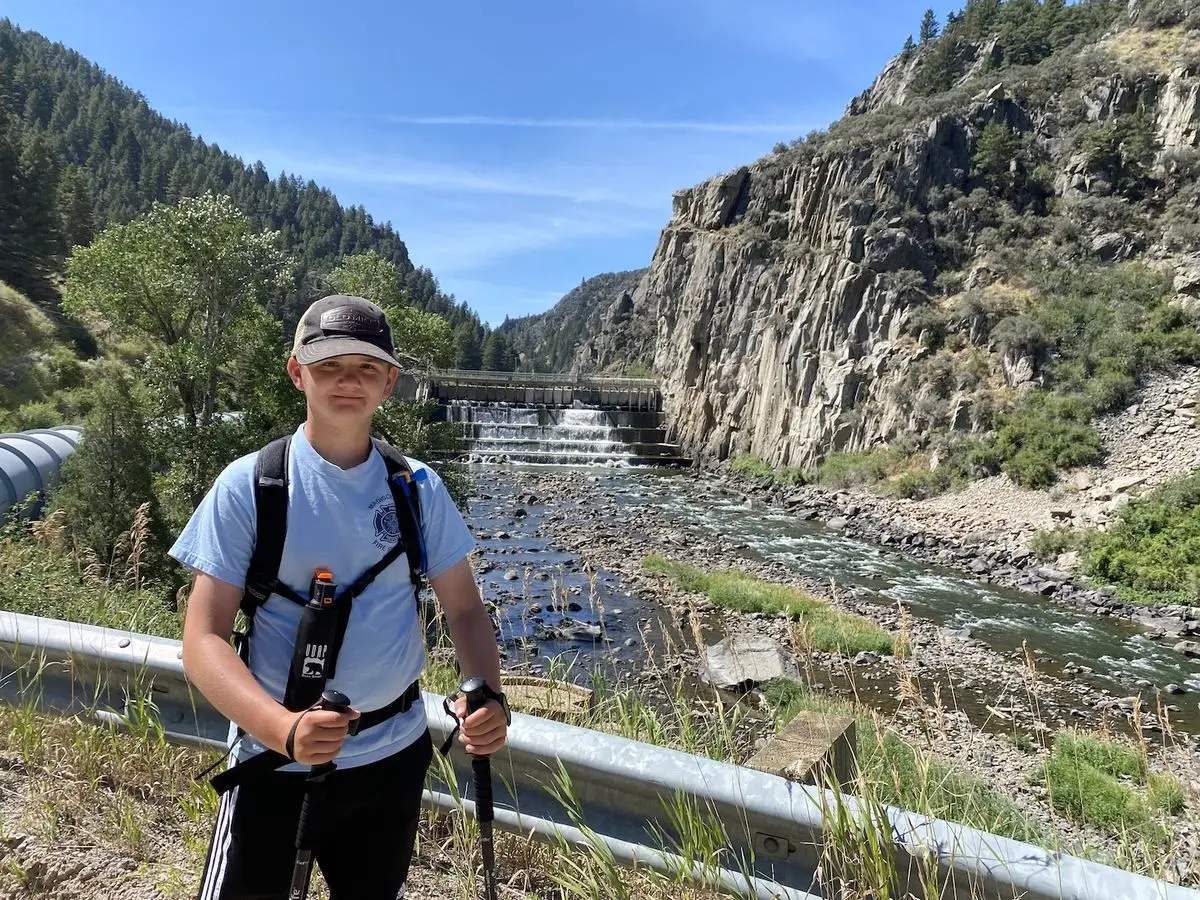
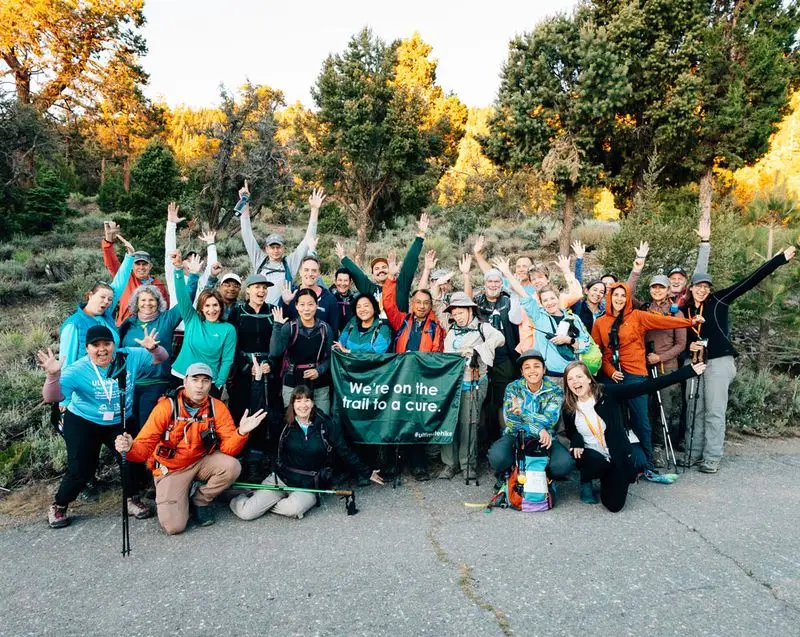
To sustain its aggressive funding schedule, CureSearch relies on a unique model of community engagement and peer-to-peer fundraising. The "Ultimate Hike" has emerged as a flagship event, challenging participants to complete high-endurance treks—such as the 2026 hike through the California Coastal Redwoods—while raising funds for research.
These events serve a dual purpose: they provide significant financial resources and raise public awareness about the funding disparities in pediatric oncology. Unlike many national charities that focus on general awareness, CureSearch’s events are tied directly to specific research milestones. Participants are often families of survivors, medical professionals, or individuals like Shrauger who have a personal stake in the mission. By connecting physical endurance with the endurance required by children undergoing treatment, the organization fosters a deep sense of solidarity and purpose.
Analysis of the Pediatric Research Landscape
The broader implications of CureSearch’s work extend into the regulatory and legislative spheres. For years, advocates have pointed out that only about 4% of the National Cancer Institute’s federal budget is allocated to pediatric cancer research. This disparity has forced non-profit organizations to take a more dominant role in the research and development (R&D) ecosystem.
CureSearch’s role as a "de-risker" for the pharmaceutical industry is a pragmatic response to this economic reality. By funding the transition from Phase I to Phase II clinical trials, CureSearch provides the proof-of-concept data that large biotech firms require before committing their own resources. This strategy has proven effective in moving orphan drugs—treatments for rare diseases—through the FDA approval process more efficiently.
Moreover, the organization’s focus on international collaboration ensures that the best minds are working together, regardless of geography. The 2026 funding cycle includes partnerships with academic institutions across the country, creating a network of excellence that shares data and accelerates the pace of discovery.
The Path Forward: 2026 and Beyond
As CureSearch continues its 2026 campaign, the focus remains steadfast on the "Search to End Childhood Cancer." The organization’s leadership emphasizes that the current era of genomic sequencing and immunotherapy offers unprecedented opportunities for breakthroughs. However, these opportunities can only be realized if the funding infrastructure remains robust.
The upcoming year will see the launch of several new clinical trials directly resulting from previous "Gap" funding. These trials will test new molecules and cellular therapies in pediatric populations, offering hope to families who have exhausted standard-of-care options. For patients like Caden Shrauger and advocates like Wendy Manganaro, these advancements represent more than just scientific progress; they represent the promise of a future where a cancer diagnosis is no longer a life-altering trauma, but a manageable hurdle on the way to a long and healthy life.
CureSearch’s invitation to "Join the Search" is a call to recognize that the solution to childhood cancer lies in the strategic application of resources. By targeting the most vulnerable point in the research pipeline, the organization is not only funding science; it is engineering a future where every child has the opportunity to grow up, hike a trail, and live a life beyond the shadow of cancer. Through the continued support of donors, the dedication of researchers like Dr. Majzner, and the resilience of survivors, the gap between discovery and cure continues to narrow.
