
 By admin
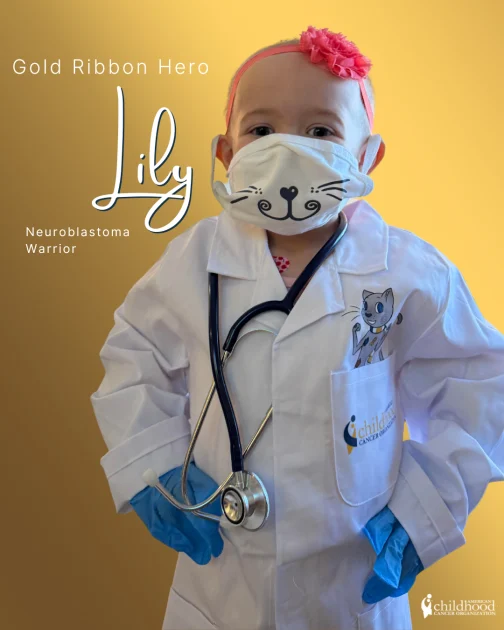
The medical journey of two-year-old Lily, a patient twice diagnosed with neuroblastoma, underscores the profound complexities and aggressive nature of one of the most common extracranial solid tumors found in early childhood. Lily’s case, marked by an initial abdominal diagnosis followed by a challenging central nervous system (CNS) relapse, highlights both the advancements in pediatric oncology and the persistent hurdles in achieving long-term remission for high-risk patients. At just 18 months old, Lily’s path into the healthcare system began not with a definitive oncological marker, but with symptomatic presentations common to routine pediatric ailments, specifically abdominal pain and suspected constipation. This diagnostic ambiguity is a frequent challenge in pediatric oncology, as early-stage symptoms of neuroblastoma often mimic benign gastrointestinal or developmental issues. However, when standard interventions for constipation failed to alleviate her discomfort, emergency imaging revealed a large mass in her abdomen, fundamentally altering her prognosis and initiating a high-intensity treatment protocol.
Clinical Overview and Initial Presentation
Neuroblastoma is a cancer that develops from immature nerve cells found in several areas of the body, most commonly arising in and around the adrenal glands, which have similar origins to nerve cells. In Lily’s case, the discovery of a large abdominal mass necessitated an immediate and multi-modal therapeutic approach. For high-risk neuroblastoma patients, the standard of care is notoriously rigorous, involving a three-phase strategy: induction, consolidation, and maintenance.
Lily’s induction phase began shortly after her diagnosis at 18 months. This phase typically involves high-dose chemotherapy designed to shrink the primary tumor and eliminate any circulating cancer cells. Following the reduction of the tumor mass, surgical intervention is employed to resect as much of the primary growth as possible. For Lily, this was followed by the consolidation phase, which included bone marrow transplants—a process involving the harvesting of healthy stem cells, followed by intensive chemotherapy to ablate the remaining bone marrow, and finally the reinfusion of the stored stem cells. The final stages of her initial treatment included radiation therapy to target the primary site and immunotherapy to train the immune system to identify and destroy any residual neuroblastoma cells.
By September 2025, after months of intensive clinical intervention, Lily was declared to be in remission. This milestone is often the goal of primary treatment, yet for neuroblastoma patients, the period following remission is a time of extreme vigilance due to the high rates of recurrence associated with the disease.
The Challenge of Central Nervous System Relapse
The trajectory of Lily’s recovery took a critical turn only two months after she entered remission. In November 2025, the emergence of persistent headaches prompted her parents to seek immediate medical evaluation. Diagnostic imaging subsequently confirmed a relapse, but with a significant clinical complication: the cancer had returned in her brain.
A relapse in the central nervous system presents a unique set of challenges for oncologists. Historically, neuroblastoma was considered a disease that primarily affected the abdomen, chest, and bone marrow. However, as systemic treatments have improved—allowing children to survive their initial abdominal tumors—clinicians have noted an increase in CNS relapses. This is partly attributed to the "blood-brain barrier," a protective semi-permeable membrane that prevents many standard chemotherapy agents from reaching the brain. Consequently, while systemic treatment may successfully clear the body of cancer, "sanctuary sites" like the brain may harbor microscopic disease that later manifests as a relapse.
Lily’s second battle required an immediate pivot in strategy. She underwent neurosurgery to remove the brain lesion, followed by a secondary regimen of chemotherapy, immunotherapy, and targeted radiation. This transition from a primary abdominal focus to a neurological focus represents one of the most difficult transitions in pediatric cancer care, requiring highly specialized neuro-oncological expertise.
A Chronology of Treatment and Resilience
The timeline of Lily’s care serves as a testament to the rapid pace at which pediatric oncology must move to stay ahead of aggressive malignancies:
- Initial Diagnosis (Age 18 Months): Presentation with abdominal pain; imaging confirms neuroblastoma.
- Induction and Consolidation (Late 2024 – Mid 2025): Completion of multi-agent chemotherapy, surgical resection, tandem bone marrow transplants, and localized radiation.
- Remission (September 2025): Clinical scans show no evidence of disease; transition to monitoring phase.
- Relapse (November 2025): Onset of neurological symptoms (headaches); imaging confirms CNS involvement.
- Secondary Intervention (Late 2025 – Present): Brain surgery followed by a revised protocol of chemotherapy and immunotherapy specifically tailored for relapsed neuroblastoma.
Throughout this timeline, Lily’s family has described her as "playful, loving, and spicy," a characterization that reflects the resilience often seen in pediatric patients who must adapt to a life defined by clinical environments. Medical staff often note that the psychological endurance of the patient and the family is a critical component of the care cycle, particularly when facing the emotional blow of a relapse so soon after a successful initial treatment.
Statistical Landscape of Pediatric Neuroblastoma
To understand the broader implications of Lily’s case, one must look at the data surrounding pediatric neuroblastoma. It is the most common cancer in infants and accounts for approximately 7% to 10% of all childhood cancers in the United States. According to the American Cancer Society, about 800 new cases are diagnosed each year, with the average age of diagnosis being five years or younger.
The survival rates for neuroblastoma vary significantly based on risk stratification. While low-risk cases have a five-year survival rate exceeding 95%, high-risk cases—which often include patients like Lily who present with large masses or experience relapses—have a five-year survival rate that hovers around 50%. The occurrence of CNS relapse, specifically, remains a major hurdle, as it often requires different therapeutic agents than those used during the initial induction phase. Research indicates that once neuroblastoma relapses in the brain, the prognosis becomes significantly more guarded, necessitating the use of experimental trials and novel delivery methods for medication.
The Role of Support Systems and Official Responses
Organizations such as the American Childhood Cancer Organization (ACCO) emphasize that cases like Lily’s highlight a critical gap in pediatric healthcare: the need for more specialized research into relapsed and refractory neuroblastoma. Advocacy groups argue that because pediatric cancers receive a disproportionately small percentage of federal research funding compared to adult cancers, the development of new drugs that can cross the blood-brain barrier has been slower than necessary.
In statements regarding pediatric oncology awareness, the ACCO maintains that "kids can’t fight cancer alone," a phrase that encapsulates the necessity of a robust support network involving families, specialized medical teams, and donor-funded research. The emotional and financial toll on families during a relapse is immense, as they must often navigate the complexities of secondary insurance approvals, travel to specialized children’s hospitals, and the prolonged absence from work to provide 24-hour care for a recovering toddler.
Broader Impact and Clinical Implications
Lily’s ongoing fight is a call to action for the medical community and the public at large. From a clinical perspective, her case reinforces the importance of "early and aggressive" monitoring following remission. The fact that her parents recognized the significance of her headaches and acted quickly likely provided her with a better window for surgical intervention than if the symptoms had been dismissed.
Furthermore, the shift in her treatment toward immunotherapy represents the cutting edge of pediatric oncology. Modern protocols often utilize monoclonal antibodies that target GD2, a sugar-fat molecule found on the surface of most neuroblastoma cells. By attaching to these cells, the antibodies act as a signal for the patient’s own immune system to attack the cancer. As Lily continues this treatment, she remains a part of a growing cohort of patients whose outcomes will help refine these therapies for future generations.
The implications of Lily’s journey extend beyond her individual health. They highlight the necessity of continued public support for pediatric cancer research. As medical science moves toward more personalized medicine, understanding why some tumors relapse in the brain while others do not will be the key to improving the 50% survival rate currently seen in high-risk populations. For now, Lily remains under the close care of her oncology team, continuing a regimen designed to suppress the return of the disease while her family and support organizations advocate for the resources necessary to turn "warriors" into "survivors."
