
 By admin
Understanding B-Cell Acute Lymphoblastic Leukemia
B-Cell Acute Lymphoblastic Leukemia is a type of cancer that originates in the bone marrow, the soft inner part of the bones where new blood cells are produced. It is characterized by the overproduction of immature white blood cells, known as lymphoblasts. In the case of B-ALL, these abnormal cells develop from B-lymphocytes, which are responsible for producing antibodies and fighting infections. As these leukemia cells multiply rapidly, they crowd out healthy red blood cells, white blood cells, and platelets, leading to anemia, susceptibility to infection, and easy bruising or bleeding.
According to the American Cancer Society, Acute Lymphoblastic Leukemia (ALL) is the most common form of cancer diagnosed in children, representing approximately 75% of all pediatric leukemia cases. While the diagnosis is devastating, medical advancements over the last several decades have significantly improved the prognosis for young patients. The five-year survival rate for children with ALL has risen to approximately 90%, a testament to the evolution of intensive chemotherapy protocols and supportive care. However, the journey to remission is rigorous, often requiring years of continuous treatment to ensure that every trace of the disease is eradicated from the body.
The Clinical Chronology: From Diagnosis to Treatment
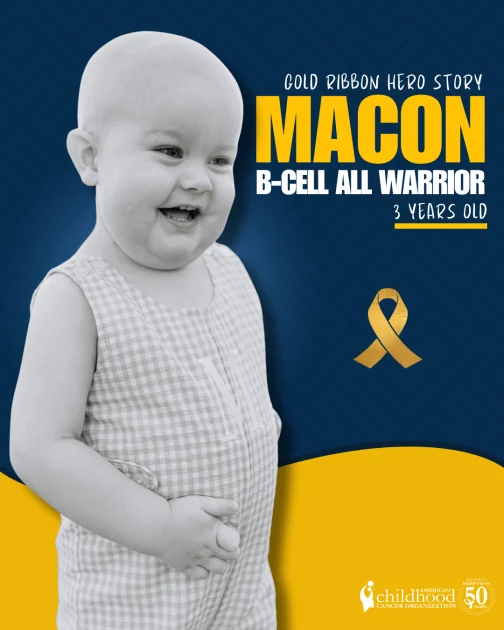
Macon’s medical journey began with an immediate admission to the hospital following his two-year checkup. The urgency of a leukemia diagnosis necessitates a rapid start to treatment to prevent the further proliferation of malignant cells. For Macon, the initial phase of treatment involved the surgical placement of a port—a small medical device installed under the skin that allows for the easy administration of chemotherapy and the drawing of blood. However, the clinical course was complicated early on by a serious staph infection in his bloodstream, a common but dangerous risk for immunocompromised oncology patients. This complication required the removal and subsequent replacement of his port, doubling the surgical burden on the young toddler.
The standard protocol for B-ALL involves several distinct phases: induction, consolidation, and maintenance. Macon has already navigated the most intensive early stages, which included systemic chemotherapy, multiple bone marrow biopsies, and regular lumbar punctures. A bone marrow biopsy is an invasive procedure used to measure the percentage of leukemia cells remaining in the marrow, providing a direct metric for the treatment’s efficacy. Similarly, lumbar punctures (often called spinal taps) are conducted every six weeks to deliver chemotherapy directly into the cerebrospinal fluid, a necessary step to prevent the leukemia from spreading to the central nervous system.
The First Year of Resilience and Recovery
Despite the physiological toll of high-dose chemotherapy and the trauma of repeated invasive procedures, Macon has demonstrated remarkable resilience. His mother, Madeline, reports that he has handled the first year of his treatment plan with incredible strength. Currently, Macon is in the midst of a long-term chemotherapy regimen designed to span a total of two and a half years. This extended duration is essential in B-ALL cases to target any residual "sleeper" cells that might otherwise cause a relapse.
Recent clinical evaluations provide cause for optimism. Macon’s weekly blood work consistently shows no circulating leukemia cells, indicating that the primary objective of the current therapy is being met. "He just completed his first year of leukemia treatment and has handled chemotherapy incredibly well," Madeline stated. "His treatment is working as expected. He remains in active treatment and if all goes well, Macon is expected to complete therapy and ring the bell in May 2027."
The "ringing of the bell" is a symbolic milestone in pediatric oncology, marking the end of active treatment and the transition into survivorship. For Macon, that date is set for May 2027, a timeline that encompasses the majority of his early childhood.
The Impact on the Family Unit and Pediatric Development
A pediatric cancer diagnosis does not only affect the patient; it fundamentally reshapes the lives of the entire family. For Madeline and her family, the shift from a "perfectly healthy" child to an oncology patient was instantaneous. The psychological burden of such a diagnosis is often exacerbated by the "asymptomatic" nature of the disease’s onset, leading to a sense of disbelief and fear.
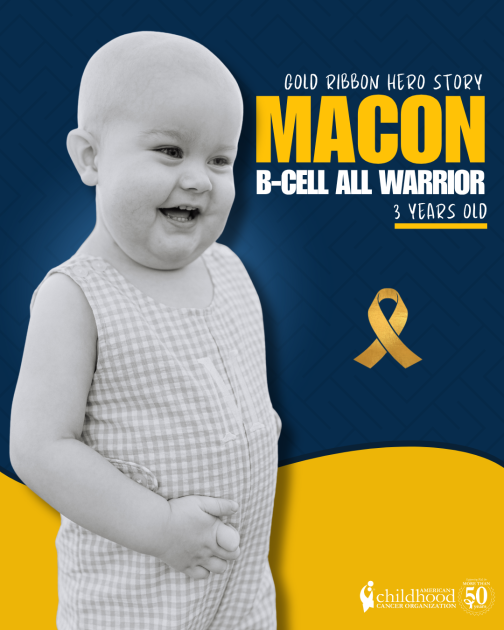
Despite the clinical environment that has defined much of his life over the past year, Macon continues to pursue the typical milestones of a three-year-old. His family describes him as a playful boy who finds joy in the outdoors, riding toys, and interacting with his sister. Maintaining a sense of normalcy is a critical component of pediatric cancer care, as it supports the child’s developmental and emotional well-being during a time of extreme physical stress. The ability of a child to remain "playful" and "laughing" amidst chemotherapy is often cited by medical professionals as a positive indicator of overall coping and quality of life.
Broader Implications for Pediatric Oncology Research
Macon’s story highlights several broader issues within the field of pediatric oncology. First is the necessity of comprehensive insurance and healthcare access that allows for routine pediatric visits, which remain the first line of defense in identifying silent killers like leukemia. Second is the ongoing need for research into more targeted, less toxic therapies. While the 90% survival rate for ALL is a triumph of modern medicine, the treatment remains grueling. The long-term side effects of chemotherapy on a developing body—including potential impacts on growth, cognitive function, and organ health—remain a primary concern for researchers and parents alike.
Furthermore, the American Childhood Cancer Organization (ACCO) and other advocacy groups emphasize that "kids can’t fight cancer alone." Pediatric cancer research is historically underfunded compared to adult cancers, despite the fact that childhood cancer remains the leading cause of death by disease for children in the United States. Stories like Macon’s serve as a call to action for increased public and private investment in pediatric-specific treatments that can offer higher cure rates with fewer long-term complications.
Looking Toward the Future: The Path to 2027
As Macon enters the second half of his treatment journey, the focus remains on maintaining his current trajectory of health. The maintenance phase of chemotherapy, while generally less intensive than the induction phase, still requires vigilant monitoring of blood counts and the management of side effects. The goal is to keep the bone marrow clear of leukemia cells while allowing the child’s immune system to function well enough to fight off everyday childhood illnesses.
The projected completion of therapy in May 2027 represents a light at the end of a long tunnel for the family. Until then, Macon will continue his regimen of chemotherapy and lumbar punctures, supported by a medical team and a family dedicated to his recovery. His journey serves as a poignant reminder of the fragility of health and the unexpected strength found in the smallest of patients.
In the landscape of childhood illness, B-Cell Acute Lymphoblastic Leukemia remains a formidable opponent, but Macon’s progress demonstrates that with early detection and rigorous medical intervention, the odds are increasingly in the patient’s favor. The community and organizations like the ACCO continue to provide the necessary resources and advocacy to ensure that children like Macon have the best possible chance at a full and healthy life. As he moves toward his final treatment date, Macon stands as a representative of thousands of children who face their diagnoses with a bravery that belies their age, proving that even at three years old, one can be a formidable warrior in the face of adversity.
