
 By admin
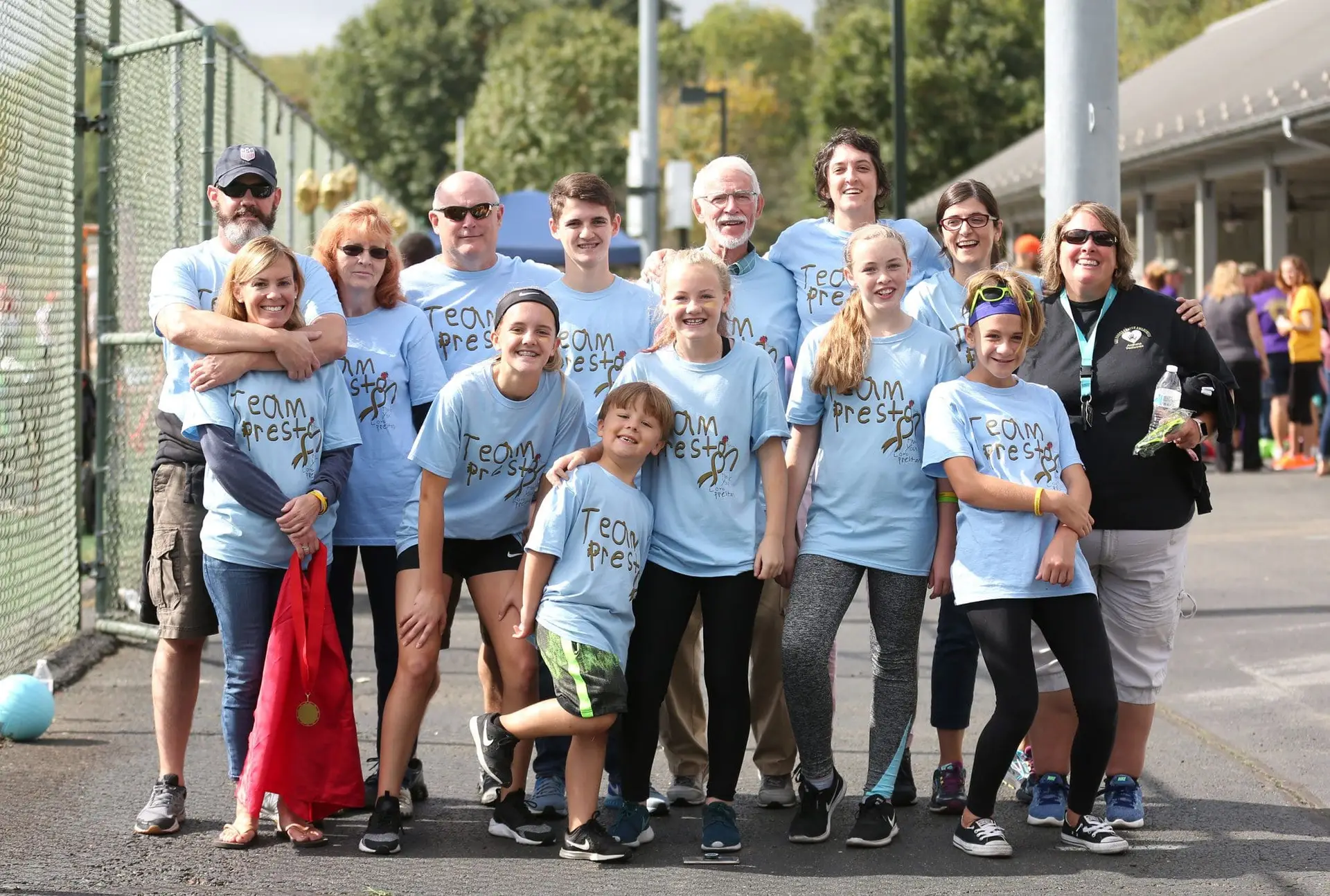
The landscape of pediatric oncology is currently defined by a paradoxical challenge where groundbreaking laboratory discoveries often fail to reach the clinical setting due to a systemic lack of transitional funding. CureSearch for Children’s Cancer, a leading national non-profit organization, has established a strategic framework designed specifically to address this "funding gap," ensuring that high-potential scientific research is not abandoned during the most critical phases of development. By identifying and financing the science most likely to become a viable treatment, the organization is effectively shortening the timeline between the laboratory bench and the hospital bedside, providing new hope for children facing diagnoses that were once considered terminal.
The Crisis of the Funding Gap in Pediatric Oncology
To understand the necessity of the CureSearch mission, one must first examine the fragmented nature of medical research funding in the United States. Traditionally, the trajectory of a new cancer drug involves three distinct phases of financial support. The initial stage, characterized by basic discovery and early-stage laboratory work, is largely supported by federal grants from the National Institutes of Health (NIH) and the National Cancer Institute (NCI). While this funding is vital for understanding the biological mechanisms of cancer, it rarely covers the costs associated with moving a potential drug into human clinical trials.

The final stage of development is typically managed by large pharmaceutical companies, which possess the massive resources required for Phase III clinical trials and global distribution. However, a significant "gap" exists between these two stages. This middle ground—often referred to in the scientific community as the "Valley of Death"—is where many promising pediatric treatments stall. Because childhood cancers are relatively rare compared to adult cancers, pharmaceutical companies often perceive a lower return on investment, leading them to prioritize adult oncology. Consequently, without intermediary funding from organizations like CureSearch, pediatric-specific breakthroughs frequently languish, never reaching the children who need them.
CureSearch’s strategy focuses exclusively on this gap. By providing "Catapult" grants and other targeted funding, the organization de-risks early-stage science, making it more attractive for future pharmaceutical investment and ensuring that the most promising leads are pushed through the rigorous regulatory and testing requirements necessary for clinical application.
A Chronology of Discovery: From Lab Bench to Bedside
The journey of a childhood cancer treatment is a long and arduous process that can span decades. Understanding the chronology of these breakthroughs highlights why consistent funding is required at every milestone.

- Basic Research (Years 1-5): Researchers identify specific genetic mutations or protein expressions unique to pediatric tumors. This stage is primarily funded by federal entities.
- Pre-clinical Validation (Years 5-8): Scientists test potential compounds in laboratory models. This is the stage where CureSearch frequently intervenes, providing the capital necessary to prove that a treatment is both safe and effective enough to warrant human testing.
- Investigational New Drug (IND) Application: Researchers must compile vast amounts of data to receive FDA approval to begin clinical trials. CureSearch funding often supports the specialized staff and administrative costs associated with this regulatory hurdle.
- Clinical Trials (Years 8-15): The treatment is administered to children in controlled settings. CureSearch’s impact is seen here through the support of clinical trial networks that allow children across the country to access experimental therapies.
- Commercialization and Broad Access: Once a drug is proven effective in trials, pharmaceutical partners take the lead in manufacturing and distribution.
By maintaining a presence in the middle of this timeline, CureSearch ensures that the momentum generated by federal funding is not lost, preventing a "stop-and-start" cycle that can cost lives in the pediatric community.
Case Studies in Resilience: The Human Face of Research Funding
The impact of strategic research funding is perhaps best illustrated through the lives of survivors and advocates who have navigated the realities of a cancer diagnosis. Wendy Manganaro, a childhood cancer survivor and a member of the CureSearch Tri-State Community Leadership Board, emphasizes the prospective nature of this funding. "I lived because someone funded the research that saved me before anyone knew it would work," Manganaro stated. Her perspective highlights a fundamental truth in oncology: the treatments used today are the results of investments made decades ago.
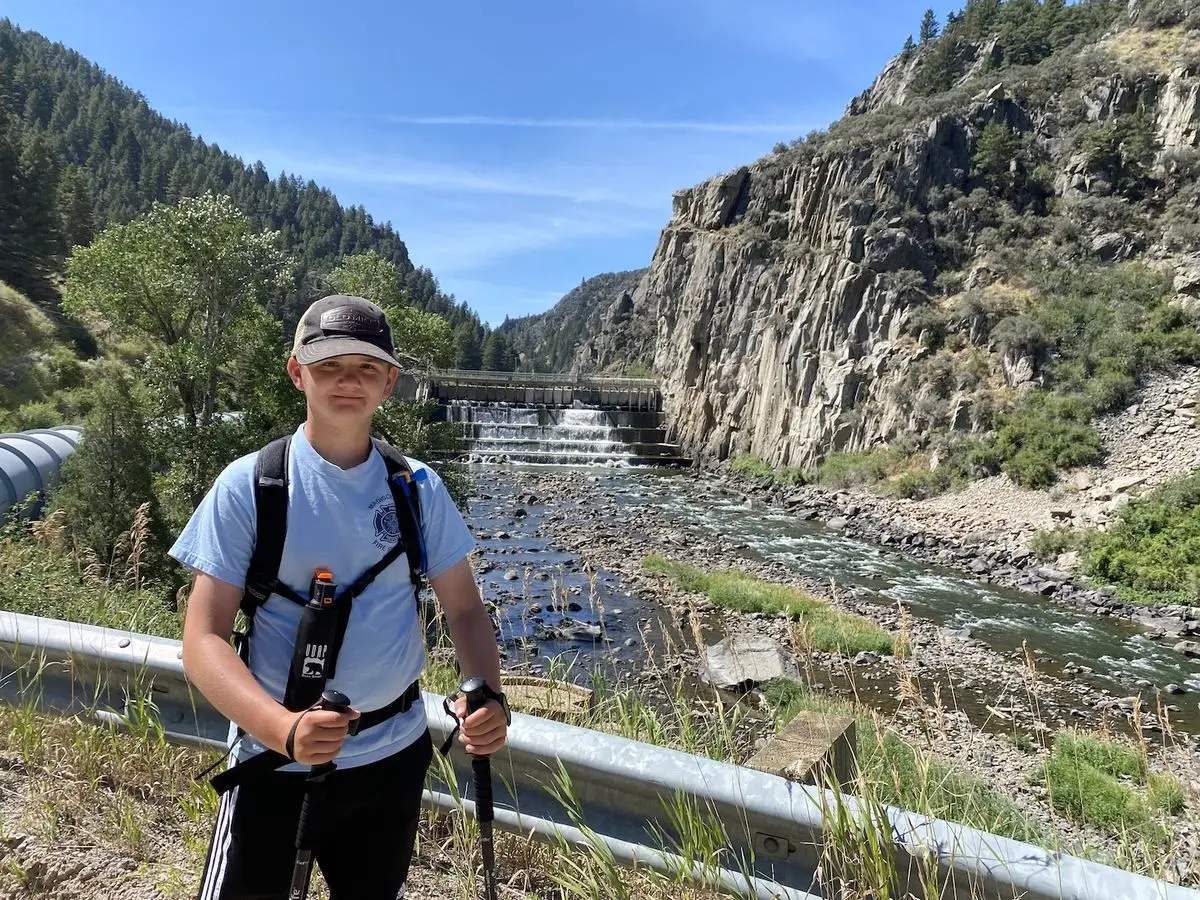
Another compelling narrative is that of Caden Shrauger, whose journey from a patient to a major fundraiser underscores the long-term ripple effects of successful treatment. Diagnosed with stage IV neuroblastoma at the age of three, Shrauger faced a diagnosis with historically low survival rates. Neuroblastoma, a cancer that develops from immature nerve cells, is particularly aggressive when it reaches stage IV, often involving the bone marrow and distant lymph nodes.
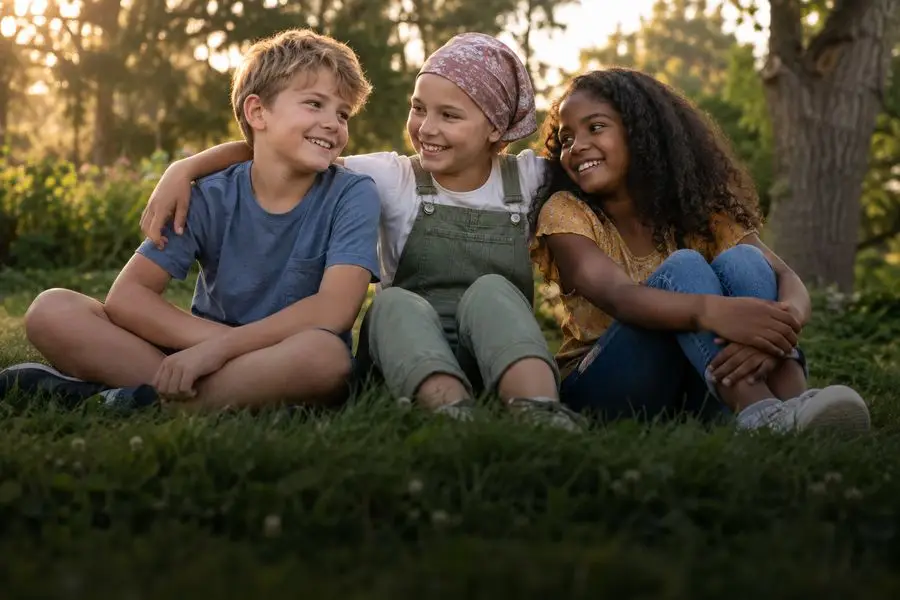
Against the odds, Shrauger survived and has since transitioned into a prominent role within the CureSearch community. In 2026, he raised more than $50,000 through the CureSearch Ultimate Hike, a signature endurance event. Shrauger’s story is a testament to the organization’s dual mission: saving lives through immediate research funding and fostering a community of survivors who can sustain that mission for future generations. His efforts specifically target the development of "safer" treatments—an essential focus as many survivors of childhood cancer face long-term health complications, such as secondary cancers or organ damage, caused by the toxicity of traditional chemotherapy and radiation.
Scientific Leadership: The 2026 Catapult Award and Dr. Robbie Majzner
To maintain its focus on the most "clinically ready" science, CureSearch utilizes a rigorous selection process overseen by an international Scientific Advisory Council. In 2026, this process led to the selection of Dr. Robbie Majzner as the recipient of the CureSearch Catapult Award.
The Catapult Award is specifically designed to propel high-impact research into Phase I or Phase II clinical trials. Dr. Majzner’s work represents the cutting edge of pediatric immunotherapy, a field that seeks to harness the body’s own immune system to recognize and destroy cancer cells. Immunotherapy has revolutionized adult oncology, but its application in children requires specialized approaches due to the different biological signatures of pediatric tumors.
By funding researchers like Dr. Majzner, CureSearch is addressing the urgent need for "targeted" therapies. Unlike traditional treatments that can be "blind" to the difference between healthy and malignant cells, the next generation of treatments being funded today aims to maximize efficacy while minimizing the devastating side effects that have historically characterized pediatric cancer care.
Community Advocacy and the "Ultimate Hike" Model
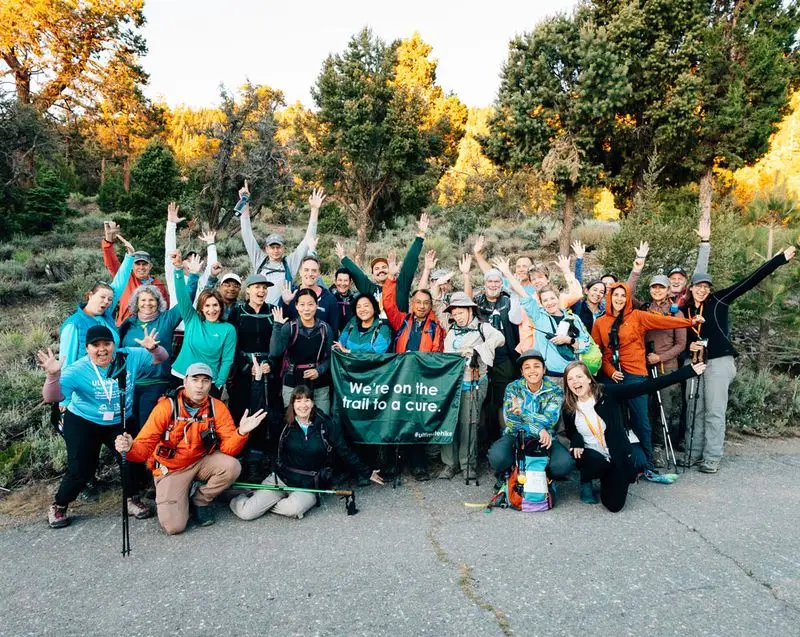
The financial engine behind these scientific grants is a robust network of community-driven events. One of the most successful models is the "Ultimate Hike," an endurance challenge that brings together survivors, families, and supporters. Events like the California Coastal Redwoods Ultimate Hike serve a dual purpose: they raise significant capital for research while raising public awareness about the specific challenges of pediatric oncology.
In addition to endurance events, CureSearch relies on a monthly giving model and local volunteer efforts. This diversified fundraising strategy is critical for maintaining a stable funding stream, especially as federal budget fluctuations can often lead to uncertainty in the scientific community. The organization’s "Join the Search" initiative encourages local participation, allowing individuals to start their own fundraisers or volunteer for existing programs, thereby democratizing the support for high-level medical research.
Broader Economic and Medical Implications
The work of CureSearch carries implications that extend beyond the immediate goal of curing individual patients. From an economic perspective, funding the "gap" in pediatric research is a form of market correction. By providing the initial capital for translational research, CureSearch helps build the "proof of concept" that pharmaceutical companies require to justify the costs of large-scale production. This effectively bridges the divide between public health needs and private sector requirements.
Furthermore, the advancements made in pediatric cancer research often have "spillover" effects in other areas of medicine. For instance, the techniques developed for pediatric immunotherapy or gene therapy can provide insights into treating rare adult diseases or other immune system disorders.
As the medical community moves toward a future of "personalized medicine," the role of organizations like CureSearch becomes even more vital. Because children have their entire lives ahead of them, the value of a successful treatment is measured not just in years of survival, but in decades of productive, healthy life. The focus on reducing long-term toxicity ensures that survivors like Caden Shrauger do not just live, but thrive, free from the debilitating "late effects" of 20th-century medicine.
In conclusion, the mission of CureSearch for Children’s Cancer represents a sophisticated intersection of philanthropy, science, and advocacy. By identifying the specific point in the research pipeline where breakthroughs are most likely to fail, and providing the necessary resources to navigate that "gap," the organization is fundamentally changing the trajectory of pediatric oncology. Through the support of researchers like Dr. Majzner and the inspiration provided by survivors like Wendy Manganaro and Caden Shrauger, the search to end childhood cancer continues to move forward, one clinical trial at a time.
