
 By admin
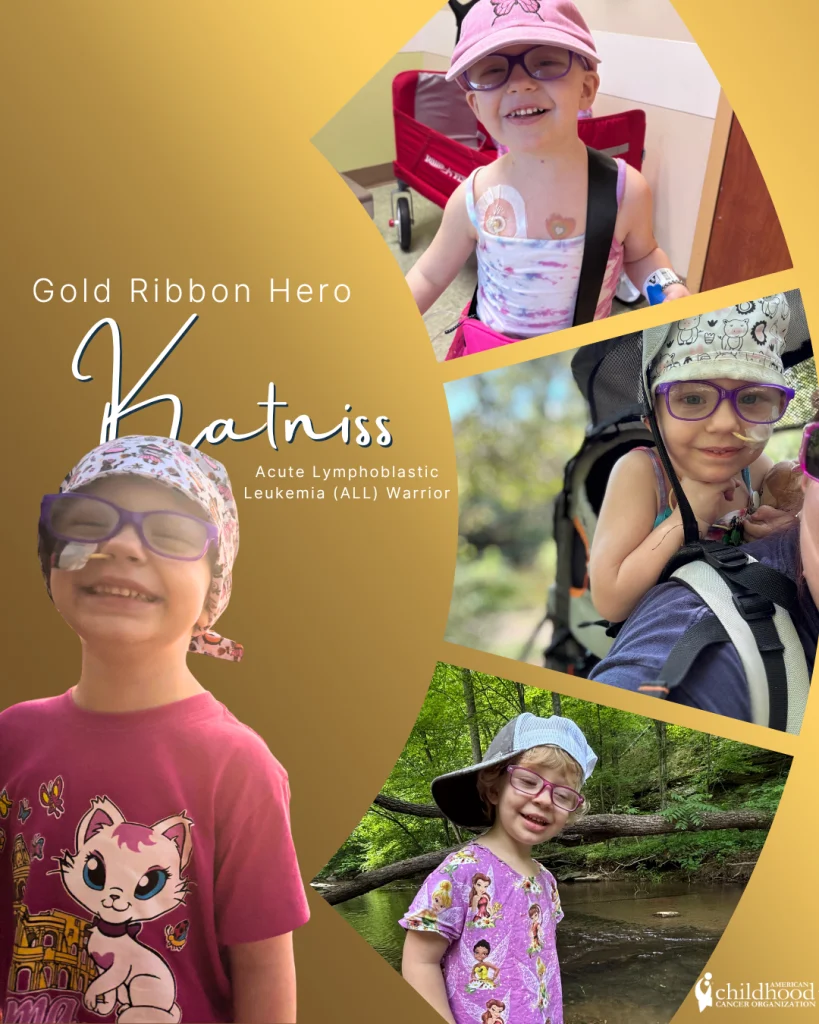
The landscape of pediatric oncology is often defined by stories of sudden transition, where a routine childhood illness escalates into a life-altering medical crisis. In June 2025, the family of a young girl named Katniss experienced this shift firsthand after what initially appeared to be a standard case of strep throat failed to respond to conventional treatment. The subsequent medical journey, marked by a diagnosis of Acute Lymphoblastic Leukemia (ALL), highlights not only the clinical challenges of pediatric cancer but also the profound psychological and community-driven aspects of recovery and advocacy.
The Clinical Presentation and Diagnosis of Katniss
The onset of Katniss’s condition was deceptive, following a trajectory familiar to many pediatric oncology cases where early symptoms mimic common infections. After an initial diagnosis of strep throat, the patient’s condition deteriorated rather than improved. The emergence of severe symptoms, specifically the vomiting of blood, prompted an emergency room visit that fundamentally changed the family’s trajectory. Clinical evaluations at the hospital revealed that Katniss was suffering from both neutropenia—a dangerously low count of neutrophils, a type of white blood cell essential for fighting off infections—and anemia, a deficiency in red blood cells that transport oxygen throughout the body.
Following several days of intensive testing and observation, medical professionals confirmed that Katniss was suffering from Acute Lymphoblastic Leukemia. ALL is a type of cancer of the blood and bone marrow that affects white blood cells. It is the most common form of cancer in children, characterized by the overproduction of immature lymphocytes, which crowds out healthy blood cells. For Katniss and her family, the diagnosis was the beginning of a multi-year medical commitment required to combat the aggressive nature of the disease.
The Intergenerational Impact of Leukemia
The diagnosis carried a secondary layer of emotional weight for the family. Katherine, Katniss’s mother, is herself a survivor of childhood leukemia. The recurrence of this specific malignancy in the next generation underscores a harrowing coincidence that few families face. "As a childhood leukemia survivor myself, hearing my baby girl has the same cancer broke my heart," Katherine stated, reflecting on the unique perspective of a parent who has navigated the same toxic treatments and isolation that her child must now endure.
While the majority of ALL cases are not strictly hereditary, the psychological impact on a parent who has survived the disease is significant. It creates a dual-role dynamic where the caregiver is simultaneously a source of hope and a witness to the familiar pains of chemotherapy, biopsies, and hospitalizations. This personal history has served as a catalyst for the family’s resilience, as they navigate a medical system that has evolved significantly since Katherine’s own treatment years ago, yet still requires the same fundamental endurance.
Medical Protocol and the Two-Year Treatment Horizon
The standard of care for pediatric ALL is one of the most rigorous and lengthy protocols in modern medicine. Upon diagnosis in mid-2025, Katniss began a treatment plan expected to last two and a half years. This duration is necessary to ensure that every leukemic cell is eradicated, as ALL has a high risk of relapse if the "maintenance" phase of treatment is shortened.
The clinical roadmap for Katniss involves several invasive procedures and long-term pharmacological interventions:
- Port Placement: A surgical procedure to install a central venous access device, allowing medical staff to administer chemotherapy and draw blood without repeated needle sticks.
- Bone Marrow Biopsies: Periodic extractions of bone marrow tissue to monitor the presence of cancer cells and evaluate how the patient is responding to the treatment.
- Lumbar Punctures: Also known as spinal taps, these procedures are used to inject chemotherapy directly into the cerebrospinal fluid to prevent the leukemia from spreading to the central nervous system.
- Chemotherapy Cycles: A rotating schedule of systemic drugs designed to kill rapidly dividing cells.
Despite the physiological toll of these treatments—which often include nausea, fatigue, and hair loss—reports from the family indicate that Katniss has maintained a "sassy personality and resilience." This psychological fortitude is often cited by pediatric specialists as a critical factor in the quality of life for young patients undergoing long-term oncology care.
Community Advocacy and the Grand Ole Opry Chili Cook-Off
In tandem with her medical treatment, Katniss was selected as an ambassador for a major fundraising event in Nashville, Tennessee: the Grand Ole Opry Chili Cook-Off. This event, held in late 2025, serves as a significant platform for the American Childhood Cancer Organization (ACCO). The ACCO is the oldest and largest grassroots childhood cancer organization in the United States, dedicated to providing resources, support, and advocacy for families affected by pediatric malignancies.
The Chili Cook-Off at the Grand Ole Opry is more than a culinary competition; it is a strategic initiative to raise awareness and funds for research that is often underfunded compared to adult cancers. Although Katniss’s health prevented her from attending the actual event during its scheduled date—a common occurrence for pediatric patients whose immune systems are compromised by chemotherapy—the organizers arranged a private experience for her several weeks later.
During this visit, Katniss and her family were given a comprehensive tour of the historic Grand Ole Opry facility and attended a live performance. This accommodation highlights the growing trend of "adaptive participation" in advocacy, ensuring that the children who serve as the faces of these causes can still experience the joy and recognition associated with their roles, even when their medical schedules interfere.
Statistical Context: The State of Pediatric Leukemia Research
To understand the importance of Katniss’s journey and the Opry fundraiser, one must look at the broader data surrounding Acute Lymphoblastic Leukemia. According to the National Cancer Institute, ALL accounts for approximately 25% of all cancers diagnosed in children under the age of 15. While the five-year survival rate for pediatric ALL has seen a remarkable increase—from less than 10% in the 1960s to over 90% today—the treatment remains grueling.
The "90% survival" statistic, while encouraging, often masks the long-term health challenges faced by survivors. These can include cognitive impairments, cardiac issues, and secondary cancers later in life—a reality that Katniss’s mother, as a survivor, likely understands well. Events like the Grand Ole Opry Chili Cook-Off are essential because they fund the "Go Gold" movement, which seeks to increase the federal budget for pediatric cancer research, which currently receives only about 4% of the National Cancer Institute’s total funding.
Broader Implications for Pediatric Oncology Support Systems
The story of Katniss illustrates the vital intersection between medical intervention and community support. The role of the ACCO and high-profile venues like the Grand Ole Opry provides a framework of "wraparound care" that hospitals alone cannot offer. When a child is diagnosed with leukemia, the financial and emotional strain on the family is immense. Fundraising events help offset the costs of travel, specialized care, and the loss of income that often occurs when a parent must become a full-time caregiver.
Furthermore, the ambassador program helps humanize the statistics. By featuring "warriors" like Katniss, advocacy groups can bridge the gap between abstract medical data and the lived reality of a family in crisis. This visibility is crucial for driving legislative change and encouraging private donations.
Chronology of Key Events
The timeline of Katniss’s journey serves as a blueprint for the typical "first phase" of a leukemia battle:
- Early June 2025: Initial symptoms of strep throat and subsequent failure of standard antibiotics.
- Mid-June 2025: Emergency Room admission following acute symptoms; discovery of neutropenia and anemia.
- Late June 2025: Formal diagnosis of Acute Lymphoblastic Leukemia and commencement of the first "induction" phase of chemotherapy.
- October 2025: Scheduled ambassador role at the Grand Ole Opry Chili Cook-Off in Nashville.
- Late 2025: Private tour of the Grand Ole Opry and attendance at a show, serving as a milestone in her social and emotional recovery.
- 2025–2027: Projected duration of the chemotherapy and maintenance protocol.
Conclusion and Future Outlook
As Katniss continues her two-and-a-half-year treatment plan, her story remains a testament to the advancements in pediatric oncology and the persistent gaps in funding and support. The collaboration between the American Childhood Cancer Organization and cultural institutions like the Grand Ole Opry ensures that the fight against leukemia remains in the public consciousness.
For Katniss, the path ahead involves thousands of hours of clinical care, but the support of a community that recognizes her "sassy" resilience provides a foundation for a successful recovery. Her journey, mirrored by her mother’s past victory over the same disease, offers a powerful narrative of survival and the enduring hope that, through continued research and advocacy, future generations may face a less arduous path toward health. The implications of her story reach far beyond a single diagnosis, influencing how society perceives the "warrior" spirit of children and the collective responsibility to fund the cure for pediatric cancer.
