
 By Hendra Lukman
Linus Pauling, a titan of 20th-century science, renowned for his groundbreaking work on chemical bonds and protein structures, and the only individual to win two unshared Nobel Prizes, found himself at the center of a scientific controversy late in his illustrious career. His fervent advocacy for extremely high doses of vitamin C as a cancer treatment was met with considerable skepticism from the medical establishment. The subsequent irony of his own passing from cancer at the age of 93 led many to dismiss his claims as a classic example of the "halo effect"—the cognitive bias where exceptional ability in one domain is assumed to extend to others, even without supporting evidence. However, fifty years on, a more nuanced understanding is emerging, suggesting that while Pauling’s initial pronouncements were indeed overstated, his core hypothesis regarding vitamin C’s potential in cancer treatment, under specific conditions, may hold more weight than previously acknowledged. Modern research is indeed affording vitamin C a second look, revealing its capacity to act not merely as a benign nutrient, but under certain circumstances, as a potent therapeutic agent.
The Genesis of a Controversy: Pauling’s Initial Claims
The narrative of Linus Pauling and vitamin C began in the 1970s. Collaborating with Scottish physician Ewan Cameron, Pauling initiated a series of treatments involving the administration of massive quantities of vitamin C to patients diagnosed with advanced, incurable cancers. Their methodology involved initially administering the vitamin intravenously, followed by oral tablet supplementation. In comparison to a control group of similar patients who did not receive vitamin C, Cameron and Pauling reported significant improvements. They documented that patients receiving vitamin C experienced prolonged survival and reported a better quality of life, with some cases suggesting survival periods extended multiple times longer than expected. These findings were detailed in publications such as "Cancer and Vitamin C: A Discussion of the Nature, Causes, and Cure of Cancer," co-authored by Pauling and Cameron, which further fueled public interest and debate.
The Mayo Clinic Trials and the Scientific Backlash
The compelling claims made by Pauling and Cameron naturally attracted the attention of the broader scientific community, prompting rigorous investigation. Two large-scale, placebo-controlled clinical trials were subsequently conducted by the renowned Mayo Clinic, a leading non-profit medical research institution in the United States. These trials were designed to rigorously test the efficacy of vitamin C in cancer patients. The results, published in the New England Journal of Medicine in 1979 and 1985, presented a stark contrast to Pauling’s findings. The trials concluded that vitamin C supplementation, in the form of oral tablets, offered no statistically significant benefit in terms of patient survival compared to those receiving a placebo.
These findings were widely interpreted by oncologists as definitive evidence against the therapeutic use of vitamin C in cancer. For the majority of medical professionals, this marked the end of the discussion. Vitamin C was relegated to the category of "alternative" or unproven remedies, and Pauling’s late-career crusade was largely viewed as a well-intentioned but ultimately misguided endeavor, a poignant testament to the limitations of even the most brilliant minds when venturing outside their established areas of expertise. The "halo effect" became the prevailing explanation for Pauling’s stance, suggesting that his genius in chemistry did not translate into infallible wisdom regarding medical treatment.
The Crucial Distinction: Intravenous vs. Oral Administration
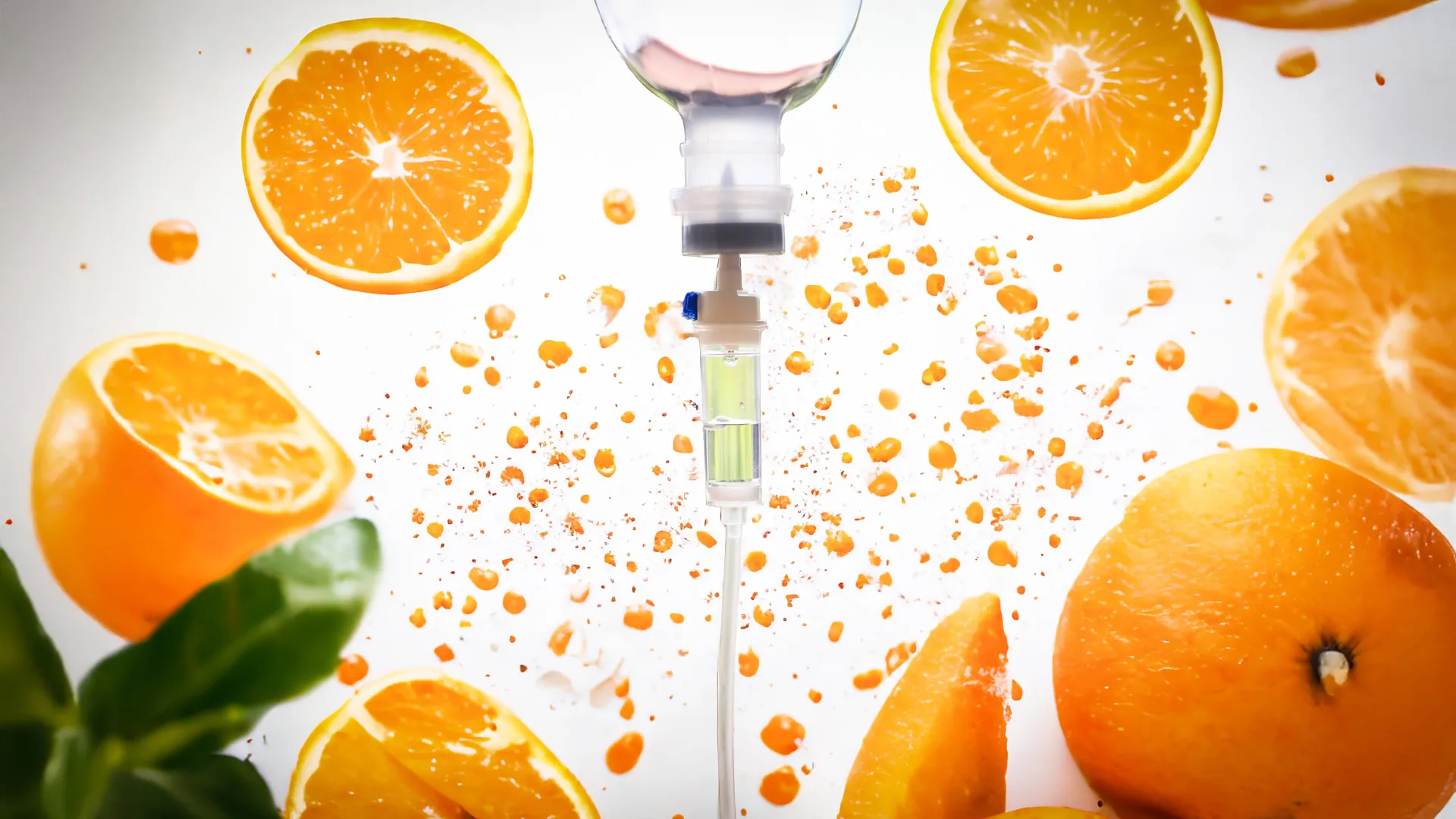
However, a critical oversight in the initial scientific scrutiny, one that eluded both critics and defenders of Pauling’s work at the time, was the fundamental difference in how vitamin C was administered. Pauling and Cameron had initiated their treatment regimen with intravenous infusions of vitamin C, a method that bypasses the digestive system and allows for much higher concentrations to enter the bloodstream directly. The Mayo Clinic trials, conversely, relied solely on oral vitamin C tablets. This distinction is paramount because the human gastrointestinal tract has a limited capacity for absorbing vitamin C. Once a modest daily dose is reached, the body’s absorption mechanism becomes saturated, and any further intake through tablets is largely excreted. Consequently, while oral supplementation can maintain adequate levels for general health, it is incapable of achieving the supra-physiological concentrations that Pauling believed were necessary for anti-cancer effects.
Intravenous administration, on the other hand, can elevate blood levels of vitamin C to magnitudes tens or even hundreds of times higher than what is achievable through oral intake. It is at these extremely high concentrations, often referred to as "pharmacological doses," that vitamin C begins to exhibit distinct biological properties, fundamentally altering its role within the body.
Vitamin C: From Antioxidant to Pro-Oxidant Agent
At typical dietary levels, vitamin C (ascorbic acid) functions as a potent antioxidant. It plays a crucial role in neutralizing harmful free radicals, unstable molecules that can damage cells and contribute to chronic diseases, including cancer. This antioxidant activity is vital for maintaining cellular health and integrity.
However, the scientific understanding has evolved to reveal that at very high concentrations, particularly in the microenvironment surrounding tumors, vitamin C can paradoxically shift its role from being a protector to becoming a promoter of cellular damage. In laboratory settings, high-dose vitamin C has been shown to induce the generation of hydrogen peroxide (H₂O₂), a reactive oxygen species. While hydrogen peroxide at low levels can be managed by cellular defense mechanisms, a sudden and substantial influx, especially in cancer cells that are already under significant stress, can overwhelm their antioxidant capacity.
Cancer cells are inherently vulnerable due to their rapid proliferation, often occurring in poorly vascularized tumor regions, and their elevated production of endogenous reactive molecules. Their internal "cleanup" systems, designed to manage oxidative stress, are frequently stretched to their limits. The introduction of a concentrated pulse of hydrogen peroxide generated by high-dose vitamin C can push these stressed cancer cells over the edge. This surge of oxidative damage can compromise their DNA integrity and disrupt their energy production pathways, ultimately leading to programmed cell death (apoptosis). Normal, healthy cells, which are typically under less metabolic strain and possess more robust defense mechanisms, are more resilient and are more likely to survive this oxidative assault. In this context, extremely high doses of vitamin C administered intravenously function less like a dietary supplement and more akin to a targeted chemotherapeutic agent, with the critical caveat that these therapeutic levels are unattainable through oral supplementation.
Emerging Evidence: The Latest Clinical Investigations
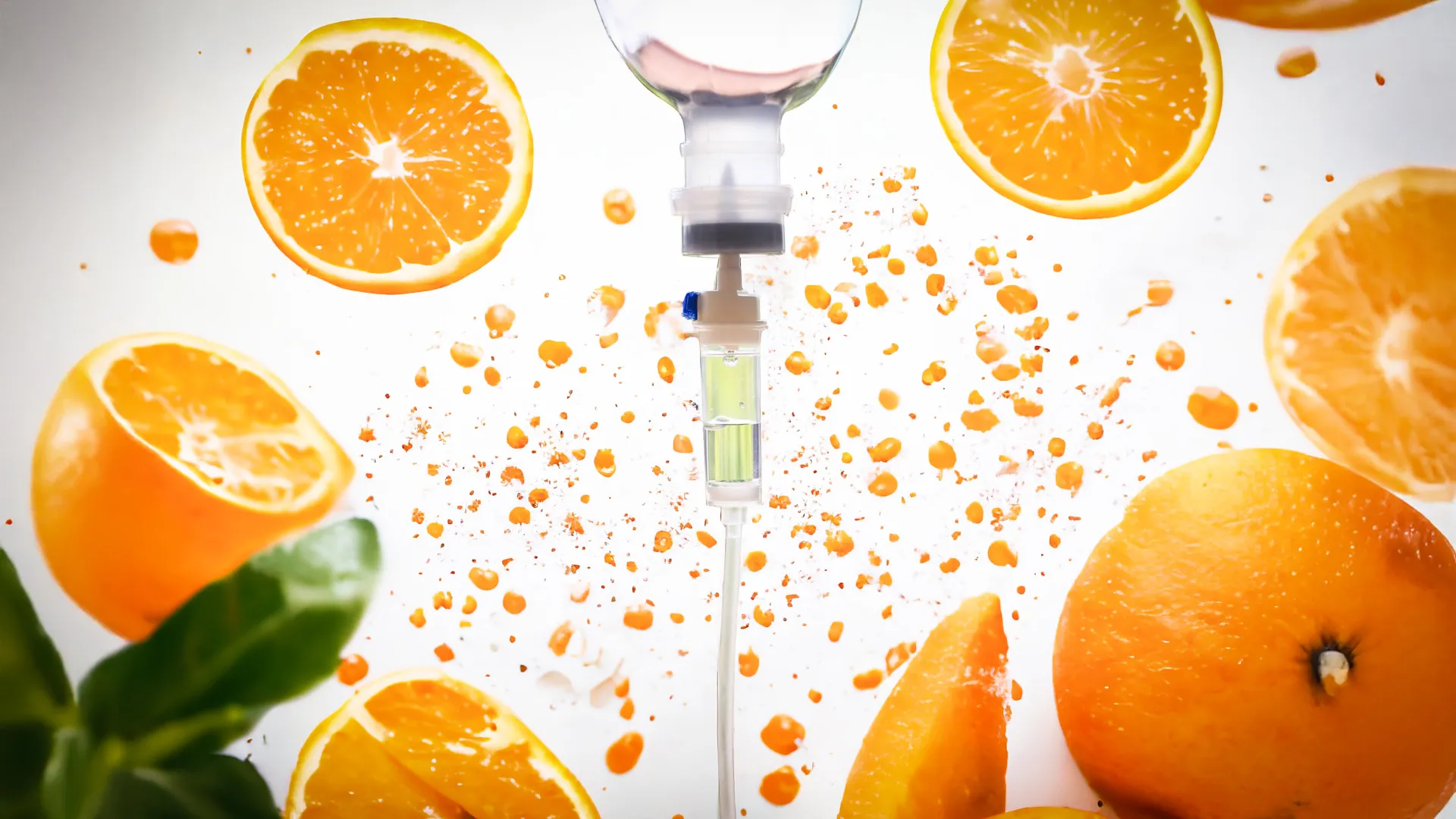
While the initial backlash against Pauling’s vitamin C theory was fierce, contemporary research is steadily providing a more complex and promising picture. Although the evidence is still in its nascent stages and remains mixed, small-scale clinical trials are exploring the effects of high-dose intravenous vitamin C in patients with challenging cancers, including ovarian, pancreatic, and brain tumors. A significant observation from these studies is that many patients can tolerate substantial doses of vitamin C administered intravenously multiple times per week with minimal serious adverse effects. However, it is crucial to note that potential risks can arise, particularly in individuals with compromised kidney function or certain rare genetic predispositions. This underscores that intravenous vitamin C is not a benign wellness treatment to be casually administered, but rather a potent intervention requiring careful medical supervision.
Some studies suggest that the addition of vitamin C infusions to standard chemotherapy regimens may offer incremental benefits for certain patients, potentially leading to slightly extended survival or improved management of treatment-related side effects. Conversely, other investigations have failed to demonstrate a clear advantage. The inherent limitations of these trials—their small sample sizes and considerable variability in design and patient populations—preclude the drawing of definitive conclusions at this juncture.
Despite the ambiguity regarding survival benefits, a consistent signal emerging from this research pertains to the quality of life experienced by patients. Individuals receiving vitamin C infusions alongside chemotherapy frequently report a reduction in fatigue, alleviation of pain, and a decrease in common side effects such as nausea. For patients battling advanced cancer, these improvements in symptom management and overall well-being can be profoundly meaningful, even if they do not represent the sweeping cure that Pauling once envisioned.
Beyond these direct clinical observations, laboratory investigations are also hinting at more subtle, yet significant, roles for vitamin C in cancer biology. Its involvement in enzymatic processes that regulate DNA methylation—the "marking" of DNA that influences gene expression—and its role in cellular division and response to hypoxic (low oxygen) conditions, both critical aspects of cancer development and progression, are areas of intense research.
In some experimental models, high vitamin C concentrations have been observed to inhibit the aggressive growth of cancer cells and enhance their susceptibility to conventional therapies. There is even preliminary speculation that vitamin C might bolster the immune system’s ability to recognize and target tumor cells, though this remains a highly speculative area of inquiry.
A Balanced Perspective: Partly Right, Not Entirely Wrong
Revisiting Linus Pauling’s controversial stance on vitamin C and cancer, the most equitable assessment is that he was partially correct, albeit for reasons he did not fully grasp, and that he significantly exaggerated the therapeutic promise. His assertion that oral vitamin C tablets could serve as a potent cancer cure has been robustly refuted by large, well-designed clinical trials, which have consistently shown no survival benefit for patients with established cancer who swallow high-dose vitamin C. Furthermore, his broad claims of vitamin C as a panacea for a wide array of illnesses lacked scientific substantiation.
However, Pauling was not entirely mistaken in his intuition that vitamin C might possess a unique role in cancer treatment. He possessed an early, prescient understanding that the biological effects of very high doses, delivered intravenously, would differ substantially from those of everyday dietary supplements. Modern scientific inquiry has validated this fundamental insight, demonstrating that intravenous vitamin C can indeed achieve significantly higher blood concentrations and elicit distinct biological responses.
The critical missing piece, and the reason for caution, is the absence of large, definitive, randomized controlled trials that unequivocally prove high-dose intravenous vitamin C demonstrably prolongs life for the majority of cancer patients. Until such robust evidence emerges, intravenous vitamin C should be considered an experimental treatment. While its potential warrants continued investigation, it is not yet sufficiently proven to supplant established oncological therapies. Consequently, its application should be confined to the rigorous context of clinical trials or carefully supervised medical settings, rather than being offered as a generalized "immune boost" by unregulated clinics.
The Evolving Landscape of Nutritional Oncology
The ongoing exploration of "vitamins in cancer" is a dynamic field, with new research continually refining our understanding. The saga of vitamin C and cancer serves as a potent reminder that scientific progress rarely follows a linear path. It often involves bold hypotheses, initial flawed studies, intense critical reactions, and then, after a period of reflection and further investigation, a more measured and rigorous re-examination of the original premise.
Linus Pauling may never be fully vindicated in the eyes of all his detractors, but neither can he be dismissed as simply deluded. In his passionate pursuit and his unyielding conviction, he may have glimpsed a sliver of a complex truth long before the scientific community possessed the tools and understanding to fully perceive it. The journey from initial skepticism to emerging evidence underscores the importance of open-minded scientific inquiry, even when confronting seemingly outlandish claims, and the necessity of rigorous, well-designed research to separate groundbreaking potential from wishful thinking. The story of vitamin C in cancer is far from over, and its continued evolution promises to offer further insights into the intricate interplay between nutrition, cellular biology, and the relentless fight against disease.
