
 By Nana O
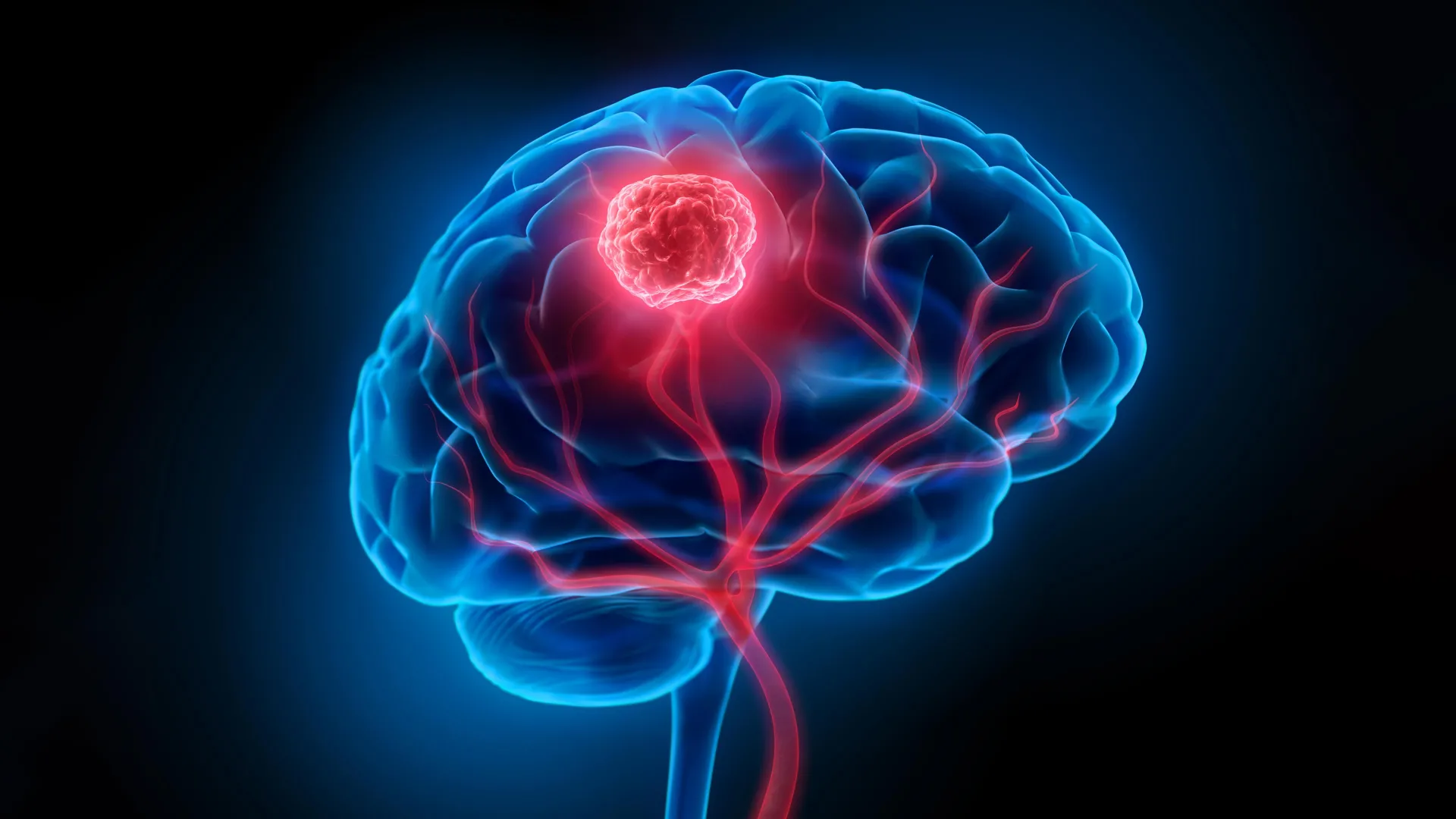
A groundbreaking study originating from Canada has unveiled a significant advancement in the fight against glioblastoma, the most virulent and currently incurable form of brain cancer. Researchers have not only identified a novel mechanism to impede the relentless proliferation of these tumors but have also pinpointed an existing pharmaceutical, previously utilized in HIV treatment, as a promising candidate for therapeutic intervention. This discovery holds immense potential to offer a much-needed lifeline to patients facing a grim prognosis, where survival is often measured in mere months.
The core of the research, published in the esteemed journal Neuron, challenges long-held assumptions about the roles of specific brain cells. Scientists at McMaster University and The Hospital for Sick Children (SickKids) have revealed that certain cells, once believed to serve solely as passive supporters of normal neural function, can actively contribute to the growth and dissemination of glioblastoma. These cells, it appears, engage in a sophisticated form of communication, sending signals that bolster the resilience and proliferative capacity of cancerous cells. Crucially, when this intercellular dialogue was disrupted in laboratory models, the researchers observed a substantial deceleration in tumor growth.
This pivotal finding not only illuminates a previously unknown vulnerability within the glioblastoma ecosystem but also provides a tangible pathway toward new treatment strategies. The identification of an existing drug capable of interfering with this detrimental signaling pathway offers a beacon of hope, particularly given the limited therapeutic options currently available for glioblastoma patients. The aggressive nature of this cancer often renders conventional treatments, such as surgery, radiation, and chemotherapy, insufficient to achieve long-term remission, underscoring the urgent need for innovative approaches.
The Glioblastoma Challenge: A Formidable Adversary
Glioblastoma multiforme (GBM) represents the most common and deadliest primary malignant brain tumor in adults. Its aggressive nature stems from its ability to infiltrate surrounding healthy brain tissue, making complete surgical resection virtually impossible. Furthermore, the blood-brain barrier, a protective shield that normally prevents harmful substances from entering the brain, also impedes the delivery of many chemotherapeutic agents to the tumor site. These biological challenges contribute to the dismal survival rates associated with glioblastoma, with the median survival time for diagnosed patients typically ranging from 12 to 18 months, even with aggressive treatment regimens.
The cellular landscape of glioblastoma is complex, characterized by significant heterogeneity within the tumor itself and its surrounding microenvironment. This intricate ecosystem comprises not only cancer cells but also a diverse array of non-cancerous cells, including immune cells, endothelial cells forming blood vessels, and glial cells. Understanding the intricate interplay between these cellular components is paramount to developing effective therapies.
Unraveling the Cellular Ecosystem: Oligodendrocytes and Tumor Communication
The study spearheaded by McMaster University and SickKids delved deep into the communication networks that sustain glioblastoma. While it has been established that glioblastoma thrives on supportive cellular networks, the precise identities and roles of these supporting cells remained a critical area of investigation. This latest research has pinpointed oligodendrocytes, a type of glial cell traditionally understood for their myelinating function—the insulation of nerve fibers to facilitate rapid signal transmission—as key players in fostering tumor growth.
Contrary to their supportive role in healthy brain function, the study reveals that oligodendrocytes can undergo a transformation, shifting their allegiance to actively promote glioblastoma progression. These cells establish a defined signaling system that establishes a conducive environment for tumor survival and expansion. The researchers meticulously documented this communication, identifying specific molecular pathways involved.
"Glioblastoma isn’t just a mass of cancer cells, it’s an ecosystem," stated Sheila Singh, co-senior author of the study and a professor of surgery at McMaster University. Professor Singh, who also directs the Centre for Discovery in Cancer Research at McMaster, emphasized the significance of their findings: "By decoding how these cells talk to each other, we’ve found a vulnerability that could be targeted with a drug that’s already on the market." This insight into the tumor’s dependence on its cellular allies represents a paradigm shift in understanding glioblastoma biology.
The interruption of this critical signaling pathway in laboratory models led to a significant slowdown in tumor growth, providing compelling evidence of the oligodendrocytes’ crucial supportive role. This finding underscores the importance of considering the entire tumor microenvironment, not just the cancer cells themselves, when designing therapeutic strategies.
A Drug for HIV Offers a New Avenue for Glioblastoma Treatment
Perhaps the most impactful aspect of this research is the identification of a potential therapeutic agent. The signaling process identified as central to oligodendrocyte-supported glioblastoma growth involves a specific receptor known as CCR5. This receptor plays a role in various cellular processes, including immune cell migration and viral entry. Crucially, CCR5 is already a well-established target for Maraviroc, an antiretroviral medication used in the treatment of HIV infection.
The repurposing of Maraviroc presents a compelling advantage. As an existing, FDA-approved drug, its safety profile and pharmacokinetic properties are extensively documented. This pre-existing knowledge significantly accelerates the potential timeline for clinical trials and eventual availability to glioblastoma patients, bypassing the lengthy and resource-intensive process of developing a novel drug from scratch.
"The cellular ecosystem within glioblastoma is far more dynamic than previously understood," commented Jason Moffat, co-senior author of the study, a senior scientist, and head of the Genetics & Genome Biology program at SickKids. "In uncovering an important piece of the cancer’s biology, we also identified a potential therapeutic target that could be addressed with an existing drug. This finding opens a promising path to explore whether blocking this pathway can speed progress toward new treatment options for patients."
The implications of repurposing an HIV drug for brain cancer are profound. It signifies a potential to leverage existing pharmaceutical infrastructure and expertise to rapidly address an unmet medical need. This approach aligns with global efforts to find more efficient and cost-effective ways to develop treatments for challenging diseases.
Building on a Foundation of Discovery: A Chronology of Insights
This latest breakthrough is not an isolated event but rather a culmination of years of dedicated research by the involved teams. The current findings build directly upon prior work by Professor Singh and Professor Moffat, published in Nature Medicine in early 2024. That earlier study revealed how glioblastoma cells exploit developmental pathways normally active during brain formation to facilitate their invasive spread.
This earlier research highlighted the ability of cancer cells to manipulate fundamental biological processes for their own gain. By understanding how these developmental pathways are co-opted, scientists could begin to envision strategies to disrupt them. The current study, by focusing on the supportive cellular microenvironment and identifying a specific drug target, complements and expands upon these foundational discoveries.
Timeline of Key Discoveries:
- Early 2024: Publication of research in Nature Medicine by Singh and Moffat, demonstrating how glioblastoma cells hijack developmental pathways for invasion. This lays the groundwork for understanding tumor cell behavior.
- Recent Publication in Neuron: Identification of oligodendrocytes as key supporters of glioblastoma growth and the discovery of the CCR5 signaling pathway. Crucially, Maraviroc, an existing HIV drug, is identified as a potential therapeutic agent targeting this pathway.
The synergistic nature of these discoveries suggests a new strategic direction for glioblastoma research: focusing on disrupting the intricate communication systems that tumors rely upon for survival and propagation. This represents a move away from a purely cell-centric approach to a more holistic understanding of the tumor as a complex biological entity.
Research Team and Funding Acknowledgements
The rigorous scientific investigation was conducted by a collaborative team from McMaster University and The Hospital for Sick Children (SickKids). The co-first authors of the study are Kui Zhai, a research associate in the Singh Lab at McMaster, and Nick Mikolajewicz, who was a postdoctoral fellow in the Moffat Lab at SickKids during the course of the research.
The critical work was made possible through substantial financial support from the 2020 William Donald Nash Brain Tumour Research Fellowship and the Canadian Institutes of Health Research. These funding bodies play a vital role in enabling pioneering research that has the potential to significantly impact patient outcomes.
Professor Sheila Singh holds the prestigious Tier 1 Canada Research Chair in Human Cancer Stem Cell Biology, a testament to her significant contributions to the field. Professor Jason Moffat holds the GlaxoSmithKline Chair in Genetics & Genome Biology at The Hospital for Sick Children, further underscoring his leadership in genetic and genomic research.
Broader Implications and Future Directions
The implications of this research extend far beyond the immediate prospect of a new glioblastoma treatment. It highlights the immense potential of repurposing existing drugs, a strategy that can dramatically reduce the time and cost associated with bringing new therapies to patients. This approach is particularly valuable for rare or aggressive diseases where the economic incentives for developing new drugs might be lower.
Furthermore, the study reinforces the growing understanding of the tumor microenvironment as a critical determinant of cancer progression and treatment response. Future research will likely focus on further dissecting these cellular interactions and exploring other existing drugs that could be repurposed to target similar pathways in glioblastoma and potentially other aggressive cancers.
The identification of oligodendrocytes as active contributors to glioblastoma growth also opens new avenues for diagnostic and prognostic research. Understanding the specific signals emitted by these cells could potentially lead to biomarkers that can detect glioblastoma earlier or predict its aggressiveness.
While the findings are exceptionally promising, it is important to note that this research is currently based on laboratory models. The next critical step will be to translate these findings into clinical trials in human patients. These trials will rigorously assess the safety and efficacy of Maraviroc in treating glioblastoma, providing definitive answers on its therapeutic potential.
The scientific community will be closely watching the progression of this research, hopeful that this Canadian-led discovery will pave the way for a significant improvement in the lives of individuals battling this devastating brain cancer. The journey from laboratory bench to patient bedside is often long and complex, but this study represents a significant leap forward in understanding and potentially treating glioblastoma.
