
 By Nana O
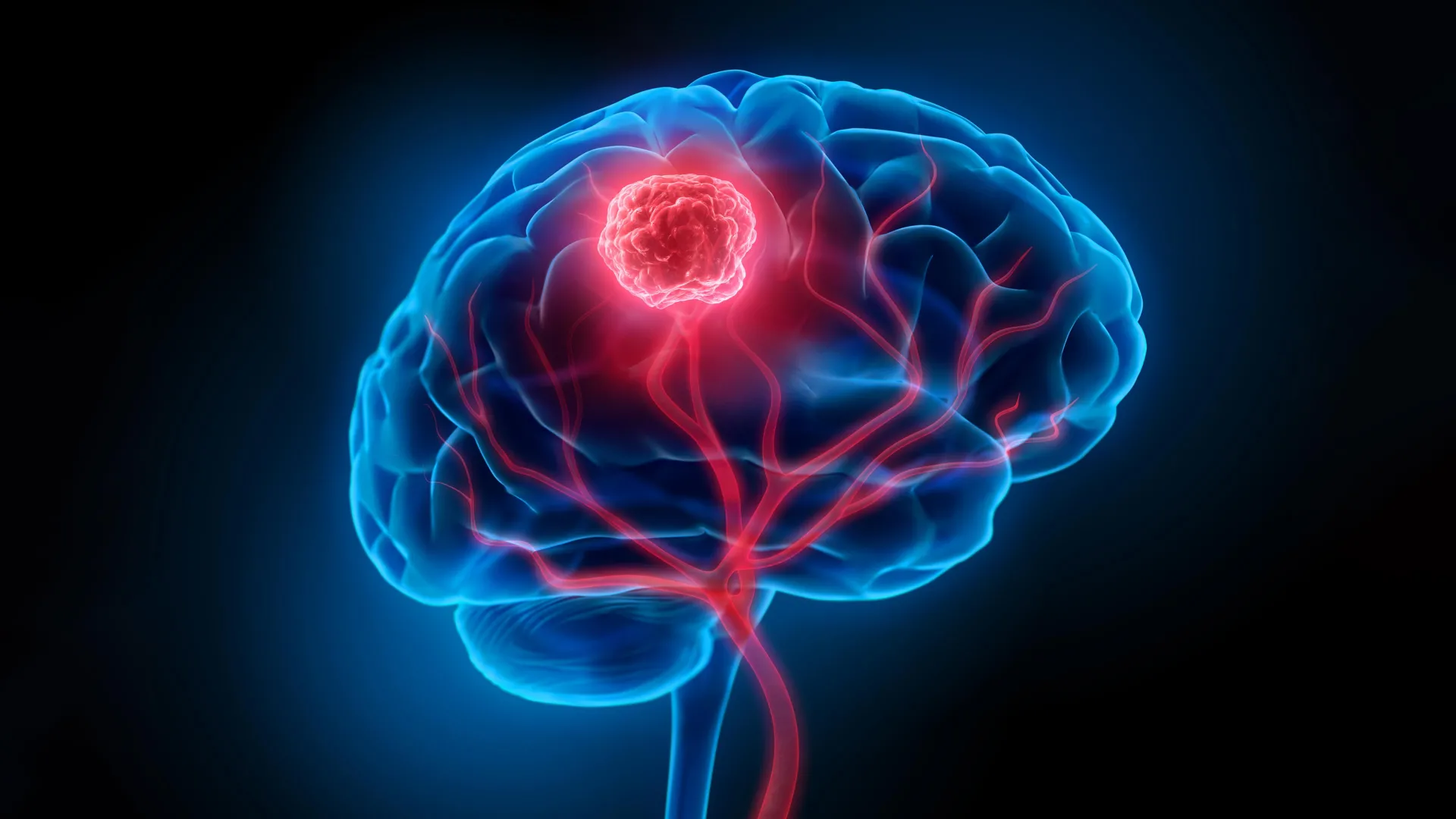
Glioblastoma, the most aggressive and deadly form of brain cancer, has long presented a formidable challenge to medical science. Its insidious nature, characterized by invasive growth into healthy brain tissue and a robust blood-brain barrier, renders complete surgical removal and effective drug delivery exceptionally difficult. These inherent obstacles contribute to a grim five-year survival rate, hovering at a mere 7 percent. However, a groundbreaking development from researchers at the University of Technology Sydney (UTS), in collaboration with Harvard University and Henan University, promises a paradigm shift in how this devastating disease might be tackled. Their innovative ‘double-punch’ nanozyme platform, detailed in the prestigious journal Science Translational Medicine, offers a unified system designed to address both the surgical and therapeutic limitations simultaneously.
The Genesis of a Dual-Action Solution
The impetus for this novel research stems from the well-documented limitations in current glioblastoma treatment protocols. Surgical intervention, while crucial, is constrained by the need to preserve vital neurological functions. Surgeons operate with the daunting task of excising as much of the tumor as possible without causing irreparable damage to surrounding healthy brain tissue. This often leaves microscopic cancer cells behind, seeding future recurrence. Furthermore, the blood-brain barrier, a highly selective physiological barrier that protects the central nervous system from circulating toxins, severely restricts the passage of chemotherapeutic agents and the efficacy of radiotherapy, diminishing their ability to reach and eradicate tumor cells.
The development of this two-function nanoparticle platform represents a significant leap forward, born from a desire to overcome these intertwined challenges. Dr. Bingyang Shi, Chair Professor of Nanomedicine at UTS’s School of Electrical, Mechanical and Biomedical Engineering, explained the core innovation: "We’ve engineered a single material that does two jobs in sequence. It’s a precise guide for the surgeon during the operation, and then a targeted clean-up treatment afterward." This sequential, yet integrated, approach is the cornerstone of the platform’s potential.
Engineering Precision: The Nanoparticle Architecture
At the heart of this revolutionary system lies an ultra-thin, two-dimensional sheet constructed atom by atom, a meticulous process adapted from advanced semiconductor manufacturing techniques. This unique atomic-level engineering imbues the material with the ability to transition between two distinct functionalities, both activated by the same near-infrared light, a wavelength invisible to the human eye. This duality is key to its efficacy: first, it acts as a sophisticated imaging agent during surgery, and second, it performs targeted phototherapy post-operation.
The material’s ability to switch roles is a testament to its carefully designed structure. By precisely placing individual atoms, the researchers have created a platform that can be modulated to perform different tasks. This level of control at the atomic scale is a hallmark of advanced nanomedicine, allowing for the creation of materials with highly specific and tunable properties. The use of near-infrared light for activation is also a strategic choice, as this wavelength penetrates biological tissues more effectively than visible light, making it suitable for both intraoperative imaging and subsequent therapeutic delivery without requiring invasive procedures or causing collateral damage.
Illuminating the Invisible: Enhanced Surgical Guidance
During surgical procedures, the nanozyme platform functions as a hyper-sensitive imaging agent. A fluorescent dye, intricately integrated onto the atomic sheet, emits a glow when exposed to near-infrared light. This fluorescence allows surgeons to visualize even the smallest clusters of tumor cells, as tiny as 44 micrometers. This level of resolution significantly surpasses the capabilities of current clinical imaging tools, which often struggle to detect the microscopic infiltrations characteristic of glioblastoma.
Crucially, the nanoparticle platform is engineered with a targeting molecule. This molecule possesses the remarkable ability to actively cross the blood-brain barrier, a feat that significantly enhances its utility. Once across, it selectively accumulates within glioma cells, ensuring that the imaging signal is precisely localized to the cancerous tissue. This targeted accumulation means that surgeons can delineate the tumor margins with unprecedented accuracy, leading to more complete and safer resections. The ability to identify and remove tumor cells that would otherwise remain hidden under conventional imaging techniques is a critical advancement in maximizing surgical success rates.
The Post-Operative Clean-Up: A Targeted Therapeutic Strike
Following the removal of the visible tumor, the same nanoparticle material can be reintroduced into the surgical cavity. Upon reactivation with the near-infrared light, it embarks on its therapeutic mission. This second phase of treatment leverages the nanozyme’s unique catalytic properties. The platinum atoms embedded within the material are instrumental in converting the tumor’s endogenous hydrogen peroxide into oxygen. This process is vital because glioblastoma tumors often create an oxygen-deprived (hypoxic) microenvironment, which typically shields cancer cells from conventional treatments and promotes their survival and resistance. By increasing oxygen levels, the nanoparticles counteract this protective shield.
Simultaneously, the near-infrared light triggers the generation of heat and reactive oxygen species (ROS). These elements work in concert to destroy any microscopic cancer cells that may have escaped surgical detection. This dual-action therapeutic approach – oxygen generation and ROS/heat induction – targets the residual microscopic disease that is the primary driver of tumor recurrence. The precision of this post-operative therapy ensures that healthy brain tissue is largely spared, a critical consideration in neurosurgery.
Combating Recurrence: A Pre-clinical Triumph
The persistent challenge of glioblastoma recurrence stems from the microscopic cancer cells that inevitably remain after surgery. These tenacious cells can lie dormant before proliferating and re-establishing the tumor. The UTS-led research directly addresses this critical vulnerability. In pre-clinical studies conducted on mouse models of glioblastoma, the nanoparticle platform demonstrated a significant reduction in tumor recurrence following surgical intervention.
The data from these animal trials are compelling. Mice treated with the nanoparticle approach exhibited prolonged survival, with all treated subjects remaining alive at the 60-day mark. In stark contrast, mice that underwent surgery alone had a median survival of only 42 days. This nearly two-week extension in survival in a mouse model is a substantial indicator of the treatment’s efficacy. Furthermore, follow-up neurological and motor assessments revealed no detectable impairments in the treated mice, suggesting a favorable safety profile for the nanoparticle intervention. These findings provide a strong foundation for optimism regarding the platform’s potential to improve patient outcomes.
A Glimmer of Hope: Navigating the Path Forward
Despite the highly encouraging results, the researchers are keen to emphasize that this technology is still in its nascent stages of development. The promising outcomes observed in animal models represent a critical first step, but the translation to human application requires extensive further investigation.
"The results are very encouraging, but this is still early-stage research carried out in mouse models, not in people – and that distinction is important," Professor Shi reiterated. The complexities of the human brain, its larger scale, and the unique physiological responses in humans necessitate rigorous clinical trials to validate the imaging and therapeutic performance of the nanoparticle platform. The transition from laboratory to clinic is a lengthy and meticulous process, involving stringent safety evaluations and efficacy assessments at each stage.
The ultimate aspiration is for this technology to empower surgeons with enhanced visualization during operations, allowing them to identify and remove more of the tumor than ever before. Simultaneously, the post-operative therapeutic component aims to eradicate any microscopic remnants, thereby significantly reducing the likelihood of tumor recurrence. This represents a meaningful stride towards overcoming one of the most formidable challenges in the fight against glioblastoma, offering renewed hope to patients and their families.
Broader Implications and Future Directions
The implications of this dual-function nanozyme platform extend beyond glioblastoma. The underlying principles of targeted imaging and sequential therapeutic delivery, enabled by atomic-level engineering and light activation, could potentially be adapted for the treatment of other aggressive cancers or complex neurological conditions. The ability to precisely visualize and then treat localized disease, while overcoming biological barriers like the blood-brain barrier, opens up new avenues for precision medicine.
The collaboration between UTS, Harvard, and Henan universities highlights the power of international scientific cooperation in tackling global health challenges. By pooling expertise and resources, researchers are accelerating the pace of innovation. The successful development of such sophisticated nanomedical tools underscores the growing importance of interdisciplinary approaches, bridging engineering, materials science, chemistry, and medicine.
The scientific community will be closely watching the progression of this research. If further studies continue to demonstrate safety and efficacy, this nanozyme platform could usher in a new era of glioblastoma treatment, potentially transforming survival rates and improving the quality of life for patients diagnosed with this devastating disease. The journey from laboratory breakthrough to widespread clinical application is often arduous, but the promise held within these tiny, meticulously engineered particles offers a compelling vision for the future of cancer therapy. The meticulous design and sequential action of this platform represent a significant conceptual advancement, moving beyond single-function interventions towards integrated, intelligent therapeutic systems.
