
 By George Ongkojoyo
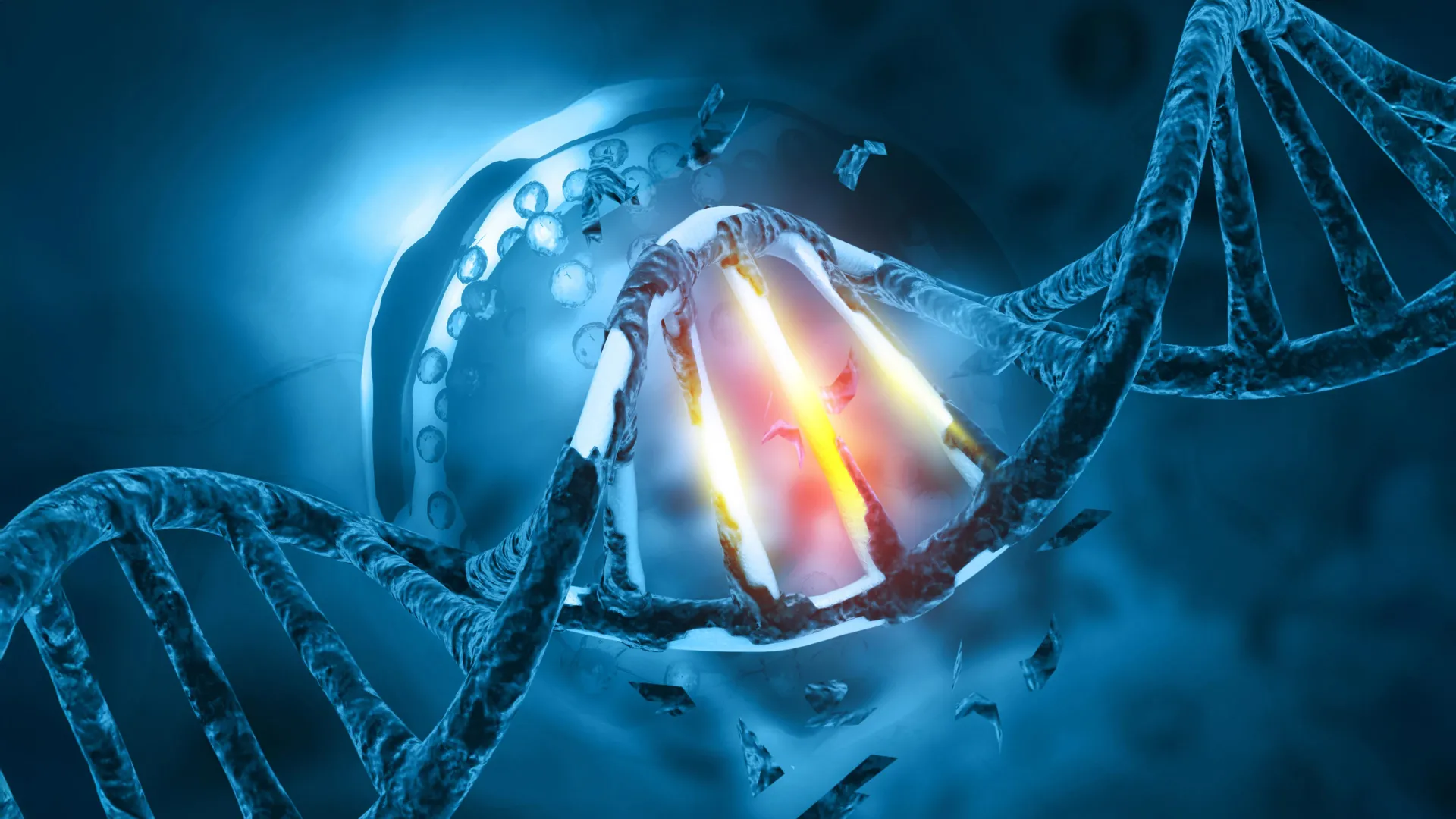
The human body maintains an intricate network of biological safeguards designed to preserve the integrity of the genetic code, with tumor suppressor genes serving as the primary architects of this defense system. Under normal physiological conditions, these genes produce proteins that meticulously scan, trim, and repair DNA, preventing the accumulation of harmful mutations that could lead to oncogenesis. However, a groundbreaking study from the Penn State College of Medicine has revealed a paradoxical reality: an overabundance of these protective proteins can be just as catastrophic as their absence. Specifically, researchers have identified that excessive activity of the EXO1 gene, a known DNA repair agent, can destabilize the genome and drive the progression of various aggressive cancers.
The research, published in the prestigious journal Nature Communications, challenges the traditional "more is better" assumption regarding DNA repair mechanisms. By analyzing large-scale genomic data and conducting rigorous laboratory experiments, the Penn State team demonstrated that when EXO1 is overexpressed, it ceases to be a guardian of the genome and instead becomes an agent of destruction. This discovery holds profound implications for the future of precision medicine, potentially expanding the use of targeted therapies to a significantly larger population of cancer patients who currently lack effective treatment options.
The Paradox of DNA Repair: When Guardians Turn Destructive
DNA repair is a constant, high-stakes process within every living cell. Environmental factors such as ultraviolet radiation and chemical exposure, along with internal errors during cell division, cause thousands of DNA lesions every day. Proteins like EXO1 (Exonuclease 1) are typically tasked with "resection"—the process of trimming back damaged DNA strands to prepare them for repair. In a healthy cell, this process is tightly regulated to ensure that only the damaged portions are removed.
The study, led by George-Lucian Moldovan, a professor of molecular and precision medicine at Penn State, found that in 20% to 30% of breast and ovarian cancers, this regulation fails. When EXO1 is overproduced, its "molecular scissors" become hyperactive. Instead of performing surgical repairs, the excess protein begins to indiscriminately cut into healthy DNA structures. This leads to the breakdown of the genome and the creation of "toxic lesions," which are a hallmark of advanced cancer.
"Tumor suppressor genes are often viewed as the body’s built-in defense system," Moldovan explained. "But our research suggests that having too much of one DNA repair protein can also be a problem. Excessive activity of the gene EXO1 can damage DNA rather than protect it. Instead of repairing genetic material, too much EXO1 can break down DNA and destabilize the genome."
Decoding the Mechanism: Molecular Scissors and Replication Stress
To understand how a repair protein could cause such extensive damage, the Penn State team delved into the mechanics of DNA replication. During cell division, the double helix of DNA must unzip to be copied, forming a structure known as a replication fork. This is the most vulnerable moment for a cell’s genetic material. If the fork encounters an obstacle, it may "reverse" or stall to allow for repair.
Under normal conditions, EXO1 helps manage these stalled forks. However, the researchers discovered that when EXO1 levels are elevated, the protein employs two primary destructive mechanisms. First, it expands single-stranded DNA gaps, leaving the genetic material exposed and fragile. Second, it aggressively degrades the reversed replication forks that are essential for maintaining stability during stress.
The study further identified that EXO1 does not act alone in this process. It works in tandem with another protein, MRE11, to enlarge these DNA gaps and generate dangerous double-strand breaks. These breaks are among the most lethal types of DNA damage, often leading to cell death or, if the cell survives, the kind of massive genetic rearrangement that fuels cancer growth.
Alexandra Nusawardhana, the lead author of the study who recently earned her doctorate in biomedical sciences from Penn State, noted the significance of these findings. "Regardless of which pathway, EXO1 overexpression leads to the generation and accumulation of toxic lesions in DNA," she stated. "We ultimately think this is what makes the tumor more sensitive to chemotherapy and increases cell death."
The "BRCAness" Phenomenon: Mimicking Genetic Mutations
One of the most significant revelations of the Penn State study is the discovery that EXO1 overexpression creates a cellular environment that mimics BRCA mutations. BRCA1 and BRCA2 are well-known genes that, when mutated, significantly increase the risk of breast, ovarian, and prostate cancers. These genes normally protect the replication fork; when they are absent or mutated, the fork collapses, leading to genomic instability.
The researchers found that high levels of EXO1 can overwhelm the protective functions of even healthy, non-mutated BRCA genes. This creates a state known in oncology as "BRCAness." Essentially, a tumor with overexpressed EXO1 behaves exactly like a BRCA-mutant tumor, even if the patient has no inherited genetic mutation.
This finding is a major breakthrough for clinical oncology. Currently, many advanced "targeted" drugs, such as PARP inhibitors, are reserved primarily for patients with confirmed BRCA mutations. By demonstrating that EXO1 overexpression induces the same vulnerabilities, the study suggests that a much larger cohort of patients could benefit from these specialized treatments.
Data Analysis and Laboratory Chronology
The research team began their investigation by mining data from The Cancer Genome Atlas (TCGA), a comprehensive National Cancer Institute program that has mapped the genomic changes in dozens of cancer types. This bioinformatic approach allowed the researchers to identify patterns of EXO1 expression across thousands of patient samples.
The data revealed that EXO1 overproduction is not limited to breast and ovarian cancers. It was also found in:
- Melanoma (skin cancer)
- Testicular cancer
- Cervical cancer
- Hepatobiliary cancers (including the liver, gallbladder, and bile duct)
The association was particularly strong in basal-like breast cancer, which is known for being an aggressive subtype with a poorer prognosis compared to other forms of the disease.
Following the data analysis, the team moved to the laboratory to confirm their findings. They used commercially available human cancer cell lines and artificially manipulated EXO1 levels. To ensure that the observed damage was caused by the protein’s biochemical activity rather than just its physical presence, the researchers created a "disabled" version of the protein. This control version was present in high quantities but lacked the ability to cut DNA. The results were clear: only the active, "cutting" version of EXO1 caused genomic instability, confirming its role as the driver of the damage.
Clinical Implications: Expanding the Reach of Targeted Therapy
The clinical significance of this research centers on the concept of "synthetic lethality." This is a strategy where a treatment targets a specific vulnerability in a cancer cell that is not present in healthy cells. Because EXO1-overexpressing cells have "toxic lesions" and unstable DNA, they are uniquely sensitive to drugs that further disrupt DNA repair.
The researchers tested the response of EXO1-overexpressing tumors to Olaparib, a PARP inhibitor typically used to treat BRCA-mutated cancers. The results were promising: the tumors showed high sensitivity to the drug, responding in a manner nearly identical to BRCA-mutant cancers.
Furthermore, the team found that these tumors were highly sensitive to cisplatin, a common chemotherapy agent. Because the tumors are already weakened by EXO1-induced damage, the researchers hypothesize that lower doses of cisplatin could be used to achieve the same therapeutic effect, thereby reducing the severe side effects often associated with platinum-based chemotherapies.
"EXO1 doesn’t predict cancer risk, but it could potentially serve as a biomarker to help predict which patients are more likely to respond to certain chemotherapy treatments, leading to more personalized therapies," Moldovan said. "The same drugs that are reserved for treating BRCA-mutant tumors and that have fewer side effects could potentially be used to treat EXO1 overexpressing tumors."
The Future of Precision Oncology
The Penn State study represents a shift in how researchers and clinicians view cancer treatment. Historically, cancer has been treated based on its location in the body—breast cancer, liver cancer, or lung cancer. However, the discovery of the EXO1 biomarker supports the move toward "tissue-agnostic" treatments, where therapy is determined by the specific genetic landscape of the tumor rather than the organ of origin.
"We shouldn’t treat cancers based on what tissue they come from but based on the landscape of the genetic mutations present in the tumors," Moldovan emphasized. "That would result in high-efficiency treatment. That’s the future of cancer treatment."
The next steps for the Penn State team involve further validating EXO1 as a clinical biomarker. While the laboratory results are compelling, moving to clinical trials will be necessary to determine exactly how EXO1 levels can be used to guide treatment decisions in a hospital setting. This will involve developing standardized tests for EXO1 levels and determining the optimal thresholds for identifying "overexpression."
The study was a collaborative effort, with contributions from Claudia Nicolae, assistant professor of molecular and precision medicine at Penn State College of Medicine. The research was supported by the National Institutes of Health (NIH) and Four Diamonds, an organization dedicated to conquering childhood cancer.
As the oncology community moves closer to the goal of truly personalized medicine, the identification of EXO1 as a driver of genomic instability provides a vital new piece of the puzzle. By turning a tumor’s own "overactive" repair system against it, researchers are opening new doors for patients who were previously left with few options, offering the hope of more effective, less toxic treatments in the years to come.
