
 By Suherman Candra Maholtra
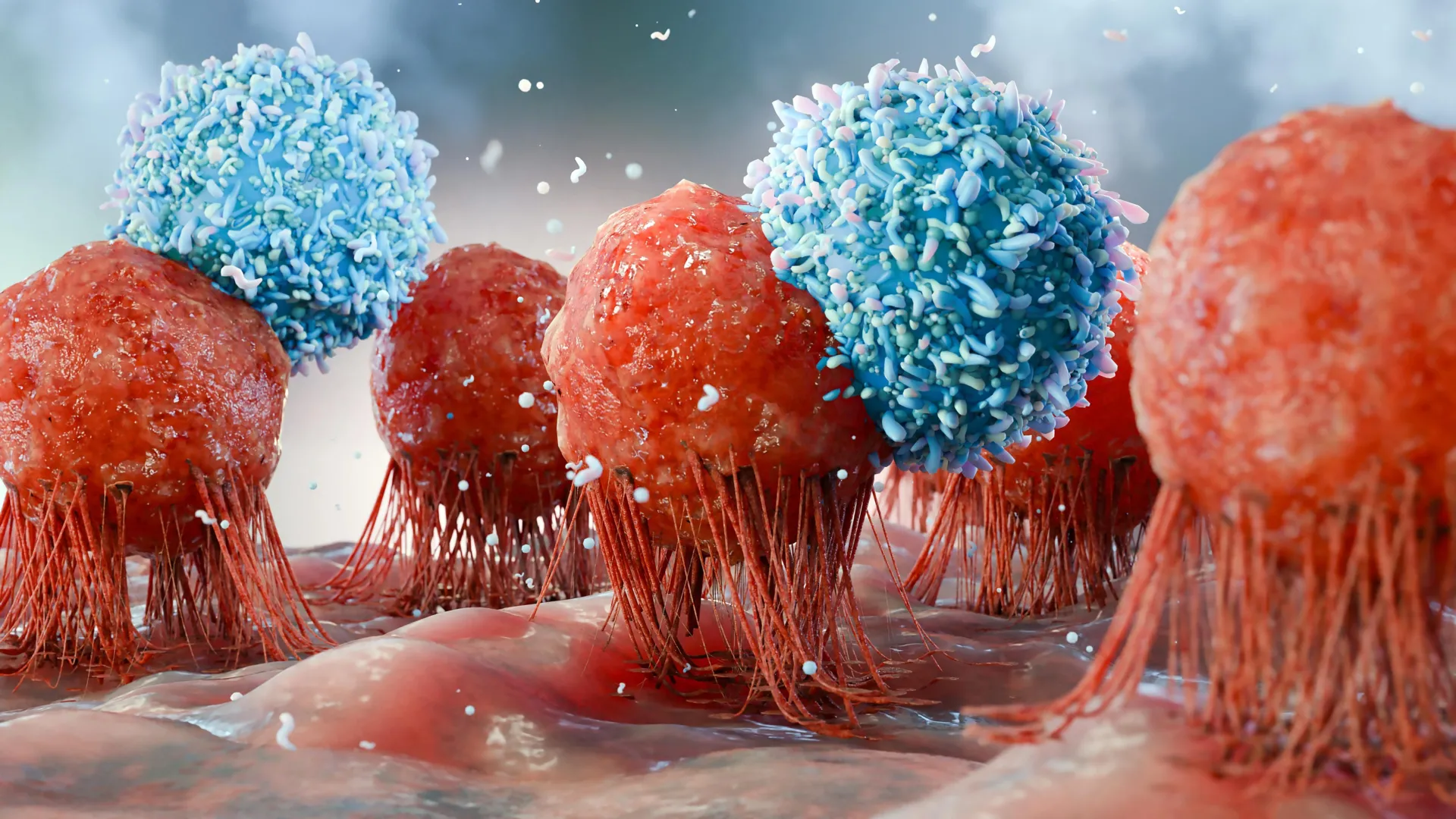
In a transformative development for the field of regenerative medicine and oncology, researchers at the University of Southern California (USC) have unveiled a methodology to produce a virtually inexhaustible supply of cancer-fighting immune cells. This breakthrough, centered on the manipulation of immature immune precursors, offers a strategic solution to the primary bottlenecks of current immunotherapy: the scarcity of viable cells and their limited persistence within the hostile environment of a malignant tumor. By identifying the specific conditions required to maintain the self-renewal of granulocyte-monocyte progenitors (GMPs), the USC-led team has established a scalable platform for generating high-potency, genetically engineered macrophages capable of infiltrating solid tumors and orchestrating a systemic immune response.
The Paradigm Shift in Hematopoietic Biology
For decades, the prevailing consensus in hematology held a rigid hierarchy regarding blood cell development. It was long understood that long-term self-renewal—the ability of a cell to divide repeatedly while maintaining its undifferentiated state—was the exclusive domain of hematopoietic stem cells (HSCs). As these cells matured into "progenitor" cells, such as GMPs, they were thought to lose this regenerative capacity, becoming "committed" to a specific lineage and eventually maturing into short-lived functional cells like macrophages or neutrophils.
The study, published in the journal Cell, fundamentally challenges this biological dogma. Led by Dr. Qi-Long Ying, a professor of stem cell biology and regenerative medicine at the Keck School of Medicine of USC, the researchers discovered that under a precisely calibrated chemical environment, GMPs can be induced to self-renew indefinitely. This discovery effectively turns a "transient" middle-stage cell into a renewable resource.
"Our findings suggest that the capacity for self-renewal is more plastic than previously believed," stated Dr. Ying. "By providing the right external signals, we can halt the maturation process of GMPs without stripping them of their identity. This allows us to grow massive quantities of these cells in the lab, providing a reliable ‘starting material’ for complex genetic engineering that was previously impossible with mature, terminal immune cells."
Overcoming the Limitations of CAR-T Therapy
To understand the significance of this discovery, one must look at the current landscape of immunotherapy. The most successful modern intervention, Chimeric Antigen Receptor (CAR) T-cell therapy, involves modifying a patient’s own T-cells to recognize cancer markers. While CAR-T has revolutionized the treatment of "liquid" cancers like leukemia and lymphoma, it has largely faltered when facing solid tumors, which account for approximately 90% of adult cancer deaths.
Solid tumors, such as those found in the lungs, breast, or pancreas, create a "microenvironment" that is physically dense and chemically immunosuppressive. T-cells often struggle to penetrate these masses. Furthermore, the process of extracting, engineering, and re-infusing a patient’s own T-cells is expensive, time-consuming, and difficult to scale.
Macrophages, the target of the USC study, offer a natural advantage. Derived from GMPs, macrophages are known as the "big eaters" of the immune system. Unlike T-cells, macrophages are naturally programmed to migrate into tissues and inhabit tumors. However, mature macrophages are notoriously difficult to manipulate; they do not divide well in laboratory cultures and often lose their potency when frozen or stored. By engineering the GMP—the progenitor—rather than the mature macrophage, the USC team has bypassed these logistical hurdles.
The Technical Innovation: A Scalable Engineering Platform
The research team, including first author Dr. Shi Yue, developed a proprietary mixture of small molecules and growth factors that sustains GMPs in a state of "arrested development." In this state, the cells multiply rapidly but do not differentiate into mature macrophages until prompted.
This platform allowed the researchers to apply CAR technology to the GMPs. They inserted a chimeric antigen receptor designed to recognize specific tumor-associated antigens. Because these cells were engineered at the progenitor stage, every macrophage subsequently produced by that progenitor inherited the CAR receptor.
Furthermore, the team added a secondary genetic "booster"—an immune-activating signal. This modification ensures that when the engineered macrophage encounters a tumor, it does not just attack the cancer cell itself but also releases chemical signals (cytokines) that call for backup from the rest of the immune system, including the body’s natural T-cells. This "dual-action" approach effectively turns the tumor from a "cold" environment (one that the immune system ignores) into a "hot" environment (one under active siege).
Independent Validation and Preclinical Success
The robustness of the USC findings was bolstered by independent verification at Stanford University. Dr. Ravi Majeti, Director of the Institute for Stem Cell Biology and Regenerative Medicine at Stanford, and his team successfully replicated the expansion and engineering of GMPs using the USC protocol.
"This independent validation is critical," noted Dr. Majeti. "It demonstrates that the GMP platform is not a fluke of one specific lab environment but a reproducible biotechnological tool. The ability to engineer these cells to drive multiple potent functions opens the door to a new era of ‘off-the-shelf’ cellular therapies."
In preclinical trials involving mouse models, the results were highly encouraging. When the engineered GMPs were injected into mice with both blood cancers and aggressive solid tumors, the cells did not simply disappear. Instead, they migrated to the bone marrow—the body’s natural blood factory—and established a "beachhead." From there, they continuously produced a fresh supply of CAR-engineered macrophages that circulated through the body and localized within tumors.
The data showed a significant reduction in tumor volume and a marked increase in survival rates compared to control groups. Crucially, the engineered cells remained active and effective even when the donor cells were not an exact genetic match for the recipient, suggesting that this method could lead to universal donor treatments that do not require the bespoke, patient-specific manufacturing that makes current therapies so costly.
Broad Implications: From Cancer to Genetic Disorders
While the primary focus of the USC study was oncology, the researchers explored the broader utility of renewable GMPs. They tested the platform on mice suffering from chronic granulomatous disease (CGD), a rare primary immunodeficiency where white blood cells are unable to kill certain types of bacteria and fungi.
By administering healthy, engineered GMPs to the CGD-affected mice, the researchers were able to restore functional immune responses, allowing the animals to successfully clear infections that would have otherwise been fatal. This suggests that the GMP platform could be used to treat a wide array of conditions, including:
- Inherited Immune Deficiencies: Replacing defective cell lines with engineered, functional progenitors.
- Infectious Diseases: Bolstering the immune response against antibiotic-resistant bacteria or novel viral pathogens.
- Autoimmune Disorders: Engineering macrophages to dampen overactive immune responses in specific tissues.
Analysis of Future Challenges and Ethical Considerations
Despite the excitement surrounding the Cell publication, the transition from mouse models to human clinical trials remains a significant hurdle. Human biology is vastly more complex than that of mice, and the long-term persistence of engineered progenitor cells in the human bone marrow must be carefully monitored for safety.
One primary concern for regulatory bodies like the FDA will be the risk of "insertional mutagenesis"—the possibility that the genetic engineering process could inadvertently trigger a different form of cancer, such as leukemia, by disrupting the cell’s natural DNA. Additionally, the "cytokine storm," a common side effect of CAR-T therapy where the immune system overreacts and attacks the patient’s own organs, will need to be evaluated in the context of CAR-engineered macrophages.
However, the USC team remains optimistic. By focusing on the "developmental stage" of the cell, they believe they have found a safer and more manageable way to deliver genetic payloads. "The future of immunotherapy is not just about the receptor we design, but the vehicle we choose to carry it," Dr. Ying concluded.
Chronology of Immunotherapy Milestones
- 1890s: William Coley uses bacteria to stimulate the immune system against tumors.
- 1980s: Discovery of Interleukin-2 as a potential cancer treatment.
- 2011: FDA approves the first checkpoint inhibitor (Ipilimumab).
- 2017: FDA approves the first CAR-T cell therapies (Kymriah and Yescarta).
- 2024: USC researchers announce the successful expansion and CAR-engineering of GMPs, marking the potential start of the "CAR-Macrophage" era.
Funding and Collaboration
The research was a multi-institutional effort, involving scientists from USC, Stanford University, Creighton University, Harvard Medical School, and the Dana-Farber Cancer Institute. The study received significant financial backing from a variety of sources, including the Chen Yong Foundation, the California Institute for Regenerative Medicine (CIRM), and several specialized research funds such as the L.K. Whittier Foundation and the Eli and Edythe Broad Innovation Award. This diverse funding base underscores the high level of interest in moving beyond the limitations of current T-cell-based therapies.
As the scientific community digests these findings, the USC platform stands as a testament to the power of basic stem cell research to unlock new frontiers in clinical medicine. If successful in humans, the ability to manufacture "off-the-shelf" immune defenders from a renewable source could finally bring the promise of immunotherapy to the millions of patients currently battling solid tumor malignancies.
