
 By Suherman Candra Maholtra
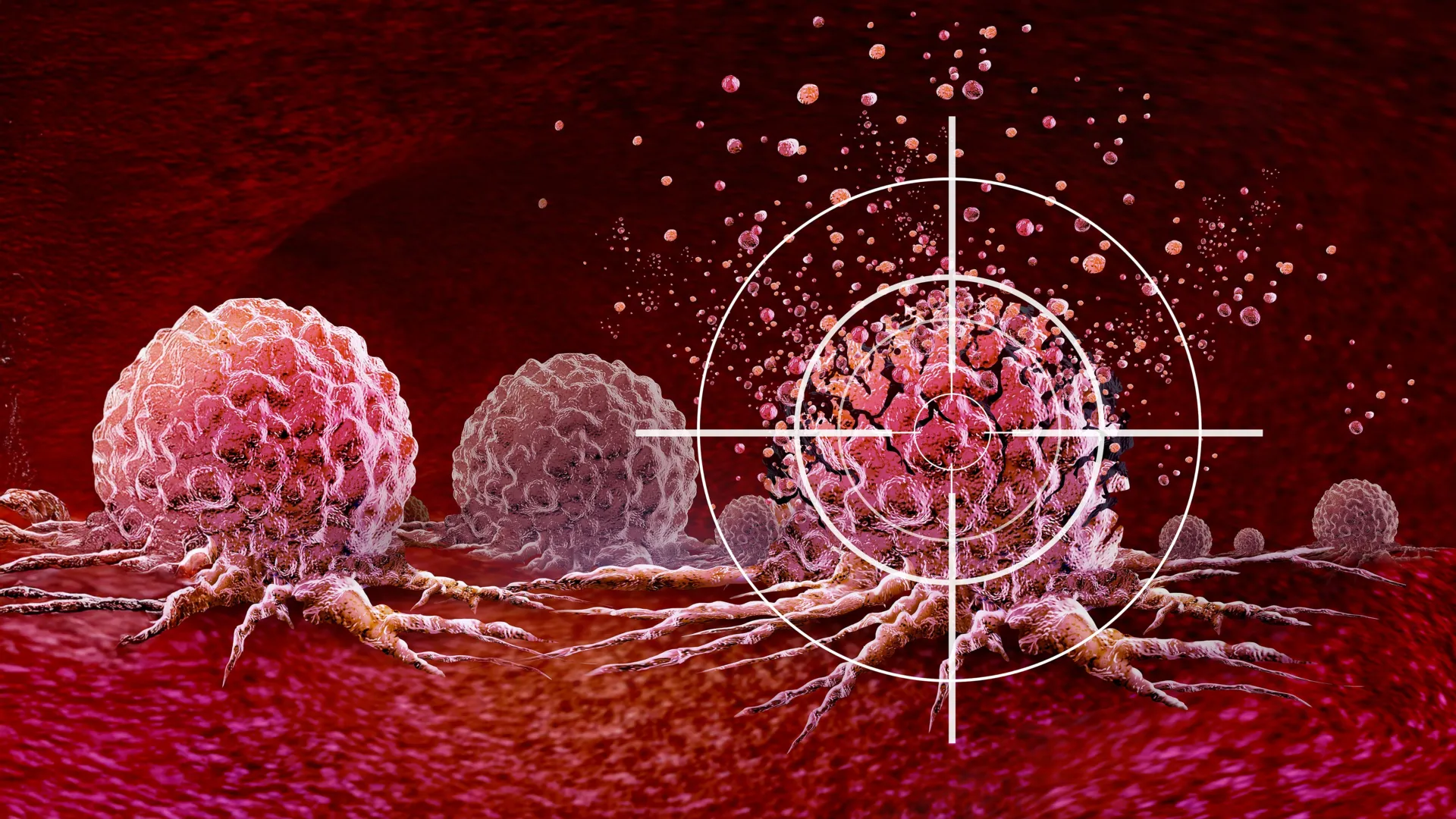
In a landmark advancement for neuro-oncology, researchers at the University of Virginia (UVA) Comprehensive Cancer Center have unveiled a sophisticated experimental strategy to combat glioblastoma, the most prevalent and lethal form of primary brain cancer in adults. By integrating genetic engineering with cutting-edge acoustics, the team has developed a method to bypass the brain’s natural defenses and deliver a multi-pronged molecular attack directly into the heart of malignant tumors. This innovative approach, detailed in the Journal of Clinical Investigation, addresses the dual challenges of drug delivery and tumor resistance that have historically rendered glioblastoma nearly untreatable.
The Formidable Challenge of Glioblastoma Multiforme
Glioblastoma multiforme (GBM) is widely regarded as one of the most difficult challenges in modern medicine. Classified as a Grade IV astrocytoma, it is characterized by rapid cell division, a robust blood supply, and an invasive nature that allows cancer cells to migrate into healthy brain tissue far beyond the visible tumor mass. In the United States alone, glioblastoma accounts for approximately 14.5% of all primary brain tumors and results in more than 13,000 deaths annually.
The current standard of care—a regimen known as the Stupp Protocol—typically involves maximal surgical resection followed by a combination of radiation therapy and the chemotherapy drug temozolomide. Despite these aggressive interventions, the median survival rate for patients remains a sobering 15 to 18 months, with a five-year survival rate of less than 7%. The failure of traditional therapies is largely attributed to two factors: the heterogeneous nature of the tumor, which allows it to develop resistance to single-target drugs, and the presence of the blood-brain barrier (BBB).
Breaching the Fortress: The Blood-Brain Barrier Problem
The blood-brain barrier is a highly selective semipermeable border of endothelial cells that protects the central nervous system from toxins and pathogens in the blood. While essential for neurological health, the BBB is a significant obstacle for oncology; it effectively blocks more than 98% of small-molecule drugs and nearly 100% of large-molecule therapies from reaching the brain.
To overcome this "fortress," the UVA research team, led by Roger Abounader, MD, PhD, utilized a sophisticated tripartite delivery system. This system combines specialized nanoparticles, microscopic bubbles, and focused ultrasound (FUS). When microbubbles are injected into the bloodstream and exposed to precise sound waves from the ultrasound, they begin to vibrate—a process known as cavitation. This vibration creates temporary gaps between the endothelial cells of the blood-brain barrier, allowing the nanoparticles carrying the therapeutic payload to pass into the brain parenchyma.
The Power of MicroRNA in Multi-Target Therapy
The therapeutic payload itself represents a shift in how scientists approach cancer genetics. Rather than using traditional drugs that inhibit a single protein or pathway, Dr. Abounader’s team utilized "microRNAs." These are small, non-coding RNA molecules that function as master regulators of gene expression. A single microRNA can silence or suppress multiple genes simultaneously.
"This new approach could help target numerous molecules that promote cancer growth, including those for which no drugs exist, at the same time to achieve better therapies," explained Dr. Abounader, a professor at UVA’s School of Medicine.
By identifying specific microRNAs that interfere with the development and proliferation of glioblastoma, the researchers created a "molecular cocktail" capable of disrupting the complex networks that the tumor uses to survive. This multi-target approach is critical because glioblastoma is notorious for its ability to "bypass" single-target inhibitors by activating alternative growth pathways. By shutting down several pathways at once, the microRNA treatment makes it significantly harder for the cancer to adapt and survive.
Experimental Success and Laboratory Findings
The efficacy of this strategy was rigorously tested in laboratory settings and animal models of glioblastoma. Using magnetic resonance imaging (MRI) to guide the focused ultrasound, the researchers were able to target the sound waves with millimeter precision, ensuring that the blood-brain barrier was opened only in the vicinity of the tumor.
The results were statistically significant. In the animal models, the combination of focused ultrasound and microRNA-loaded nanoparticles resulted in:
- Reduced Tumor Volume: A measurable decrease in the rate of tumor growth compared to control groups.
- Extended Survival: Animals receiving the experimental treatment lived significantly longer than those receiving standard chemotherapy or no treatment.
- Safety Profile: The temporary opening of the blood-brain barrier was found to be reversible, closing within hours of the procedure without causing permanent neurological damage or significant systemic side effects.
These findings suggest that the nanoparticle-microRNA complex can effectively "reprogram" the tumor environment, making the cancer cells more susceptible to death and less capable of invasion.
Institutional Synergy: The Role of UVA Health and the FUSION Center
The success of this research is a testament to the concentrated expertise at the University of Virginia. UVA Health has long been a global leader in the development of focused ultrasound technology. This leadership was solidified through a partnership with the Charlottesville-based Focused Ultrasound Foundation to create the Focused Ultrasound Immuno-Oncology (FUSION) Center.
The FUSION Center is the first facility in the world dedicated specifically to exploring the intersection of focused ultrasound and cancer immunotherapy. By combining the physical effects of ultrasound with the biological power of the immune system and genetic regulators like microRNA, UVA researchers are creating a new paradigm for cancer care.
Furthermore, the research aligns with the mission of the Paul and Diane Manning Institute of Biotechnology. Established with a vision to accelerate the transition of laboratory discoveries into clinical realities, the Manning Institute provides the infrastructure necessary to move experimental treatments like Dr. Abounader’s through the rigorous phases of clinical trials.
A Chronology of Innovation and Future Clinical Paths
The development of this strategy follows a decade of incremental breakthroughs in both RNA science and medical imaging.
- 2010-2015: Early research into the role of microRNAs in oncogenesis identified several "oncomiRs" (cancer-promoting miRNAs) and "tumor-suppressor miRs."
- 2016-2020: Advancements in nanoparticle technology allowed for the stable encapsulation of RNA, which is otherwise easily degraded in the bloodstream.
- 2021-2023: The integration of MRI-guided focused ultrasound provided the "key" to the blood-brain barrier, leading to the current study’s success.
The next phase for Dr. Abounader and his colleagues involves optimizing the nanoparticle design for human use and conducting safety studies required by the FDA. "We are hoping to translate our findings into future clinical trials for patients with glioblastoma and other brain tumors," Dr. Abounader stated. If successful in humans, this technology could be adapted for other neurological conditions, including metastatic brain cancer from primary sites like the lung or breast, and even neurodegenerative diseases like Alzheimer’s, where the BBB has traditionally hindered drug delivery.
Broader Implications for Oncology and Beyond
The implications of this research extend far beyond glioblastoma. The ability to non-invasively and temporarily open the blood-brain barrier represents a "holy grail" in neurology. If this delivery platform is validated, it could become a standard delivery vehicle for a wide range of therapies, from traditional chemotherapy to advanced gene-editing tools like CRISPR.
Moreover, the use of microRNA as a therapeutic agent offers a blueprint for treating other "undruggable" cancers. Many proteins that drive cancer lack the specific binding pockets required for traditional small-molecule drugs to work. MicroRNA bypasses this limitation by targeting the genetic instructions (mRNA) before the protein is ever created.
"This approach could have broad applications for several brain and other human diseases," noted Dr. Abounader. "We and many others are intensively working to lighten the burden of cancer, and hopefully also completely cure it, but this requires a continued investment in cancer and medical research."
Research Support and Collaborative Excellence
The study was a massive collaborative effort involving a diverse team of researchers, including Shekhar Saha, Ying Zhang, and more than 30 other scientists from across the University of Virginia and contributing institutions. The interdisciplinary nature of the team—spanning microbiology, immunology, cancer biology, and biomedical engineering—was essential for integrating the disparate technologies of ultrasound and genetic therapy.
The research was supported by substantial public and private funding, reflecting its high potential for clinical impact. Key contributors included the National Institutes of Health (NIH), the National Cancer Institute (NCI), and the National Institute of Neurological Disorders and Stroke (NINDS). Additional funding was provided by the Schiff Foundation, the Ben and Catherine Ivy Foundation, and the Focused Ultrasound Foundation.
As UVA Comprehensive Cancer Center—one of only 57 NCI-designated comprehensive cancer centers in the country—continues to push the boundaries of medical science, this latest breakthrough stands as a beacon of hope for patients facing the world’s most aggressive malignancies. While the road to widespread clinical use is long, the combination of sound waves and genetic silencing has opened a promising new door in the fight against brain cancer.
