
 By Lina carolina
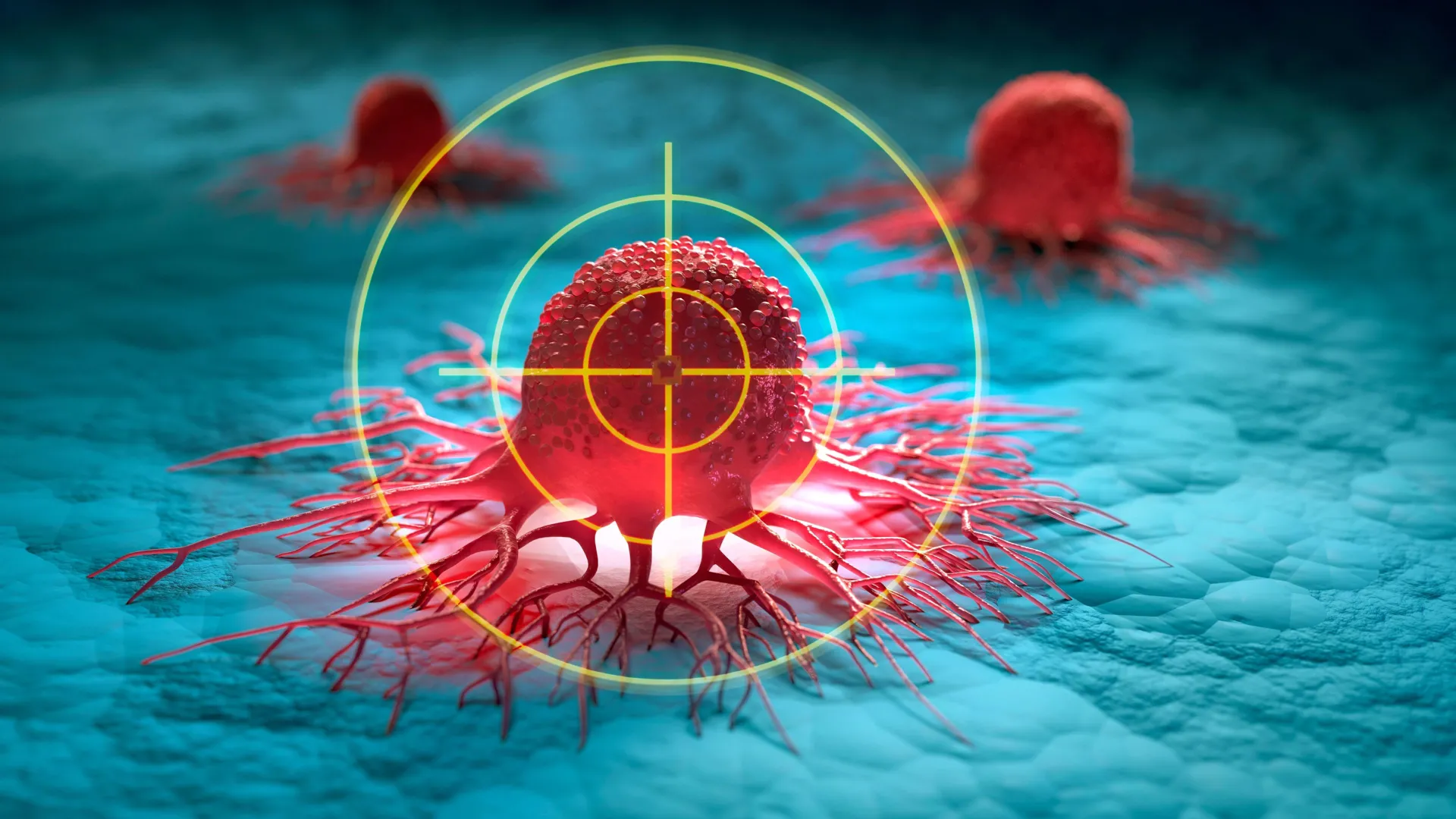
Prostate cancer, a formidable adversary affecting approximately one in eight men during their lifetime, presents a significant public health challenge. While many individuals diagnosed with this disease achieve survival, a concerning subset experiences its aggressive progression to metastatic stages, spreading to distant parts of the body. In the United States, prostate cancer tragically ranks as the second leading cause of cancer-related mortality among men, underscoring the urgent need for innovative treatment modalities. The prevailing therapeutic landscape for metastatic prostate cancer often hinges on androgen receptor inhibitors, a class of drugs that effectively suppress tumors by targeting their dependence on male hormones like testosterone. However, a critical limitation of these therapies is the eventual development of resistance, leaving patients with limited options.
Recent groundbreaking research spearheaded by scientists at the University of Michigan has unveiled a potential breakthrough: a novel dual-drug approach that targets the intricate mechanisms by which prostate cancer cells evade treatment by fundamentally altering their cellular identity. This innovative strategy, detailed in a study published in the esteemed journal JCI Insight, offers a glimmer of hope for patients whose cancers have become refractory to conventional therapies and may hold broader implications for other challenging malignancies.
The Elusive Nature of Prostate Cancer Resistance: A Cellular Transformation
The genesis of prostate cancer often lies in tumors that mimic the normal glandular structure of the prostate, exhibiting gene expression patterns characteristic of these cells and thriving under the influence of androgens. This androgen dependency has long been the Achilles’ heel exploited by therapeutic interventions. Androgen receptor inhibitors, a cornerstone of treatment for metastatic disease, have historically demonstrated efficacy by curtailing the fuel source for these cancer cells. Yet, the remarkable adaptability of cancer cells means that nearly all patients eventually develop resistance, necessitating a deeper understanding of the molecular underpinnings of this phenomenon.
At the heart of this resistance lies a complex biological process known as transdifferentiation. This is not a mere adaptation but a profound transformation where prostate cancer cells shed their glandular identity and adopt entirely new cellular characteristics. As these cells undergo transdifferentiation, they begin to activate alternative biological pathways, effectively rewiring their cellular machinery to escape the confines of their original programming and, consequently, the effects of targeted therapies. The precise molecular triggers and consequences of this cellular metamorphosis have been a subject of intense scientific inquiry.
Unraveling the Genetic Roots of Transdifferentiation
Prior research had established a crucial link between the loss of specific tumor suppressor genes, namely TP53 and RB1, and the onset of transdifferentiation in prostate cancer. These genes play vital roles in regulating cell growth, division, and repair. Their absence or inactivation can lead to uncontrolled proliferation and genomic instability, creating fertile ground for cancer progression. However, the exact cascade of events initiated by the loss of TP53 and RB1 that drives such a dramatic shift in tumor cell identity remained elusive until now.
The University of Michigan research team delved into this critical question by meticulously examining various prostate cancer cell lines. Their investigation focused on identifying the specific cellular pathways that become dysregulated when TP53 and RB1 are compromised. This in-depth analysis provided pivotal insights into the dual nature of the cellular transformation.
"We observed that there are two sides to this transition: loss of glandular genes and activation of cell programs that cause the identity to switch into stem cells," explained Joshi Alumkal, M.D., Professor of Internal Medicine-Hematology/Oncology and a member of the Rogel Cancer Center. This observation highlights a critical dichotomy: as the cancer cells lose their original prostate-specific characteristics, they simultaneously embrace a more primitive, stem-cell-like identity. This shift is instrumental in their survival and proliferation, as stem cells possess inherent regenerative and adaptive capabilities.
A Two-Pronged Attack: Targeting Both Sides of the Cellular Shift
Understanding the dual nature of transdifferentiation paved the way for the development of a targeted therapeutic strategy. The research team, building on their previous work, identified one class of drugs that could interfere with the pathways enabling the activation of alternative cellular identities: BET bromodomain inhibitors. These inhibitors act by disrupting the machinery that promotes the adoption of new cellular programs.
While BET bromodomain inhibitors demonstrated an ability to slow the growth of resistant prostate cancer cell lines, they were not sufficient to halt the disease’s progression permanently. This finding spurred further investigation into complementary therapeutic agents. The researchers then turned their attention to a second class of drugs known as DNA methyltransferase (DNMT) inhibitors.
DNMT inhibitors operate by reactivating genes that have been silenced or switched off during the disease process. In the context of transdifferentiation, the researchers were particularly interested in their potential to restore the expression of glandular genes that are often lost as prostate cancer cells undergo their identity shift. This class of drugs holds particular promise as they have already received FDA approval for treating other conditions, including certain types of blood cancer, indicating a favorable safety profile and established efficacy in other oncological settings.
The Synergistic Power of Combination Therapy
The pivotal moment in the research came when the team combined BET bromodomain inhibitors with DNMT inhibitors. This synergistic approach proved to be significantly more effective than either drug used in isolation. The dual-drug combination profoundly suppressed the growth of prostate cancer cell lines, offering a potent weapon against tumors that had previously proven intractable.
The efficacy of this combination was further validated in preclinical models. When prostate tumors were implanted in mice, the administration of both BET bromodomain inhibitors and DNMT inhibitors led to a marked reduction in tumor growth. This in vivo validation is a crucial step in translating laboratory findings into potential clinical applications.
"When we used both drugs, we reversed a significant portion of gene expression changes that occur in the tumors, which is encouraging," stated Will Storck, Ph.D., a Research Lab Specialist in the Alumkal lab. This reversal of gene expression changes signifies a move back towards a less aggressive cellular phenotype, a critical indicator of therapeutic success.
Furthermore, the study highlighted the tolerability of this combination therapy. "It is also promising that we saw a significant reduction in tumor growth even at doses far lower than the recommended dose, and this drug combination was well tolerated by the mice," Storck added. This suggests that a dual-drug regimen might offer substantial clinical benefits with a manageable side-effect profile, a critical consideration for patient care.
The findings strongly suggest that a comprehensive approach, targeting both the shedding of glandular characteristics and the activation of alternative cellular identities, is superior to blocking only one facet of the cancer’s escape mechanism. One drug hinders the pathways that promote an aberrant cellular identity, while the other endeavors to reawaken the lost glandular gene activity, effectively pushing the cancer cell back towards a more vulnerable state.
The Road Ahead: Identifying Candidates for Targeted Treatment
While these preclinical results are highly encouraging, the journey from laboratory discovery to clinical application involves several critical next steps. The researchers are now focused on pinpointing the specific genes that are most instrumental in mediating the observed antitumor effects of the combination therapy. This detailed molecular understanding will be crucial for optimizing treatment strategies.
Moreover, the identification of biomarkers is paramount. Biomarkers are measurable indicators that can help predict which patients are most likely to respond favorably to this novel drug combination. This personalized medicine approach ensures that the most effective treatments are delivered to those who will benefit most, avoiding unnecessary exposure to potential side effects for others.
A significant unanswered question revolves around the timing of intervention. The researchers are keen to explore whether it is possible to prevent transdifferentiation from occurring in the first place, rather than solely focusing on treating tumors after they have already undergone this transformative process.
"Preventing the emergence of transdifferentiation would be key to patient survival," Dr. Alumkal emphasized. "Distinguishing between patients whose tumors will never undergo this transition versus patients whose tumors may will help us use this treatment effectively and early." This proactive strategy could fundamentally alter the prognosis for a significant number of prostate cancer patients.
The team’s immediate objective is to pave the way for clinical trials to rigorously evaluate the efficacy and safety of combining BET bromodomain and DNMT inhibitors in patients diagnosed with transdifferentiated prostate cancer. This transition from preclinical research to human trials represents a crucial hurdle in the development of any new cancer therapy.
Beyond prostate cancer, the implications of this research extend to other malignancies. The phenomenon of transdifferentiation is not unique to prostate cancer; it has been observed in other aggressive cancers, including those of the lung and pancreas. The University of Michigan researchers express optimism that their two-drug approach could potentially be adapted and tested against these other cancer types, offering a beacon of hope for a wider patient population grappling with difficult-to-treat cancers. This broad applicability underscores the fundamental importance of understanding and targeting cellular identity shifts in cancer biology. The ongoing quest for effective cancer treatments continues, fueled by such innovative research and the relentless pursuit of scientific breakthroughs.
