
 By George Ongkojoyo
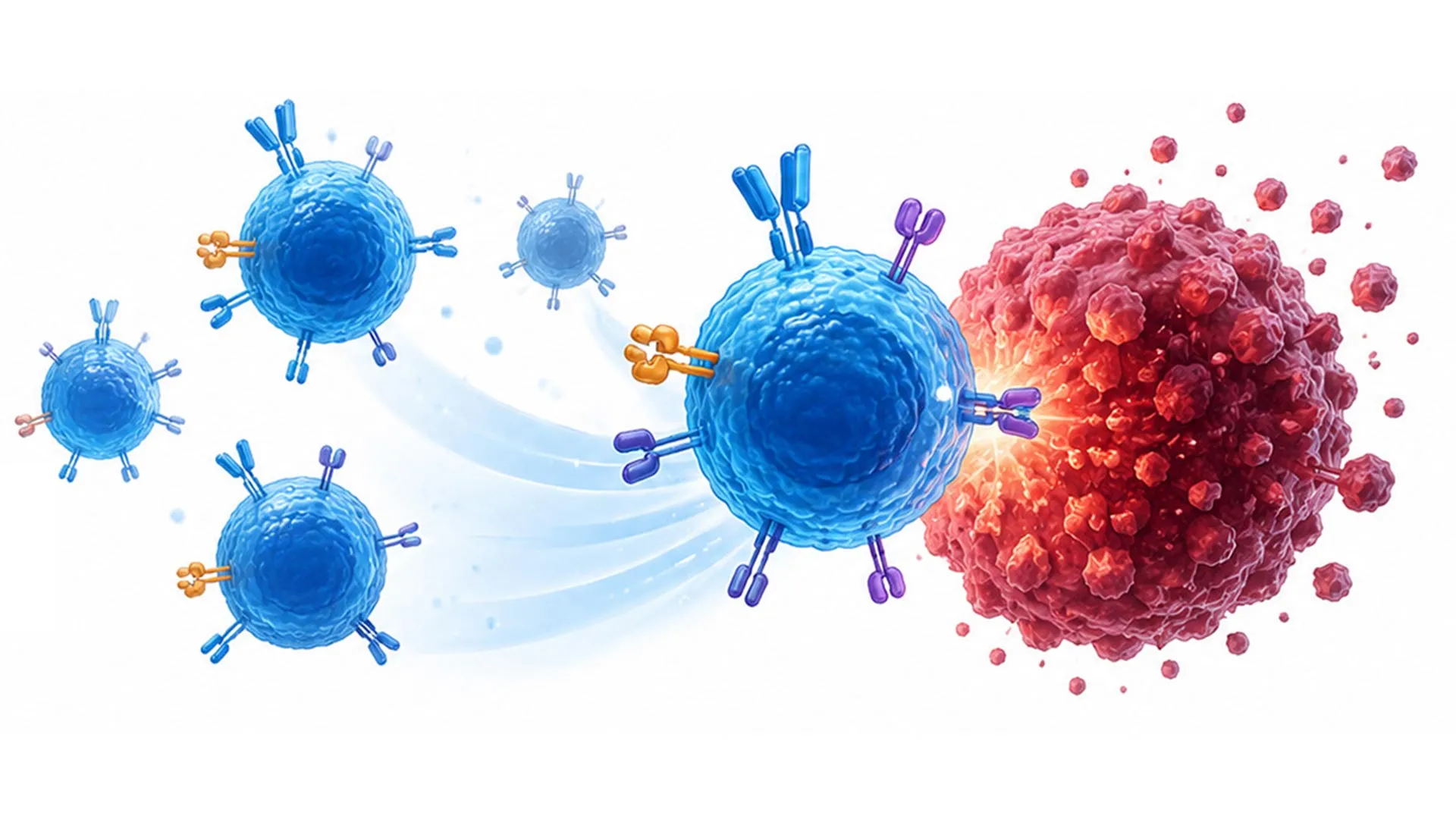
In a significant advancement for the field of oncology, researchers at the University of California, Los Angeles (UCLA) have unveiled a novel platform for producing T cell receptor (TCR) therapy that could bypass the prohibitive costs and logistical hurdles currently plaguing personalized cancer treatments. The study, published in the journal Cell Reports Medicine, describes a method to generate "off-the-shelf" immune cells from donated umbilical cord blood stem cells, potentially transforming how clinicians approach hard-to-treat solid tumors such as melanoma and ovarian cancer. By utilizing a scalable manufacturing process, the researchers estimate that the cost of these life-saving therapies could drop from several hundred thousand dollars to approximately $5,000 per dose, representing a paradigm shift in global healthcare equity and oncology.
The Evolution of Immunotherapy: TCR vs. CAR T-Cell Technology
To understand the magnitude of the UCLA breakthrough, it is essential to contextualize the current state of immunotherapy. For the past decade, Chimeric Antigen Receptor (CAR) T-cell therapy has dominated the headlines, offering functional cures for certain blood cancers like leukemia and lymphoma. However, CAR T-cell therapy has a significant limitation: it can only recognize and bind to proteins that naturally sit on the exterior surface of a cell.
TCR therapy represents the next frontier in immune engineering. Unlike CAR T-cells, TCR-engineered cells are designed to detect small fragments of proteins—peptides—that originate deep inside the cancer cell. These fragments are ferried to the cell surface by the Major Histocompatibility Complex (MHC), where they act as "identifying tags" or "flags" for the immune system. Because the vast majority of cancer-specific mutations and proteins are located within the cell rather than on its surface, TCR therapy possesses an expanded reach, making it a far more promising candidate for treating solid tumors, which account for approximately 90% of adult human cancers.
The Bottleneck: The High Cost and Risk of Personalization
Despite the scientific promise of TCR therapy, the industry has struggled with a "major practical obstacle": personalization. Currently, most T-cell therapies are autologous, meaning they are manufactured using a patient’s own white blood cells. This process involves a complex and time-consuming cycle: cells are extracted from the patient, shipped to a specialized laboratory, genetically modified, expanded into billions of units, and then shipped back for infusion.
This cycle typically takes three to six weeks—a window during which many advanced-stage cancer patients may see their condition deteriorate. Furthermore, the bespoke nature of the manufacturing process drives costs into the mid-six figures, often exceeding $400,000 per treatment, excluding hospital stays and ancillary care.
Attempts to use healthy donor cells—allogeneic or "off-the-shelf" therapy—have historically faced a secondary danger: graft-versus-host disease (GvHD). When mature T cells from a donor are introduced into a patient, the donor cells’ natural receptors may identify the patient’s healthy tissues as "foreign," leading to a potentially fatal systemic attack. To prevent this, scientists have traditionally used complex gene-editing tools like CRISPR to "knock out" the natural receptors, a process that adds further technical difficulty and potential for error.
A Breakthrough in Cellular Engineering: The UCLA Strategy
The UCLA team, led by co-senior author Lili Yang, a professor of microbiology, immunology, and molecular genetics, sought to address both the cost and the safety concerns by rethinking the starting material of the therapy. Instead of using mature T cells, which come pre-programmed with their own random receptors, the researchers began with hematopoietic (blood) stem cells derived from donated umbilical cord blood.
"Stem cells are undifferentiated—they’re not yet mature T cells with a fixed receptor already in place," explained co-first author Yichen (John) Zhu. By inserting the gene for a specific T-cell receptor at this early, immature stage, the researchers essentially "pre-program" the cells’ identity. As these stem cells are guided to mature into T cells in a controlled laboratory environment, they do not develop the diverse array of natural receptors that cause GvHD.
The specific target chosen for this study was NY-ESO-1, a well-known "cancer-testis antigen." NY-ESO-1 is highly expressed in various aggressive solid tumors—including melanoma, sarcoma, and ovarian cancer—but is virtually absent in healthy adult tissues, making it an ideal target for precision strikes that minimize "off-target" damage to the patient.
Solving the Problem of Antigen Escape
One of the most persistent challenges in treating solid tumors is their inherent heterogeneity. Even within a single tumor, cancer cells can vary significantly. Some cells may stop producing the NY-ESO-1 protein to evade the immune system, a phenomenon known as "antigen escape." When a therapy is designed to hit only one target, antigen escape allows the cancer to survive and eventually relapse.
To counter this, the UCLA team engineered the AlloESO-T cells with a "backup" detection system. In addition to the TCR targeting NY-ESO-1, the cells were equipped with natural killer (NK) cell receptors. These receptors allow the T cells to recognize broad "stress signals" that most cancer cells emit when they are in a state of rapid growth or malignancy.
"Our stem cell-derived cells still have a second mechanism to kill those tumor cells," said Zhu. In laboratory tests involving human prostate, ovarian, and melanoma cells, this dual-threat approach proved highly effective. The T cells were able to destroy cancer cells that had successfully "hidden" their NY-ESO-1 markers, closing a major escape route for the disease.
Preclinical Results: 100-Fold Expansion and Tumor Control
The efficacy of the AlloESO-T cells was tested in mouse models of highly aggressive ovarian cancer and melanoma. The results, according to the researchers, were "striking."
A single dose of the engineered cells provided lasting tumor control and significantly extended the survival of the animals. In contrast, mice treated with conventionally engineered donor T cells (mature cells) only experienced temporary tumor suppression and eventually succumbed to either the cancer or graft-versus-host disease.
The researchers also noted a significant difference in the "fitness" of the cells. After infusion, the AlloESO-T cells expanded by approximately 100-fold within the body. They demonstrated a remarkable ability to home in on the tumor sites, remaining active for several weeks. Crucially, the cells did not accumulate in healthy organs like the lungs or liver, which is a common cause of toxicity in traditional cell therapies.
The Economic Impact: Scaling Trillions of Cells
Perhaps the most disruptive aspect of the UCLA research is its potential impact on the economics of cancer care. Because umbilical cord blood stem cells have an immense capacity for self-renewal and differentiation, a single donation can serve as the foundation for a massive manufacturing run.
"From a small number of cord blood stem cells, we can generate trillions of therapeutic cells—enough for thousands of doses—within about six weeks," said co-senior author Yanruide (Charlie) Li.
The research team estimates that this scalable model could bring the cost per dose down to $5,000. This 98% reduction in price compared to current autologous CAR T therapies could make advanced immunotherapy accessible not just in wealthy nations, but in middle- and low-income healthcare systems where $400,000 treatments are currently unthinkable.
Chronology and the Path to Clinical Trials
The development of the AlloESO-T platform is the result of years of iterative research at the UCLA Broad Stem Cell Research Center. The team previously developed a similar "off-the-shelf" strategy using a different type of immune cell known as CAR-NKT cells.
The chronology of the project’s next steps involves:
- Validation of Manufacturing: The team is currently working with the UCLA Health Center for Advanced Biotherapies to ensure the production process meets the rigorous "Good Manufacturing Practice" (GMP) standards required by the FDA.
- Investigational New Drug (IND) Application: Following the completion of safety studies, the researchers intend to file for an IND to begin Phase I human clinical trials.
- Expansion of Targets: While NY-ESO-1 was the primary focus of this study, the researchers emphasized that the platform is modular. Any validated TCR for any cancer antigen can be "plugged into" this stem cell system.
Implications for the Future of Oncology
The implications of this study extend beyond a single type of cancer. By providing a blueprint for a safe, effective, and affordable "off-the-shelf" TCR therapy, the UCLA team has addressed the three primary hurdles of modern cell therapy: safety (GvHD), efficacy (antigen escape), and accessibility (cost/logistics).
"This platform brings us closer to a future where the product is already made, frozen and ready to go as soon as the patient needs," said Professor Lili Yang.
While the researchers cautioned that the therapy has only been tested in preclinical mouse models and human cell cultures, the consistency of the data provides a strong foundation for human testing. If the results translate to humans, AlloESO-T could mark the beginning of an era where "precision medicine" is no longer a luxury for the few, but a standard of care for the many.
The research was a collaborative effort involving nearly 20 specialists across various disciplines and received support from the California Institute for Regenerative Medicine (CIRM) and the UCLA Molecular Biology Institute. As the oncology community shifts its focus toward solid tumors, the UCLA platform stands as a beacon of the potential for stem cell science to solve the most complex challenges in human health.
