
 By Budi Oetomo Narendra
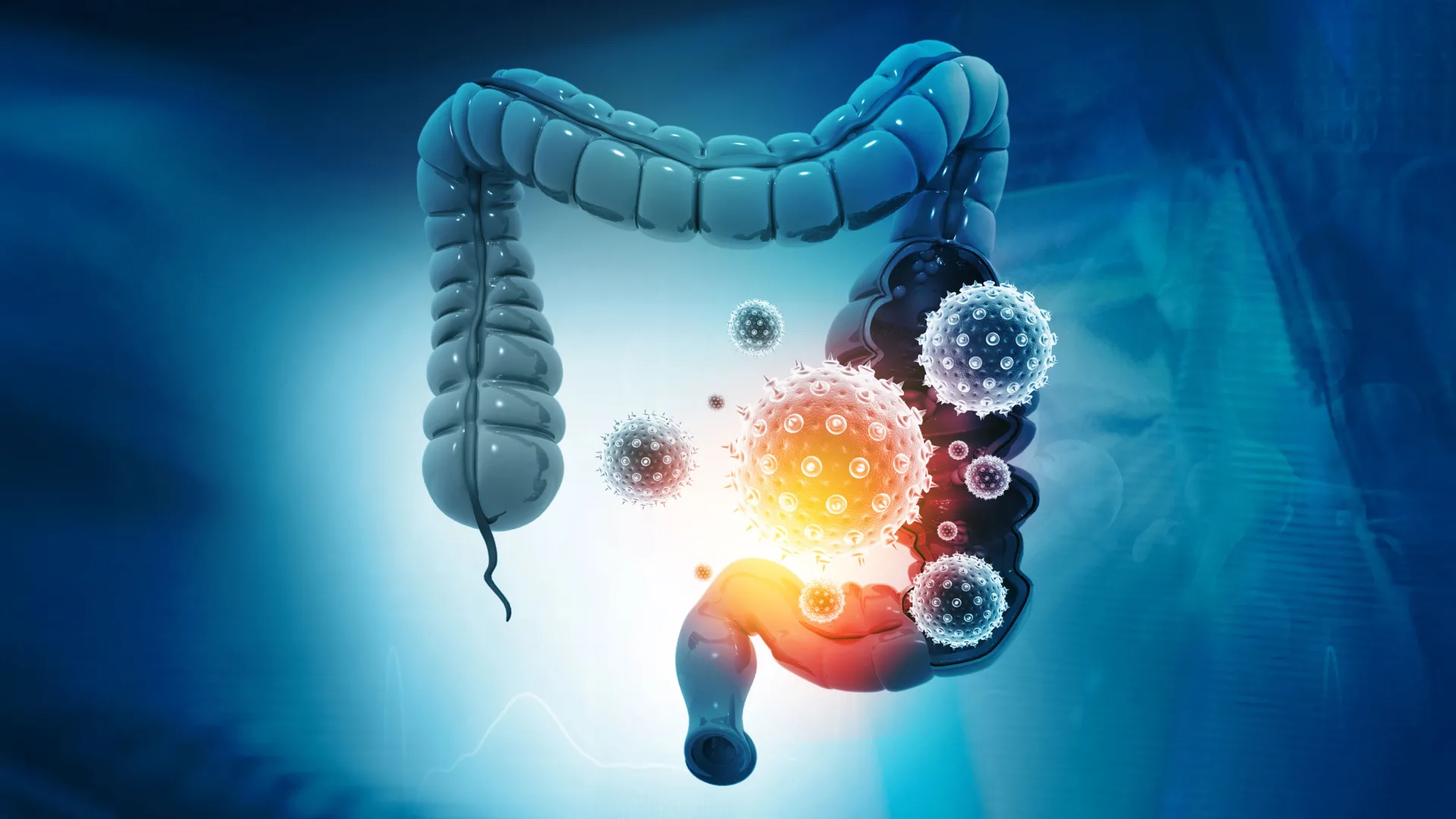
For nearly two decades, scientists have grappled with a critical unanswered question concerning a common gut bacterium: how does its potent toxin, known to damage the colon and fuel tumor formation, initiate its attack? This long-standing mystery has now been resolved by a team of researchers who have uncovered the precise molecular "docking point" that allows the toxin to bind to intestinal cells. This pivotal discovery reveals a surprising vulnerability in the bacterium’s mechanism, offering unprecedented opportunities for developing novel strategies to protect the colon and potentially prevent colorectal cancer.
The breakthrough originates from a collaborative effort led by scientists at the Johns Hopkins Kimmel Cancer Center, its Bloomberg~Kimmel Institute for Cancer Immunotherapy, and the Johns Hopkins University School of Medicine. Their landmark findings, meticulously detailed in a recent publication in the esteemed journal Nature, definitively identify a protein named claudin-4 as the essential gateway for the bacterial toxin, Bacteroides fragilis toxin (BFT). This identification marks a significant leap forward in understanding the intricate dance between gut microbes and human health, particularly in the context of oncogenesis.
Even more compelling than the identification of the receptor itself, the research team has swiftly leveraged this knowledge to engineer a molecular decoy. This innovative decoy is designed to intercept the BFT toxin before it can inflict damage upon colon cells. Initial studies in mice have demonstrated remarkable success, showing that this strategy effectively shielded the animals from the toxin’s deleterious effects. This proof-of-concept offers a tangible pathway toward a new therapeutic paradigm, aiming to prevent bacterial damage that has long been associated with the initiation and progression of colorectal cancer. The National Institutes of Health provided partial support for this critical research, underscoring its national scientific importance.
Dr. Cynthia Sears, a senior author of the study, Bloomberg~Kimmel Professor of Cancer Immunotherapy, and professor of medicine at Johns Hopkins, expressed the profound significance of this achievement. "We’ve made several attempts over time to identify the receptor, so this is an exciting moment," Dr. Sears stated, reflecting on the arduous journey. "Understanding how bacterial toxins work can open doors to new approaches for detection and therapy for associated diseases, including diarrhea, colorectal cancer, and bloodstream infections." Her remarks highlight the broad implications of this discovery, extending beyond cancer to other conditions influenced by microbial toxins.
The Enigmatic Link Between Gut Bacteria and Colorectal Cancer
The focus of this extensive investigation is Bacteroides fragilis, a bacterium that resides within the intestines of a substantial portion of the human population—estimated to be present in up to 20% of healthy individuals. While its presence does not automatically predispose an individual to cancer, specific strains of this bacterium possess the capacity to produce a formidable toxin, BFT. This toxin is known to disrupt the colon’s delicate protective lining, trigger inflammation, and actively encourage the proliferation of tumor cells. Colorectal cancer (CRC) remains a significant global health challenge, ranking as the third most common cancer and the second leading cause of cancer-related deaths worldwide, according to the World Health Organization. In 2020 alone, there were over 1.9 million new cases and 935,000 deaths from CRC. Understanding the modifiable risk factors, including microbial contributions, is therefore paramount.
The B. fragilis toxin, or BFT, has been a subject of intense scientific scrutiny for many years. A pivotal moment in this research timeline occurred in 2009 when Dr. Sears and her colleagues published a landmark study in Nature Medicine. This groundbreaking work unequivocally demonstrated that BFT could promote the development of colon tumors in experimental models. Their findings were instrumental in solidifying the crucial link between toxin-producing gut bacteria, chronic inflammation—a well-established driver of cancer—and the pathogenesis of colorectal cancer. This initial revelation set the stage for the subsequent, more detailed investigations into the toxin’s precise mechanism of action.
Earlier experiments had already shed light on BFT’s destructive capabilities. Researchers knew that the toxin specifically targets and damages a protein called E-cadherin. E-cadherin plays a vital role in maintaining the structural integrity of the colon’s protective barrier by helping to hold neighboring epithelial cells tightly together. When E-cadherin is compromised and broken apart by BFT, the intestinal barrier becomes permeable. This breach can allow harmful substances, including other bacterial components and inflammatory molecules, to infiltrate the underlying tissue, perpetuating inflammation and creating an environment conducive to tumor initiation and growth.
However, a critical piece of the puzzle remained elusive. Despite BFT’s demonstrated ability to degrade E-cadherin, the toxin did not appear to bind directly to this protein. This observation led scientists to hypothesize the existence of an intermediary molecule—a receptor—that facilitated the toxin’s initial attachment and guided it towards its target. Repeated and varied attempts to identify this elusive receptor had, until now, proven unsuccessful, leaving a significant gap in the scientific understanding of BFT’s pathogenic mechanism.
CRISPR Unlocks the Secret: Identifying the Missing Link
To finally unravel this long-standing mystery, the research team turned to cutting-edge technology: CRISPR. CRISPR-Cas9, a revolutionary gene-editing tool, empowers scientists to precisely and selectively disable genes, thereby allowing them to investigate the specific functions of those genes. Its application has transformed biological research, enabling unprecedented control over genetic manipulation and providing powerful insights into gene function.
Maxwell White, an M.D./Ph.D. candidate working in Dr. Sears’ laboratory, spearheaded a comprehensive genome-wide CRISPR screening effort. This ambitious undertaking was conducted in close collaboration with Dr. Matthew Waldor’s laboratory at Harvard Medical School. The team systematically deactivated genes in human colon epithelial cells—the specialized cells that form the inner lining of the colon—to pinpoint which genes were indispensable for the BFT toxin to attach and subsequently inflict damage. This systematic, high-throughput approach was designed to cast a wide net and identify any potential genetic targets.
From this exhaustive screening, one gene emerged with dramatic clarity: the gene responsible for producing claudin-4. Claudin-4 is a crucial protein involved in the formation of "tight junctions" between neighboring cells. These tight junctions act as impermeable seals, meticulously regulating the movement of ions, water, and solutes between cells, thereby maintaining the integrity and selective permeability of the intestinal barrier. Its role is fundamentally structural, ensuring the colon’s lining functions as a robust protective barrier.
The experimental results were striking. When the researchers disabled the gene responsible for claudin-4 production, BFT was no longer able to bind to the colon cells. Without this essential initial attachment point, the toxin was rendered inert and unable to proceed with its damaging attack on E-cadherin. This direct correlation provided compelling evidence.
This pivotal finding definitively established claudin-4 as the long-sought receptor for the bacterial toxin. In essence, the BFT toxin must first physically latch onto claudin-4 before it can activate its enzymatic activity and initiate the cascade of events that leads to colon cell damage and, ultimately, contributes to tumor promotion. "It took a while to get the assay working and validate the approach, but once we were able to do the screen, claudin-4 was a clear, resounding top hit," remarked White, conveying the excitement and relief of the discovery. "That was an exciting moment."
An Unexpected Discovery: A New Bacterial Attack Strategy
The identity of the newly discovered receptor, claudin-4, came as a genuine surprise to the scientific community. Dr. Sears and other researchers in the field had largely anticipated that BFT would interact with a protein involved in cellular signaling, such as a G protein-coupled receptor. These types of receptors typically function as sophisticated communication switches, allowing cells to perceive and respond to various signals from their extracellular environment, triggering complex intracellular pathways.
Claudin-4, however, serves a fundamentally different biological purpose. Its primary role is not in signaling but in maintaining the physical, structural connections between adjacent cells, forming the tight junctions that are critical for barrier function. This unexpected identity of the receptor hinted at a novel and previously uncharacterized mode of action for a bacterial toxin.
The discovery also unveiled an unusual modus operandi for a bacterial toxin. BFT belongs to a class of enzymes known as proteases, which are specialized proteins that cleave or "cut" other proteins. Typically, proteases act directly upon their target substrates. However, BFT appears to deviate from this conventional pathway, requiring a separate, specific receptor—claudin-4—to first establish contact before it can reach and enzymatically degrade its ultimate target, E-cadherin. This multi-step process adds a layer of complexity to its mechanism of action.
A comprehensive review of existing scientific literature by the team failed to identify any other bacterial toxin known to employ precisely the same mechanism of receptor-dependent, indirect proteolytic activity. This uniqueness underscores the significance of the claudin-4 discovery, suggesting that BFT utilizes a previously unappreciated strategy for host cell manipulation.
To rigorously confirm the physical interaction between BFT and claudin-4, the Johns Hopkins researchers collaborated with structural biologists F. Xavier Gomis-Rüth and Ulrich Eckhard at the Molecular Biology Institute of Barcelona. Utilizing advanced biophysical techniques that precisely measure how molecules interact, White and the Barcelona team provided definitive evidence. Their laboratory experiments demonstrated that BFT and claudin-4 form a tightly bound, stable complex. Crucially, each toxin molecule was observed to pair with one receptor molecule, providing robust direct physical evidence of the specific and high-affinity connection between the two proteins.
A Clever Molecular Decoy: Blocking the Dangerous Gut Toxin
The identification of claudin-4 as the BFT receptor did more than merely explain the toxin’s mechanism of action; it immediately sparked an innovative idea for intervention. If BFT requires claudin-4 to attach to colon cells and initiate its destructive cascade, then perhaps a cleverly designed substitute could divert the toxin, luring it away from its intended cellular targets.
To test this compelling hypothesis, the research team embarked on developing a molecular decoy. This decoy was engineered as a soluble protein, specifically carrying key amino acid sequences derived from claudin-4. The design intent was for this soluble decoy to mimic the natural receptor, thereby attracting and binding to BFT without allowing the toxin to engage and damage the colon’s protective lining. It acts as a sacrificial target, neutralizing the toxin before it can reach host cells.
The researchers then partnered with Dr. Min Dong’s laboratory at Harvard Medical School, including Kang Wang and other colleagues, to evaluate this novel therapeutic approach in living systems. These critical experiments were conducted in mice, providing a more complex and physiologically relevant environment to observe the toxin’s behavior and the decoy’s protective efficacy within a living intestine.
The results from the mouse studies were highly encouraging and validated the innovative strategy. Instead of binding to the native claudin-4 receptors present on the surface of colon cells, the BFT toxin preferentially attached to the molecular decoy proteins administered to the mice. By effectively intercepting and sequestering the toxin, these soluble decoys successfully protected the mice from the characteristic BFT-induced damage to their intestinal lining. This demonstrated a clear prophylactic effect.
This finding strongly suggests that it is indeed possible to interfere with the very first step of the toxin’s attack, preventing damage before it even begins, rather than attempting to mitigate or repair the extensive cellular and tissue damage after it has occurred. This "pre-emptive strike" strategy represents a significant shift in potential therapeutic approaches.
"This approach could be iterated upon with small molecules or other biologics that have better pharmacological properties," White commented, looking ahead. The team is now actively exploring various molecular approaches to identify the most effective means to block the toxin. Small molecules are typically synthetic compounds that can sometimes be developed into orally administered medicines, offering advantages in manufacturing and patient convenience. Biologics, on the other hand, are treatments derived from or involving biological materials, such as proteins or antibodies, which can offer high specificity and potency. Future iterations of this decoy strategy could be optimized for enhanced efficacy, improved pharmacokinetic properties within the body, and easier administration in a clinical setting.
What This Discovery Could Mean for Colorectal Cancer Prevention
While these findings unequivocally identify a promising new target and a novel intervention strategy, important scientific questions and developmental hurdles remain to be addressed.
Scientists have firmly established that BFT binds to claudin-4 and that disrupting this interaction can shield mice from toxin-induced pathology. However, they have not yet managed to capture the exact experimental three-dimensional structure that precisely illustrates how the two molecules—BFT and claudin-4—fit together at the atomic level. Even advanced artificial intelligence tools, such as Google DeepMind’s AlphaFold, which has revolutionized protein structure prediction, have thus far been unable to fully resolve this intricate interaction. A detailed understanding of this precise structural interface would be invaluable, enabling researchers to rationally design even more potent and specific compounds that prevent the toxin from binding to its receptor with greater affinity and efficacy.
Furthermore, extensive additional experiments will be necessary to determine whether the molecular decoy approach can be safely and effectively translated to prevent toxin-related diseases in humans. The current mouse experiments robustly demonstrated protection against acute tissue damage. However, these studies did not establish whether this strategy can definitively prevent the long-term development of colorectal cancer in humans, a process that unfolds over many years and involves numerous genetic and environmental factors. Long-term studies and rigorous clinical trials will be essential to ascertain its prophylactic potential against CRC.
Nevertheless, this discovery triumphantly resolves a major scientific question that has persisted since the seminal connection between BFT and colon tumor formation was first established in 2009. By precisely identifying the toxin’s previously unknown point of attachment, researchers have unveiled a novel and tangible way to interrupt a harmful biological process at its very inception. This fundamental understanding not only deepens our knowledge of host-microbe interactions but also opens up a powerful new avenue for therapeutic intervention.
Ultimately, these groundbreaking findings hold the potential to underpin entirely new strategies for the early detection or effective treatment of a range of conditions associated with bacterial toxins. This includes not only the prevention and therapy of colorectal cancer but also the management of severe diarrheal diseases and life-threatening bloodstream infections, where bacterial toxins play a significant pathogenic role. The ripple effects of this discovery could extend far beyond the immediate context of colon cancer, impacting public health more broadly.
Study Authors, Funding, and Disclosures
A comprehensive list of additional researchers who made significant contributions to this pivotal study includes Jason Chen, Shaoguang Wu, Abby L. Geis, and Jessica Queen from Johns Hopkins. Collaborators from Harvard Medical School included Hailong Zhang, Karthik Hullahalli, and Jie Zhang.
The research received substantial financial support from various prestigious organizations, including the Bloomberg~Kimmel Institute for Cancer Immunotherapy, Janssen Research and Development, Cancer Research UK, and the National Institutes of Health. The NIH funding was provided under several grant numbers: R01 AI042347, R01 NS080833, R01 NS117626, R01 AI170835, and R01 AI189789. Further support was also provided by the Howard Hughes Medical Institute, underscoring the collaborative and multidisciplinary nature of this significant scientific endeavor.
