
 By admin
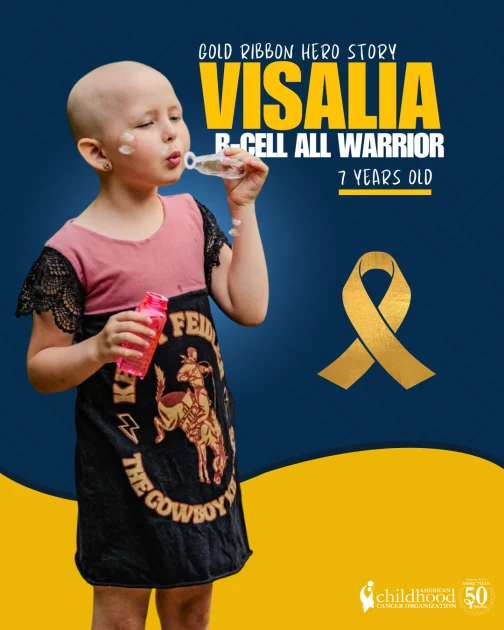
The intersection of profound personal loss and a life-threatening medical diagnosis represents one of the most challenging scenarios a family can encounter, yet for seven-year-old Visalia and her mother, Erin, this became a harrowing reality in the summer of her sixth year. Visalia, a pediatric patient diagnosed with B-Cell Acute Lymphoblastic Leukemia (ALL), began her battle with cancer just three weeks after the passing of her grandfather, a timing that complicated the initial recognition of her symptoms and thrust her family into a high-stakes medical emergency. Her case highlights not only the clinical complexities of pediatric leukemia but also the socio-economic and geographic challenges faced by families who must travel significant distances to access specialized oncological care.
The Intersection of Grief and Diagnosis: A Chronological Overview
The timeline of Visalia’s diagnosis is marked by a rapid escalation from what appeared to be emotional distress to a critical medical state. Following the death of her grandfather, Visalia’s family observed a noticeable change in her demeanor and physical capabilities. In the immediate aftermath of the bereavement, her lethargy and lack of spirit were initially interpreted as manifestations of childhood grief. This phenomenon, where physical symptoms are attributed to psychological or emotional causes, is a common hurdle in early pediatric diagnosis.
However, the situation deteriorated rapidly four days before Visalia’s sixth birthday. The transition from behavioral changes to physical instability—specifically profound weakness and frequent falls—prompted an urgent visit to her primary care physician. The clinical assessment was immediate and alarming: Visalia was in a state of medical crisis that required resources far beyond the capabilities of a local clinic. Within hours, she was life-flighted to a specialized children’s hospital located four hours away from her home. It was during this emergency transport that flight nurses informed Erin that the primary suspicion was leukemia.
The transition from a birthday celebration to a pediatric intensive care unit represents a traumatic pivot for any family. For Visalia, the diagnosis of B-Cell ALL meant the immediate cessation of a normal childhood and the beginning of an intensive, multi-year treatment protocol involving invasive procedures, including the surgical implantation of a chemotherapy port, monthly lumbar punctures, and bone marrow biopsies.
Understanding B-Cell Acute Lymphoblastic Leukemia (ALL)
To understand the gravity of Visalia’s journey, it is necessary to examine the nature of B-Cell Acute Lymphoblastic Leukemia. ALL is a type of cancer of the blood and bone marrow—the spongy tissue inside bones where blood cells are made. It is the most common form of cancer in children, characterized by the overproduction of immature white blood cells, known as lymphoblasts. In the B-cell subtype, these malignant cells develop from B-lymphocytes, which are responsible for producing antibodies and maintaining the body’s immune defense.
When these leukemia cells crowd out healthy cells in the bone marrow, the body loses its ability to produce adequate red blood cells (leading to anemia and weakness), white blood cells (leading to infection), and platelets (leading to easy bruising and bleeding). The weakness and falls reported by Visalia’s mother are classic clinical indicators of severe anemia and potential neurological involvement or general systemic failure caused by the high burden of leukemic cells.
While the prognosis for pediatric ALL has improved significantly over the last several decades—with five-year survival rates now exceeding 90% in many developed nations—the treatment remains one of the most grueling regimens in modern medicine. The standard of care typically involves three distinct phases: induction (to achieve remission), consolidation (to eliminate any remaining undetectable cells), and maintenance (to prevent recurrence). This process usually spans two to three years, requiring constant monitoring and frequent hospitalizations.
Geographic and Economic Barriers to Pediatric Oncology
A critical element of Visalia’s story is the four-hour life flight required to reach a specialized treatment center. This detail underscores a significant issue in the American healthcare landscape: the "geography of survival." Pediatric oncology is a highly specialized field, and Comprehensive Cancer Centers (CCCs) are often concentrated in major metropolitan areas. For families living in rural or semi-rural regions, a diagnosis often necessitates a complete displacement of their domestic life.
The logistical burden of traveling four hours for appointments, combined with the costs of emergency air transport and long-term lodging near the hospital, creates an immense financial and emotional strain. Organizations like the American Childhood Cancer Organization (ACCO) emphasize that the "hidden costs" of cancer—fuel, lost wages, and childcare for siblings—can be as devastating as the medical bills themselves. Visalia’s case serves as a reminder of the necessity for robust support systems that assist families in navigating these geographic disparities.
The Role of Therapeutic Creativity and Resilience
Despite the physical toll of chemotherapy and the psychological weight of her grandfather’s recent passing, Visalia has become known among her medical team for her "artistic spirit." Clinical studies have increasingly recognized the value of art therapy and creative expression in pediatric oncology settings. For children who may lack the vocabulary to express the complexity of their fear or physical pain, drawing and crafting provide a vital outlet for processing trauma.
Visalia’s commitment to "making something new every single day" is more than a hobby; in a clinical context, it is a tool for maintaining cognitive development and emotional stability during long periods of isolation. This resilience is a key factor in the holistic recovery of pediatric patients, as maintaining a sense of agency and joy can mitigate the long-term psychological effects of medical trauma.
Data and Statistics: The National Landscape of Childhood Cancer
Visalia’s experience is part of a larger national narrative. According to data from the National Cancer Institute (NCI) and the Centers for Disease Control and Prevention (CDC):
- Incidence: Approximately 15,000 children and adolescents in the United States are diagnosed with cancer each year. ALL accounts for roughly 25% of all pediatric cancer cases.
- Research Funding: Despite being the leading cause of death by disease in children, pediatric cancer research receives a disproportionately small percentage of federal funding compared to adult cancers. Advocates frequently point out that only about 4% of the National Cancer Institute’s budget is dedicated specifically to childhood cancer research.
- Late Effects: Because of the intensity of treatments like those Visalia is undergoing, approximately 60% to 90% of childhood cancer survivors develop at least one chronic health condition later in life, known as "late effects." These can include cardiovascular issues, secondary cancers, or cognitive impairments, necessitating lifelong follow-up care.
Official Responses and Advocacy Perspectives
The American Childhood Cancer Organization (ACCO), which has shared Visalia’s story to raise awareness, maintains that "kids can’t fight cancer alone." This slogan reflects a policy stance that emphasizes the need for community-wide and legislative support. Statements from advocacy groups highlight the need for the Research to Accelerate Cures and Equity (RACE) for Children Act, which aims to incentivize the development of new pediatric drugs.
Medical professionals involved in the care of ALL patients often stress that while the survival rates are high, the "toxicity" of the cure remains a primary concern. The goal of modern oncology is not just to ensure survival, but to develop "kinder" treatments that reduce the long-term damage to a child’s developing body.
Erin, Visalia’s mother, has expressed the shock that many parents feel when thrust into this world. Her description of the diagnosis—feeling as though she had "fallen from the plane"—encapsulates the acute trauma of the diagnostic moment. Her advocacy for her daughter focuses on the strength found in Visalia’s smile, a sentiment echoed by many families who find that the resilience of the child often becomes the primary source of strength for the caregivers.
Conclusion: The Path Forward for Visalia
As Visalia continues her treatment, her journey remains a testament to the intersection of medical science and human spirit. The transition from a 7-year-old "warrior" to a long-term survivor involves more than just the eradication of cancer cells; it involves the navigation of grief, the overcoming of geographic barriers, and the preservation of a child’s creative essence in the face of clinical adversity.
The broader implications of her story suggest a continued need for localized access to care, increased funding for pediatric-specific treatments, and a deeper societal understanding of the impact of childhood cancer on the family unit. For Visalia, the focus remains on the next craft project and the next milestone in her treatment, while for the medical and advocacy communities, her story serves as a call to action to ensure that no child faces these battles without a comprehensive support network. Together, through donation, research, and awareness, the goal remains to transform the "shock" of diagnosis into a streamlined path toward a healthy, cancer-free future.
