
 By Suherman Candra Maholtra
In the landscape of American public health, few crises have proven as intractable or as devastating as the rise of synthetic opioids. Fentanyl, a synthetic opioid 50 to 100 times more potent than morphine, has fundamentally altered the nature of drug addiction and accidental death in the United States. According to data from the Centers for Disease Control and Prevention (CDC), synthetic opioids are now responsible for more annual fatalities than automobile accidents and firearm-related incidents combined. In high doses, these substances catastrophically disrupt the central nervous system, suppressing the autonomic signals that govern respiratory function. While emergency interventions like naloxone can reverse these effects, their efficacy is strictly tethered to the speed of administration—a window that is often missed in the isolation of a typical overdose.
Addressing this systemic failure, researchers at Scripps Research have unveiled a paradigm-shifting strategy in the Journal of Medicinal Chemistry. Rather than refining reactive treatments that occur after an overdose has begun, the team has developed an experimental vaccine designed to preemptively block fentanyl and its analogs from ever reaching the brain. This "immunopharmacotherapy" approach represents a significant departure from traditional addiction treatments, offering a biological shield that could potentially neutralize the threat of fentanyl before it can exert its lethal effects on the respiratory system.
The Escalating Crisis of Synthetic Opioids and Designer Drugs
The urgency of this research is underscored by the evolving chemistry of the illicit drug market. While fentanyl remains the primary driver of overdose deaths, clandestine laboratories have increasingly turned to "designer drugs"—slight chemical variations of fentanyl that are often more potent and harder to detect. Substances such as carfentanil, which is roughly 100 times more potent than fentanyl itself, have begun appearing in the illicit supply, often mixed into heroin or pressed into counterfeit prescription pills.
The "whack-a-mole" nature of drug regulation means that as soon as one chemical structure is banned, traffickers introduce a new variant with a slightly altered molecular architecture to circumvent legal restrictions. This constant evolution has historically stymied vaccine development, as most traditional vaccines are highly specific, trained to recognize only one exact molecular shape. Kim Janda, PhD, the Ely R. Callaway, Jr. Professor of Chemistry at Scripps Research and senior author of the study, notes that the goal was to create a countermeasure that doesn’t just address today’s drugs, but also the variants of tomorrow.
"What this research shows us is that we don’t have to keep playing catch-up with every new synthetic designer drug that emerges," Janda stated. "By training the immune system to recognize the entire fentanyl class—not just individual structures—we can stay ahead of illicit drug traffickers."
A Radical Shift in Vaccine Architecture
The fundamental challenge in creating a vaccine for small molecules like fentanyl is that the immune system generally ignores them. Unlike viruses or bacteria, these drugs are too small to trigger an immune response on their own. To overcome this, scientists use "haptens"—small molecules that, when attached to a larger carrier protein, teach the immune system to produce specific antibodies.
In previous iterations of opioid vaccines, researchers used the drug itself (or a near-identical analog) as the hapten. However, this approach faced two significant hurdles: the strict regulatory oversight of using controlled substances in research and the resulting "narrow" immunity that could be easily bypassed by a slightly different designer drug.
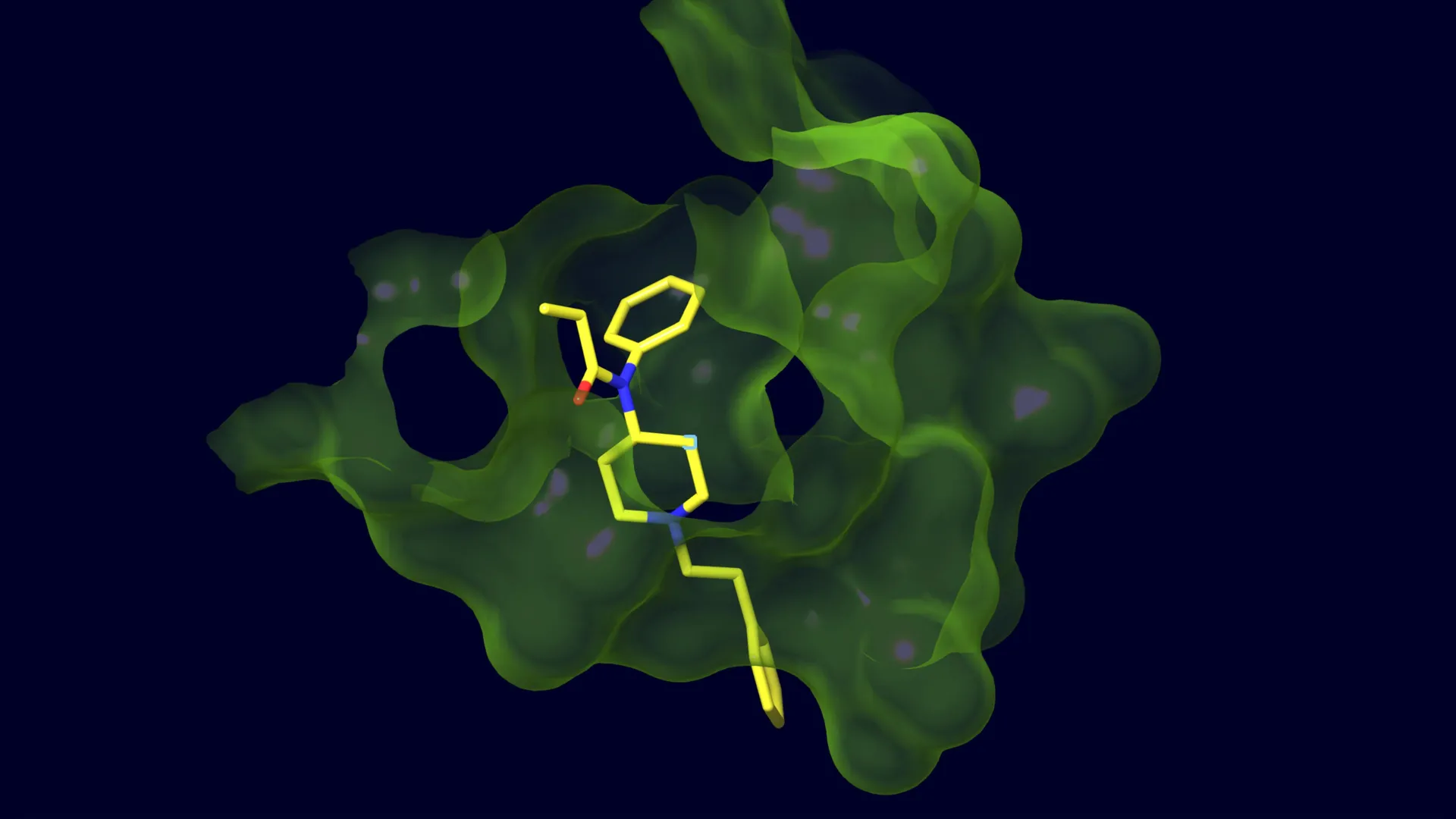
The Scripps team, led by Janda and first author Arran Stewart, an associate in the Janda lab, decided to challenge the conventional wisdom of medicinal chemistry. Instead of using a molecule that looked exactly like fentanyl, they utilized a molecule with a radically reconfigured core structure. This molecule shared certain key characteristics with the fentanyl class but was structurally distinct enough to be considered unconventional.
"When we started testing this molecule as a vaccine component, we honestly didn’t know if it would work," said Stewart. "The conventional wisdom says that to get the immune system to recognize fentanyl, you have to use something that looks like fentanyl. We were doing the opposite."
Experimental Results and Efficacy in Animal Models
To validate this "reconfigured" approach, the researchers administered four doses of the vaccine to mice over an eight-week period. The results were unexpected and highly promising. Instead of producing antibodies that only looked for the specific vaccine molecule, the mice’s immune systems generated a broad-spectrum response. The antibodies began recognizing a "molecular signature" common across the entire fentanyl class.
The efficacy of this response was tested through both biochemical assays and live animal models. In laboratory tests, the antibodies demonstrated high affinity not only for fentanyl but for several of the most dangerous variants currently found on the streets, including:
- Carfentanil: An ultra-potent opioid used as a large-animal tranquilizer.
- China White (α-methylfentanyl): A common street variant known for its high lethality.
- Acetylfentanyl and Furanylfentanyl: Frequently detected analogs in the illicit supply.
The animal trials provided even more concrete evidence of protection. Mice that had been vaccinated were given doses of fentanyl that would typically cause severe respiratory depression or death. The vaccinated mice, however, maintained nearly normal breathing patterns. Furthermore, the researchers found that the concentration of fentanyl in the brains of vaccinated mice was approximately 70% lower than in the control group. This suggests that the antibodies were effectively "mopping up" the drug in the bloodstream, sequestering it before it could cross the blood-brain barrier.
Maintaining the Utility of Medical Opioids
One of the most critical aspects of any opioid vaccine is its selectivity. Patients who might benefit from a fentanyl vaccine—such as those in recovery or individuals at high risk of exposure—still need to be able to receive medical care. If a vaccine blocked all opioids, it would prevent the use of common anesthetics or pain relievers during surgery or emergency medical procedures.
The Scripps Research vaccine demonstrated remarkable precision in this regard. While it provided broad protection against the illicit fentanyl class, the antibodies did not bind to other medically essential opioids. The vaccine did not interfere with:
- Morphine and Oxycodone: Standard pain management medications.
- Remifentanil and Alfentanil: Opioids used specifically in clinical anesthesia settings.
This selectivity ensures that a vaccinated individual could still be treated for pain or undergo surgery using standard medical protocols, a factor that significantly increases the vaccine’s clinical viability.
Chronology of Development and the Path to Clinical Trials
The development of this broad-spectrum vaccine is the culmination of decades of work in the Janda laboratory. For over 30 years, Kim Janda has been a pioneer in the field of immunopharmacotherapy, exploring vaccines for nicotine, cocaine, and heroin.
- Early 2010s: The Janda lab began focusing heavily on synthetic opioids as the overdose crisis transitioned from prescription pills to illicit fentanyl.
- 2017-2020: Previous vaccine candidates showed promise but were limited by their specificity to single molecules.
- 2021-2023: The team began exploring "radically reconfigured" molecular architectures to address the designer drug problem, leading to the current study.
- Present: Following the successful mouse trials, the research moves toward the necessary safety and toxicology studies required for human application.
The next phase of development involves human clinical trials. These trials will be essential to determine if the human immune system reacts with the same broad-spectrum efficacy seen in animal models and to establish the longevity of the protection. Researchers must also determine the optimal dosing schedule and whether periodic "booster" shots would be required to maintain immunity.
Broader Implications for Public Health and Safety
The potential impact of a successful broad-spectrum fentanyl vaccine extends beyond individual recovery. The societal costs of the opioid epidemic are staggering, with some estimates placing the economic burden in the U.S. at over $1.5 trillion annually, accounting for healthcare costs, lost productivity, and criminal justice expenses.
Furthermore, the vaccine could serve as a vital tool for first responders and law enforcement officers. In recent years, there have been numerous reports of accidental exposure to fentanyl during drug busts or emergency calls. While the risk of overdose from skin contact is often debated, the presence of ultra-potent aerosols like carfentanil poses a genuine threat. A vaccine could provide a layer of "occupational insurance" for those on the front lines of the crisis.
For individuals in substance abuse recovery programs, the vaccine could act as a safety net. Relapse is a common and often fatal part of the recovery journey, especially when an individual’s tolerance has decreased after a period of abstinence. A vaccine would provide a window of protection, preventing a single lapse in judgment from turning into a fatal overdose.
Analysis of Potential Challenges
Despite the breakthrough, the path to widespread implementation is not without hurdles. Skeptics of drug vaccines often point to the ethical and logistical challenges of implementation. There are questions regarding how long the protection lasts and whether users might attempt to "override" the vaccine by taking massive doses of other, non-fentanyl drugs, which could lead to different types of toxicity.
However, the Scripps team argues that the vaccine is not intended to be a "silver bullet" that cures addiction on its own. Instead, it is viewed as a powerful adjunct to existing behavioral therapies and medication-assisted treatments (MAT). By removing the "reward" of the drug and providing a biological barrier against death, the vaccine gives patients a better chance at long-term recovery.
Conclusion
The research conducted by the Janda lab at Scripps Research represents a significant evolution in the fight against the opioid epidemic. By moving away from the "one drug, one vaccine" model and toward a class-wide defense system, scientists are finally developing tools that can keep pace with the rapid innovations of illicit chemistry.
As Kim Janda concluded, "The public health potential here is significant. But so is the lesson that we can design vaccines that recognize an entire drug class, not just a singular drug." If the upcoming clinical trials mirror the success of the laboratory findings, this vaccine could become a cornerstone of the global strategy to end the era of synthetic opioid fatalities.
The study, "Redefining Drug Immune Recognition: A Radically Reconfigured Molecular Architecture Enables Broad Fentanyl-Class Protection," was supported by the Shadek Family Foundation and authored by Kim Janda, Arran Stewart, Lisa Eubanks, Bin Zhou, and Rachel Steinhardt.
