
 By admin
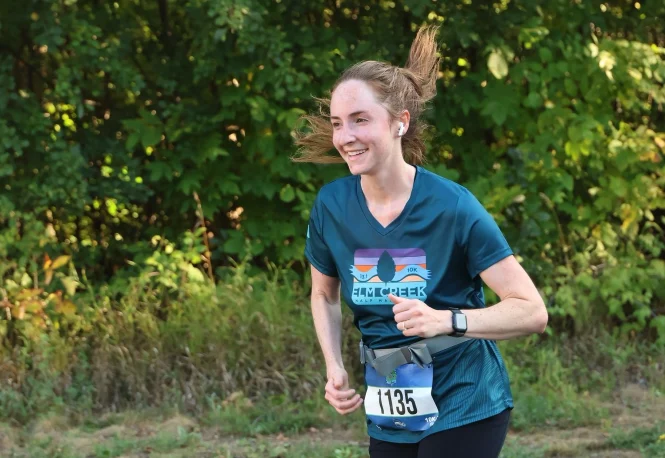
The Medtronic Twin Cities Marathon weekend serves as a cornerstone of the Midwestern athletic calendar, drawing over 30,000 participants and 300,000 spectators to the streets of Minneapolis and St. Paul. While the event is renowned for its scenic course—often cited as "The Most Beautiful Urban Marathon in America"—it also functions as a massive engine for charitable giving. Among the various organizations represented, Team CCRF, the fundraising arm of the Children’s Cancer Research Fund, stands out as a primary beneficiary of the weekend’s collective endurance. This year, three specific runners—Rachael Blair, Greg Kaiser, and Ryan Fahey—exemplify the diverse motivations that drive athletes to transform a 26.2-mile, 13.1-mile, or 10-mile race into a mission for medical advancement and patient support.
The Intersection of Athletics and Philanthropy in the Twin Cities
Since its inception in 1982, the Twin Cities Marathon has evolved from a local race into a world-class event. However, its identity is inextricably linked to the community organizations it supports. Charity running has become a global phenomenon, with major marathons like London and New York City raising tens of millions of dollars annually. In Minnesota, the Children’s Cancer Research Fund (CCRF) has utilized this platform to bridge the gap between public awareness and the rigorous financial demands of pediatric oncology research.
The necessity of such fundraising is underscored by national health statistics. According to the American Cancer Society, approximately 9,620 children in the United States under the age of 15 will be diagnosed with cancer in 2024. While survival rates have improved significantly over the last four decades, cancer remains the leading cause of death by disease for children. Furthermore, pediatric cancer research often faces a "funding gap," as federal resources are frequently prioritized for adult cancers that affect larger populations. Private organizations like CCRF provide the seed money necessary for innovative trials that might otherwise go unfunded.
Rachael Blair: The Clinical Perspective on Endurance
Rachael Blair enters the Medtronic Twin Cities Marathon weekend with a unique vantage point on the disease she is running to combat. As a medical physicist in radiation oncology, Blair’s daily professional life involves the precise calculation and delivery of radiation treatments to cancer patients, including children. Her role is one of technical rigor, where the margin for error is non-existent and the stakes involve the long-term health of developing bodies.
Blair’s decision to join Team CCRF was born from a desire to harmonize her professional expertise with her personal passion for distance running. In the clinical setting, she witnesses the physical and emotional toll that aggressive treatments take on pediatric patients and their families. For Blair, the half marathon is not merely a test of her own cardiovascular limits but a symbolic gesture of solidarity with those undergoing treatment.
"Being able to participate in the race while representing Children’s Cancer Research Fund makes the experience even more meaningful," Blair stated. She noted that running serves as a vital outlet for the stress inherent in oncology work. Training for a sub-two-hour finish in the half marathon, Blair views every mile on Minnesota’s trail systems as a way to recharge while simultaneously advocating for the patients she serves. Her participation highlights a growing trend of medical professionals engaging in "active philanthropy," where those on the front lines of healthcare use their platforms to secure additional resources for their fields.
Greg Kaiser: A Legacy of Survivorship and Service
For Greg Kaiser, the connection to CCRF is deeply personal and spans two decades. His daughter, Liz, was diagnosed with osteosarcoma—a type of bone cancer—as a child. Today, Liz is a 20-year survivor, a milestone that Kaiser attributes to the advancements in research and treatment protocols funded by organizations like CCRF.
Kaiser’s involvement with the foundation has been multifaceted. He has transitioned from a parent navigating a crisis to a dedicated volunteer, a fundraiser, and even the man behind the mask as "C.C. Bear," the organization’s official mascot. This year, Kaiser returns for his second year on Team CCRF to compete in the TC 10 Mile.
His participation underscores the "long-tail" impact of pediatric cancer. Survivorship brings its own set of challenges, including potential long-term side effects from chemotherapy and radiation. By continuing to run and fundraise, Kaiser ensures that the momentum for research does not stall once a patient enters remission. "Fundraising gives my running a purpose beyond completing the race," Kaiser remarked, emphasizing that his goal is to use his visibility to encourage others to donate or volunteer. His story represents the "family-centric" nature of CCRF’s mission, acknowledging that a childhood cancer diagnosis affects the entire domestic ecosystem.
Ryan Fahey: Funding the Future of Pediatric Research
While Blair represents the clinical side and Kaiser the survivor community, Ryan Fahey represents the future of scientific inquiry. A student research assistant at the University of Minnesota, Fahey is directly involved in the labor-intensive process of laboratory research. The University of Minnesota’s Masonic Cancer Center is a primary recipient of CCRF funding, creating a direct link between the dollars raised on the racecourse and the data generated in the lab.
Fahey’s work involves investigating the underlying causes of leukemia, the most common form of childhood cancer, as well as projecting incidence rates for pediatric hepatoblastoma, a rare and aggressive liver cancer. These projects are often the beneficiaries of CCRF grants, which allow young researchers to explore high-risk, high-reward hypotheses that traditional federal grants might overlook.
Competing in the half marathon, Fahey has set an ambitious performance goal: finishing in under 1 hour and 26 minutes. His aim for a podium spot reflects the competitive spirit of many Team CCRF runners who seek to pair elite athletic performance with high-impact fundraising. "Fundraising for CCRF was also a great way to leverage my community to help support my career and running passions," Fahey explained. His presence on the team illustrates the cyclical nature of the CCRF ecosystem: community donations fund the research that Fahey performs, which in turn provides the medical breakthroughs that save children like Kaiser’s daughter.
The Evolution of Team CCRF and the Medtronic Twin Cities Marathon
The Medtronic Twin Cities Marathon weekend has grown significantly since its founding. The event now includes the flagship marathon, the TC 10 Mile, a 5K, a 10K, and family events, providing multiple entry points for charity runners. Team CCRF has capitalized on this variety, recruiting runners of all skill levels to contribute to a collective goal.
Chronology of the Marathon Weekend Impact:
- Early 1980s: The Twin Cities Marathon is established, quickly becoming a premier destination for runners seeking a fast, scenic course.
- 1981: Children’s Cancer Research Fund is founded following the death of 13-year-old Katie Hageboeck, whose dying wish was that her saved money go toward cancer research.
- 2000s: The "charity partner" model gains traction in major marathons, allowing non-profits like CCRF to purchase blocks of race entries for fundraisers.
- Present Day: Team CCRF has raised millions of dollars through endurance events, contributing to the University of Minnesota’s status as a leader in pediatric blood and marrow transplantation and gene therapy.
Supporting Data: The Economics of Pediatric Cancer Research
The financial reality of cancer research is stark. According to the National Cancer Institute (NCI), while the overall budget for cancer research has increased, the percentage specifically earmarked for pediatric cancers remains roughly 4%. This creates a heavy reliance on private philanthropy.
CCRF reports that over the past four decades, they have contributed more than $200 million to research, education, and family support services. These funds have contributed to:
- Improved Survival Rates: The five-year survival rate for all childhood cancers combined has risen from 58% in the mid-1970s to over 85% today.
- Less Toxic Treatments: Research into immunotherapy and targeted therapies aims to reduce the lifelong side effects associated with traditional chemotherapy.
- Support Systems: Beyond the lab, funds support "Quality of Life" programs that assist families with the non-medical costs of a cancer diagnosis, such as travel and lodging during treatment.
Broader Implications and Analysis
The participation of Blair, Kaiser, and Fahey in the Medtronic Twin Cities Marathon weekend highlights a critical shift in how society approaches public health challenges. The "charity runner" is no longer a peripheral figure in the world of athletics; they are central to the financial viability of modern medical research.
From a journalistic perspective, the stories of these three individuals demonstrate the interconnectedness of the "bench-to-bedside" pipeline. Fahey represents the "bench" (the research), Blair represents the "bedside" (the clinical application), and Kaiser represents the "outcome" (the survivor). By running together under the CCRF banner, they provide a visible manifestation of the progress made in oncology and the work that remains.
Furthermore, the event serves as a significant economic driver for the Twin Cities. The influx of runners and their supporters generates millions in local revenue for hotels, restaurants, and retail. When a portion of that economic activity is redirected toward local research institutions like the University of Minnesota, the marathon weekend creates a "virtuous cycle" of local investment and global medical impact.
As the race commences, the focus often remains on the elite athletes at the front of the pack. However, for organizations like the Children’s Cancer Research Fund, the true victory is measured in the dollars raised and the awareness generated by the thousands of runners in the middle and back of the pack. For Rachael Blair, Greg Kaiser, and Ryan Fahey, the finish line at the Minnesota State Capitol is not the end of the journey, but a milestone in a much longer race toward a cure for childhood cancer. Their efforts ensure that while the marathon happens once a year, the research it funds continues every day in laboratories and hospitals across the country.
