
 By Gabriel Paijo
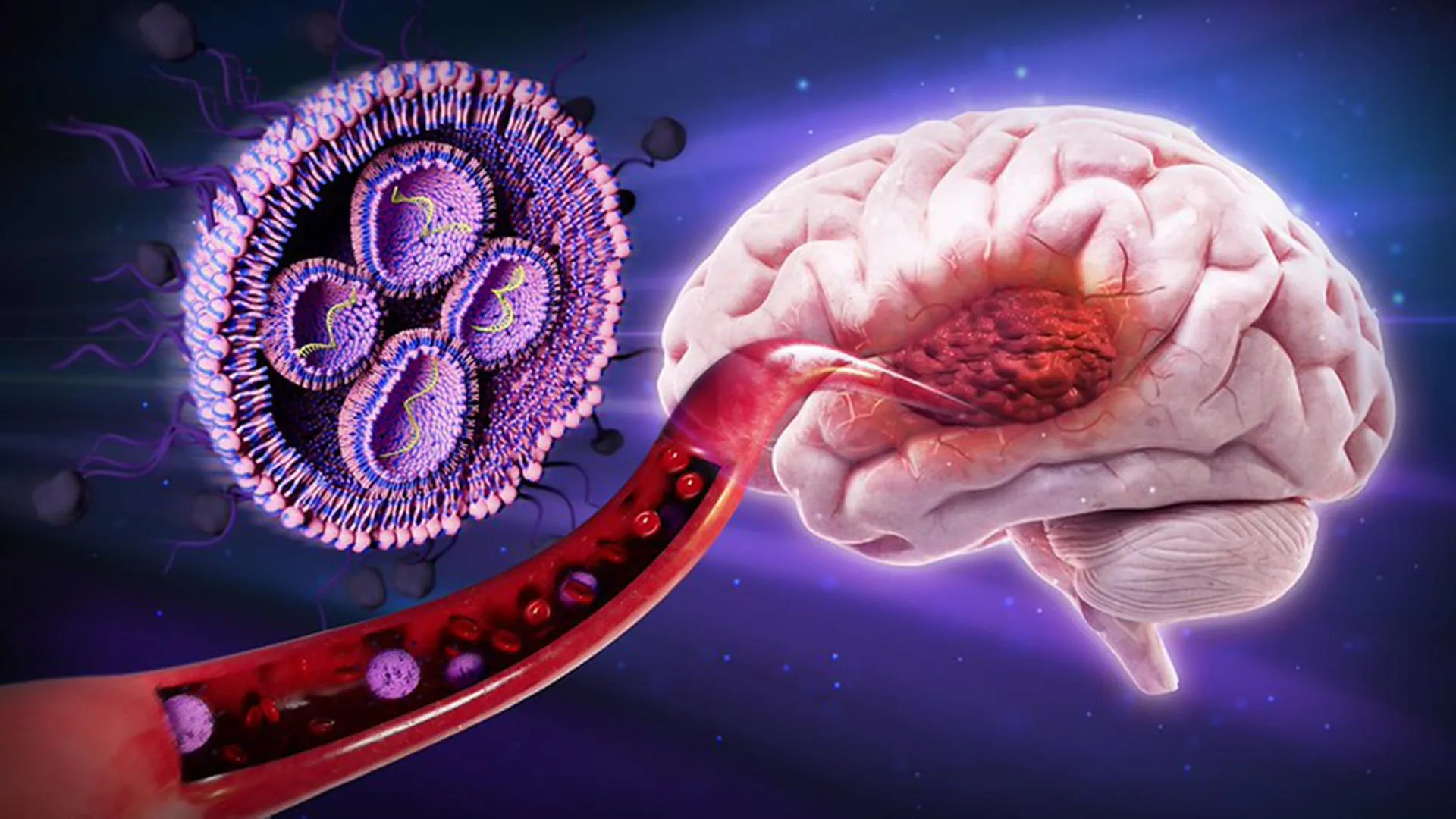
In a significant advancement for neuro-oncology, a multidisciplinary team of scientists at Oregon State University (OSU) has engineered a novel drug delivery system designed to bypass the most formidable defenses of the human brain. This experimental strategy, centered on sugar-coated lipid nanoparticles, has demonstrated the potential to treat glioblastoma, the most lethal and aggressive primary brain tumor in adults. The study, led by researchers at the OSU College of Pharmacy, addresses the dual challenge of crossing the blood-brain barrier (BBB) and ensuring that therapeutic agents selectively target malignant cells while sparing healthy neural tissue.
Glioblastoma remains one of the most difficult cancers to manage in modern medicine. Despite decades of research into surgical resection, radiotherapy, and chemotherapy, the prognosis for patients remains grim. Statistics indicate that fewer than 30% of patients survive for two years following their initial diagnosis, and more than 95% succumb to the disease within five years. The primary obstacle to effective treatment is the blood-brain barrier, a physiological "security system" that prevents nearly 98% of small-molecule drugs and almost 100% of large-molecule therapies from reaching the brain via the bloodstream. The OSU breakthrough, published in the Journal of Controlled Release, offers a "Trojan Horse" approach to this problem, utilizing the tumor’s own metabolic hunger to deliver life-saving genetic instructions.
The Challenge of the Blood-Brain Barrier and Selective Targeting
The research team, led by Professors Oleh Taratula, Olena Taratula, and Yoon Tae Goo, focused their efforts on two major hurdles that have historically rendered glioblastoma treatments ineffective. The first is the blood-brain barrier, a highly selective semipermeable border of endothelial cells that protects the central nervous system from toxins and pathogens. While vital for brain health, this barrier also blocks most therapeutic agents. The second challenge is the heterogeneity of brain tissue; even if a drug crosses the barrier, it must be able to differentiate between a rapidly dividing tumor cell and a healthy neuron to prevent catastrophic side effects.
To overcome these barriers, the OSU researchers turned to nanotechnology. They developed lipid nanoparticles (LNPs)—microscopic fatty spheres—that can encapsulate delicate genetic material. However, standard LNPs are often filtered out by the liver or fail to penetrate the brain’s protective lining. To solve this, the team innovated a "sugar coating" made of mannose. Mannose is a sugar closely related to glucose, which is the primary energy source for the brain. By cloaking the nanoparticles in mannose, the researchers aimed to trick the brain’s natural transport systems into pulling the medicine across the barrier.
Engineering the "Sugar-Coated" Innovation
The central innovation of the study lies in the chemical engineering of the nanoparticle surface. The brain’s blood vessels are lined with a specific transporter protein known as GLUT1. This protein acts as a gatekeeper, moving glucose from the blood into the brain. Because GLUT1 also recognizes mannose, the researchers hypothesized that mannose-coated particles could "hitch a ride" on these transporters.
"Blood contains relatively high concentrations of glucose, and that’s what the nanoparticles are competing against for GLUT1’s attention," explained Oleh Taratula. The competition is fierce, as glucose is abundant in the human body. To ensure the nanoparticles were prioritized by the transporters, the team had to increase the density of the sugar coating. By chemically bonding mannose to cholesterol—a fundamental structural component of the nanoparticle shell—they achieved a sixfold increase in surface coverage compared to previous methods. This dense coating allowed the particles to effectively compete with glucose and gain entry into the central nervous system.
Once inside the brain, the strategy relies on the metabolic abnormalities of glioblastoma. Cancer cells are notoriously "hungry" and undergo metabolic reprogramming to support rapid growth. In glioblastoma, cells express GLUT1 at levels three times higher than normal brain tissue. This disparity creates a secondary targeting mechanism: the nanoparticles not only cross the blood-brain barrier but are then preferentially drawn into the tumor cells themselves, minimizing exposure to healthy neurons.
Restoring Tumor Suppression via mRNA Delivery
The "payload" carried by these nanoparticles is messenger RNA (mRNA), the same technology utilized in the development of recent global vaccines. In this application, however, the mRNA is programmed to direct cells to produce a specific protein called PTEN (Phosphatase and Tensin Homolog).
PTEN is a powerful tumor suppressor that acts as a "brake" on cell division. In many forms of glioblastoma, the gene responsible for producing PTEN is either mutated, missing, or silenced, allowing the cancer to grow unchecked. By delivering PTEN-encoding mRNA directly into the heart of the tumor, the OSU researchers essentially "rebooted" the cells’ ability to regulate their own growth.
To ensure the mRNA remained stable during its journey through the bloodstream and into the brain, the researchers added a positively charged cholesterol derivative to the nanoparticle formulation. This helped keep the negatively charged genetic material securely tucked inside the lipid shell, protecting it from enzymatic degradation until it reached its intracellular destination.
Experimental Results and Survival Data
The efficacy of this strategy was tested in a mouse model of glioblastoma, yielding results that have sparked optimism within the scientific community. According to the findings, the administration of the mannose-coated, PTEN-loaded nanoparticles increased the median survival time of the subjects by 50%.
Furthermore, the study highlighted the safety profile of the treatment. In glioblastoma patients, traditional chemotherapy often causes systemic toxicity, leading to organ damage and a diminished quality of life. In the OSU study, repeated dosing of the nanoparticles resulted in significant tumor shrinkage without any measurable toxicity to major organs such as the liver, kidneys, or heart.
"Restoring PTEN expression in tumor cells reinstates growth control," stated Olena Taratula. "The particles preferentially accumulate in tumor tissue after crossing the blood-brain barrier, which is key to avoiding the side effects typically associated with intensive cancer therapies."
Context and Chronology of Glioblastoma Research
The OSU study arrives at a time when the field of glioblastoma research is desperate for a breakthrough. For the last twenty years, the "Stupp Protocol"—a combination of surgery, radiation, and the drug temozolomide—has remained the standard of care, yet it has only marginally extended life expectancy.
The timeline of glioblastoma innovation has seen several high-profile failures in phase III clinical trials, particularly with immunotherapy and traditional small-molecule inhibitors that failed to penetrate the brain in therapeutic concentrations. The move toward mRNA-based therapies and sophisticated nanotechnology represents a shift in strategy. By focusing on the delivery mechanism (the LNP) as much as the therapeutic agent (the mRNA), the OSU team is addressing the physiological "logistics" of brain cancer that have thwarted previous efforts.
Broader Implications and Future Directions
The implications of this research extend beyond glioblastoma. The ability to reliably transport large molecules across the blood-brain barrier using a sugar-mediated transport system could revolutionize the treatment of other central nervous system disorders. Diseases such as Alzheimer’s, Parkinson’s, and various pediatric genetic disorders also suffer from a lack of effective delivery systems. If the mannose-cholesterol LNP platform proves successful in human trials, it could serve as a universal delivery vehicle for a wide array of neurological drugs.
However, the transition from mouse models to human clinical trials is a rigorous process. The research team must now demonstrate that the results are replicable in larger animal models and that the manufacturing of these complex nanoparticles can be scaled for clinical use. The study was supported by a coalition of high-level institutions, including the National Cancer Institute (NCI), the Eunice Kennedy Shriver National Institute of Child Health and Human Development, and the National Research Foundation of Korea, signaling strong institutional backing for the continued development of this technology.
The collaborative effort included contributions from a diverse group of researchers, including Vincent Cataldi, Vladislav Grigoriev, Neera Yadav, Tetiana Korzun, Chao Wang, and Adam Alani. This interdisciplinary approach—combining pharmacy, chemistry, and oncology—is increasingly seen as the necessary blueprint for solving the complexities of brain cancer.
Statistical Analysis of the Disease Burden
The urgency of this work is underscored by the epidemiology of glioblastoma. In the United States, the disease affects approximately 3.19 people per 100,000 annually. It is a disease that skews slightly toward males and is most commonly diagnosed in older adults, with a median age of 64. Because the symptoms—such as headaches, seizures, and cognitive changes—often appear only after the tumor has become substantial, early detection is rare.
The 50% increase in survival observed in the OSU mouse models, if translated to humans, could mean the difference between months and years for patients. In a field where progress is often measured in weeks of extended life, a 50% improvement represents a monumental shift.
Conclusion
The work of Oleh Taratula and his colleagues at Oregon State University represents a sophisticated fusion of biology and engineering. By exploiting the metabolic vulnerabilities of glioblastoma and the natural transport pathways of the blood-brain barrier, the team has created a precision tool that could one day change the standard of care for the world’s most aggressive brain cancer. While the path to FDA approval and clinical implementation remains long, the success of the "sugar-coated" nanoparticle strategy provides a clear and promising roadmap for the future of neuro-oncology. As mRNA technology continues to mature, the ability to deliver genetic instructions directly to the brain may finally turn the tide against a disease that has long been considered untreatable.
