
 By Budi Oetomo Narendra
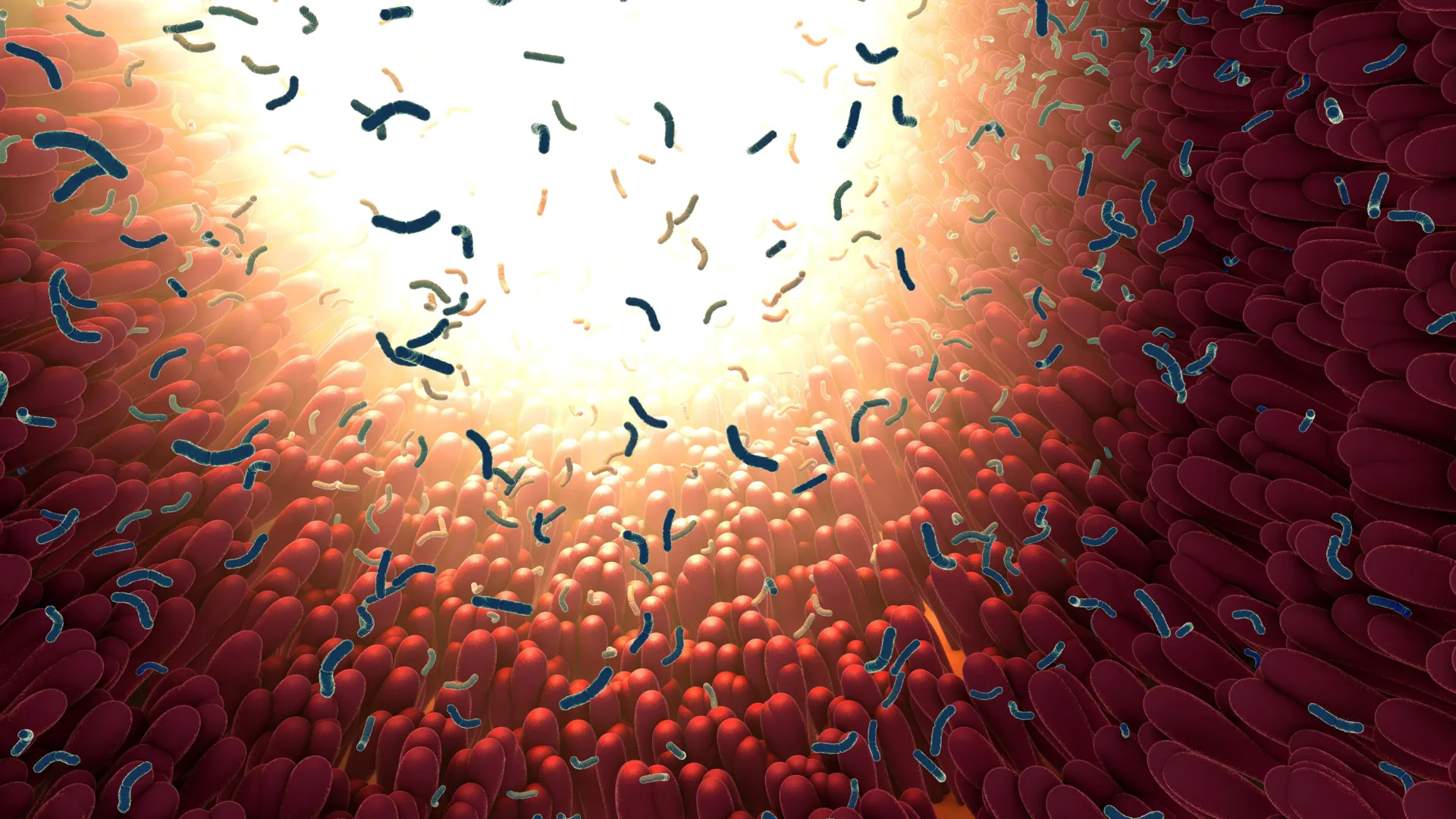
A groundbreaking study published online on September 30 in the prestigious journal Nature has unveiled a critical interaction between dietary sugar and antibiotic treatment, demonstrating that higher sugar intake can exacerbate the detrimental effects of these crucial medications on the human gut microbiome. The research, a collaborative effort by scientists from NYU Langone Health, City of Hope, and Memorial Sloan Kettering, suggests that modifying diet, specifically by reducing sweets, could be a simple yet effective strategy to mitigate the unintended health risks associated with antibiotic use.
Unpacking the Microbiome: A Delicate Ecosystem Under Threat
The human body is home to trillions of microorganisms, collectively known as the microbiome, with the intestinal microbiome being the most diverse and influential. This vast community of bacteria, fungi, and viruses has co-evolved with humans, playing indispensable roles in digestion, metabolism, immune system development, and protection against pathogens. A robust and diverse microbiome is synonymous with good health, acting as a natural defense against invading harmful microbes and maintaining the delicate balance of the gut ecosystem.
Antibiotics, while indispensable for treating bacterial infections, are indiscriminate in their action. They are designed to kill or inhibit the growth of harmful bacteria, but they often decimate beneficial species alongside pathogenic ones. This "collateral damage" can lead to a significant reduction in microbial diversity, leaving the gut vulnerable to colonization by opportunistic pathogens and potentially contributing to a range of long-term health problems. Globally, antibiotics are among the most frequently prescribed medications, with an estimated 200 million courses administered annually in the United States alone. The widespread use underscores the urgency of understanding and mitigating their adverse effects on the microbiome.
The new research specifically highlights how this vulnerability can be amplified by dietary choices, particularly the consumption of simple sugars. In an era where processed foods and sugary beverages are ubiquitous, understanding such interactions becomes paramount for public health.
Key Findings: Sugar’s Role in Microbiome Disruption
The study meticulously monitored 9,419 meals consumed by 173 hospitalized cancer patients and concurrently tracked changes in their gut microbiomes through daily biological sampling. This comprehensive approach allowed researchers to establish a direct correlation between dietary sugar intake and the extent of microbiome damage during antibiotic treatment.
A central finding revealed a statistically significant decline in "alpha diversity" – a scientific measure reflecting the variety of beneficial bacterial species present in the gut. For every additional 100 grams of sugar consumed within the 48 hours preceding antibiotic treatment, researchers observed an additional 21% reduction in this crucial metric of gut health. To put this into perspective, 100 grams of sugar is equivalent to roughly two cans of regular soda or a substantial portion of many desserts. This dramatic reduction in diversity compromises the microbiome’s resilience and its ability to perform essential functions.
Beyond the general reduction in diversity, the study also identified a concerning increase in specific problematic bacterial species. Sugary diets, when combined with antibiotic treatment, were strongly associated with a surge in Enterococcus faecium among patients. This particular bacterial species is notorious in clinical settings for its association with difficult-to-treat infections, often exhibiting resistance to multiple antibiotics, posing a significant threat, especially in immunocompromised individuals.
To further validate these observational findings, the research team conducted parallel experiments using mouse models. Animals exposed to the antibiotic biapenem while consuming a diet rich in sucrose mirrored the human observations. By day three of the study, the gut Enterococcus population in these mice experienced a staggering 16.3-fold increase. This escalation continued, reaching a 33.4-fold higher bacterial burden by day six. The consistency between the human and animal studies strengthens the causal link between sugar intake, antibiotic use, and microbiome dysregulation.
Expert Commentary and Call for Action
Dr. Jonas Schluter, PhD, assistant professor in the Department of Microbiology at NYU Langone and co-senior author of the study, emphasized the broader implications of these findings. "As we are learning how collateral damage of antibiotics to the microbiome are linked with long-term health problems, it’s important to identify factors that limit these unintended health risks," Dr. Schluter stated. "Our study, which used more than 9,000 recorded meals, suggests that modifying diet during and after antibiotics, specifically by reducing sweets intake, could help with that." His remarks underscore the proactive potential of dietary adjustments in mitigating antibiotic-induced harm.
The study’s second author, William Jogia, a PhD student in Dr. Schluter’s lab, delved into the potential mechanisms. "The new work identifies dietary sugars as an amplifier of antibiotic-induced microbiome disruption, probably because the potentially harmful bacteria that survive the antibiotics are benefiting from the dietary sugars that they can use to expand," Jogia explained. He cautioned, however, that the precise mechanism—whether sugar directly supports Enterococcus, weakens competing beneficial bacteria, or acts through another pathway—requires further investigation.
Why Focus on Blood Cancer Patients?
The decision to focus on hospitalized blood cancer patients was a deliberate and strategic one, offering unique advantages for such a detailed study. These patients frequently receive intensive antibiotic regimens as part of their treatment, making them a highly relevant cohort for observing antibiotic-microbiome interactions. Crucially, their hospitalization allows for meticulous monitoring of their food intake, providing an unprecedented level of dietary data that would be challenging to collect in an outpatient setting. Researchers meticulously recorded every meal consumed and collected daily microbiome samples, creating one of the largest and most detailed datasets of its kind to date.
Dr. Marcel van den Brink, MD, PhD, chief physician executive at City of Hope and co-senior study author, highlighted the significance of the microbiome in this patient population. "The microbiome is emerging as an important factor in cancer care," Dr. van den Brink noted. "For patients undergoing intensive treatments such as bone marrow transplantation, the healthy diversity of the gut microbiome can have important implications for outcomes. Studies like this help us better understand how everyday factors, including diet, may affect a delicate balance that influences how patients respond to treatment, recover, and experience side effects."
Patients with blood cancers undergoing stem cell transplants are often hospitalized for several weeks, receiving aggressive chemotherapy and broad-spectrum antibiotics. During this period, their diets can fluctuate dramatically, and their gut microbiomes are profoundly altered. In this vulnerable state, the "destruction" of much of the surrounding microbial ecosystem creates an opportunity for potentially harmful species, such as Enterococcus faecium, to flourish unchecked, leading to serious complications.
Broader Implications for Cancer Outcomes and Public Health
The consequences of microbiome injury extend far beyond discomfort, particularly for severely ill patients. Dr. Jonathan Peled, co-senior author on the study and associate director of the Center for Hematological Malignancies at Memorial Sloan Kettering Cancer Center, underscored this critical link. "Especially in blood cancer patients, microbiome injury is associated with worse outcomes, including higher overall mortality and infections," Dr. Peled stated. This grim reality provides a powerful impetus for identifying modifiable factors that can protect the microbiome. He also emphasized the next crucial step: "An important next step will be to design clinical trials to test whether short-term dietary changes can improve clinical outcomes in patients."
The findings of this study resonate beyond the oncology ward, offering vital insights for general public health and clinical practice. Given the pervasive use of antibiotics and the widespread consumption of sugar in modern diets, the interaction described here could have far-reaching implications for countless individuals. The study strongly suggests that a simple dietary intervention—reducing sugar intake—during and immediately after antibiotic treatment could serve as a valuable strategy to minimize microbiome damage.
From a public health perspective, these findings add another layer of evidence to the growing body of research advocating for reduced sugar consumption. While previous campaigns have focused on obesity, diabetes, and cardiovascular health, the newly identified link to microbiome resilience during antibiotic treatment provides a novel and compelling reason to reconsider dietary habits. Integrating such dietary recommendations into standard patient education when prescribing antibiotics could become a routine practice, empowering individuals to take an active role in protecting their gut health.
Moreover, the study contributes to the global effort to combat antibiotic resistance. By identifying a factor that potentially fuels the expansion of antibiotic-resistant pathogens like Enterococcus faecium, the research opens new avenues for intervention. Limiting the proliferation of these resistant bacteria could indirectly contribute to the longevity of existing antibiotic treatments, a critical concern given the slow pace of new antibiotic development.
Future Directions and the Promise of Dietary Interventions
While the study presents compelling evidence, the researchers acknowledge that more work is needed to fully understand the intricate mechanisms at play. Future clinical trials are essential to rigorously test whether specific short-term dietary modifications can indeed translate into improved clinical outcomes for patients. Such trials would need to meticulously control for various dietary components and patient factors, providing definitive answers to the questions raised by this observational study.
Understanding the precise molecular pathways through which sugar influences the gut microbiome during antibiotic treatment is another critical area for future research. Does sugar directly feed specific harmful bacteria, enhancing their growth? Or does it indirectly weaken beneficial species, making them less competitive against opportunistic pathogens? Elucidating these mechanisms could lead to more targeted dietary recommendations or even novel therapeutic strategies.
The collaborative nature of this research, involving leading institutions such as NYU Langone Health, City of Hope, and Memorial Sloan Kettering Cancer Center, exemplifies the power of interdisciplinary science in addressing complex health challenges. The extensive list of authors and collaborators, spanning multiple departments and even international institutions, underscores the scale and rigor of this important work.
Funded by significant grants from the National Institutes of Health and various foundations, this study represents a substantial investment in understanding the intricate relationship between diet, medication, and human health. While one of the study’s co-senior authors, Dr. Schluter, has filed intellectual property applications related to the microbiome and holds equity in a related company, these relationships are managed in accordance with NYU Langone Health’s policies, ensuring scientific integrity.
In conclusion, this landmark study offers a timely and actionable insight: reducing sugar intake during and after antibiotic treatment may be a simple yet profound step towards preserving the integrity of our gut microbiome and potentially improving health outcomes, particularly for vulnerable patient populations. As scientific understanding of the microbiome continues to evolve, dietary interventions are increasingly recognized as powerful tools in the arsenal of modern medicine.
