
 By admin
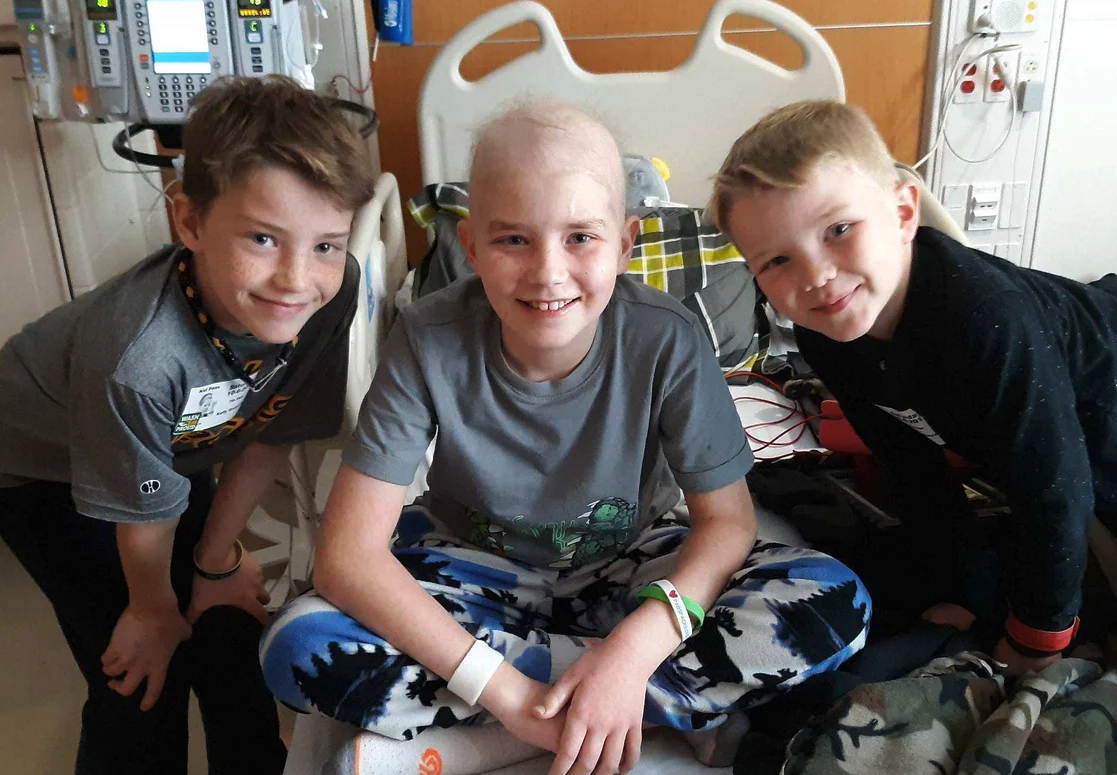
The transition from pediatric oncology patient to a thriving adult is often framed as a triumphant conclusion to a medical battle. However, for survivors like Cole, a 19-year-old culinary professional, the eradication of cancer cells marks only the beginning of a complex, often isolating journey toward psychological and social recovery. Diagnosed with an aggressive form of lymphoma at age 11, Cole’s trajectory from a hospital bed to a high-pressure kitchen in Montana illustrates a critical gap in the modern healthcare system: the necessity of integrated mental health support and vocational purpose in the years following physical remission.
The Medical Crisis: A Diagnosis of Burkitt’s Lymphoma
In 2018, Cole was diagnosed with Burkitt’s lymphoma, a highly aggressive B-cell non-Hodgkin lymphoma known for its rapid doubling time. The symptoms began with debilitating headaches and a sensation of intense pressure in his ears, which were later attributed to a tumor growing behind his nasal cavity. Burkitt’s lymphoma is recognized in medical literature as one of the fastest-growing tumors in humans, requiring immediate and intensive intervention.
Cole’s clinical treatment regimen was exhaustive. From August through December of that year, he was primarily confined to a hospital environment. His protocol included four and a half rounds of high-dose chemotherapy, multiple surgical procedures, and frequent lumbar punctures—a painful procedure used to check for the spread of cancer cells to the central nervous system. By February 2019, the aggressive treatment had proved successful; Cole was declared cancer-free and returned to his school environment.

While the medical objective—the elimination of the malignancy—had been achieved, the secondary effects of the treatment began to manifest as Cole attempted to reintegrate into his previous life.
The Invisible Aftermath: Late Effects and Cognitive Challenges
The concept of "survivorship" in pediatric oncology encompasses more than just the absence of disease. It involves managing "late effects," which are health problems that occur months or years after treatment ends. For Cole, these manifested as physical limitations and significant short-term memory loss, a phenomenon often colloquially referred to as "chemo brain."
Despite these hurdles, Cole demonstrated remarkable resilience, returning to his hockey team and redoubling his academic efforts to compensate for cognitive delays. However, the psychological toll of his experience remained largely unaddressed. Research indicates that the immediate aftermath of cancer treatment is often characterized by a "honeymoon phase" of relief, which can mask underlying trauma that surfaces only when the routine of normal life resumes.
2020: The Convergence of External and Internal Pressures
The stability Cole worked to maintain was jeopardized in 2020 by a confluence of systemic and personal stressors. The onset of the COVID-19 pandemic led to widespread social isolation, a particularly damaging environment for a teenager recovering from the trauma of a life-threatening illness. Simultaneously, Cole’s parents began the process of divorce, further destabilizing his home environment.
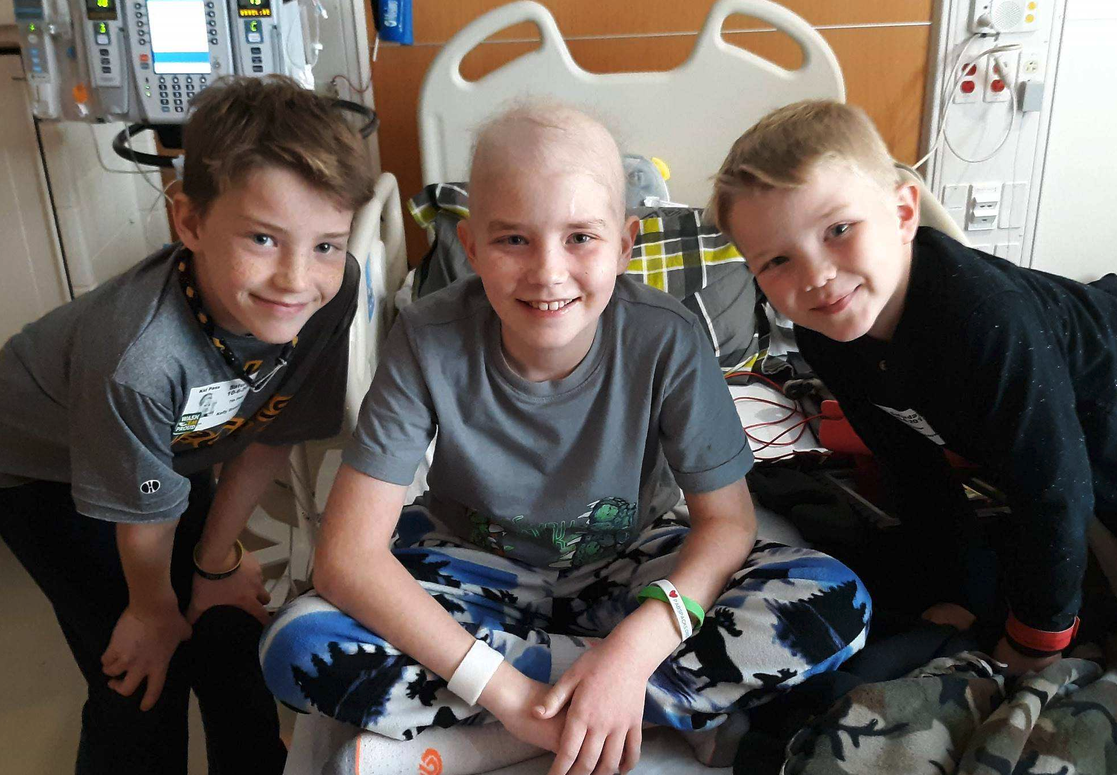
By age 15, the "cocktail" of isolation, cognitive frustration, and domestic change led to a severe mental health crisis. Cole began engaging in self-harm and substance abuse, utilizing marijuana, nicotine, and alcohol as maladaptive coping mechanisms. This culminated in an emergency room visit the day after his 15th birthday after he arrived at school intoxicated.
This period highlighted a significant disparity in support systems. While Cole’s family received an outpouring of community support during his chemotherapy, that support diminished when his struggles shifted to behavioral and mental health. His mother, Kelly, noted that the stigma associated with substance abuse and mental health crises led to social withdrawal from peers and other parents, leaving the family isolated during their most vulnerable period.
Supporting Data: The Psychological Risks for AYA Survivors
Cole’s experience is reflected in broader clinical data regarding Adolescent and Young Adult (AYA) cancer survivors. According to studies published by the American Society of Clinical Oncology (ASCO), AYA survivors are at a significantly higher risk for psychological distress compared to the general population.
- Depression and Anxiety: Survivors are approximately twice as likely to experience clinical anxiety and depression than their peers who have not had cancer.
- PTSD: Post-Traumatic Stress Disorder affects a substantial portion of pediatric survivors, often triggered by medical environments or the fear of recurrence.
- Risk-Taking Behavior: Despite their history of medical fragility, some survivors engage in higher rates of substance abuse, a phenomenon sometimes attributed to a "live for today" mentality or a reaction to the loss of control experienced during treatment.
- Service Gaps: A study in the Journal of Clinical Oncology found that while 90% of pediatric cancer patients survive at least five years, a significant percentage do not receive the recommended long-term follow-up care for psychosocial health.
The Turning Point: Vocational Therapy and the Culinary Arts
The resolution to Cole’s crisis did not come through traditional clinical settings alone. While he engaged in therapy for a year, he found that the most effective intervention was the structure and immediate accountability of the workforce. At age 15, he began working as a dishwasher at a casino restaurant.
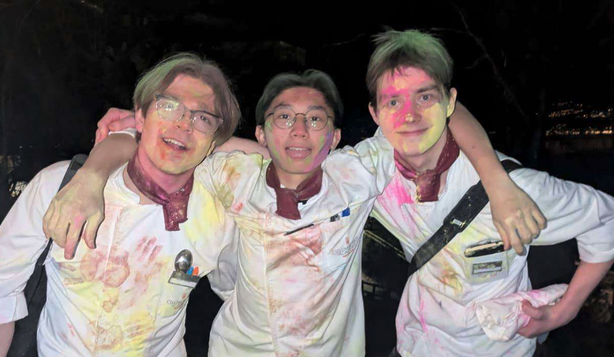
The professional kitchen environment provided a unique form of "pressure" that counteracted his internal negative thought spirals. Unlike the abstract deadlines of school or the emotional weight of therapy, the kitchen demanded immediate, tactile focus. The executive chef at the establishment leveraged Cole’s interest in cooking as an incentive, offering him a position on the line contingent upon improved grades and behavioral stability.
By age 16, Cole had transitioned to a cook position, mastering the grill, sauté station, and fryers. The fast-paced nature of the "line" allowed him to find a "flow state"—a psychological condition where a person is fully immersed in an activity, effectively silencing the intrusive thoughts associated with PTSD and depression.
Chronology of Recovery and Career Progression
- 2018: Diagnosis of Burkitt’s lymphoma; intensive chemotherapy and surgery.
- February 2019: Return to school and sports; initial academic and cognitive struggles.
- 2020: Onset of COVID-19 and parental divorce; escalation of mental health crisis and substance abuse.
- 2021: Entry into the culinary workforce as a dishwasher; initiation of a "behavioral contract" for career advancement.
- 2022–2024: Progression through various kitchen stations (Grill, Sauté, Steakhouse); stabilization of mental health.
- Fall 2026: Enrollment in a prestigious culinary school in Switzerland.
- Present: Completion of international internships and current employment in a high-end Montana kitchen.
Professional Implications and Future Outlook
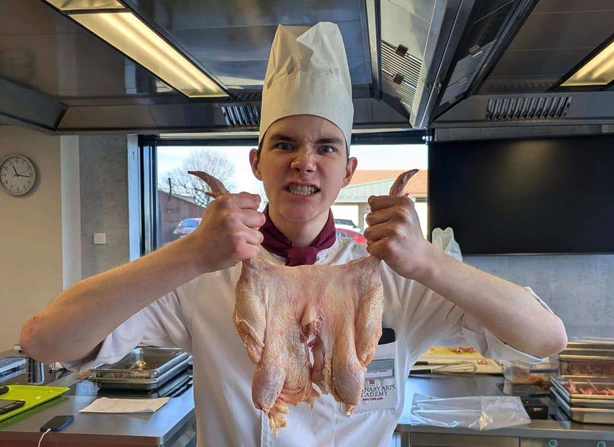
Today, at 19, Cole has transformed his survival into a global career. His training in Switzerland has facilitated connections across Europe and the United States. He currently works in Montana, where he is honing his skills alongside veteran chefs. His goal is to establish himself within international hotel chains, moving from one high-stakes kitchen to another to build a reputation for speed and precision.
Despite his professional success, Cole remains candid about the ongoing nature of recovery. He continues to manage negative thought cycles and is working toward total smoking cessation. His philosophy has shifted from an "all or nothing" approach to one of incremental progress—a lesson he believes is vital for other survivors.
Analysis: The Need for Integrated Survivorship Models
Cole’s journey underscores a necessary shift in how the medical community views "success" in cancer treatment. The current model often prioritizes the biological cure while underfunding the psychological and vocational rehabilitation necessary for long-term stability.
Experts in pediatric oncology survivorship argue for the implementation of "Survivorship Care Plans" (SCPs) that include robust mental health screenings and referrals to vocational training. For many survivors, the loss of "normal" developmental milestones—such as the first job or social integration—creates a sense of being "behind" their peers, which fuels anxiety.
Cole’s story suggests that for some survivors, non-traditional interventions such as high-intensity vocational environments can provide the sense of agency and purpose that clinical therapy may lack. By focusing on "one thing at a time"—whether it is a steak temperature or a single shift—survivors can rebuild the self-esteem that cancer and its treatment often erode.
As Cole looks toward a future in the European culinary scene, his trajectory serves as a case study in the power of finding a constructive outlet for pressure. His transition from a patient defined by his illness to a professional defined by his skill is a testament to the importance of looking beyond the hospital discharge date to ensure that survival is followed by a life of meaning and productivity.
