
 By Billy Candra
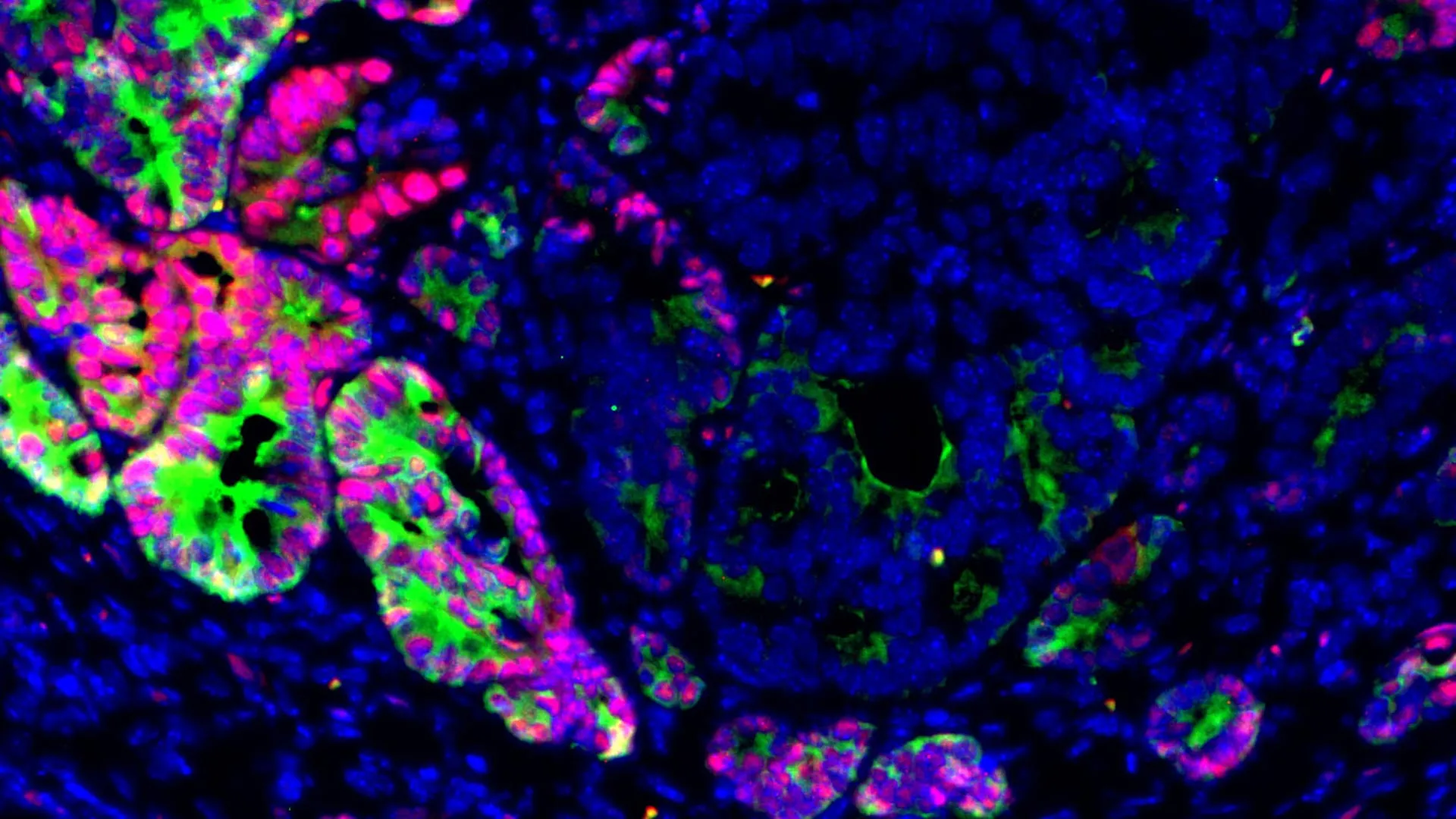
In a significant breakthrough that could reshape the fight against one of the deadliest forms of cancer, researchers at Weill Cornell Medicine and the Massachusetts Institute of Technology (MIT) have identified a crucial epigenetic mechanism that facilitates the spread of colorectal cancer (CRC) to the liver. Their comprehensive study, published on June 22 in the esteemed journal Cell Stem Cell, pinpoints the loss of GATA6 – a vital transcription factor responsible for regulating gene expression – as a critical switch that propels cancer cells into a highly adaptable, primitive state, thereby enabling metastasis. This groundbreaking discovery moves beyond the long-standing search for genetic mutations as the sole drivers of metastasis, instead highlighting the profound influence of epigenetic changes and opening new avenues for preventing the lethal dissemination of colorectal cancer.
The Silent Scourge: Colorectal Cancer and the Peril of Liver Metastasis
Colorectal cancer stands as the third most commonly diagnosed cancer and the second leading cause of cancer-related death worldwide, accounting for nearly 1.9 million new cases and 935,000 deaths annually. While early-stage CRC often boasts high survival rates, the prognosis drastically worsens once the disease spreads beyond its primary site. The liver is the most common distant organ affected by CRC metastasis, with approximately 50% of all colorectal cancer patients eventually developing liver metastases. For these patients, the five-year survival rate plummets to a dismal 14%, even with aggressive treatment options. The inherent challenge lies in the complex and often elusive process by which cancer cells acquire the ability to detach from the primary tumor, navigate the circulatory system, and establish new, often treatment-resistant colonies in distant organs. For decades, scientists have diligently sought specific genetic mutations that might act as "driver mutations" for liver metastasis, but a clear, universally accepted genetic trigger has remained elusive, underscoring the need for alternative explanatory frameworks.
Unveiling the Epigenetic Switch: The Critical Role of GATA6
The new research offers a compelling alternative explanation, shifting focus from direct DNA alterations to epigenetic modifications – changes that affect gene activity without altering the DNA sequence itself. At the heart of this discovery is GATA6, a transcription factor normally tasked with maintaining cellular identity and specialized functions within the cells lining the intestine. Dr. Norihiro Goto, assistant professor of medicine in the Division of Gastroenterology & Hepatology at Weill Cornell and co-leader of the research, emphasized the paradigm shift. "We discovered that GATA6 loss acts as a critical switch that can change cancer cells in the primary tumor from non-metastatic to pro-metastatic," Dr. Goto stated, adding, "Our findings suggest that epigenetic changes may be more important for promoting liver metastasis."
Transcription factors like GATA6 are molecular architects, dictating which genes are "on" or "off" at any given time, thereby influencing the proteins a cell produces and, consequently, its entire identity and behavior. The study meticulously demonstrated that GATA6 levels were significantly lower in liver metastases analyzed from both mouse models and human patients with colorectal cancer. Furthermore, this reduction in GATA6 expression was directly correlated with poorer patient outcomes, reinforcing its potential prognostic significance. This observation strongly suggested that the loss of GATA6 was not merely a consequence of metastasis but an active participant in its initiation and progression. Dr. Saori Goto, an instructor in medicine at Weill Cornell, served as the first author of this seminal study, with Dr. Omer H. Yilmaz, associate professor of biology at MIT, also co-leading the extensive research effort.
Innovative Organoid Models: A Chronological Window into Metastasis
One of the study’s most innovative aspects involved the development and utilization of sophisticated organoid models, which proved instrumental in unraveling the intricate, early stages of metastasis. As Dr. Norihiro Goto explained, analyzing established liver metastases from patients provides only a snapshot of the end-stage process, often failing to capture the critical "signals occurring in the early stages of the metastatic process." To overcome this limitation, the research team engineered miniature, three-dimensional clusters of cancer cells – organoids – derived directly from liver metastases. These organoids faithfully replicate many of the complex cellular and architectural characteristics of actual tumors, offering an unprecedented platform for studying cancer progression in a controlled laboratory setting.
The researchers adopted a novel, chronological approach to observe the metastatic cascade unfold. They implanted these metastasis-derived organoids into the colons of mice, where they developed into increasingly aggressive primary tumors. Crucially, these tumors subsequently metastasized to the liver. By repeating this cycle several times, serially passaging the organoids, the team could meticulously observe and analyze the gradual acquisition of metastatic abilities by cancer cells. This iterative process allowed them to track the dynamic cellular transformations that precede successful dissemination, providing a powerful tool to identify the molecular levers driving metastasis. This methodology stands as a testament to the advancements in organoid technology, which has revolutionized cancer research by enabling more physiologically relevant in vitro and in vivo modeling of human diseases.
Lineage Plasticity: Cancer’s Adaptable Disguise
The organoid experiments unveiled a profound cellular transformation triggered by the loss of GATA6: lineage plasticity. This refers to the remarkable, yet often sinister, ability of cells to fundamentally alter their identity and behavior, effectively "reprogramming" themselves. In the absence of GATA6, colorectal cancer cells were observed to activate alternative genetic programs, shedding their specialized intestinal identity and adopting a more flexible, primitive, and fetal-like state. This cellular "reshaping" is a natural biological process, normally employed by the body during critical phases like embryonic development, wound healing, and adaptation to severe stress. For instance, during tissue repair, quiescent cells might de-differentiate to a more progenitor-like state to facilitate regeneration. However, in the context of cancer, this inherent cellular flexibility becomes a dangerous asset, empowering malignant cells with the versatility needed to survive the arduous journey through the bloodstream and successfully colonize distant organs.
A key indicator of this newfound plasticity was the emergence of cells lacking LGR5, a well-established marker typically found in highly proliferative intestinal stem cells. Earlier research had hinted that LGR5-negative cells possess a unique capacity to initiate liver metastases. The new study definitively demonstrated that the loss of GATA6 directly caused cancer cells to transition from an LGR5-positive state to an LGR5-negative, fetal-like state. These transformed cells, now endowed with enhanced adaptability and migratory potential, were far better equipped to travel and establish secondary tumors. Conversely, the researchers found that experimentally restoring GATA6 activity, or activating related cellular pathways, effectively curbed the metastatic potential of colorectal cancer cells, further solidifying GATA6’s role as a critical gatekeeper against metastasis.
GATA6 Loss: A Catalyst for Dissemination, Independent of Primary Tumor Growth
The implications of GATA6 loss extended beyond mere cellular transformation; it directly impacted the metastatic burden. Dr. Norihiro Goto, who is also a member of the Jill Roberts Institute for Research in Inflammatory Bowel Disease and the Sandra and Edward Meyer Cancer Center at Weill Cornell, highlighted a striking finding: "When we genetically delete GATA6, the frequency and burden of liver metastases in mouse models significantly increase, while having little effect on primary tumor growth." This observation is profoundly significant because it suggests that the mechanisms driving metastasis are not necessarily intertwined with those governing the growth rate or size of the primary tumor. Instead, metastasis appears to depend more on these specific, GATA6-mediated transitions between cellular states, enabling cancer cells to acquire the necessary traits for systemic spread. This decoupling of primary tumor growth from metastatic potential offers a clearer, more targeted understanding of the metastatic process, moving away from a simplistic "bigger tumor, more metastasis" model.
Implications for Diagnosis and Prognosis: A New Biomarker?
The findings carry substantial implications for clinical practice, particularly in the realms of diagnosis and prognosis. The identification of GATA6 as a critical regulator of metastatic potential immediately raises its prospect as a novel biomarker. Tumors exhibiting low levels of GATA6 could be flagged as having a higher likelihood of containing cells already primed for metastatic dissemination. This information could be invaluable for clinicians in stratifying patient risk. For instance, patients whose primary colorectal tumors show reduced GATA6 expression might benefit from more intensive surveillance, earlier or more aggressive adjuvant therapies, or closer monitoring for signs of liver metastasis. This level of personalized risk assessment could revolutionize how patients are managed post-diagnosis, moving towards a more proactive and tailored treatment approach rather than reacting to overt metastasis. The integration of such epigenetic markers into routine pathology could provide a powerful new tool in the oncological arsenal.
Charting New Therapeutic Avenues: Maintaining Cellular Identity
Beyond its diagnostic utility, the study points towards exciting new therapeutic strategies. The core idea is to develop interventions focused on either maintaining cellular identity in primary tumor cells or preventing cancer cells from entering these highly flexible, pro-metastatic states. If GATA6 loss is the "switch" that enables metastasis, then finding ways to "switch it back on" or to counteract its absence could offer a potent therapeutic avenue. This might involve small molecules that upregulate GATA6 expression, compounds that stabilize the differentiated state of cancer cells, or drugs that specifically target the alternative genetic programs activated when GATA6 is lost.
However, Dr. Norihiro Goto acknowledged the inherent challenges in translating this knowledge into effective therapies. "Researchers will need to find ways to target these processes without interfering with normal tissue repair, which relies on similar biological programs," he cautioned. The very cellular plasticity that cancer exploits is also crucial for healthy tissue regeneration and wound healing. Therefore, any therapeutic intervention must be exquisitely specific, selectively disrupting pathological plasticity without compromising essential physiological processes. This demands a deep understanding of the unique vulnerabilities present in GATA6-deficient cancer cells that are not shared by healthy cells undergoing normal repair.
Broader Scientific Impact and Future Horizons
This research represents a pivotal step in understanding the complex biology of colorectal cancer metastasis, shifting the focus towards epigenetic regulation and cellular plasticity. The immediate future research endeavors outlined by the team are critical. They plan to diligently identify the unique vulnerabilities of GATA6-deficient cancer cells that could be exploited by novel, targeted therapies. This could involve screening for drugs that specifically inhibit the survival or proliferation of these plastic, fetal-like cells. Furthermore, the team intends to delve into the intricate interplay between the tumor microenvironment and these cellular transitions. The liver, with its unique cellular composition, immune landscape, and signaling molecules, likely plays a significant role in nurturing metastatic cells. Understanding how liver-specific signals influence GATA6-loss-driven plasticity in preclinical models will be crucial for developing therapies that specifically target liver metastasis.
"In addition to treating primary tumors, we need to find strategies to target the mechanism of liver metastasis," Dr. Norihiro Goto concluded. "Our study is a step toward developing therapies that block the spread of cancer at the earliest stages." This collaborative, multidisciplinary research effort, supported by various institutions including the Astellas Foundation, Japan Society for the Promotion of Science, the National Institutes of Health, Pew-Stewart Trust, AFAR and Glenn Foundation, Kenneth Rainin Foundation, Crohn’s & Colitis Foundation, and Mark Foundation for Cancer Research, underscores the global commitment to unraveling the mysteries of cancer and ultimately improving patient outcomes. The discovery of GATA6’s role marks a significant milestone, offering a beacon of hope for developing more effective strategies to combat the devastating spread of colorectal cancer.
