
 By George Ongkojoyo
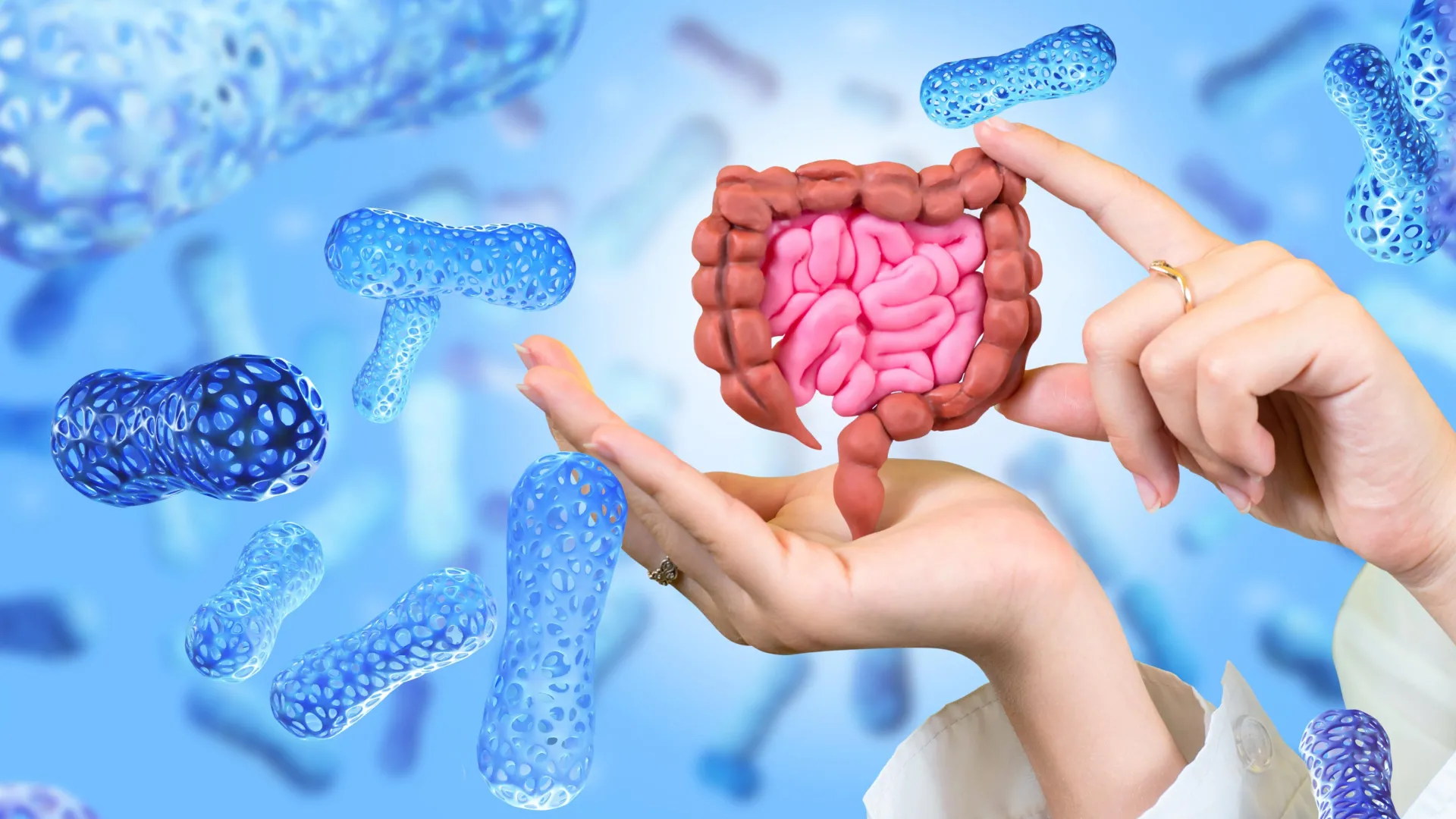
Pancreatic ductal adenocarcinoma (PDAC) remains one of the most formidable challenges in modern oncology, characterized by a dismal five-year survival rate that currently hovers around 12 to 13 percent. While the advent of immunotherapy, particularly immune checkpoint inhibitors, has revolutionized the treatment of various malignancies like melanoma and non-small cell lung cancer, pancreatic cancer has remained largely impervious to these breakthroughs. The primary culprit for this resistance is the tumor’s "cold" microenvironment—a dense, fibrotic, and immunosuppressive landscape that effectively shields cancer cells from the body’s immune system. However, a multidisciplinary team of researchers at the University of Chicago has unveiled a promising new strategy that utilizes synthetic biology to breach these defenses. By engineering a common probiotic bacterium, Bifidobacterium longum, to deliver a potent immune-stimulating payload directly into the heart of the tumor, scientists have demonstrated a significant reduction in tumor growth and a marked increase in the efficacy of conventional treatments in preclinical models.
The Challenge of the Cold Tumor Microenvironment
To understand the significance of the University of Chicago study, published recently in Science Advances, one must first grasp the biological barriers inherent in pancreatic cancer. Unlike "hot" tumors, which are heavily infiltrated by T cells and are thus more responsive to immunotherapy, pancreatic tumors are notoriously "cold." They are surrounded by a thick layer of connective tissue known as the stroma, which creates high interstitial fluid pressure and physical obstruction. Furthermore, the chemical environment within these tumors is often hypoxic (low in oxygen) and acidic, which inhibits the activity of cancer-fighting CD8+ T cells while recruiting regulatory T cells (Tregs) that suppress immune responses.
For decades, clinicians have sought ways to "turn up the heat" on these cold tumors. One of the most potent tools in the immunological arsenal is Interleukin-2 (IL-2), a cytokine that acts as a powerful growth factor for T cells. However, systemic administration of IL-2 is fraught with danger. High doses can lead to severe toxicity, including capillary leak syndrome, and can paradoxically stimulate Tregs, which can actually help the tumor evade the immune system. The challenge, therefore, was to find a way to deliver a more precise version of IL-2 directly to the tumor site while bypassing healthy tissue.
Engineering the BifidoSumIL-2 Delivery System
The research team, led by Ralph Weichselbaum, MD, the Daniel K. Ludwig Distinguished Service Professor and Chair of Radiation and Cellular Oncology, and Mark Mimee, PhD, Assistant Professor of Microbiology, turned to the world of the microbiome for a solution. They selected Bifidobacterium longum, a probiotic bacterium naturally found in the human gastrointestinal tract and commonly consumed in products like yogurt.
The choice of Bifidobacterium was strategic. As an obligate anaerobe, this bacterium thrives only in environments with extremely low oxygen levels. Because solid tumors like those found in the pancreas are poorly vascularized and inherently hypoxic, they provide a perfect sanctuary for Bifidobacterium. When introduced into the body, the bacteria are naturally cleared from the oxygen-rich environment of healthy organs but remain viable and active within the necrotic, low-oxygen core of the tumor.
To transform this probiotic into a therapeutic delivery vehicle, the researchers engineered it to produce a modified version of IL-2, which they named "SumIL-2." This engineered molecule was designed to have a higher affinity for the receptors on cancer-fighting effector T cells and a lower affinity for the receptors on immunosuppressive regulatory T cells. By placing the genetic instructions for SumIL-2 inside Bifidobacterium longum, the team created "BifidoSumIL-2"—a living "drug factory" that only activates once it reaches the specific conditions of the tumor microenvironment.
Overcoming Technical Hurdles in Synthetic Biology
The development of BifidoSumIL-2 was not a straightforward task. Mark Mimee noted that while model bacteria like E. coli are easy to manipulate genetically, Bifidobacterium presents significant challenges. It grows slowly and requires specialized anaerobic conditions to survive in a laboratory setting. Furthermore, the genetic toolkit for Bifidobacterium is less developed than those for more common laboratory organisms.
"A lot of the work was just figuring out how to reliably engineer it," Mimee explained. The project required a convergence of expertise from microbiology, synthetic biology, oncology, and immunology. This interdisciplinary collaboration was essential to ensure that the bacteria could not only survive and produce the therapeutic payload but also do so in a way that was safe and controllable. The researchers had to ensure the bacteria would not cause systemic infection while remaining robust enough to exert a therapeutic effect within the tumor.
Preclinical Evidence and Synergistic Effects
In animal models of pancreatic cancer, the results were striking. The BifidoSumIL-2 therapy demonstrated a clear ability to home in on tumors and colonize them. Once established, the bacteria began producing SumIL-2, which successfully recruited and activated CD8+ T cells. This localized immune activation led to a significant slowing of tumor progression compared to control groups.
Perhaps more importantly, the researchers found that BifidoSumIL-2 acted as a potent sensitizer for other forms of therapy. Pancreatic cancer is rarely treated with a single modality; standard care usually involves a combination of surgery, chemotherapy, and sometimes radiation. The study found that when BifidoSumIL-2 was paired with:
- Chemotherapy: The bacterial therapy enhanced the cytotoxic effects of standard chemotherapeutic agents, likely by making the tumor more susceptible to cellular death through immune pressure.
- Radiotherapy: Radiation can sometimes cause an "abscopal effect," where treating one tumor triggers an immune response against distant tumors. BifidoSumIL-2 appeared to amplify the localized inflammatory signals produced by radiation, leading to better overall tumor control.
- Anti-PD-L1 Immunotherapy: By turning a "cold" tumor "hot," BifidoSumIL-2 provided the necessary T cell infiltration for checkpoint inhibitors to work effectively.
"This combination potential is one of the study’s most important findings," Weichselbaum stated. "BifidoSumIL-2 not only works by itself—it works with radiotherapy, chemotherapy, and immunotherapy." This suggests that the bacterial platform could be integrated into existing clinical workflows rather than replacing them, providing a multi-pronged attack on the cancer.
The "Bugs as Drugs" Movement
This research contributes to an expanding field often referred to as "bugs as drugs" or live biotherapeutic products (LBPs). The concept of using bacteria to fight cancer is not entirely new; in the late 19th century, Dr. William Coley used killed bacteria to stimulate immune responses in cancer patients. However, modern synthetic biology allows for a level of precision that Coley could only have dreamed of.
By using "generally recognized as safe" (GRAS) organisms like Bifidobacterium, researchers can minimize the risk of adverse reactions. The safety profile of Bifidobacterium is well-established through its use in the food industry and as a probiotic supplement. This gives it a significant advantage over other bacterial candidates, such as attenuated strains of Salmonella or Listeria, which, while effective at targeting tumors, carry a higher inherent risk of toxicity.
Future Directions and Clinical Prospects
While the preclinical data is compelling, the path to human clinical trials involves several more steps. The researchers have identified several key areas for future investigation:
- Administration Routes: Currently, the therapy has been tested via systemic injection. Future studies will explore whether the bacteria can be administered orally—perhaps in a capsule form—and still successfully migrate from the gut to a pancreatic tumor.
- Long-term Safety: While Bifidobacterium is safe in the gut, its long-term presence in tumor tissue and its eventual clearance from the body need to be meticulously documented.
- Combination with KRAS Inhibitors: Recent breakthroughs in targeting KRAS mutations, which are present in over 90% of pancreatic cancers, offer another potential partner for BifidoSumIL-2. Combining a targeted molecular inhibitor with a targeted bacterial immunotherapy could represent a new frontier in precision oncology.
- Duration of Response: Understanding how long the immune system remains "activated" after the bacterial colonization is crucial for determining dosing schedules.
The University of Chicago is uniquely positioned to move this research forward. In April 2027, the institution is set to open the AbbVie Foundation Cancer Pavilion. As Chicago’s first freestanding cancer pavilion, it is designed to facilitate exactly this kind of translational research—taking discoveries from the synthetic biology lab and moving them into clinical trials for patients who have exhausted standard treatment options.
A New Mountain to Climb
Pancreatic cancer has long been described by oncologists as a "mountain to climb" because of its biological complexity and the relative failure of many promising drugs. The work of Weichselbaum, Mimee, and their colleagues suggests that the secret to reaching the summit may not lie in a more powerful drug alone, but in a more intelligent delivery system.
By harnessing the natural preferences of a probiotic bacterium and equipping it with a precision-engineered molecular key, the team has provided a blueprint for overcoming the "cold" tumor barrier. As the field of "bugs as drugs" continues to mature, BifidoSumIL-2 stands as a testament to the power of interdisciplinary science in tackling some of the most intractable problems in human health. If the success in animal models can be replicated in humans, it could signal a paradigm shift in how we treat not only pancreatic cancer but many other "cold" solid tumors that have thus far evaded the reach of the immunotherapy revolution.
