
 By admin
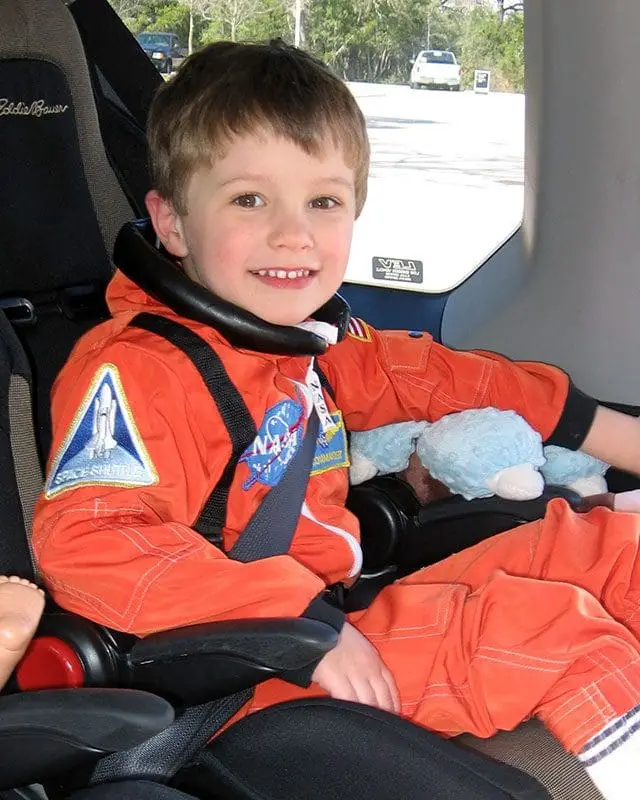
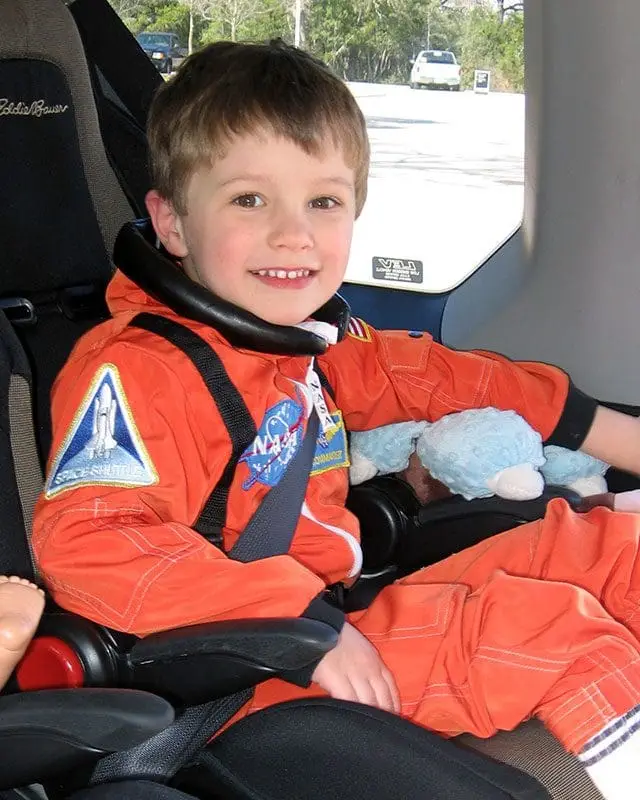
The narrative of Augusto “Auggie” Grant serves as a poignant case study in the volatile nature of pediatric oncology and the subsequent mobilization of grassroots philanthropy. Auggie, a five-year-old child from a vibrant household, embodied the boundless energy typical of his age group, harboring aspirations of becoming an astronaut, a superhero, and a “ninja warrior.” His sudden transition from a healthy, active child to a victim of acute monoblastic leukemia within a span of five days highlights the aggressive trajectory of certain pediatric malignancies and the systemic gaps in early detection and treatment.
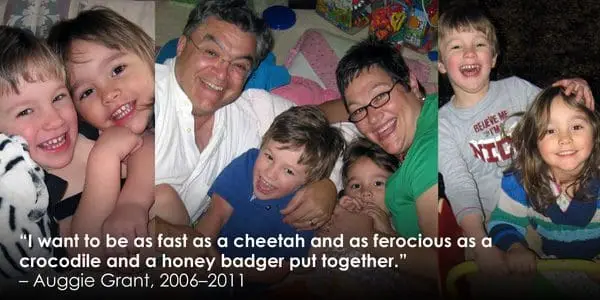
Born with a personality that his father, Jon Grant, describes as "consuming the room," Auggie was known for his imaginative play and physical vigor. His parents recall a child who lived with "jubilant ferocity," often seen wearing firefighter gear or running with the speed of a cheetah. This outward appearance of health, however, masked a biological crisis. In late 2011, the family discovered that cancer had been silently proliferating in Auggie’s bloodstream. The diagnosis was as swift as it was devastating: acute monoblastic leukemia. On December 5, 2011, just five days after the initial clinical confirmation of his illness, Auggie passed away.
The Clinical Reality of Acute Monoblastic Leukemia
Acute monoblastic leukemia (AML-M5) is a subtype of acute myeloid leukemia, characterized by the rapid growth of abnormal white blood cells that accumulate in the bone marrow and interfere with the production of normal blood cells. While pediatric AML is less common than acute lymphoblastic leukemia (ALL), it is often more difficult to treat and carries a more guarded prognosis.
According to data from the American Cancer Society, AML accounts for about 11% of childhood leukemia cases. The "monoblastic" designation (M5) indicates that the leukemia cells are predominantly monoblasts—immature cells that would normally become monocytes. In cases like Auggie’s, the disease can be exceptionally aggressive, leading to multi-organ failure or intracranial hemorrhage before intensive chemotherapy can take effect. Cheryl Grant, Auggie’s mother, noted that a simple five-minute blood test eventually revealed the severity of the condition, yet by the time symptoms were overt enough to warrant the test, the disease had reached a terminal stage.
A Chronology of Advocacy: From Tragedy to Action
The timeline of Auggie’s legacy began almost immediately following his death in December 2011. Confronted with an outpouring of community support, the Grant family sought a way to direct collective grief toward a constructive outcome.
- December 2011: Upon drafting Auggie’s obituary, Cheryl Grant consulted with pediatric oncologists to identify organizations focused on high-impact research. This led the family to CureSearch for Children’s Cancer.
- 2012 – Present: The family established "Auggie’s Honey Badgers," a fundraising team named after the animal Auggie admired for its ferocity and resilience.
- Annual Participation: The team became a staple in the "Ultimate Hike" program, a flagship endurance event for CureSearch that challenges participants to hike 28.3 miles in a single day to raise funds.
- September Observances: Each year during Childhood Cancer Awareness Month, the family intensifies their advocacy, leveraging Auggie’s story to highlight the urgency of pediatric research funding.
The Funding Gap in Pediatric Oncology
The mobilization of families like the Grants is a response to what many advocates describe as a "funding crisis" in childhood cancer research. While the National Cancer Institute (NCI) allocates significant resources to cancer research, only approximately 4% of federal cancer research funding is dedicated specifically to pediatric cancers.
This disparity necessitates the intervention of non-profit organizations like CureSearch. Unlike broader cancer charities, CureSearch focuses exclusively on pediatric research, prioritizing "bench-to-bedside" projects. These are initiatives designed to move quickly from laboratory discovery to clinical trials, acknowledging that children with aggressive diagnoses do not have the luxury of decade-long development cycles.
Research funded by these initiatives focuses on three primary pillars:
- Efficacy: Developing treatments that can successfully put aggressive cancers like AML into remission.
- Toxicity Reduction: Addressing the fact that current treatments—often adapted from adult protocols—can cause lifelong health issues, including secondary cancers, heart disease, and cognitive impairments.
- Accessibility: Ensuring that new therapies are fast-tracked through the regulatory pipeline to reach the clinic.
The Ultimate Hike and Community Resilience
For Jon Grant, the involvement in the Ultimate Hike has been a transformative element of the grieving process. The event is more than a physical challenge; it serves as a communal space for bereaved parents and survivors. "Because of my involvement, my grief over Auggie has evolved," Jon stated, noting that the team has become a surrogate family.
The Ultimate Hike serves a dual purpose. First, it raises the necessary capital to fund innovative research grants. Second, it maintains public visibility for childhood cancer, which, despite being the leading cause of death by disease in children in the United States, often lacks the consistent public attention afforded to adult-onset cancers.
The "Honey Badgers" team name reflects a philosophy of "jubilant ferocity." This approach encourages donors and participants to move beyond passive sympathy and toward active, aggressive support for scientific breakthroughs. Cheryl Grant emphasizes the efficiency of this model: "It only takes five minutes to set up a recurring donation… those five minutes could mean a lifetime for another child."
Broader Implications and Scientific Analysis
The story of Auggie Grant highlights a critical need for advancements in early diagnostic tools for pediatric leukemia. Because symptoms in children—such as fatigue, bruising, or mild fever—often mimic common childhood ailments, aggressive leukemias can reach an advanced stage before clinical intervention occurs.
Furthermore, the "five-day" window from diagnosis to death in Auggie’s case underscores the necessity of having pre-approved, targeted therapies ready for immediate administration. Current research into the genomic landscape of AML is attempting to identify specific mutations that can be targeted with precision medicine, potentially offering a higher success rate than traditional, broad-spectrum chemotherapy.
The impact of grassroots organizations is measurable. Since its inception, CureSearch has contributed to the development of several new treatments and has helped maintain a network of clinical trial sites that ensure children have access to the latest therapies regardless of their geographic location.
Conclusion: The Lasting Impact of Childhood Cancer Awareness Month
As Childhood Cancer Awareness Month proceeds each September, the narrative of Auggie’s life and the "Honey Badgers" serves as a reminder of the human cost of research delays. The Grant family’s transition from personal loss to systemic advocacy reflects a broader trend in the medical community where the "patient voice"—and the voices of those left behind—becomes a primary driver for legislative and financial change.
The legacy of Augusto Grant is not merely one of loss, but of a sustained effort to ensure that future five-year-olds with "big dreams" have the medical infrastructure necessary to see them realized. By focusing on fast-tracked research and safer treatment protocols, the initiatives born from Auggie’s story aim to bridge the gap between imaginative potential and biological survival.
In the landscape of modern medicine, where funding is often the primary bottleneck to innovation, the ferocity of the "Honey Badgers" represents a vital force. As the Grant family continues their annual hikes and fundraising efforts, they do so with the understanding that while they could not save their son, the data and treatments funded in his name are actively altering the prognosis for thousands of other children diagnosed with pediatric malignancies.
