
 By Suherman Candra Maholtra
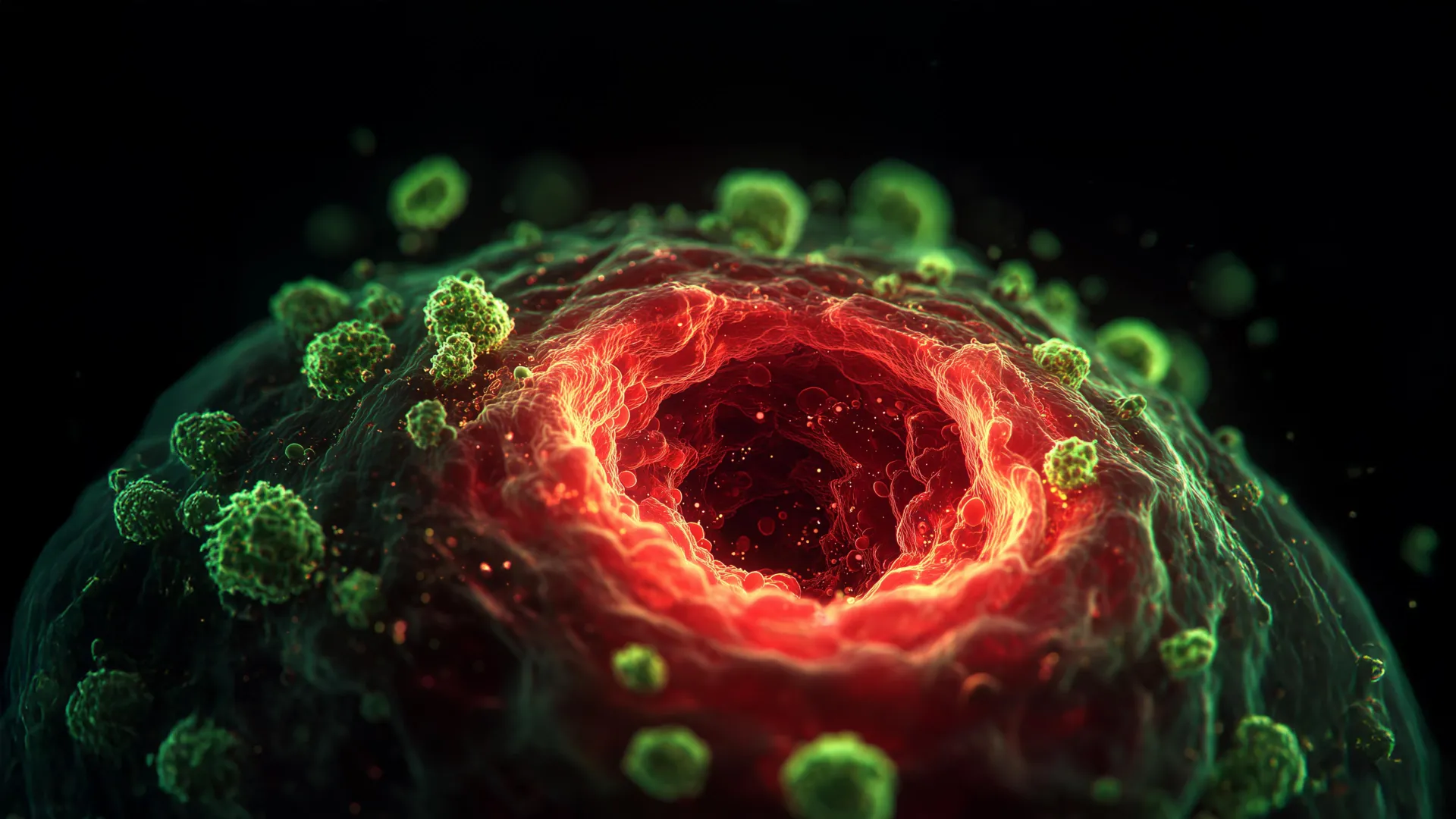
In a significant advancement for oncology, researchers from the Dana-Farber Cancer Institute and the Salk Institute for Biological Studies have successfully translated a decade of laboratory breakthroughs into a promising clinical strategy for pancreatic cancer. This approach, which focuses on activating the vitamin D receptor to dismantle the protective biological "shield" surrounding tumors, marks a shift from traditional treatments that target cancer cells in isolation. By altering the tumor microenvironment, the researchers aim to render one of the world’s most lethal malignancies more susceptible to standard chemotherapy and the body’s own immune system.
The study, recently published in the journal Nature Cancer, provides clinical evidence that a vitamin D analog called paricalcitol can safely be integrated into existing treatment regimens. While the trial was primarily designed to assess safety and biological mechanism, the early efficacy signals—including a marked increase in treatment response and overall survival among specific patient subgroups—have sparked optimism in a field where progress is often measured in weeks rather than years.
The Challenge of the Pancreatic Tumor Microenvironment
Pancreatic ductal adenocarcinoma (PDAC) remains a formidable challenge for modern medicine. It is currently the third leading cause of cancer-related deaths in the United States, with a five-year survival rate that has only recently climbed into the low double digits. One of the primary reasons for this high mortality rate is the unique structure of the pancreatic tumor itself. Unlike many other cancers that exist as a mass of malignant cells, pancreatic tumors are characterized by a dense, scar-like tissue known as the stroma.
This stroma is largely composed of activated fibroblasts—connective tissue cells that, under the influence of the cancer, produce a thick matrix of collagen and other proteins. This dense environment creates a high-pressure zone that collapses blood vessels, preventing chemotherapy drugs from reaching the tumor core. Furthermore, the stroma acts as an immunological "no-fly zone," secreting signals that exclude T cells and other immune agents that might otherwise recognize and destroy the cancer.
For years, researchers attempted to simply "bulldoze" this stroma, but these efforts often backfired, causing the tumors to become even more aggressive. The new strategy led by the Salk and Dana-Farber teams takes a more nuanced approach: instead of destroying the stroma, they seek to "reprogram" it, shifting the fibroblasts from an activated, pro-tumor state back to a quiescent, healthy state.
A Chronology of Discovery: From Nuclear Receptors to the Clinic
The foundation for this clinical trial was laid decades ago by Ronald Evans, PhD, a professor at the Salk Institute and a pioneer in molecular biology. Evans is credited with discovering the nuclear receptor superfamily, a class of 48 proteins that sense hormones and vitamins to control the expression of thousands of genes. This discovery revolutionized pharmacology, as roughly 13% of all FDA-approved drugs now target these receptors to treat conditions ranging from diabetes to heart disease.
In the early 2010s, Evans and his team turned their attention to the vitamin D receptor (VDR), a member of this superfamily. While vitamin D is best known for its role in bone health, the Evans lab discovered that the VDR is also highly expressed in a specific population of fibroblasts in the liver and pancreas. In healthy tissue, these fibroblasts remain dormant. However, in the presence of injury or cancer, they "switch on," contributing to fibrosis and inflammation.
By 2013, Salk researchers demonstrated in preclinical models that synthetic vitamin D analogs could bind to these receptors and force the fibroblasts back into a dormant state. This "stromal remodeling" led to a dramatic improvement in drug delivery and immune infiltration in mice with pancreatic cancer. These findings provided the scientific rationale for the Dana-Farber team, led by Brian Wolpin, MD, MPH, and Kimberly Perez, MD, to initiate human trials.
Clinical Trial Design and Safety Profile
The Phase 1/2 clinical trial enrolled 36 patients with previously untreated metastatic pancreatic cancer. This population represents the most common and difficult-to-treat demographic of the disease. The study was a randomized, placebo-controlled trial designed to evaluate the safety of adding paricalcitol to the standard-of-care chemotherapy regimen, which consists of gemcitabine and nab-paclitaxel.
Participants were divided into three groups: one receiving chemotherapy plus a placebo, one receiving chemotherapy plus intravenous paricalcitol, and one receiving chemotherapy plus oral paricalcitol. Paricalcitol was chosen because it is an FDA-approved drug already used to treat secondary hyperparathyroidism in patients with chronic kidney disease, meaning its safety profile was already well-documented.
The results confirmed that paricalcitol could be integrated into intensive chemotherapy without significantly increasing the burden of side effects. The most notable adverse event was a rise in blood calcium levels (hypercalcemia) in five of the 12 patients in the oral paricalcitol group. However, the researchers noted that these elevations were easily managed through standard dose adjustments, and the intravenous administration route showed even greater stability.
Deep Tissue Analysis: Proving the Biological Mechanism
To confirm that the drug was working as intended, the researchers performed "liquid biopsies" and traditional tissue biopsies at the start of the study and again after four to six weeks of treatment. Using cutting-edge spatial transcriptomics and multiplex immunofluorescence, they were able to map the cellular changes occurring within the tumor microenvironment.
The analysis revealed that paricalcitol successfully reduced the activation of cancer-associated fibroblasts (CAFs). Importantly, the drug did not kill these cells—which could have weakened the structural integrity of the organ—but rather changed their behavior. By "calming" these fibroblasts, the treatment reduced the production of inflammatory signals.
Perhaps most significantly, the researchers observed a marked increase in the infiltration of CD8+ T cells into the tumor. These "killer" T cells are the primary weapons of the immune system. In typical pancreatic cancer, these cells are trapped on the periphery of the tumor. The paricalcitol-treated patients showed a more porous stroma that allowed these immune cells to penetrate deep into the malignant tissue, potentially setting the stage for future combinations with immunotherapy drugs like checkpoint inhibitors.
Encouraging Efficacy Signals
While the trial’s primary endpoint was safety, the secondary outcomes regarding patient response were striking. Among the 24 patients who received paricalcitol (either oral or IV), 42% achieved a partial response, meaning their tumors shrank significantly. In contrast, only 9% of the patients in the placebo group achieved a similar response.
The durability of these responses was also notable. At the one-year mark, five patients in the paricalcitol groups remained free of disease progression. In the placebo group, no patients reached the one-year mark without their disease advancing.
The researchers also identified a potential biomarker for treatment success. Patients whose tumors naturally expressed higher levels of the vitamin D receptor (VDR) prior to treatment saw the greatest benefit. This group experienced the longest overall survival, suggesting that a simple biopsy test for VDR levels could eventually be used to personalize treatment plans, ensuring that the drug is given to those most likely to respond.
Implications for the Future of Cancer Therapy
The success of this trial represents a proof-of-concept for "stromal remodeling" as a pillar of cancer therapy. For decades, the "war on cancer" has focused almost exclusively on the seeds—the cancer cells themselves. This research highlights the importance of the "soil"—the surrounding environment that allows the seeds to grow and resist attack.
"This study really takes a novel approach for cracking therapeutic resistance in pancreatic cancer," said Ronald Evans. "By using vitamin D analogs to engage the body’s own natural system for dampening fibrotic and inflammatory responses, we can enable other therapies to do their job."
The implications extend beyond pancreatic cancer. Fibrosis is a hallmark of many other "cold" tumors, including certain types of breast, lung, and prostate cancers. If the VDR-targeting strategy can be replicated in these settings, it may open a new front in the treatment of various solid tumors that have traditionally been resistant to both chemotherapy and immunotherapy.
Next Steps and Broader Impact
Despite the positive results, the researchers emphasize that this was a small-scale trial. The findings must now be validated in a larger, Phase 3 clinical trial involving hundreds of patients across multiple centers. Such a trial would be necessary to definitively prove that paricalcitol extends life and to establish it as a new standard of care.
Future research will also explore the combination of vitamin D analogs with other emerging treatments. For instance, the increase in T-cell infiltration observed in this study suggests that paricalcitol could be the "key" that unlocks the effectiveness of immunotherapy in pancreatic cancer, which has so far been largely unsuccessful in this disease.
"This study is an important step forward for the use of a vitamin D analog as a stromal remodeling therapy," said Kimberly Perez of Dana-Farber. "It validates preclinical findings in patients and provides a road map for future studies that could someday establish a new treatment standard."
As the oncology community moves toward more personalized and holistic approaches to treatment, the collaboration between the Salk Institute and Dana-Farber serves as a model for how basic laboratory science can be successfully bridged into the clinic. For patients facing a pancreatic cancer diagnosis, this research offers a new source of hope: the possibility that a common vitamin analog could be the missing piece in the puzzle of overcoming treatment resistance.
