
 By Hendra Lukman
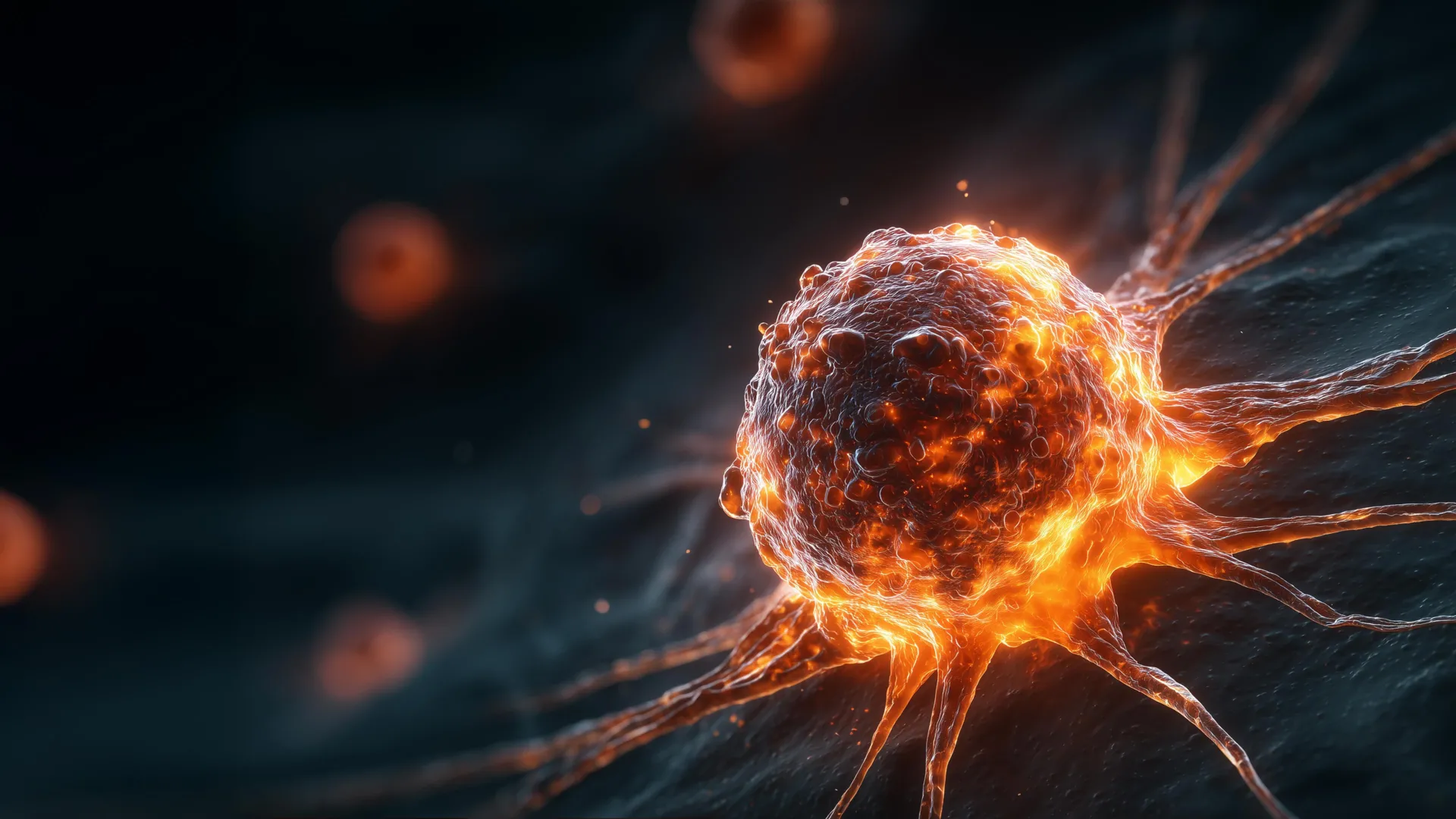
New research emerging from the Rudolf Virchow Centre (RVZ) at Julius-Maximilians-Universität Würzburg (JMU) has unveiled a surprising and potentially significant role for Vitamin B2, also known as riboflavin, in the complex landscape of cancer biology. While this essential nutrient is vital for numerous human health functions, including cellular protection and energy metabolism, the latest findings suggest that its metabolic pathways can also inadvertently provide a shield for cancer cells, protecting them from a critical form of programmed cell death. This discovery opens a new avenue of investigation into potential therapeutic strategies for cancer treatment by targeting the very pathways that support cellular survival.
Vitamin B2: A Double-Edged Sword in Cellular Health
Vitamin B2 is a water-soluble vitamin that the human body cannot synthesize, necessitating its regular intake through diet. Rich sources include dairy products, eggs, meat, and green leafy vegetables. Once consumed, riboflavin is converted into its active coenzyme forms, flavin mononucleotide (FMN) and flavin adenine dinucleotide (FAD). These coenzymes are indispensable for a vast array of metabolic processes, acting as crucial components of enzymes involved in cellular respiration, energy production, and the detoxification of harmful substances. A key function highlighted in previous research is their role in combating oxidative stress, a damaging cellular process implicated in aging and various diseases, including cancer. By neutralizing free radicals and participating in antioxidant defense mechanisms, Vitamin B2 has long been recognized for its protective qualities.
However, the groundbreaking study published in Nature Cell Biology by a team led by Professor José Pedro Friedmann Angeli, head of Translational Cell Biology at JMU, and PhD student Vera Skafar, indicates that these protective mechanisms may extend to malignant cells, offering them a lifeline in their battle against cell death. The research specifically focuses on ferroptosis, a highly regulated form of programmed cell death characterized by iron accumulation and lipid peroxidation.
Unraveling the Mechanism: Vitamin B2 and Ferroptosis Protection
Programmed cell death, or apoptosis, is a fundamental biological process that eliminates damaged, aged, or superfluous cells in a controlled manner, preventing inflammation and maintaining tissue homeostasis. Ferroptosis represents a distinct pathway of programmed cell death, distinguished by its reliance on iron and its susceptibility to lipid peroxidation within cell membranes. This form of cell death has garnered significant attention in recent years due to its implications in a spectrum of diseases, including cancer, neurodegenerative disorders such as Alzheimer’s and Parkinson’s disease, and acute organ injury.
In the context of cancer, ferroptosis can act as a potent tumor suppressor mechanism. Cancer cells often develop resistance to conventional therapies by upregulating survival pathways and enhancing their antioxidant defenses to evade apoptosis. Ferroptosis is particularly relevant because it can be triggered even in cells that are resistant to other forms of programmed cell death. The accumulation of iron within cells, coupled with the overwhelming of cellular antioxidant systems, leads to the rupture of cell membranes and the demise of the cancer cell.
The new research from the RVZ team has elucidated a critical role for Vitamin B2 metabolism in bolstering the cellular machinery that protects against ferroptosis. Specifically, their findings demonstrate that active Vitamin B2 metabolism, through its coenzymes FMN and FAD, directly supports the antioxidant systems that cancer cells exploit to survive. This means that by enhancing these protective pathways, Vitamin B2 essentially helps cancer cells evade ferroptotic death.
"Vitamin B2 plays a crucial role in protecting cancer cells from ferroptosis, a special form of programmed cell death," stated Vera Skafar, the lead author of the study. Her work, conducted under the guidance of Professor Friedmann Angeli, signifies a major step forward in understanding the intricate molecular interplay between essential nutrients and cancer cell survival.
Targeting the Achilles’ Heel: A Novel Cancer Therapy Strategy
The discovery that Vitamin B2 metabolism actively shields cancer cells from ferroptosis has ignited excitement about a potential therapeutic strategy. If the metabolic pathways supporting this protection can be inhibited, it could render cancer cells far more vulnerable to ferroptosis, thereby facilitating their destruction. This approach represents a paradigm shift, moving from directly inducing cancer cell death to disabling their survival mechanisms.
Central to the researchers’ investigation was a protein known as FSP1 (Ferroptosis Suppressor Protein 1). FSP1 has been previously identified as a key player in preventing ferroptosis in healthy cells. The RVZ team’s work confirmed and expanded upon this, revealing that Vitamin B2, through its metabolic products, significantly enhances the activity of FSP1. By supporting FSP1, Vitamin B2 effectively strengthens the cellular defense against ferroptosis.
To test their hypothesis, the researchers employed sophisticated techniques, including genome editing and the use of various cancer cell models. In these experiments, they systematically reduced the availability of Vitamin B2 within the cancer cells. The results were striking: cancer cells with limited Vitamin B2 became significantly more sensitive to ferroptosis, indicating that the nutrient’s metabolic products are indeed essential for their resistance.
This observation led the team to conceptualize a therapeutic approach: inhibiting Vitamin B2 metabolism specifically within tumors. By starving cancer cells of this vital metabolic support, they hypothesized, ferroptosis could be induced, leading to tumor regression.
Exploring Therapeutic Avenues: The Promise of Roseoflavin
While the direct inhibition of Vitamin B2 metabolism in cancer cells presents a promising strategy, a significant hurdle remains: the lack of a specifically designed inhibitor for this pathway. To overcome this, the researchers turned to naturally occurring compounds that might mimic or interfere with riboflavin’s function.
Their attention was drawn to roseoflavin, a molecule produced by certain bacteria, which shares a structural similarity with Vitamin B2. Roseoflavin acts as a competitive inhibitor, meaning it can bind to the same cellular machinery that Vitamin B2 uses, but without activating the protective pathways.
In a series of meticulously designed laboratory experiments using established cancer cell lines, the RVZ team tested the efficacy of roseoflavin. The results were highly encouraging. Roseoflavin was able to trigger ferroptosis even at remarkably low concentrations. This suggests that by introducing roseoflavin, the researchers could effectively outcompete Vitamin B2 for access to the cellular machinery, thereby disrupting the protective mechanisms and initiating cell death.
"It turned out that roseoflavin triggers ferroptosis in low concentrations," remarked Professor Friedmann Angeli. "Our experiments show the feasibility of this concept." This finding is a critical proof-of-concept, demonstrating that targeting Vitamin B2 metabolism is not merely a theoretical possibility but a tangible therapeutic avenue.
The implications of this discovery are profound. It suggests that the development of novel drugs designed to inhibit Vitamin B2 metabolism could represent a significant advancement in cancer treatment, potentially offering a new weapon against tumors that have developed resistance to conventional therapies.
Future Directions and Preclinical Development
The successful demonstration of roseoflavin’s ability to induce ferroptosis marks a pivotal moment in this research. However, the journey from laboratory discovery to clinical application is long and complex. The RVZ research team is now focused on the next critical steps: developing more potent and specific inhibitors of Vitamin B2 metabolism. These new compounds will need to be rigorously tested in preclinical cancer models, which involve studies in animal models to assess their safety and efficacy before any human trials can be considered.
The ultimate goal is to translate these findings into a viable cancer therapy. This will likely involve a multi-pronged approach, potentially combining targeted inhibition of Vitamin B2 metabolism with other existing cancer treatments to achieve synergistic effects. The research also highlights the importance of personalized medicine, as understanding an individual’s metabolic profile might inform the effectiveness of such therapies.
Broader Implications Beyond Cancer
The significance of the RVZ team’s findings extends far beyond the realm of oncology. Professor Friedmann Angeli emphasized that ferroptosis is emerging as a key player in a wide array of pathological processes. "Ferroptosis is not only relevant to cancer," he stated. "Increasing evidence suggests that it also contributes to pathological processes in neurodegenerative diseases and in tissue damage following organ transplantation or ischemia-reperfusion injury."
Neurodegenerative diseases, such as Alzheimer’s and Parkinson’s, are characterized by the progressive loss of neurons. Understanding how ferroptosis contributes to this neuronal demise could unlock new therapeutic strategies for these debilitating conditions. Similarly, organ transplantation and situations involving the temporary restriction of blood flow (ischemia) followed by its restoration (reperfusion) often lead to significant tissue damage. Ferroptosis has been implicated in exacerbating this damage.
By illuminating the intricate connection between Vitamin B2 metabolism and ferroptosis, this research provides a fundamental insight into cellular death mechanisms that could have far-reaching implications for a multitude of diseases. The ability to modulate ferroptosis through nutritional or pharmacological interventions could offer novel therapeutic avenues for conditions characterized by either excessive or insufficient cell death.
Funding and Collaborative Support
This pioneering research was made possible through substantial support from various scientific foundations. The German Research Foundation (DFG) provided crucial funding through its priority program "Ferroptosis: from Molecular Basics to Clinical applications" (SPP2306). This program underscores the growing recognition of ferroptosis as a critical area of scientific inquiry.
Furthermore, the work was conducted as part of the DeciFerr (Deciphering and exploiting ferroptosis regulatory mechanism in cancer) project, also led by Professor Friedmann Angeli. Since May 2024, this project has received significant backing from the European Research Council (ERC) through an ERC Consolidator Grant, valued at nearly two million euros. This substantial grant reflects the high potential and scientific merit of the research, enabling the team to accelerate their investigations and explore the full therapeutic promise of targeting ferroptosis.
The collaborative efforts and robust funding underscore the international scientific community’s commitment to unraveling the complexities of ferroptosis and its role in human health and disease. The discoveries made by the RVZ team at JMU represent a significant stride forward, offering a glimmer of hope for new therapeutic strategies against cancer and a deeper understanding of various other diseases where controlled cell death plays a pivotal role. The intricate dance between essential nutrients and cellular fate continues to reveal its secrets, promising a future with more effective treatments and improved patient outcomes.
