
 By admin
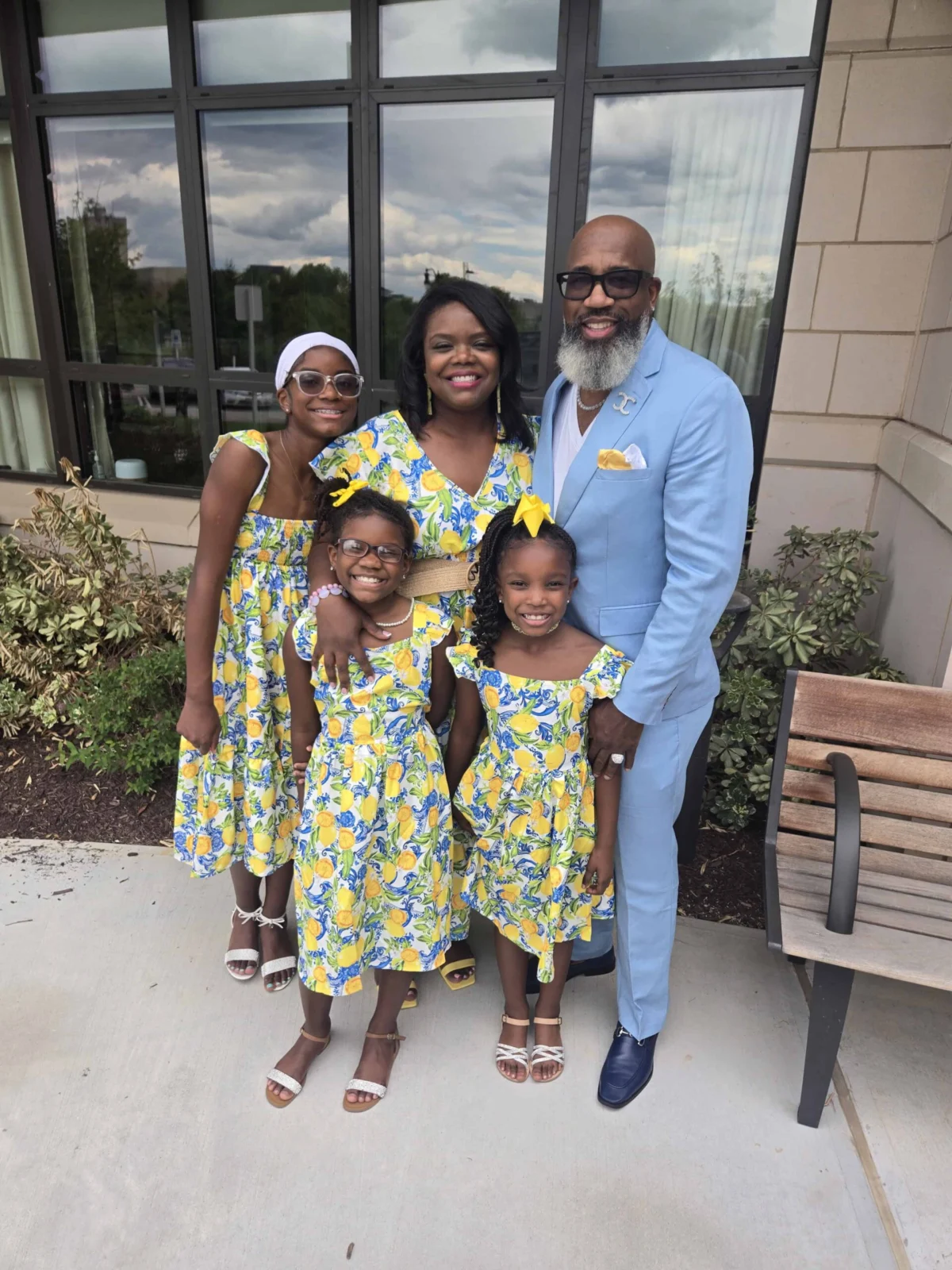
In observance of Breast Cancer Awareness Month, the compelling story of LaToya Bolds-Johnson stands as a profound testament to the indispensable role of clinical trials in shaping the future of cancer treatment. Her personal battle against triple-negative breast cancer (TNBC) has transcended individual experience, evolving into a powerful narrative that underscores the necessity of patient advocacy, the advancements in immunotherapy, and the critical importance of diversity in medical research.
The Personal Becomes Universal: A Physician Assistant’s Unexpected Diagnosis
LaToya Bolds-Johnson, a seasoned physician assistant with extensive clinical experience, was accustomed to being the pillar of care for others. Her professional life revolved around understanding diagnoses, navigating treatment pathways, and offering solace to patients. However, in July 2021, at the age of 36, her perspective dramatically shifted when she received her own diagnosis: Stage 3 triple-negative breast cancer (TNBC). As a mother of three young daughters, this news thrust her into an unfamiliar role, transforming her from a healthcare provider into a patient grappling with the daunting uncertainties of a life-threatening illness. The immediate challenge was not just confronting the disease, but understanding the complex landscape of available treatments and advocating for herself in a system she knew intimately, yet now experienced from an entirely different vantage point. This pivotal moment set her on a journey that would ultimately lead her to a clinical trial, immunotherapy, and a new professional chapter dedicated to clinical research, reinforcing her belief in active patient engagement and informed decision-making.
Understanding the Enemy: The Nuances of Breast Cancer and TNBC
Breast cancer, often discussed as a singular disease, is in reality a heterogeneous group of malignancies with distinct biological characteristics that profoundly influence treatment efficacy and patient outcomes. According to the American Cancer Society, breast cancer remains the most frequently diagnosed cancer among women globally, with an estimated 321,910 new cases of invasive breast cancer projected for women in the United States in 2026 alone. This pervasive health challenge necessitates a nuanced understanding of its various forms.
Breast cancers are primarily classified based on the presence or absence of specific protein receptors on or within their cells. Hormone receptor-positive cancers, for instance, express receptors for estrogen, progesterone, or both, making them responsive to hormone-blocking therapies. HER2-positive cancers, conversely, exhibit elevated levels of the human epidermal growth factor receptor 2 protein, driving cell growth and proliferation, and are often targeted with HER2-specific drugs.
LaToya’s diagnosis, triple-negative breast cancer (TNBC), represents a particularly aggressive and challenging subtype. TNBC cells lack estrogen receptors, progesterone receptors, and high levels of HER2 protein, rendering them unresponsive to many conventional targeted therapies that are effective for other breast cancer types. This absence of specific molecular targets often leads to more rapid tumor growth and a higher propensity for metastasis compared to other breast cancer subtypes. Consequently, treatment options for TNBC have historically been more limited, primarily relying on chemotherapy. However, recent scientific breakthroughs, particularly in the realm of immunotherapy, have begun to offer new hope. The critical role of biomarker and genetic testing cannot be overstated, as these analyses provide invaluable insights into a tumor’s unique profile, guiding patients and their healthcare teams toward the most appropriate and potentially effective treatment strategies, including the consideration of cutting-edge immunotherapies. Today, immunotherapy agents like checkpoint inhibitors are approved for certain TNBC patients, marking a significant advancement. Researchers continue to explore novel immune-based treatments and combinations to broaden their efficacy across the diverse spectrum of breast cancer patients. Much of this progress hinges on the rigorous evaluation conducted within clinical trials.

The Path Less Traveled: LaToya’s Engagement with Immunotherapy and Clinical Trials
Clinical trials are meticulously designed research studies that serve as the bedrock of medical advancement, evaluating the safety and efficacy of new treatments, new combinations of existing therapies, or novel approaches to disease management. For patients, these trials represent a unique opportunity to access pioneering treatments that are not yet widely available through standard care, potentially offering improved outcomes where conventional options may be limited or have been exhausted. For the scientific community, clinical trials are indispensable, providing definitive answers to critical questions: Is a new treatment safe? Does it effectively combat the disease? Which patient populations are most likely to derive benefit? Can two treatments work synergistically to achieve superior results?
It is crucial to dispel the common misconception that clinical trials are merely a "last resort." Depending on an individual’s specific diagnosis, cancer stage, and overall health, participation in a trial can be a viable and highly beneficial consideration at various junctures of their cancer journey—whether immediately following diagnosis, in cases of recurrence, or when standard therapies cease to be effective. LaToya’s journey exemplifies this, as her participation in an immunotherapy clinical trial offered a pathway forward in her battle against TNBC.
The landscape of breast cancer research is dynamic, with numerous immune-based strategies currently under investigation. These include innovative applications and combinations of checkpoint inhibitors, which harness the body’s immune system to recognize and attack cancer cells; therapeutic cancer vaccines designed to prime the immune system against tumor-specific antigens; advanced cell and gene therapies; immune cell engagers that direct immune cells to cancer; and synergistic combinations of immunotherapy with established treatments such as chemotherapy, targeted therapies, radiation, and antibody-drug conjugates. Each trial meticulously follows stringent regulatory guidelines, including oversight by the U.S. Food and Drug Administration (FDA) and Institutional Review Boards (IRBs), ensuring patient safety and ethical conduct throughout all phases of research. These safeguards are paramount, allowing patients to participate with confidence, knowing their well-being is closely monitored.
A Legacy of Hope: Building a "Medical Trust Fund" for Future Generations
LaToya’s decision to participate in a clinical trial was deeply personal, extending beyond her immediate health concerns to encompass a profound sense of responsibility for her three daughters. She articulated her motivation as a desire to "make sure that I was building a medical trust fund for my children." This powerful metaphor illustrates her belief that contributing to medical research is an investment, akin to a financial or educational fund, that yields invaluable returns in the form of scientific knowledge and improved health outcomes for future generations.
Her participation aimed to generate critical data that researchers could analyze, providing insights that might one day benefit her daughters, other family members, and individuals sharing similar biological profiles. This altruistic perspective highlights a fundamental need in clinical research: the imperative for diverse representation. Clinical trials must include participants from a wide spectrum of racial, ethnic, age, and socioeconomic backgrounds to ensure that new treatments are not only effective but also equitable and accessible to everyone. Disparities in cancer outcomes are often linked to a lack of diversity in clinical trials, where treatments might be less optimized for underrepresented populations. For instance, data from the National Cancer Institute indicates that minority groups are often underrepresented in cancer clinical trials, leading to gaps in understanding how new therapies might affect different demographic groups. LaToya’s advocacy directly addresses this gap, emphasizing that treatments must be validated across varied populations to truly "move the needle forward in science." Her commitment to contributing to this collective medical knowledge underscores the idea that every participant helps forge a better future for cancer care.
From Patient to Pioneer: LaToya’s Post-Treatment Advocacy and New Career
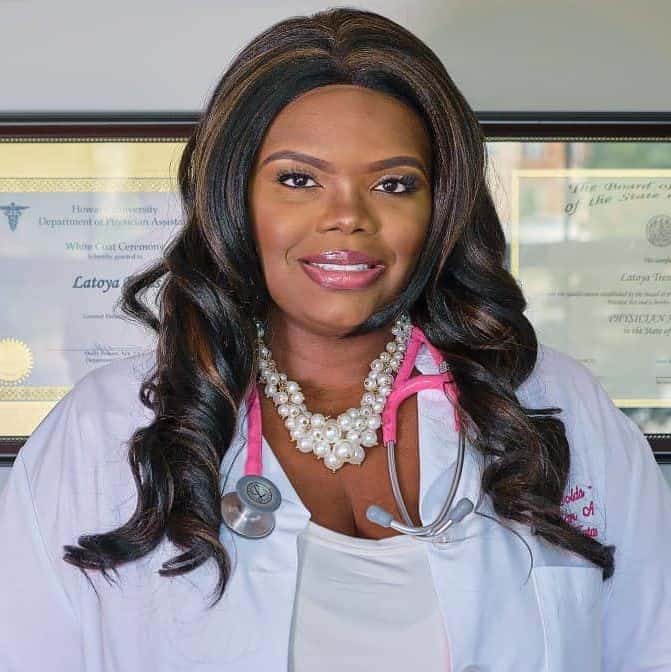
LaToya Bolds-Johnson completed her treatment regimen, including immunotherapy, in April 2023. While this marked a significant milestone, she is quick to emphasize that the cancer journey does not simply conclude with the cessation of active treatment. "The cancer journey never ends," she reflects, acknowledging the enduring physical, mental, and emotional repercussions that persist long after the acute phase. The fear of recurrence, coupled with lingering side effects and the psychological toll of a life-altering diagnosis, underscores the complex and continuous nature of survivorship.
These profound experiences have profoundly shaped her post-treatment trajectory. LaToya has emerged as a vocal advocate in the breast cancer community, dedicating her efforts to crucial areas such as clinical trial equity and championing mental health support for cancer survivors. Her advocacy is informed by her direct experience of the systemic barriers and emotional challenges faced by patients, particularly those from underrepresented communities. Furthermore, she has resumed her doctoral studies, which she had put on hold following her diagnosis, demonstrating her unwavering commitment to personal and professional growth.
In a poignant extension of her personal journey, LaToya has also found a unique way to share her family’s experience through literature. Her children’s book, When Life Gives You Lemons, Make Pink Lemonade, tells the heartwarming story of three sisters who transform their summer lemonade stand into a beacon of hope following their mother’s breast cancer diagnosis, offering a child’s perspective on a challenging family ordeal.
Perhaps the most remarkable turn in her professional life is her transition from a physician assistant and patient to a clinical research sub-investigator. This full-circle evolution sees her once again engaging with patients, but this time from the pivotal vantage point of medical research. Her lived experience as a patient and clinical trial participant now enriches her professional contributions, allowing her to approach her work with unparalleled empathy, insight, and a deep understanding of the patient perspective. This unique dual role makes her an invaluable asset in the ongoing quest to improve cancer care, bridging the gap between clinical practice, patient experience, and scientific discovery.
Empowering Patients: The Power of Information and Self-Advocacy
While clinical trials and immunotherapy represent monumental advancements in cancer treatment, it is essential to recognize that they may not be the optimal choice for every individual diagnosed with breast cancer. However, every patient unequivocally deserves the opportunity to be fully informed about all available options, enabling them to make empowered decisions in collaboration with their healthcare team.
This critical process of informed decision-making often begins with a candid and comprehensive conversation with one’s medical professionals. Patients are encouraged to actively engage, ask probing questions, and advocate for their own best interests. Key questions to consider asking your healthcare team include:
- "What type of breast cancer do I have, specifically focusing on its biological markers (e.g., hormone receptors, HER2 status, genetic mutations)?"
- "What are all of my treatment options, including standard therapies, newer approved treatments, and any available clinical trials relevant to my specific diagnosis?"
- "What are the potential benefits and risks associated with each treatment option, including potential side effects and their management?"
- "Could immunotherapy be an option for me, and if so, what are the criteria for eligibility and what are the expected outcomes?"
- "Are there any clinical trials that I might qualify for, and how can I learn more about them?"
- "What resources are available to help me understand my diagnosis and treatment options, and how can I connect with patient support groups or advocacy organizations?"
- "What is the expected timeline for my treatment, and what kind of support will be available for managing the physical and emotional aspects of my care?"
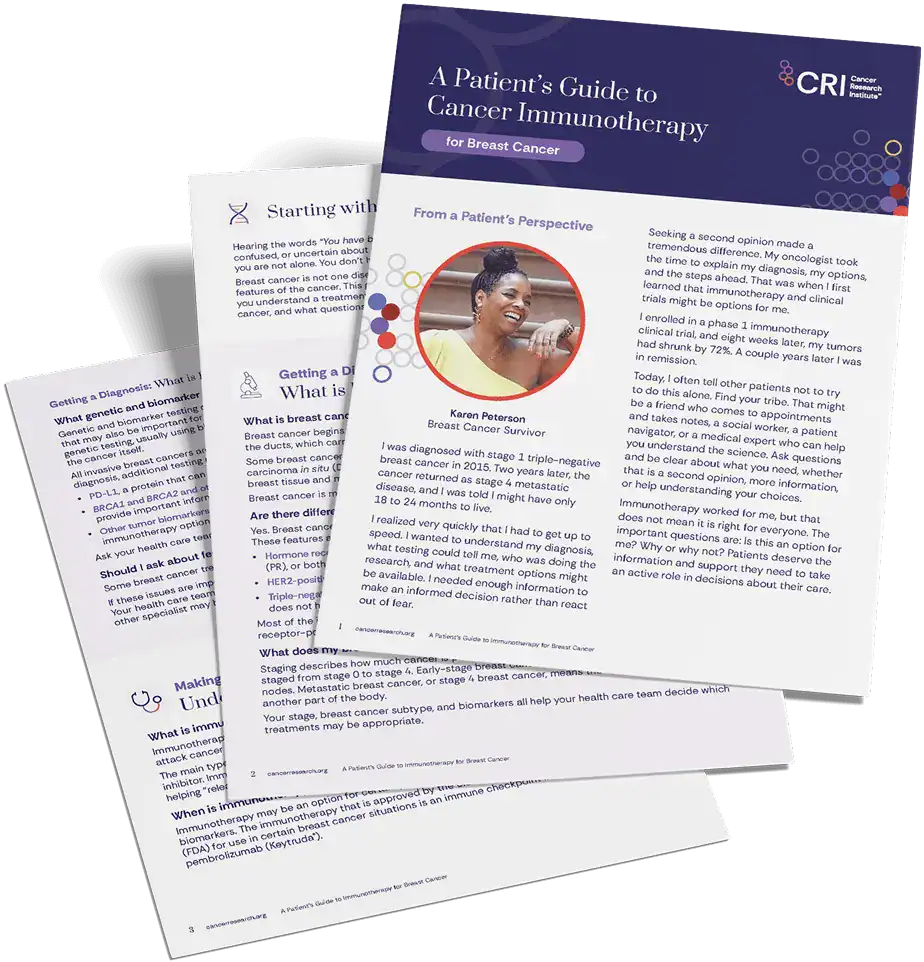
For LaToya, proactive questioning and unwavering self-advocacy became central to navigating her cancer journey. Her hope is that the accumulated knowledge generated through ongoing clinical research will not only expand treatment possibilities but also profoundly enhance these crucial patient-physician conversations, ultimately leading to better outcomes for generations to come. Organizations like the Cancer Research Institute (CRI) offer invaluable tools such as their Clinical Trial Finder and Clinical Trial Navigators, designed to assist patients and caregivers in identifying suitable immunotherapy clinical trials and connecting them with expert guidance.
The Broader Landscape: Implications for Future Cancer Care and Public Health
LaToya Bolds-Johnson’s journey is a powerful microcosm of the larger, ongoing battle against breast cancer and the critical role that clinical research plays in this fight. The continuous evolution of cancer treatment, particularly in areas like immunotherapy, is directly attributable to the dedication of researchers and the courageous participation of patients in clinical trials. These studies are the engine of medical progress, transforming scientific hypotheses into life-saving therapies.
The implications of robust clinical trial participation extend far beyond individual patient outcomes. They contribute to a collective understanding of cancer biology, enabling the development of more precise, personalized, and effective treatments. Each trial, whether successful or not, yields valuable data that refines our knowledge, informs future research directions, and ultimately elevates the standard of care for millions. The global incidence of breast cancer, coupled with the varied biological profiles of the disease, necessitates a diverse and expansive research effort. Continued investment in basic science, translational research, and clinical trials is paramount to unraveling the complexities of cancer, improving survival rates, and enhancing the quality of life for survivors.
Breast Cancer Awareness Month serves as an annual reminder of this critical mission, urging greater public awareness, encouraging early detection, and advocating for sustained support for research. LaToya’s story, with its blend of personal resilience, scientific engagement, and unwavering advocacy, illuminates the profound human impact of these efforts. Her transformation from patient to clinical research sub-investigator symbolizes the powerful synergy between individual experience and collective scientific endeavor, promising a future where innovative treatments are not only discovered but also made accessible and effective for every person touched by cancer. The commitment to clinical trials, fueled by patient participation and scientific rigor, remains our most potent weapon in the ongoing quest to conquer breast cancer.
Clinical Trial FAQs: Addressing Common Concerns
For those considering participation, understanding the practical aspects of clinical trials is essential. Here are answers to frequently asked questions:
- Are clinical trials safe? All clinical trials are rigorously overseen by regulatory bodies like the FDA and Institutional Review Boards (IRBs) to protect participants. Patient safety is monitored at every stage, and individuals retain the right to withdraw at any time.
- Will I know what treatment I’m getting? What if I get the placebo? In some trials, treatments are blinded to prevent bias. However, placebos are rarely used alone in cancer treatment trials. Participants typically receive either the experimental treatment or the current standard of care.
- Can I join more than one trial? Generally, patients can only participate in one clinical trial concurrently. However, eligibility for a new trial may arise after the conclusion of a previous one. Resources like CRI’s Clinical Trial Navigators can help determine suitable options.
- Will joining a clinical trial delay or change my treatment? Joining a trial usually does not delay treatment; in many cases, patients may access treatment sooner. Many trials are designed for rapid screening and enrollment.
- How much extra time will a clinical trial take? Some trials may require more frequent visits and tests than standard care. It is crucial to discuss the expected time commitment with the clinical trial team before enrolling.
- Where do trials take place, and can I keep my doctor? Trials are conducted at major cancer centers, community hospitals, and local clinics. Your primary doctor usually remains an integral part of your healthcare team throughout the process.
- What about side effects? Before participation, potential risks and side effects are thoroughly explained. Once enrolled, the trial team closely monitors and manages any side effects.
- Are there clinical trials for children, teens, or young adults with cancer? Yes, specific trials are designed for pediatric and young adult patients. CRI’s Clinical Trial Navigators can assist in identifying these.
- What happens to my data and samples after the trial? Some trials request permission to store data and samples for future research. Consent for this is optional and entirely at the participant’s discretion.
- Are clinical trials for people like me? Absolutely. Clinical trials thrive on diverse participation—across ages, races, ethnicities, and communities—to ensure treatments are effective and equitable for everyone.
- Does CRI run clinical trials? CRI does not directly run trials but supports early-phase immunotherapy clinical trials through its Clinical Innovator Award, funding pioneering research in various cancers.
- How can I stay updated on the latest immunotherapy research and treatments? Engage with reputable cancer organizations, consult with your healthcare team, and utilize resources like CRI’s Clinical Trial Finder to stay informed.
CRI’s Clinical Trial Finder is a vital tool, connecting patients and caregivers with immunotherapy clinical trials and essential navigation resources, embodying the spirit of informed empowerment that LaToya Bolds-Johnson so passionately advocates.
