
 By George Ongkojoyo
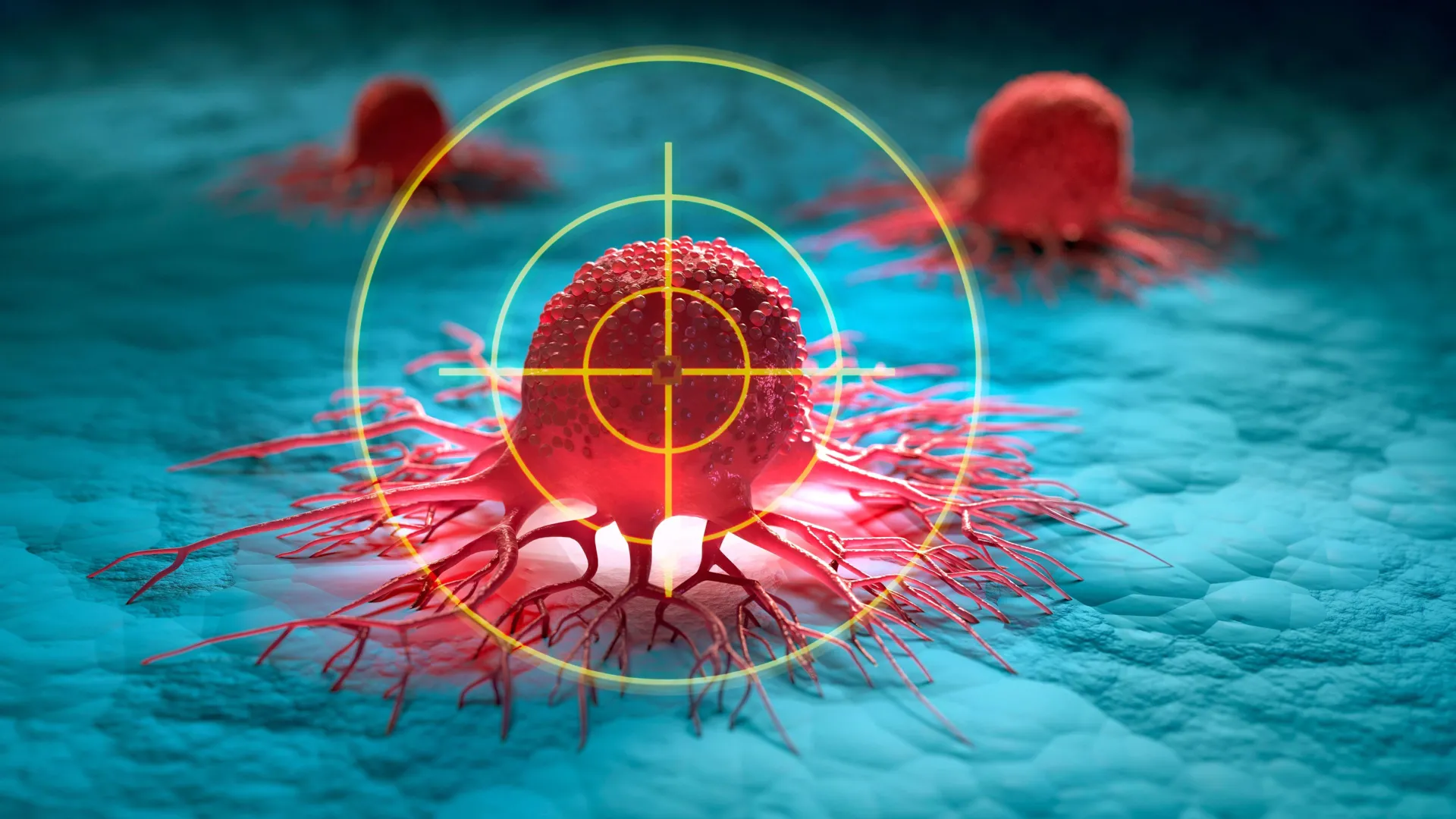
Researchers at the Icahn School of Medicine at Mount Sinai have unveiled a transformative approach to treating metastatic cancer, shifting the focus of immunotherapy from the cancer cells themselves to the protective environment that sustains them. This experimental strategy, detailed in a study published on January 22 in the journal Cancer Cell, utilizes reengineered CAR T cells to target tumor-associated macrophages—immune cells that typically shield tumors from the body’s natural defenses. By neutralizing these "guardians" and simultaneously releasing potent immune-stimulating molecules, the therapy effectively dismantled the defensive "fortress" of aggressive lung and ovarian cancers in preclinical models, leading to significant increases in survival and, in many cases, total remission.
The development represents a pivotal shift in the field of oncology. While traditional immunotherapies, such as checkpoint inhibitors and standard Chimeric Antigen Receptor (CAR) T cell therapies, have seen remarkable success in treating blood cancers, they have largely struggled against solid tumors. The primary obstacle has been the tumor microenvironment (TME), a complex ecosystem of cells and signaling molecules that suppresses immune activity. The Mount Sinai team’s findings suggest that by reprogramming this environment, it is possible to make even the most resistant solid tumors vulnerable to immune attack.
The Challenge of the Solid Tumor Microenvironment
To understand the significance of the Mount Sinai study, one must first look at the current state of cancer treatment. Metastatic disease—cancer that has spread from its primary site to distant organs—is responsible for approximately 90% of all cancer-related deaths. In the United States alone, lung cancer remains the leading cause of cancer mortality, while ovarian cancer is the deadliest of all gynecologic cancers, often diagnosed only after it has reached an advanced, metastatic stage.
Current immunotherapies often fail in these cases because solid tumors are not merely clusters of malignant cells; they are sophisticated structures. "What we call a tumor is really cancer cells surrounded by cells that feed and protect them. It’s a walled fortress," explained lead study author Jaime Mateus-Tique, PhD, a faculty member in Immunology and Immunotherapy at the Icahn School of Medicine. In these "fortresses," the immune system is actively suppressed. Even if T cells are engineered to recognize a specific cancer marker, they often cannot penetrate the dense, immunosuppressive barrier surrounding the tumor.
The "Trojan Horse" Strategy: Targeting the Guards
The Mount Sinai team’s innovation lies in what they call a "Trojan horse" approach. Instead of trying to find a way to bypass the tumor’s defenses, they decided to target the defense system itself. The primary targets are tumor-associated macrophages (TAMs).
In a healthy body, macrophages are vital components of the innate immune system, acting as scavengers that detect and destroy pathogens while aiding in tissue repair. However, cancer cells are capable of "hijacking" these cells. Once inside a tumor, macrophages are often reprogrammed into an "M2-like" state, where they stop fighting the cancer and instead begin to promote its growth, facilitate the formation of new blood vessels (angiogenesis), and—most critically—secrete signals that prevent other immune cells, such as killer T cells, from attacking the tumor.
The researchers engineered CAR T cells specifically to recognize a marker on these tumor-associated macrophages. This allows the CAR T cells to selectively seek out and eliminate the "guards" of the tumor fortress. By removing these cells, the researchers effectively stripped the tumor of its primary shield.
Engineering the "Armored" CAR T Cell
The therapy involves more than just the elimination of macrophages. To ensure the immune system could finish the job, the team "armored" their CAR T cells with the ability to produce and release Interleukin-12 (IL-12).
IL-12 is a powerful cytokine, a type of signaling protein that plays a crucial role in coordinating the immune response. It is known for its ability to activate and recruit cytotoxic T cells and natural killer (NK) cells, turning a "cold" tumor (one that is ignored by the immune system) into a "hot" tumor (one that is actively being attacked). While IL-12 is highly effective, it is also notoriously toxic when administered systemically to patients, as it can cause widespread inflammation and organ damage.
By engineering the CAR T cells to release IL-12 directly within the tumor microenvironment upon the recognition of a macrophage, the Mount Sinai team created a localized "immune bomb." This targeted delivery maximizes the therapeutic effect on the tumor while minimizing the potential for dangerous side effects in the rest of the body.
Preclinical Success and Data Analysis
The research team tested this "armored" CAR T cell therapy in mouse models designed to mimic the most aggressive forms of human metastatic lung and ovarian cancer. These models are traditionally resistant to existing forms of immunotherapy, making them a rigorous "stress test" for the new treatment.
The results were statistically significant and visually dramatic:
- Survival Rates: Mice treated with the macrophage-targeted CAR T cells survived months longer than those in control groups receiving standard treatments.
- Complete Remission: A substantial percentage of the treated mice showed a complete eradication of their metastatic tumors, a result rarely seen in these specific preclinical models.
- Spatial Genomics Analysis: Using advanced spatial genomics—a technology that allows researchers to map where specific genes are being expressed within a tissue sample—the team observed a total transformation of the tumor site. The analysis showed a sharp decrease in immunosuppressive signals and a massive influx of endogenous (the body’s own) killer T cells.
One of the most promising aspects of the data is that the therapy appeared to be "antigen-independent." In traditional CAR T therapy, the treatment only works if the cancer cells express a specific target (antigen). If the cancer cells mutate and stop expressing that antigen, the treatment fails. Because the Mount Sinai therapy targets the macrophages—which are present in almost all solid tumors regardless of the cancer’s specific mutations—it could theoretically be used against a wide variety of cancer types.
Broader Implications for Oncology and Biotechnology
The success of this study offers a new blueprint for the next generation of cell therapies. For years, the biotech industry has struggled to identify reliable antigens for solid tumors. By shifting the target to the tumor microenvironment, Mount Sinai researchers have bypassed this hurdle.
"Macrophages are found in every type of tumor, sometimes outnumbering the cancer cells," said senior author Brian Brown, PhD, Director of the Icahn Genomics Institute. "What’s so exciting is that our treatment converts these cells from protecting the cancer to killing it. We’ve turned foe into ally."
The implications for the pharmaceutical industry are vast. If clinical trials prove successful, this approach could lead to a "universal" CAR T framework. Instead of developing a new CAR T product for every specific type of lung, breast, or colon cancer, a single product targeting tumor macrophages could potentially be applied across multiple indications.
Chronology and Path to Clinical Trials
The journey of this research from concept to the recent publication in Cancer Cell spanned several years of iterative testing and engineering.
- Discovery Phase: Identification of specific markers on tumor-associated macrophages that were absent or low on healthy tissue macrophages.
- Engineering Phase: Development of the CAR T construct and the integration of the IL-12 "payload" mechanism.
- Validation Phase: Extensive testing in in vitro (lab dish) environments to ensure the CAR T cells only activated when encountering the target macrophages.
- Preclinical Testing: Implementation of the mouse models for lung and ovarian cancer, leading to the data published in January 2024.
- Refinement (Current Stage): The team is currently refining the IL-12 delivery system to further enhance safety and exploring the use of "off-the-shelf" (allogeneic) T cells to make the therapy more accessible and affordable.
The next critical step is moving into Phase I human clinical trials. This transition requires rigorous safety testing and regulatory approval from the U.S. Food and Drug Administration (FDA). The researchers are currently focusing on "fine-tuning" the IL-12 release to ensure that it remains strictly localized within the tumor in humans, as the human immune system can be more sensitive to cytokine release than that of mice.
Expert Reactions and Safety Considerations
While the oncology community has reacted with optimism, experts also urge caution. The primary concern with any IL-12-based therapy is the risk of a "cytokine storm" or cytokine release syndrome (CRS), where the immune system becomes overactive and attacks the patient’s own organs.
"This establishes a new way to treat cancer," noted Dr. Brown. "By targeting tumor macrophages, we’ve shown that it can be possible to eliminate cancers that are refractory to other immunotherapies." However, he and his colleagues emphasize that while the mouse models were cured without significant toxicity, human biology is more complex.
Outside observers have noted that the use of spatial genomics in this study provides a level of mechanistic proof that is often lacking in early-stage research. By showing exactly how the "fortress" walls come down, the Mount Sinai team has provided a clear roadmap for how this therapy works, which will be essential for gaining regulatory approval.
Conclusion: A New Frontier in Cancer Treatment
The research conducted at the Icahn School of Medicine at Mount Sinai represents a significant milestone in the evolution of immunotherapy. By moving beyond the "one-target, one-cancer" model and instead addressing the systemic defenses of the tumor microenvironment, this approach offers hope for patients with metastatic solid tumors who currently have few options.
As the team moves toward human trials, the medical community will be watching closely to see if the "Trojan horse" that worked so effectively in the lab can deliver the same life-saving results for patients in the clinic. If successful, the strategy of "reprogramming the guards" could become a cornerstone of 21st-century cancer care, turning some of the most lethal diseases into manageable or even curable conditions.
