
 By Suherman Candra Maholtra
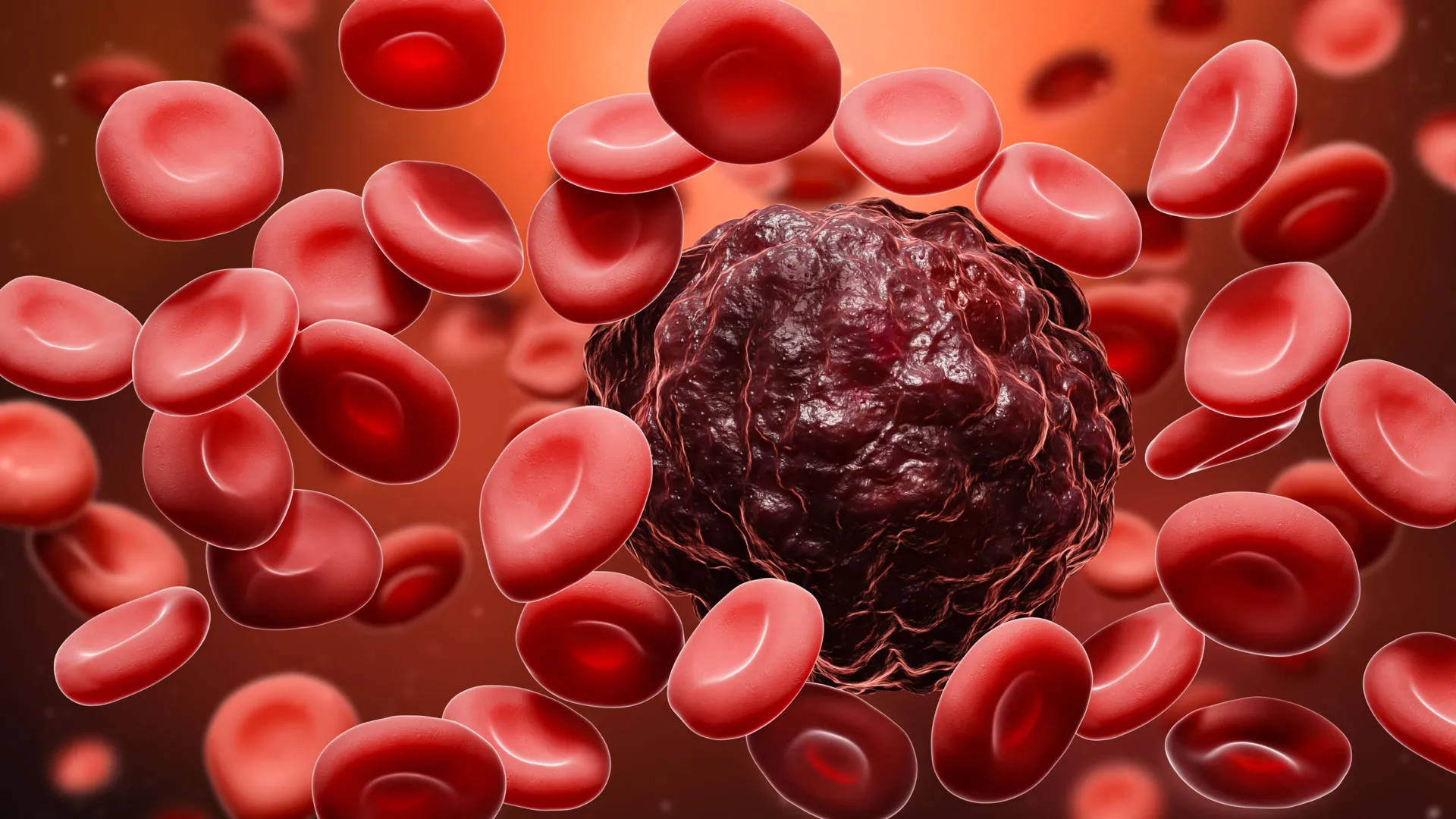
A landmark clinical trial led by researchers at Washington University School of Medicine in St. Louis has demonstrated that genetically modifying donor stem cells prior to transplantation can create a "shield" that protects healthy blood systems from intensive cancer treatments. This innovative approach, which involves using CRISPR technology to remove a specific protein from donor cells, allows clinicians to deploy potent immunotherapies against aggressive blood cancers while sparing the patient’s new, healthy immune system. The results of the multi-center study, published in Nature Medicine, represent a potential paradigm shift in the treatment of acute myeloid leukemia (AML) and myelodysplastic syndrome (MDS), conditions that frequently relapse after conventional stem cell transplants.
The Scientific Challenge: The Paradox of Shared Antigens
For patients diagnosed with high-risk AML or MDS, a hematopoietic stem cell transplant (HSCT) is often the final and only hope for a cure. During this procedure, a patient’s diseased bone marrow is destroyed and replaced with healthy donor cells. However, the success of these transplants is frequently undermined by cancer recurrence. When the cancer returns, oncologists face a significant therapeutic hurdle: the most effective targeted therapies often cannot distinguish between malignant cells and the healthy donor cells that are keeping the patient alive.
The primary obstacle lies in the expression of specific proteins, or antigens, on the surface of blood cells. In the case of AML and MDS, the protein CD33 is a common target because it is expressed on the surface of the vast majority of leukemia cells. However, CD33 is also present on healthy myeloid cells, including the vital stem cells used in transplantation.
If a patient receives a standard transplant and then undergoes treatment with a CD33-targeted therapy—such as Chimeric Antigen Receptor T-cell (CAR-T) therapy or antibody-drug conjugates—the treatment will attack both the cancer and the healthy donor-derived blood system. This "off-tumor" toxicity can lead to a total collapse of the patient’s blood production, resulting in life-threatening infections, severe anemia, and uncontrollable bleeding. Consequently, many of the most promising immunotherapies have been deemed too dangerous for post-transplant use.
The Innovation: Engineering "Invisible" Stem Cells
To resolve this conflict, a team of researchers led by John F. DiPersio, MD, PhD, the Virginia E. & Sam J. Golman Professor of Medicine at WashU Medicine, utilized CRISPR-Cas9 gene editing to create a donor stem cell product that lacks the CD33 protein. This product, known as tremtelectogene empogeditemcel (trem-cel), was developed by Vor Biopharma.
By deleting the CD33 gene from donor stem cells before they are infused into the patient, the researchers essentially made the new blood system "invisible" to CD33-targeted therapies. Because CD33 is not essential for the normal function of blood cells—a fact supported by the health of individuals born with natural CD33 deficiencies—the edited cells can still perform their vital roles of oxygen transport, clotting, and immune defense.
"The gene editing approach could help overcome a major obstacle that has limited CAR-T cell therapy in certain blood cancers," explained Dr. DiPersio. "We are encouraged by the results showing that a CD33-deleted stem cell transplant looks very similar to the outcomes of standard transplantation, but with the added benefit of allowing for targeted follow-up."
Chronology of Development and Trial Design
The concept for this strategy was pioneered by Miriam Y. Kim, MD, an assistant professor of medicine at WashU Medicine. Dr. Kim initiated this line of research during her postdoctoral fellowship at the University of Pennsylvania before refining the technique within the DiPersio lab.
The subsequent Phase 1/2 clinical trial was a rigorous multicenter effort involving 15 sites across the United States and Canada. The trial enrolled 30 adult patients, all of whom suffered from AML or MDS and were at high risk of relapse. The primary objectives were to assess the safety of trem-cel, the success of engraftment (the process of the new cells taking hold in the bone marrow), and the ability of the edited cells to survive subsequent exposure to a CD33-targeted agent.
The timeline of the trial followed a structured protocol:
- Donor Selection: Matching donors were identified for the 30 high-risk patients.
- Gene Editing: Donor stem cells were harvested and edited using CRISPR to knock out the CD33 gene.
- Transplantation: Patients underwent standard conditioning (chemotherapy/radiation) followed by the infusion of trem-cel.
- Engraftment Monitoring: Researchers tracked the time required for white blood cells and platelets to reach safe levels.
- Targeted Maintenance: To test the "shielding" effect, patients were given gemtuzumab ozogamicin, an FDA-approved antibody-drug conjugate that targets CD33.
Data Analysis: Engraftment and Survival Metrics
The trial data provided strong evidence that the genetically modified cells functioned as effectively as standard donor cells. All 30 patients achieved successful engraftment by day 28. On average, neutrophil recovery occurred within a timeframe consistent with traditional transplants, and platelet production returned by an average of 16 days.
The most significant finding emerged during the maintenance phase of the trial. Nineteen patients received at least one cycle of gemtuzumab ozogamicin after their transplant. In a conventional transplant setting, this drug typically causes severe "hematologic toxicity," meaning blood counts drop to dangerous levels. However, the patients in this trial maintained their blood cell counts despite the presence of the drug. This confirmed that the CD33-deleted donor cells were indeed protected from the therapy, while the drug remained free to seek out and destroy any remaining CD33-positive cancer cells.
Key statistical outcomes included:
- Engraftment Rate: 100% by day 28.
- Average Survival: Just over 14 months for the high-risk cohort.
- Safety Profile: Side effects were comparable to standard HSCT, including fever, anemia, and graft-versus-host disease (GVHD).
While seven patients passed away during the study—four from cancer progression and three from transplant-related complications like sepsis and organ failure—these figures are within the expected range for patients with such advanced and aggressive malignancies undergoing stem cell transplantation.
Proof of Concept: The CAR-T Case Study
While the primary trial used gemtuzumab ozogamicin, a separate but related study published in JCO Precision Oncology in October 2025 highlighted the potential for using CAR-T cells in conjunction with edited transplants. Dr. DiPersio and his colleagues detailed the case of a patient with ultra-high-risk AML who received a trem-cel transplant.
When the patient’s cancer returned following the transplant, the medical team administered CD33-targeted CAR-T cells. These CAR-T cells were engineered from the same donor’s T-cells to attack CD33. Because the patient’s new blood system (from the trem-cel transplant) lacked CD33, the CAR-T cells ignored the healthy blood cells and focused entirely on the malignant cells.
The results were remarkable: the patient entered complete remission and remained cancer-free for more than a year. Furthermore, the patient’s blood counts remained stable, and testing confirmed that 100% of the circulating blood cells were the CD33-deleted donor cells. This case provided the first clinical proof of concept that combining gene-edited transplants with CAR-T therapy can eradicate relapsed AML without destroying the patient’s hematopoietic system.
Broader Implications and Future Outlook
The success of this trial opens the door to a new era of "shielded" immunotherapy. Historically, the field of oncology has struggled with the "on-target, off-tumor" problem—the reality that most cancer markers are also found on some healthy tissues. By using gene editing to remove these markers from healthy cells, scientists can effectively redefine the boundaries of targeted therapy.
The implications extend beyond CD33. Researchers are already looking into other proteins, such as CD123 or CLL-1, which are also expressed in myeloid leukemias. If multiple genes can be deleted from donor stem cells without compromising their function, doctors could potentially use a "cocktail" of different CAR-T therapies to attack cancer from multiple angles simultaneously, making it much harder for the disease to develop resistance.
Furthermore, this study validates the safety of CRISPR-edited stem cells in a transplant setting. As gene-editing technologies become more refined and accessible, the process of customizing donor cells could become a standard component of transplant medicine.
"We are hopeful we will be able to improve treatment options for patients with these very aggressive blood cancers," Dr. DiPersio concluded. "The goal is to allow doctors to attack cancer cells more aggressively without simultaneously destroying the healthy donor cells needed to rebuild the patient’s blood system."
The study was supported by Vor Biopharma, the biotechnology company responsible for developing the trem-cel platform. As the medical community moves toward Phase 3 trials, the focus will remain on long-term survival rates and the integration of even more sophisticated immunotherapies. For now, the "shielding" strategy stands as a significant milestone in the fight against some of the most difficult-to-treat cancers in modern medicine.
