
 By Budi Oetomo Narendra
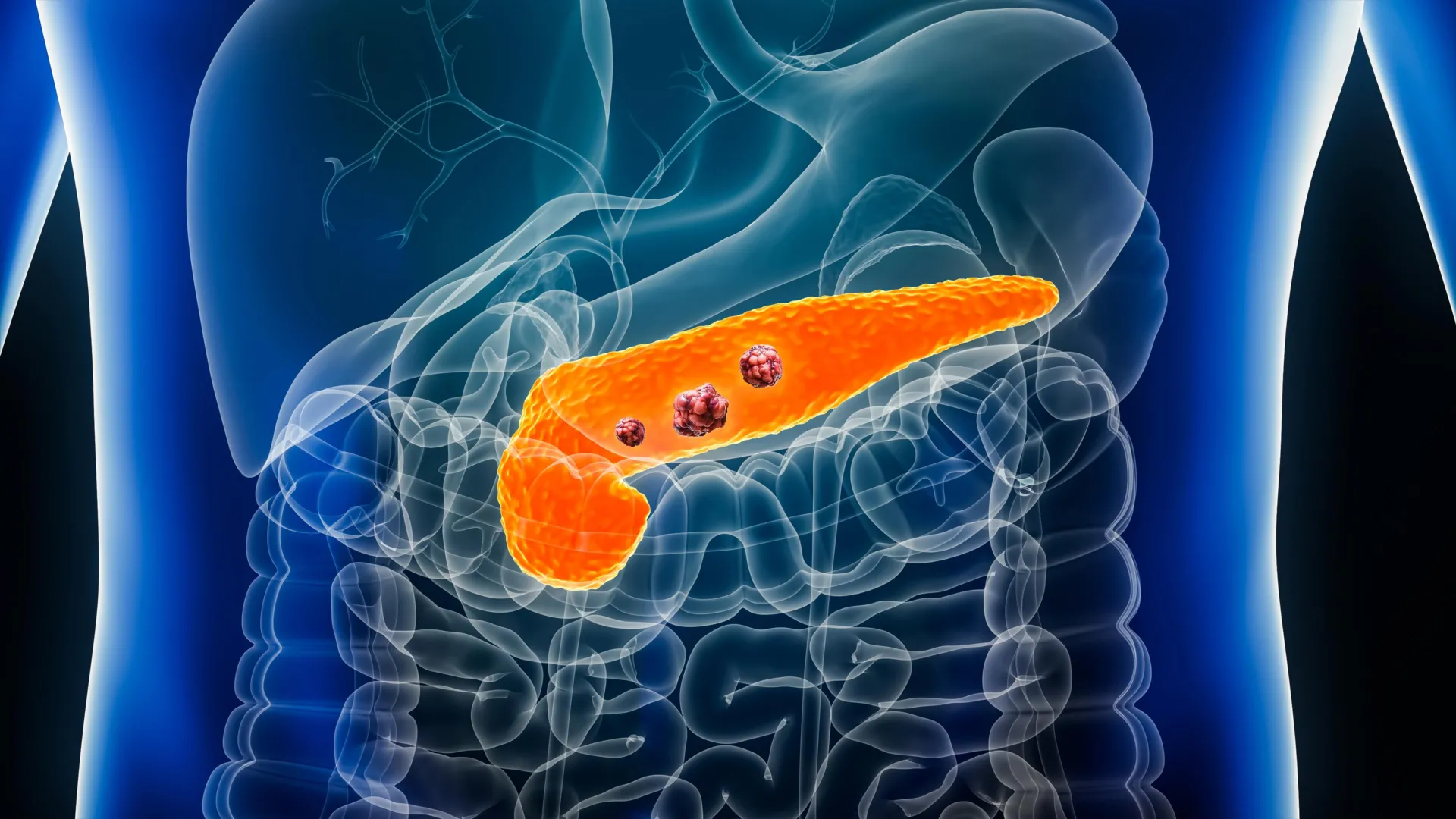
A groundbreaking artificial intelligence (AI) model, dubbed REDMOD, has demonstrated an unprecedented ability to identify extremely subtle changes in pancreatic tissue that may signal cancer long before the disease becomes visible to doctors or conventional imaging technology. Published online in the esteemed journal Gut, this innovative system offers a beacon of hope for early detection of pancreatic ductal adenocarcinoma (PDAC), the most common and aggressive form of pancreatic cancer. This development marks a significant stride towards transforming the diagnostic landscape for a disease notoriously difficult to detect in its early, treatable stages.
Pancreatic cancer remains one of the most lethal malignancies globally, primarily due to its insidious nature and late-stage diagnosis. The vast majority of patients are diagnosed when the cancer has already progressed to advanced, often metastatic stages, rendering curative treatment impossible. This AI-powered breakthrough could revolutionize patient outcomes by enabling detection at a much earlier stage – potentially even Stage 0 – when interventions are far more likely to succeed. Instead of facing a terminal diagnosis, patients might gain a critical window for effective treatment, shifting the paradigm from palliative care to curative intent.
While REDMOD remarkably outperformed experienced radiologists in the initial study, researchers caution that further investigation is essential before its integration into routine medical care. The scientific community particularly emphasizes the need for extensive prospective testing, especially among high-risk patient populations. This includes individuals experiencing unexplained weight loss, those with new-onset diabetes, or individuals with a strong family history of pancreatic cancer, where the clinical utility of such an early detection tool would be most impactful.
The Silent Killer: Why Pancreatic Cancer is So Difficult to Detect Early
Pancreatic ductal adenocarcinoma accounts for approximately 90% of all pancreatic cancers. Its dismal five-year survival rate, often hovering in the single digits for advanced cases, starkly contrasts with many other cancers where early detection has significantly improved prognoses. The core challenge lies in the pancreas’s anatomical location, deep within the abdomen, and the disease’s silent progression. Early pancreatic cancer typically produces few, if any, noticeable symptoms, and those that do emerge are often non-specific, such as vague abdominal discomfort, back pain, unexplained weight loss, or new-onset diabetes. These symptoms are easily attributable to other, less severe conditions, leading to delays in seeking medical attention.
Furthermore, the microscopic changes induced by nascent pancreatic cancer in the tissue are often too subtle to be discerned by the human eye, even on high-resolution conventional medical imaging technologies like computed tomography (CT) scans, magnetic resonance imaging (MRI), or endoscopic ultrasound (EUS). By the time these changes become evident on standard scans, the tumor has frequently grown to a size where it has already invaded surrounding tissues or metastasized to distant organs. The aggressive biological nature of PDAC, characterized by rapid growth and early metastatic potential, further compounds the urgency of timely diagnosis. Addressing these formidable challenges has been a central focus of oncological research for decades.
REDMOD: Leveraging Radiomics for Unseen Insights
To overcome these inherent diagnostic hurdles, a multidisciplinary team of researchers developed REDMOD, an artificial intelligence framework based on the principle of radiomics. Radiomics is an emerging field that extracts a multitude of quantitative features from medical images using advanced algorithms. These features, often imperceptible to the human eye, capture intricate patterns in the texture, shape, and intensity of tissues. By analyzing these "radiomic signatures," AI systems can potentially identify disease biomarkers that are otherwise hidden within the visual data.
REDMOD’s sophistication lies in its ability to analyze these extremely fine radiomic patterns in the texture of pancreatic tissue from conventional CT scans. Unlike traditional radiological assessments that rely on macroscopic visual cues, REDMOD delves into the micro-architectural characteristics of the tissue, identifying subtle deviations that herald the presence of pre-cancerous or very early-stage cancerous changes.
A critical innovation within the REDMOD system is its fully automated nature. It automatically identifies and precisely outlines the pancreas, meticulously separating it from adjacent organs and tissues. This automated segmentation process eliminates the need for specialists to manually trace the organ’s boundaries, a task that is not only time-consuming but also prone to inter-observer variability. Manual tracing can introduce inconsistencies in analysis, as different individuals might interpret boundaries slightly differently. By standardizing this crucial initial step, REDMOD enhances the reliability and reproducibility of its diagnostic assessments, ensuring consistent and objective analysis across all scans.
Unveiling Hidden Cancer Signals Years Before Clinical Diagnosis
The robust evaluation of REDMOD involved a retrospective analysis of abdominal CT scans from a substantial cohort of 219 patients. These patients, treated at multiple hospitals, had all been subsequently diagnosed with pancreatic cancer. Crucially, at the time their initial scans were performed, experienced radiologists had found no evidence of the disease, underscoring the "invisible" nature of these early cancer signals.
The power of REDMOD was demonstrated by its ability to retrospectively detect these subtle imaging signatures associated with pancreatic cancer an average of 475 days (approximately 1 year and 3 months) before patients received their clinical diagnoses. This remarkable lead time is particularly significant given the rapid progression of pancreatic cancer. The scans had been taken at varying intervals prior to diagnosis, highlighting the system’s long-term predictive capability:
- For 87 patients (40%), images were obtained 3 to 12 months before diagnosis.
- Another 76 patients (35%) had been scanned 12 to 24 months before diagnosis.
- A notable 56 patients (25%) had undergone imaging more than 24 months earlier, with some scans taken up to approximately three years prior to clinical diagnosis.
In nearly two-thirds (64%) of these patients, the cancer eventually developed in the head of the pancreas, a common site for PDAC.
To validate its findings, the researchers meticulously compared these images with CT scans from a control group of 1243 individuals who remained free of pancreatic cancer for up to three years following their scans. This comparison group was carefully matched according to age, sex, and the dates of their scans, ensuring a statistically robust analysis. The average age of patients who eventually developed pancreatic cancer was 69, ranging from 34 to 88 years old. The comparison group had an average age of 64, with the same age range. This rigorous methodology strengthened the confidence in REDMOD’s ability to differentiate between healthy tissue and tissue harboring early cancer signals. These early warning signs had previously eluded detection during routine radiological assessments, emphasizing the AI’s superior pattern recognition capabilities.
A "Temporal Window" of Profound Significance
The researchers underscored the profound significance of this "temporal window" for early detection. "This temporal window holds profound significance, as attaining such early detection would substantially augment the probability of cure and improved survival," they highlighted in their publication. This statement directly addresses the core challenge of pancreatic cancer: its typically late diagnosis.
Currently, only about 10-20% of pancreatic cancers are diagnosed at a localized stage (Stage I or II), meaning the cancer is confined to the pancreas and can potentially be surgically removed. For these patients, the five-year survival rate can reach 40-50%. However, for the majority diagnosed at advanced stages (Stage III or IV, with regional spread or distant metastases), the five-year survival rate plummets to single digits.
The researchers further elaborated on the potential impact: "In fact, modelling studies indicate that increasing the proportion of localized [pancreatic ductal carcinomas] from 10% to 50% would more than double survival rates, thereby underscoring that the timing of diagnosis is the single most critical determinant of survival outcomes." This stark numerical projection vividly illustrates the transformative potential of REDMOD. Shifting the diagnostic timeline by even a few months, let alone years, could translate into thousands of lives saved annually and a fundamental redefinition of the disease’s prognosis. This move from symptomatic diagnosis to "proactive pre-clinical interception" represents a monumental leap in cancer care.
AI Outperforms Human Expertise: A Clear Diagnostic Advantage
One of the most compelling findings of the study was REDMOD’s demonstrably superior performance compared to experienced radiologists in recognizing early cancer signals. The AI achieved a sensitivity of 73%, a measure of how effectively a diagnostic method identifies people who actually have the disease without overlooking genuine cases. In stark contrast, radiologists achieved a sensitivity of 39%. This means REDMOD correctly identified nearly twice as many actual cancer cases as human experts.
The disparity in performance became even more pronounced when the researchers focused on scans taken more than two years before patients received their clinical diagnoses. In these particularly challenging cases, where the cancer signals were at their most nascent and subtle, REDMOD achieved an impressive detection rate of 68%. This was nearly three times the 23% recorded by radiologists, highlighting the AI’s exceptional ability to discern minute, long-term predictive patterns that are beyond human visual perception.
Beyond identifying positive cases, the researchers also assessed REDMOD’s ability to correctly recognize scans from people without pancreatic cancer (specificity). In an independent validation group of 539 patients from several hospitals, REDMOD correctly classified just over 81% of scans as cancer-free. Its performance was even better on the publicly available US National Institutes of Health (NIH-PCT) dataset, comprising 80 patients, where it correctly identified 87.5% as free of pancreatic cancer. High specificity is crucial to minimize false positives, which can lead to unnecessary anxiety, follow-up tests, and invasive procedures for healthy individuals.
Further reinforcing the robustness of its findings, additional testing suggested that the early warning signs detected by REDMOD were remarkably consistent over time. When researchers analyzed scans taken from the same patients several months apart, the system produced matching results in 90% to 92% of cases. This high degree of temporal consistency strengthens the evidence that REDMOD was not merely detecting random noise, but rather identifying stable, meaningful pathological changes unequivocally associated with the early development of pancreatic cancer.
The Road Ahead: Clinical Validation and Broader Implications
Despite these highly promising findings, the researchers prudently caution that several questions remain unanswered and further validation is critical. One significant limitation noted is that the study population did not include a sufficiently diverse range of ethnic backgrounds. This demographic constraint means that the technology’s performance across different populations and genetic predispositions remains to be fully determined, an important consideration for equitable healthcare application.
The most crucial next step is rigorous prospective testing. This involves deploying REDMOD in real-time clinical settings, particularly among people at increased risk of pancreatic cancer, to ascertain its effectiveness in everyday practice. Such studies are essential to confirm the AI’s utility, refine its algorithms, and gather the necessary evidence for regulatory approval from bodies like the U.S. Food and Drug Administration (FDA) or the European Medicines Agency (EMA). The journey from a promising research finding to a widely adopted clinical tool is often long and complex, involving stringent validation, safety assessments, and integration protocols.
Even with these necessary limitations and future steps, the findings from the Gut study suggest that AI could eventually help doctors identify pancreatic cancer while it is still at a much more treatable stage. This potential for earlier intervention offers tangible hope for improving survival rates for countless patients who would otherwise receive a late, often devastating, diagnosis.
Transforming the Landscape of Pancreatic Cancer Care
The implications of REDMOD, if successfully validated and implemented, extend far beyond individual patient outcomes. This technology could fundamentally reshape how pancreatic cancer is managed, from screening and diagnosis to treatment strategies and public health initiatives.
- Screening Programs: The ability to detect Stage 0 cancer opens the door for targeted screening programs. While universal screening for pancreatic cancer has traditionally been deemed impractical and cost-ineffective due to the disease’s relatively low incidence and the limitations of current diagnostic tools, REDMOD could enable effective screening for high-risk groups (e.g., individuals with a strong family history, certain genetic mutations, new-onset diabetes after age 50, or chronic pancreatitis). This could lead to routine CT scans being re-evaluated by AI for early signs, much like mammograms for breast cancer.
- Treatment Paradigms: Early detection would allow for a greater proportion of patients to undergo curative surgical resection, often the only hope for long-term survival. It could also facilitate the use of neoadjuvant therapies (treatment given before surgery) to shrink tumors, making them more resectable. This shift would reduce the reliance on palliative treatments, significantly improving quality of life and extending survival.
- Economic Impact: The societal and economic burden of pancreatic cancer is immense, driven by costly late-stage treatments, reduced productivity, and significant patient and caregiver distress. By enabling earlier, more effective interventions, REDMOD could potentially reduce overall healthcare costs associated with managing advanced disease and contribute to a healthier, more productive population.
- Patient Advocacy: For patient advocacy groups and families affected by pancreatic cancer, this breakthrough represents a profound source of optimism. It validates decades of research and advocacy aimed at finding new ways to combat this formidable disease, offering a renewed sense of hope where often little existed.
The researchers conclude with a powerful statement of REDMOD’s potential: "This study validates REDMOD as a fully automated AI framework capable of identifying the imaging signatures of stage 0 [pancreatic ductal adenocarcinoma] in normal pancreas, achieving this with substantial lead times and performance superior to expert radiologists." They add: "While prospective validation is paramount to confirm clinical utility, the REDMOD framework represents a significant advance towards shifting the paradigm for sporadic [pancreatic ductal adenocarcinoma] from a late-stage symptomatic diagnosis to proactive pre-clinical interception, offering tangible hope for improving outcomes in this challenging disease." This pivotal research represents not just a technological advancement, but a potential turning point in the relentless fight against one of humanity’s most aggressive cancers.
