
 By Gabriel Paijo
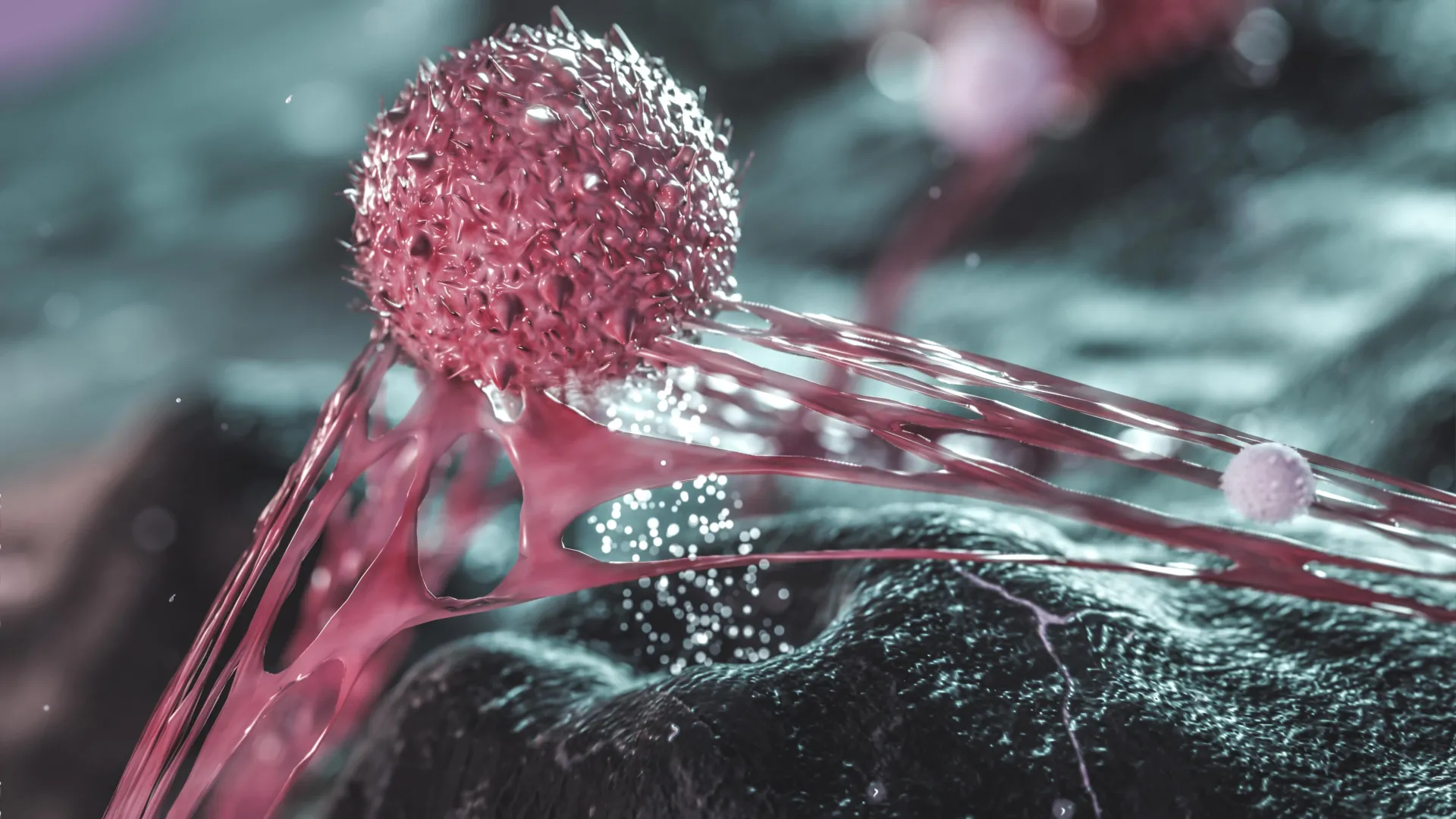
In a discovery that challenges long-standing assumptions about how tumors behave after treatment, researchers at The Wistar Institute have identified a common dietary sugar as a primary driver of cancer spread in patients with aggressive ovarian cancer. The study, published in the journal Nature Aging, reveals that cancer cells which survive chemotherapy enter a state of biological activity where they produce and release fructose. This sugar does not merely serve as a nutrient but functions as a potent signaling molecule, instructing neighboring tumor cells to detach and migrate throughout the abdominal cavity. This mechanism provides a potential explanation for why ovarian cancer frequently recurs with increased ferocity after initially successful rounds of platinum-based treatment.
Ovarian cancer remains one of the most lethal malignancies affecting women, largely because it is often diagnosed at an advanced stage when the disease has already begun to move. Approximately 90% of deaths associated with this cancer are attributed to metastasis—the process by which cancer cells break away from the primary tumor to form secondary growths. The findings from The Wistar Institute suggest that the very treatments designed to eradicate the disease may inadvertently trigger a survival response in a subset of cells, creating a biochemical environment that facilitates further spread.
The Role of Cellular Senescence in Post-Treatment Recurrence
To understand how cancer persists after treatment, the research team, led by Katherine Aird, Ph.D., and first author Aidan Cole, Ph.D., focused on the behavior of cells that survive chemotherapy. Most high-grade serous ovarian cancers are treated with platinum-based drugs, such as cisplatin or carboplatin. These agents work by damaging the DNA of rapidly dividing cells, effectively stopping them from reproducing. However, not all cells die during this process. Some enter a state known as senescence—a form of biological "sleep" where the cells stop dividing but remain metabolically active.
For years, senescent cells were thought to be relatively harmless because they could no longer form large masses. However, recent oncology research has shown that these cells can develop a "secretome," a complex mixture of proteins, lipids, and other molecules that they pump into the surrounding environment. The Wistar study is groundbreaking because it identifies a specific nutrient—fructose—as a critical component of this secretome.
"Some cancer cells that survive chemotherapy aren’t dividing anymore, but they’re still biologically active," explained Dr. Cole. "Instead, they continue to release molecules that send signals to nearby cells. Our study is among the first to show that a nutrient can act as one of those signals." This discovery shifts the focus from the cells themselves to the chemical environment they create, suggesting that even a small population of surviving cells can have an outsized impact on the progression of the disease.
Decoding the Fructose Signaling Mechanism
The researchers utilized a series of sophisticated preclinical models to isolate the effects of the molecules released by surviving cancer cells. In one key experiment, they separated the surviving cells from the fluid they produced and introduced only that fluid into models containing active cancer cells. They observed a significant increase in the ability of those active cells to migrate and invade other tissues.
Through metabolic profiling and CRISPR-Cas9 genetic screening—a technology that allows scientists to "turn off" specific genes to see their effects—the team identified fructose as the culprit. While glucose is the primary energy source for most cells, the study found that senescent ovarian cancer cells shift their internal chemistry to produce fructose. Once released, this fructose interacts with neighboring, non-senescent cancer cells through a specific metabolic pathway.
The biological impact of this fructose exposure is centered on cholesterol. While cholesterol is commonly discussed in the context of cardiovascular health, it is also a fundamental building block of cell membranes. In healthy tissue and stable tumors, cholesterol helps maintain the structural integrity of the "biological glue" that keeps cells adhered to one another. The researchers discovered that when neighboring cancer cells are exposed to fructose, their internal production of cholesterol is suppressed. This leads to a weakening of the cellular bonds, making it significantly easier for individual cancer cells to break free from the primary tumor and drift through the abdominal fluid to other organs like the liver or intestines.
The Statin Paradox: Implications for Common Medications
The discovery that low cholesterol levels in cell membranes facilitate cancer spread led the researchers to investigate another common factor in patient health: the use of statins. Statins are a class of drugs used by approximately 39 million Americans to lower LDL cholesterol and prevent heart disease. Because statins work by inhibiting the same cholesterol-production pathway that fructose suppresses, the research team tested whether these medications might have an unintended effect on ovarian cancer metastasis.
In laboratory models, the team found that statins could indeed mimic the effects of fructose, weakening the connections between cancer cells and potentially encouraging spread. This finding presents a complex clinical challenge. Ovarian cancer is most prevalent in postmenopausal women, a demographic that is also frequently prescribed statins for heart health.
Dr. Katherine Aird emphasized that these results are currently limited to preclinical models and should not cause patients to stop taking their prescribed medications. "We haven’t tested this effect in patients yet, but it raises questions about combining cholesterol-lowering drugs with chemotherapy," Aird stated. The research suggests that the timing of statin use or the specific type of cholesterol management may need to be tailored for patients undergoing treatment for aggressive abdominal cancers.
Dietary Fructose and Public Health Concerns
Beyond the biological mechanics of treated tumors, the study also examined the impact of dietary fructose. In experiments where high levels of fructose—equivalent to the concentrations found in sugar-sweetened beverages—were introduced to the system, the researchers observed similar signals of increased cancer spread, even in the absence of chemotherapy.
This has significant implications for public health, particularly in the United States. High-fructose corn syrup (HFCS) is a ubiquitous sweetener in processed foods, condiments, and soft drinks. Data suggests that HFCS accounts for between 8% and 20% of the daily caloric intake for many Americans. While the link between sugar and obesity-related cancer risks is well-documented, this study suggests a more direct, mechanistic link between fructose consumption and the behavior of existing cancer cells.
Unlike genetic mutations or age, diet is a modifiable risk factor. The researchers believe that nutritional interventions could eventually become a standard part of cancer care. If reducing fructose intake can stabilize cell membranes and prevent the "breakout" of cancer cells, it could provide a low-cost, non-invasive way to supplement traditional chemotherapy and improve long-term survival rates.
Chronology and Future Directions of the Research
The investigation began with a simple observation of clinical recurrence: why do ovarian cancer patients who show a "complete response" to chemotherapy often see the disease return within 18 to 24 months?
- Phase I (Observation): Researchers identified that senescent cells remaining after platinum treatment were not "dead" but were actively secreting substances.
- Phase II (Isolation): Using mass spectrometry, the team analyzed the secretome and identified an unusual abundance of fructose.
- Phase III (Genetic Validation): Using CRISPR screens, they identified the GLUT5 transporter and the HMG-CoA reductase pathway as the primary channels through which fructose influenced cell adhesion.
- Phase IV (Dietary and Drug Testing): The team expanded the study to include the effects of external fructose consumption and the impact of statin medications.
Looking forward, the Wistar Institute team plans to expand their research to other cancers that share a similar metastatic pattern within the torso. "We think other cancers that spread within the torso—pancreatic, colon, liver—could behave similarly," said Dr. Aird. If the fructose-cholesterol mechanism is universal to these types of tumors, it could lead to a new class of "anti-metastatic" therapies designed to keep cells glued together.
Analysis of Clinical Implications
The findings from Nature Aging suggest a shift toward a more holistic view of oncology. For decades, the goal of treatment has been the "kill rate"—how many cancer cells can be destroyed. This research indicates that the quality of the surviving environment is just as important as the quantity of cells destroyed.
If chemotherapy induces a state where the body is flooded with fructose signals, then the period immediately following "successful" treatment may actually be the most critical window for preventing metastasis. Future clinical trials may look at "fructose-blockers" or specific dietary restrictions during the recovery phase of chemotherapy. Furthermore, the study highlights the necessity of "metabolic oncology," a field that examines how the body’s overall nutrient environment interacts with the specific needs of a tumor.
While additional human trials are required to confirm these findings in a clinical setting, the identification of the fructose-cholesterol pathway provides a concrete target for drug developers. By maintaining the integrity of the "biological glue" between cells, doctors may one day be able to ensure that even if a cancer cannot be entirely cured, it can be contained, turning a fatal metastatic disease into a manageable chronic condition.
