
 By admin
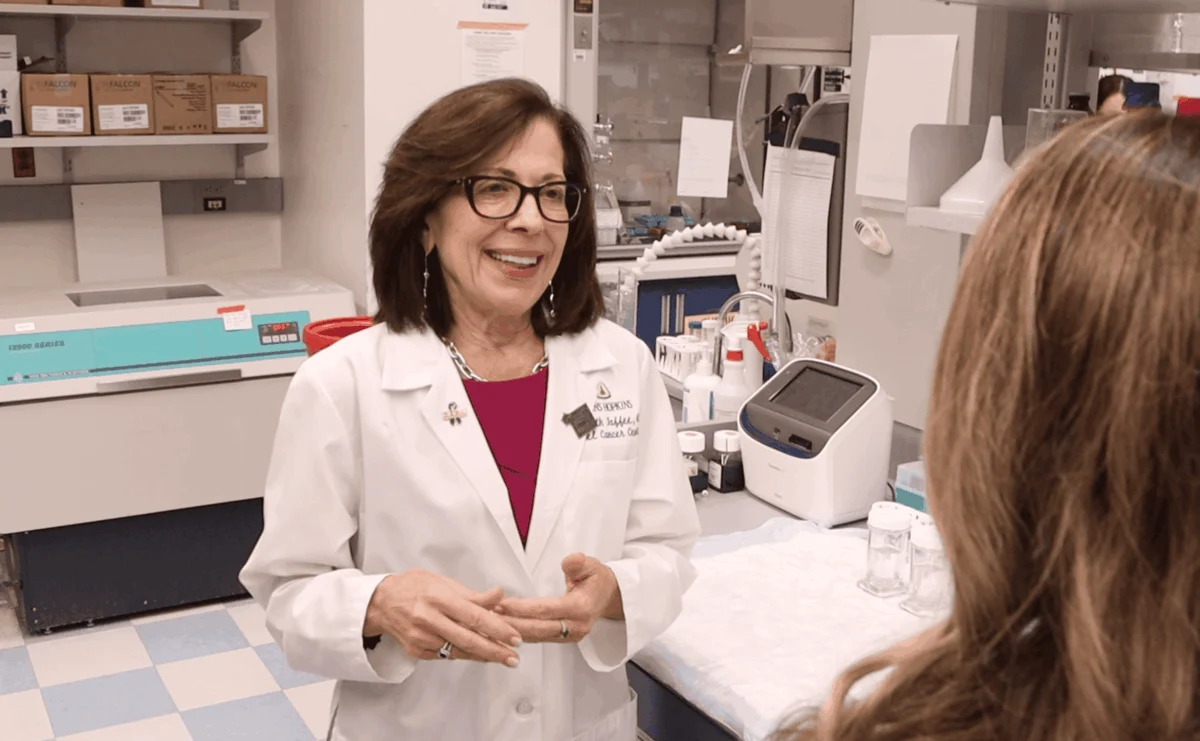
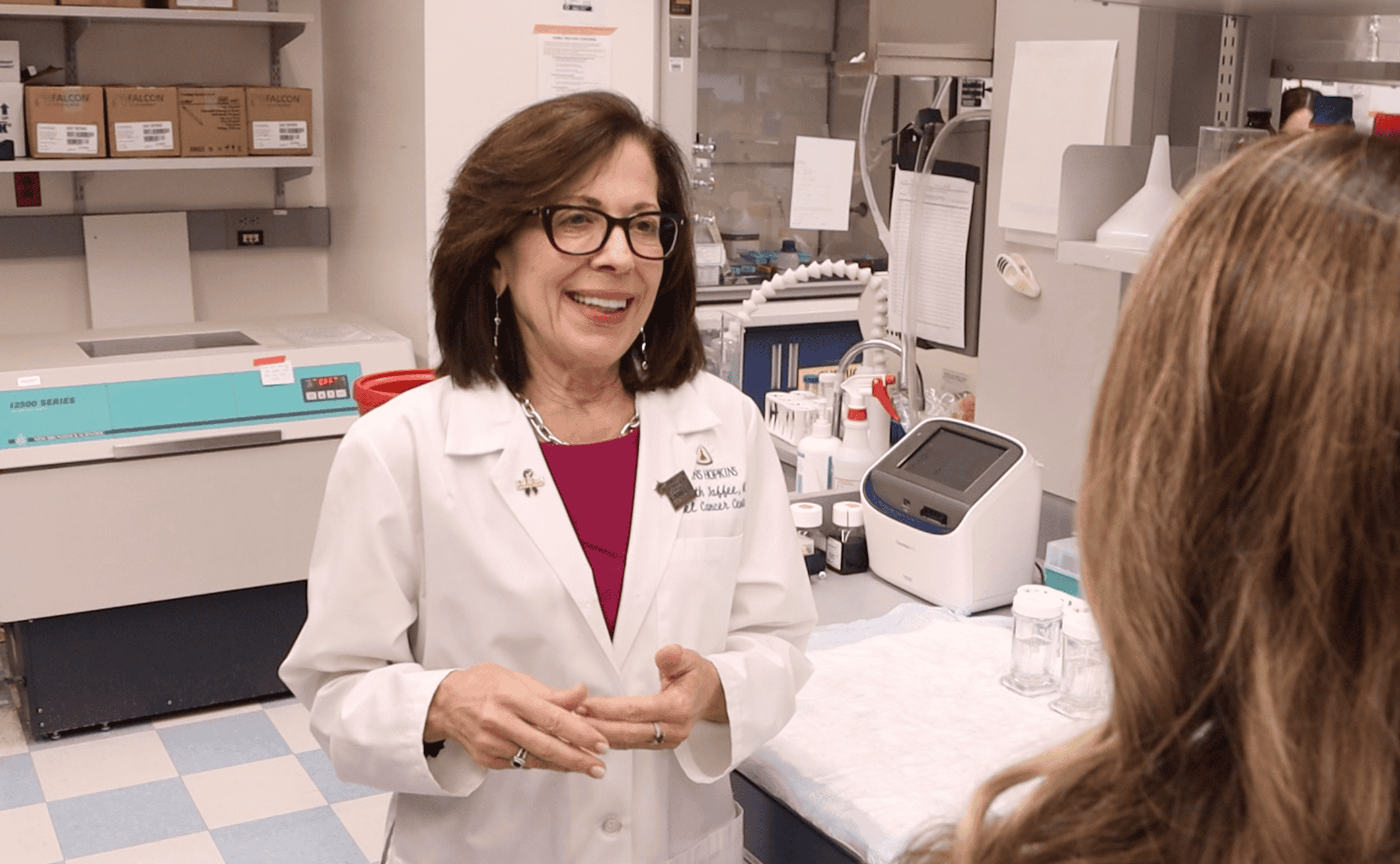
The relentless pursuit of a cure for pancreatic cancer, one of the most formidable and lethal malignancies, has long been a defining mission for Dr. Elizabeth Jaffee, a distinguished figure in oncology and immunology. Her journey, steeped in personal tragedy and unwavering scientific conviction, has culminated in groundbreaking advancements that are fundamentally reshaping the landscape of treatment and, increasingly, prevention for this devastating disease. From the profound loss of her uncle to the early frustrations of limited therapeutic options, Dr. Jaffee’s career has been a testament to the power of dedication, driving the evolution of immunotherapy from a nascent concept to a tangible hope for patients worldwide.
The Genesis of a Lifelong Mission: A Personal and Professional Imperative
Dr. Jaffee’s commitment to unraveling the mysteries of pancreatic cancer was forged in the crucible of personal loss. In 1986, while she was an intern, her uncle succumbed to pancreatic cancer at the age of 51, a mere three months after his diagnosis. The speed of the disease’s progression and the excruciating pain endured by her uncle left an indelible mark, fueling a nascent resolve to confront this medical enigma. This personal tragedy soon intersected with professional frustrations. Three years later, in 1989, as she commenced her fellowship in medical oncology, the stark reality of pancreatic cancer’s intractability became painfully evident. Recalling one of her first patients with metastatic pancreatic cancer, Dr. Jaffee noted the profound limitations of existing treatments, where palliative care, primarily pain management, was often the only recourse. This sense of powerlessness, contrasted with her innate desire to help, crystallized her career’s trajectory.
Having studied immunology in college, Dr. Jaffee harbored a deep fascination with the immune system’s intricate mechanisms. She recognized the transformative impact of vaccines in preventing and controlling infectious diseases throughout the 20th century. This understanding sparked a pivotal question: could the same inherent power of the immune system be harnessed to combat cancer? This inquiry led to a singular, career-defining decision: to dedicate her life to activating a patient’s own immune system to fight pancreatic cancer. At the time, this was a radical notion, as conventional oncology largely focused on surgery, chemotherapy, and radiation, with immunotherapy still in its nascent stages for solid tumors.
Pioneering the Immunotherapy Frontier: Early Vaccine Trials and Enduring Hope
The challenge Dr. Jaffee embraced was immense. Pancreatic cancer, often dubbed a "silent killer," typically presents at advanced stages, with a dismal five-year survival rate hovering around 12% in the United States, according to the American Cancer Society. Even for patients whose localized tumors could be surgically removed – a minority of cases – the prognosis remained grim, with approximately 80% experiencing recurrence within two years. It was against this backdrop that Dr. Jaffee embarked on developing a cancer vaccine, a concept aimed at training the immune system to recognize and eliminate residual cancer cells post-surgery.
In 1997, her pioneering efforts culminated in the initiation of a first-generation vaccine trial. Between 1997 and 2000, six patients with surgically resected pancreatic cancers received this experimental vaccine. The results, though from a small cohort, were profoundly encouraging. Five of these patients developed measurable immune responses. More strikingly, some patients remained disease-free for over a decade. One particular patient, diagnosed at 71, developed recurrent inflammation at the vaccine injection sites, a persistent indicator of an active immune response. Remarkably, this patient lived an additional 20 years, ultimately succumbing to heart disease, not pancreatic cancer.
These early successes, while not statistically significant enough to establish the vaccine’s efficacy in preventing recurrence, provided crucial validation for Dr. Jaffee and her team. They served as a powerful impetus, strengthening the conviction that immunotherapy held genuine promise for a disease long considered untreatable with such approaches. This early work laid the foundational groundwork for understanding how the immune system could, in principle, be mobilized against pancreatic cancer, setting the stage for future, more sophisticated strategies.
Deciphering Pancreatic Cancer’s Fortifications: Overcoming Biological Hurdles
Despite the early glimmers of hope, pancreatic cancer presents a formidable array of defense mechanisms that have historically rendered it notoriously resistant to immunotherapy. Unlike highly immunogenic cancers like melanoma or lung cancer, which often harbor numerous genetic mutations that make them "visible" to the immune system, pancreatic cancer typically exhibits a lower mutational burden. This means fewer distinct "neoantigens" for immune cells to recognize and target.
Furthermore, the pancreatic tumor microenvironment is uniquely hostile to immune attack. It is characterized by a dense, fibrous stroma, often referred to as desmoplasia, which acts as a physical barrier, impeding the infiltration of cancer-fighting T-cells. This protective environment is also replete with immunosuppressive cells, such as myeloid-derived suppressor cells (MDSCs) and regulatory T-cells (Tregs), which actively dampen immune responses, creating an "immune desert" around the tumor. These biological complexities explain why standard immunotherapies, particularly immune checkpoint inhibitors which have revolutionized treatment for other cancers, have shown limited efficacy as monotherapies in pancreatic cancer.
The exciting news, however, lies in the growing understanding of these protective mechanisms and the development of innovative strategies to overcome them. Recent scientific advancements have begun to illuminate pathways to dismantle these defenses. New drugs specifically targeting common cancer-driving mutations, such as KRAS – a mutation present in approximately 90% of pancreatic cancers and long considered "undruggable" – are now showing promise. These KRAS-targeted therapies, alongside approaches designed to remodel the tumor microenvironment, could potentially make pancreatic cancer cells more vulnerable to immune attack. Moreover, advanced cancer vaccines that either target mutated KRAS or personalized neoantigens unique to a patient’s tumor are being developed, aiming to generate robust and specific immune responses. The consensus within the scientific community, including Dr. Jaffee’s team, is that the greatest progress will likely come from combining these novel approaches with traditional chemotherapy and existing immunotherapies, creating synergistic effects to overcome resistance and achieve more durable responses.
A New Era for Cancer Vaccines: Lessons from Melanoma and Broader Implications
A significant milestone for the broader field of cancer immunotherapy, and particularly for the long-held vision of therapeutic cancer vaccines, recently emerged from the Phase 3 INTerpath-001 study. This landmark trial demonstrated that adding an experimental personalized mRNA cancer vaccine (mRNA-4157/V940) to the immune checkpoint inhibitor Keytruda® (pembrolizumab) significantly reduced the risk of melanoma recurrence or death after surgery, compared to Keytruda alone. While this study was conducted in melanoma, not pancreatic cancer, its implications are profound. It provides the first compelling Phase 3 evidence that therapeutic cancer vaccines can indeed improve clinical outcomes in cancer patients. For researchers like Dr. Jaffee, who have dedicated decades to advancing this approach, it represents a powerful validation and a surge of renewed optimism.
The success in melanoma underscores the potential of personalized mRNA vaccine technology, which can be rapidly manufactured to target specific mutations found in an individual patient’s tumor. This adaptability is critical for cancers like pancreatic cancer, where unique neoantigens might vary between patients. Dr. Jaffee’s team has been actively evaluating pancreatic cancer vaccines in combination with various treatments that modulate immune activity, with the goal of identifying the most effective strategies to prevent recurrence. These ongoing efforts have already identified promising combinations that have yielded encouraging results, including signs of treatment response observed within tumor tissue, propelling these approaches further into clinical development.
The Horizon of Prevention: Targeting KRAS and Early Intervention
Beyond treating established disease, Dr. Jaffee’s research has ventured into the ambitious realm of cancer prevention. A significant step in this direction involves a second-generation vaccine specifically targeting mutated KRAS. In a recent study involving individuals at an elevated risk for pancreatic cancer – such as those with a strong family history or certain genetic predispositions – this vaccine demonstrated its ability to induce immune responses against mutated KRAS that remained detectable for up to two years. Crucially, in some participants, small pancreatic cysts, which are often precursors to cancer, showed resolution on MRI scans.
These findings, while requiring further investigation and validation in larger cohorts, present an exhilarating possibility: that vaccines could one day play a pivotal role in preventing pancreatic cancer before it even develops. This paradigm shift from treatment to prevention holds immense promise, particularly for a disease where early detection remains a formidable challenge.
However, developing vaccines for pancreatic cancer prevention faces its own unique set of challenges. A comprehensive understanding of the disease’s biology in its earliest stages is still evolving. Researchers need to delve deeper into the precancerous microenvironment – deciphering how immune cells, inflammatory signals, and surrounding tissues interact to either suppress or promote cancer development. This fundamental knowledge is indispensable for designing vaccines capable of generating durable immune responses that can effectively eliminate emerging cancer cells before they progress to invasive disease.
An equally critical challenge lies in accurately identifying individuals who would most benefit from a preventive vaccine. Pancreatic cancer is relatively uncommon in the general population, making universal vaccination impractical and inappropriate. Therefore, the development of more sensitive and specific technologies for risk stratification is paramount. This includes advanced blood-based biomarkers, improved imaging techniques, and sophisticated molecular tests capable of identifying which pancreatic cysts are most likely to transform into cancer. The ultimate vision is a synergistic combination of enhanced risk prediction, earlier detection methodologies, and highly effective preventive vaccines, enabling intervention before pancreatic cancer establishes itself, thereby averting the devastating diagnosis that is all too common today.
Broader Implications and a Future of Hope
As Pancreatic Cancer Awareness Month highlights the ongoing fight against this disease, the scientific momentum building around novel approaches offers unprecedented hope. The current strategy transcends the mere search for "another drug." Instead, it embodies a multi-pronged assault on pancreatic cancer, encompassing a deeper understanding of its earliest developmental stages, precise identification of at-risk individuals, earlier and more accurate detection, and the development of sophisticated treatments designed to prevent recurrence or even preempt the cancer entirely.
Several of these innovative approaches are already yielding encouraging results in clinical studies, though substantial work remains before they can become standard care. Dr. Jaffee, reflecting on her decades of dedicated work in this field, expresses a profound sense of optimism, stating she is "more optimistic today than at any point in my career." This sentiment resonates across the scientific community, signaling a turning point in the long and arduous battle against pancreatic cancer.
The message to patients and their families is one of tangible progress: scientific advancements are real, momentum is building, and the collective efforts of researchers are increasingly moving towards a future where pancreatic cancer is no longer the devastating, almost insurmountable diagnosis it has been for so long. This future envisions a world where early detection, effective personalized therapies, and even prevention offer genuine pathways to prolonged life and improved quality of life for those touched by this formidable disease.
Dr. Elizabeth Jaffee, MD, stands at the vanguard of this transformative era. As an Associate Director of CRI’s Scientific Advisory Council, Deputy Director of the Sidney Kimmel Comprehensive Cancer Center at Johns Hopkins, Dana and Albert “Cubby” Broccoli Professor of Oncology, Co-Director of the Skip Viragh Center for Pancreas Cancer, and an Associate Director of the Bloomberg~Kimmel Institute for Cancer Immunotherapy, her leadership continues to inspire and drive the critical research needed to turn this vision into reality.
