
 By admin
Phoenix, Arizona – The global scientific community dedicated to conquering cancer through immunotherapy convened in Phoenix, Arizona, from November 4 to 8, 2026, for the Society for Immunotherapy of Cancer’s (SITC) 41st Annual Meeting. This landmark event brought together thousands of researchers, clinicians, and industry leaders to share cutting-edge discoveries, foster collaborations, and strategize the next advancements in harnessing the immune system to fight cancer. A central theme throughout the five-day conference was the urgent question of how to extend the benefits of cancer immunotherapy to more patients, a challenge addressed through deep dives into immune cell recognition, novel therapeutic designs, and the development of sophisticated research tools.
A New Chapter in Collaboration: CRI and SITC Forge Annual Partnership
This year’s SITC Annual Meeting marked a significant milestone with the inauguration of an annual collaboration between SITC and the Cancer Research Institute (CRI). This partnership introduced the prestigious CRI William B. Coley Award Lecture to the SITC program, underscoring a shared commitment to recognizing foundational science and accelerating its translation into clinical practice. The alliance was hailed by both organizations as a powerful synergy, designed to amplify scientific discourse and propel the field forward.
"For decades, Eric has helped shape our understanding of innate immunity and how we might harness it to treat cancer," stated Dr. Alicia Zhou, CEO of the Cancer Research Institute, during her introduction of the award recipient. "I am really thrilled and honored to be able to partner with SITC to bring our Coley Lecture to this conference. It’s a real pleasure." This sentiment was echoed by Dr. Sandra Demaria, Vice President of SITC, who emphasized the complementary roles of the two organizations: "There is a very complementary role for CRI and SITC to move the future of cell cancer immunotherapy to help accelerate discovery to support science young investigators. We are stronger together." This collaboration is anticipated to become a cornerstone of future SITC meetings, offering a consistent platform for celebrating breakthroughs and inspiring future generations of immunotherapists.
Honoring Pioneering Research: The Inaugural Coley Award Lecture
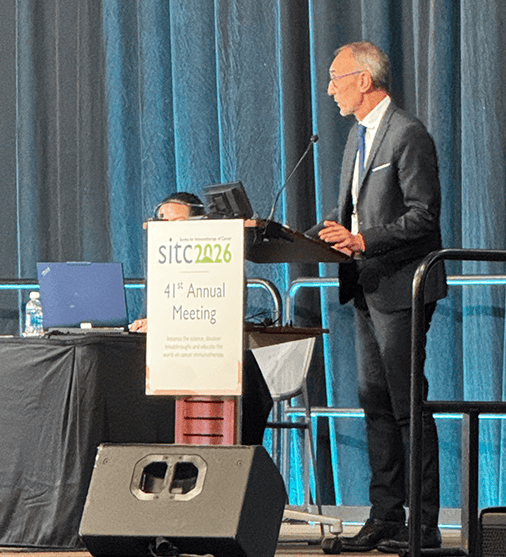
The inaugural CRI William B. Coley Award Lecture at SITC recognized Dr. Eric Vivier, DVM, PhD, for his groundbreaking contributions to expanding the understanding of the immune system’s innate ability to combat cancer. Dr. Vivier, a distinguished immunologist, has dedicated decades to investigating natural killer (NK) cells—a critical component of the innate immune system capable of identifying and eliminating cancerous cells. His extensive research has been instrumental in establishing the profound importance of innate immunity in oncology and has directly informed the development of therapeutic strategies aimed at harnessing NK cells.
Dr. Vivier’s lecture, titled “Harnessing NK Cells in Cancer Therapies,” provided an in-depth exploration of his work, detailing the intricate mechanisms by which NK cells detect and destroy tumor cells, and the strategies being developed to enhance their anti-cancer efficacy. Historically, much of cancer immunotherapy focused on adaptive immune cells like T cells. However, Dr. Vivier’s work, alongside that of other pioneers, has propelled NK cells into the spotlight, showcasing their potential as a distinct and powerful arm of cancer treatment. This shift has led to a significant increase in NK cell-based clinical trials, with an estimated 30% rise in active studies over the past five years, reflecting growing optimism in their therapeutic promise. The Coley Award itself holds deep historical resonance, named after Dr. William B. Coley, a 19th-century surgeon often regarded as the "Father of Immunotherapy" for his early attempts to treat cancer by stimulating the immune system. This lecture series thus bridges historical insight with contemporary innovation, serving as a powerful reminder of the field’s enduring lineage.
CRI Conversations: Charting the Future of Cell Therapy in the Age of AI
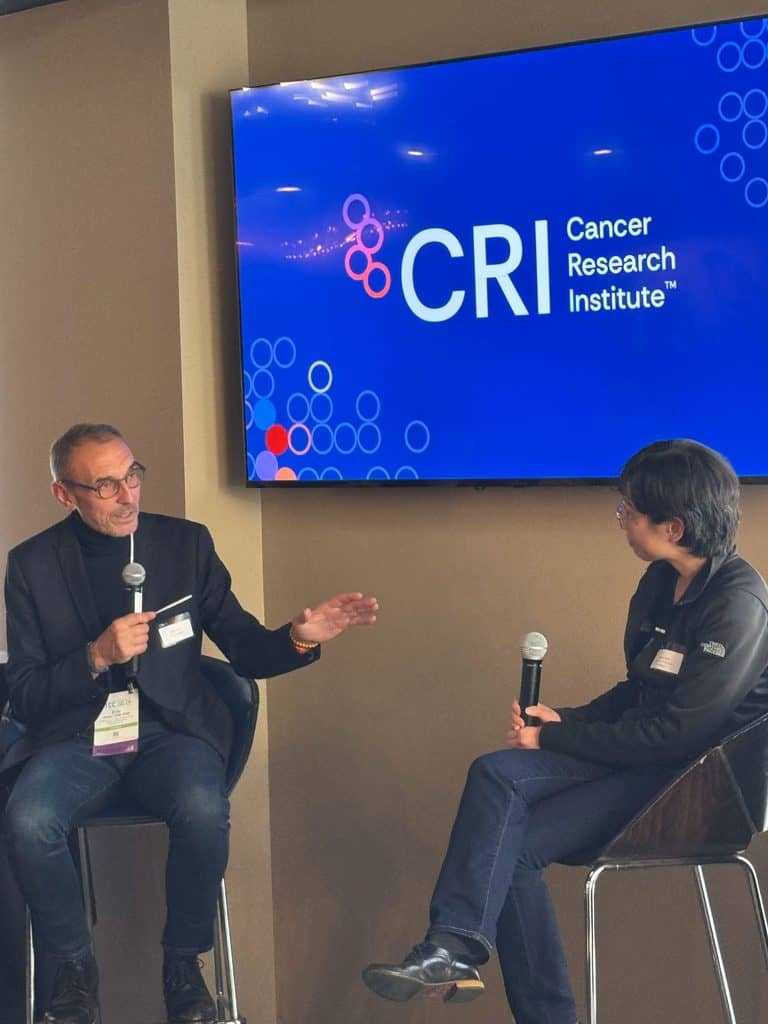
Beyond the formal lecture, a highlight of the meeting was the "CRI Conversations" fireside chat, featuring Dr. Vivier alongside Dr. Yvonne Chen, a CRI Lloyd J. Old STAR. This candid discussion offered a forward-looking perspective on the future of cell therapy, delving into the evolving landscape of cellular engineering and the burgeoning role of artificial intelligence (AI) in scientific discovery.
The conversation explored the complementary roles of different immune cell types, particularly how NK cells and T cells could be synergistically employed to achieve more robust and durable anti-tumor responses. Dr. Vivier and Dr. Chen emphasized that understanding the tumor microenvironment—the complex network of cells, blood vessels, and signaling molecules surrounding a tumor—is paramount for designing effective cell-based therapies. Their dialogue underscored the need to overcome the physical and immunological barriers within solid tumors that often impede the success of cell therapies.
A significant portion of the discussion centered on the transformative, yet challenging, impact of artificial intelligence. Dr. Chen shared a compelling anecdote about using an AI tool to re-analyze a complex dataset previously scrutinized by her team. While the AI rapidly generated analyses and figures within hours, it also produced subtle errors requiring meticulous human review. This experience led Dr. Vivier to caution against viewing AI as a replacement for human intellect, urging researchers to utilize it "as a tool and not as a replacement for creativity and imagination." Both scientists underscored the critical importance of equipping trainees with the skills to leverage these powerful tools while simultaneously fostering the scientific judgment necessary to critically evaluate AI-generated results. The implications for scientific training are profound, demanding a curriculum that integrates computational literacy with traditional scientific rigor.
The discussion also touched upon the perennial challenge of sustaining research amidst shifting investment priorities. Dr. Chen highlighted the crucial role of diverse funding streams, including government grants, private foundations, and philanthropic donors, in maintaining the momentum of promising research. "If we believe in the science, we need to, one way or another, find the resources needed to get it into the clinic," she asserted, emphasizing the persistence required to translate innovative scientific ideas into tangible treatments for patients. This exchange resonated deeply with many attendees, underscoring that scientific breakthroughs are not only a product of intellectual curiosity but also of sustained financial and institutional support.
Across the Scientific Program: A Tapestry of Innovation
Beyond the featured Coley Lecture and CRI Conversations, the 41st SITC Annual Meeting presented a comprehensive scientific program that addressed a wide array of central questions in cancer immunotherapy. The depth and breadth of presentations reflected the multidisciplinary nature of the field and the rapid pace of discovery.
Dr. Ton Schumacher, a CRI Scientific Advisory Council (SAC) member, delivered a compelling keynote address on the intricacies of T-cell recognition of human cancer. His insights delved into the paradox of T cells recognizing tumors yet often remaining trapped at their periphery, highlighting the critical need to overcome spatial restrictions within the tumor microenvironment.
Dr. Catherine J. Wu, recipient of the prestigious Richard V. Smalley Memorial Award and Lectureship, captivated the audience with her focus on personalized cancer vaccines. She meticulously traced the field’s evolution from rudimentary attempts to stimulate anti-cancer immunity to the sophisticated, tailor-made vaccines emerging today. Dr. Wu highlighted recent Phase 3 melanoma results, which demonstrated a significantly reduced risk of recurrence when a personalized vaccine was combined with checkpoint immunotherapy. These results, indicating a 44% reduction in recurrence risk in certain patient cohorts, provided an encouraging example of the clinical potential of this approach and signal a new era for cancer prevention and treatment strategies. Further contributions to vaccine research included Dr. Vinod Balachandran’s efforts to expand personalized vaccines for pancreatic cancer—a notoriously difficult-to-treat malignancy—and CRI SAC member Dr. Darrell Irvine’s exploration of an alternative, off-the-shelf vaccine approach targeting common KRAS mutations. Former CRI Fellow Dr. Maha Ayyoub delved into the fundamental question of which cancer targets vaccines should train the immune system to recognize, a critical determinant for vaccine efficacy.
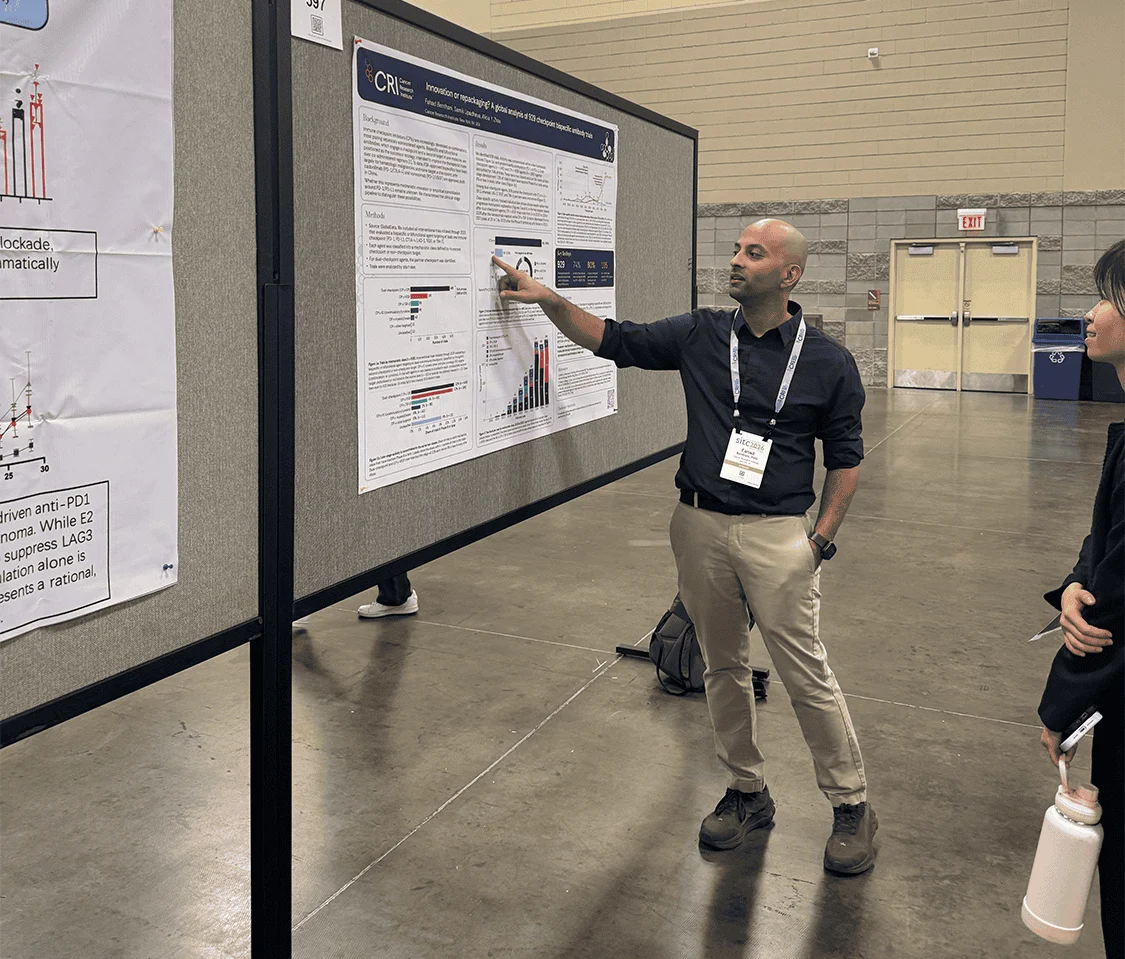
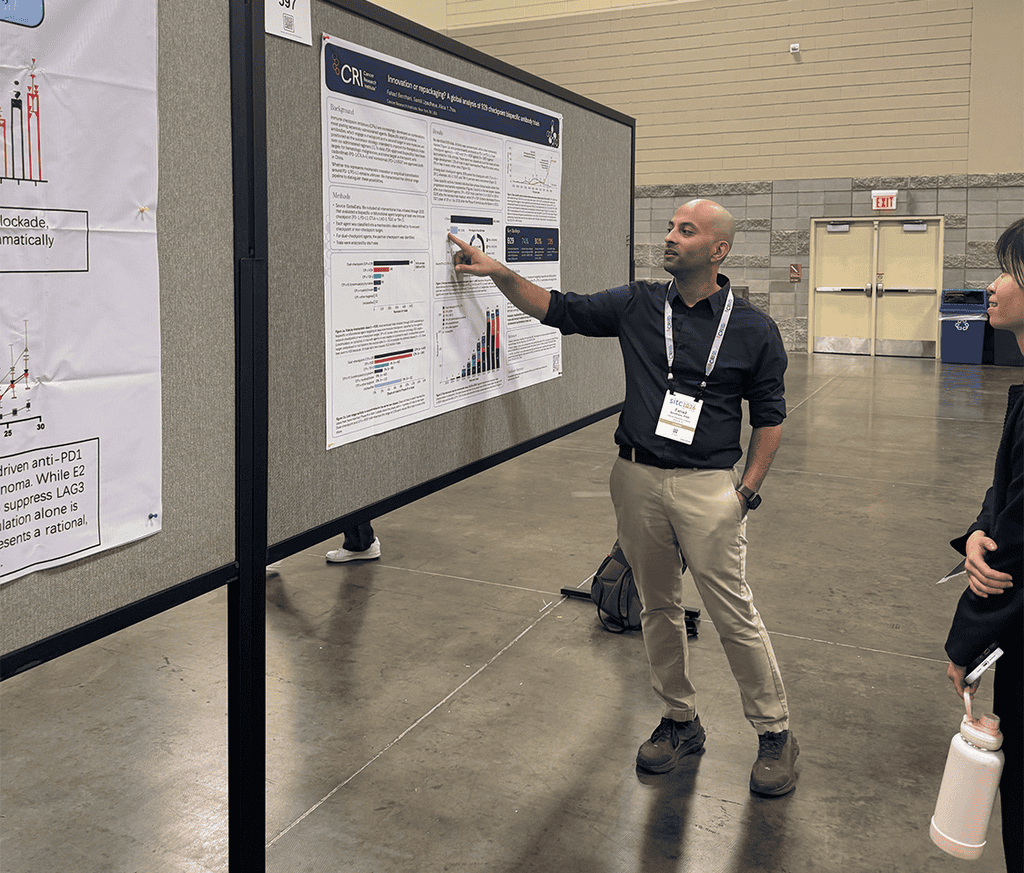
CRI’s own research was prominently showcased, with Research Scientist Dr. Fahad Benthani presenting incisive analyses on trends within the immunotherapy clinical trial landscape. His findings offered valuable insights into the evolving strategies of clinical development, identifying areas of rapid growth and potential bottlenecks.
A recurring and prominent theme throughout the meeting was spatial biology, a rapidly expanding field that investigates how the precise location and interactions of immune cells within the tumor microenvironment dictate treatment responses. Researchers such as Dr. Arutha Kulasinghe, Dr. Carlo Bifulco, and CRI SAC member Dr. Tina Cascone presented groundbreaking work in this area, utilizing advanced imaging and computational techniques to map the cellular geography of tumors. This understanding is proving critical for predicting patient responses and designing more targeted therapies. The complexity of the tumor microenvironment was further illuminated by a lively debate between CRI SAC member Dr. Antoni Ribas and CRI Investigator Dr. Brian Brown, moderated by CRI Lloyd J. Old STAR Dr. Jennifer Guerriero. They challenged the long-held, perhaps oversimplified, distinction between immunologically “hot” and “cold” tumors, arguing for a more nuanced understanding of tumor immune infiltration.
Beyond the immediate tumor environment, the meeting also spotlighted the growing recognition of systemic factors influencing immune function. CRI STAR Dr. Greg Delgoffe and CRI SAC member Dr. Marcel van den Brink explored how diet and metabolism, including their profound effects on the gut microbiota, can significantly influence immune responses and ultimately impact treatment outcomes. This emerging field of immunometabolism holds promise for developing adjunctive therapies that optimize a patient’s physiological state for better immunotherapy results.
Innovations in cell therapy were also a major focus, moving beyond simply engineering immune cells to recognize cancer. Researchers are now exploring sophisticated ways to enhance the function, persistence, and tumor-penetrating capabilities of these therapeutic cells. CRI STARs Dr. Anusha Kalbasi and Dr. Mohammad Rashidian discussed complementary approaches to modifying the signals that guide T-cell behavior and providing additional stimulation to sustain CAR-T cell activity, particularly in challenging solid tumors. Simultaneously, fellow CRI STARs Dr. Sidi Chen and Dr. Justin Eyquem highlighted remarkable advances in genetic engineering, including novel approaches that could eventually enable immune cells to be modified directly inside the body, eliminating the complex and costly ex vivo manufacturing process currently required for many cell therapies. These collective efforts reflect a growing consensus that improving cell therapy will likely necessitate multi-pronged strategies rather than a singular solution, integrating various biotechnological advancements.
Voices of the CRI Community: Investing in Future Breakthroughs
The SITC meeting also served as a powerful platform for CRI-funded scientists to share their research and articulate the invaluable role of philanthropic support in their endeavors. Their testimonials underscored the long and often unpredictable journey from laboratory discovery to patient benefit.
Dr. Luiz Geraldo, MD, PhD, an inaugural CRI IGNITE Fellow, reflected on this trajectory: “The discoveries we make in the lab don’t get to the patients tomorrow. It’s years, decades, until we can really translate what we’re seeing in the lab to treatments for the patients. This support is essential to guarantee that the next generation of scientists ensure things are moving forwards and not backwards.” This sentiment highlights the critical need for sustained, patient funding that allows researchers the freedom to pursue unexpected results, develop novel methodologies, and meticulously build the evidence base required to advance an idea toward clinical testing.
Dr. Brian Brown, PhD, a Technology Impact Awardee, further emphasized the catalytic role of CRI funding in fostering innovation: “CRI allowed us to build this technology when it was completely nascent. CRI took a chance that we would be able to do this, we did it, and now it’s grown into an entire field where lots of people are developing technologies that kind of utilize this concept that we first developed through our CRI funding.” Such early-stage, risk-tolerant funding is crucial for nurturing disruptive ideas that may initially seem unconventional but ultimately lead to entirely new therapeutic paradigms. The success stories shared at SITC serve as powerful evidence of the long-term impact of investing in scientific curiosity and intellectual freedom.
Community and Celebration: The CheckPoints Rock the Night
Beyond the rigorous scientific discussions, the SITC Annual Meeting fostered a vibrant sense of community and collaboration. A perennial highlight, SITC’s house band, "the CheckPoints," comprising talented SITC members and luminaries in the field, took to the stage on Saturday night for an evening of music and dancing. This unique tradition not only provided a welcome opportunity for attendees to unwind but also symbolized the camaraderie and shared passion that unite the diverse members of the immunotherapy community. Such informal interactions are often critical for sparking new ideas and forging future collaborations.
Looking Ahead: Strategic Imperatives for Cancer Immunotherapy
As the 41st Annual SITC meeting concluded, a clear roadmap for the future of cancer immunotherapy emerged. The next wave of advancements will undoubtedly hinge upon a deeper, more nuanced understanding of immune biology, the development of innovative approaches that circumvent the limitations of existing treatments, and the rigorous, meticulous testing of novel ideas. The sheer volume of data presented, from over 2,000 scientific abstracts and posters, underscored the exponential growth of the field and the collective dedication to unraveling cancer’s complexities.
For the Cancer Research Institute, supporting this relentless progress means continuing its strategic investment in scientists who possess the intellectual curiosity to ask groundbreaking questions and the freedom to follow scientific evidence wherever it leads. As Dr. Justin Eyquem, a 2026 Lloyd J. Old STAR, articulated, "CRI gives us full liberty to explore the craziest ideas that no one else would fund. It’s often coming from these disruptive ideas that we develop new categories of drugs." This philosophy of empowering bold, exploratory research is precisely what drives transformative breakthroughs.
The ultimate goal remains steadfast and unified: to expand the reach and efficacy of the immune system’s innate ability to fight cancer, bringing hope and effective treatments to a greater number of patients worldwide. The collaborative spirit, scientific rigor, and shared vision showcased at SITC 2026 affirmed that the global immunotherapy community is more determined than ever to achieve this life-saving mission.
