
 By Suherman Candra Maholtra
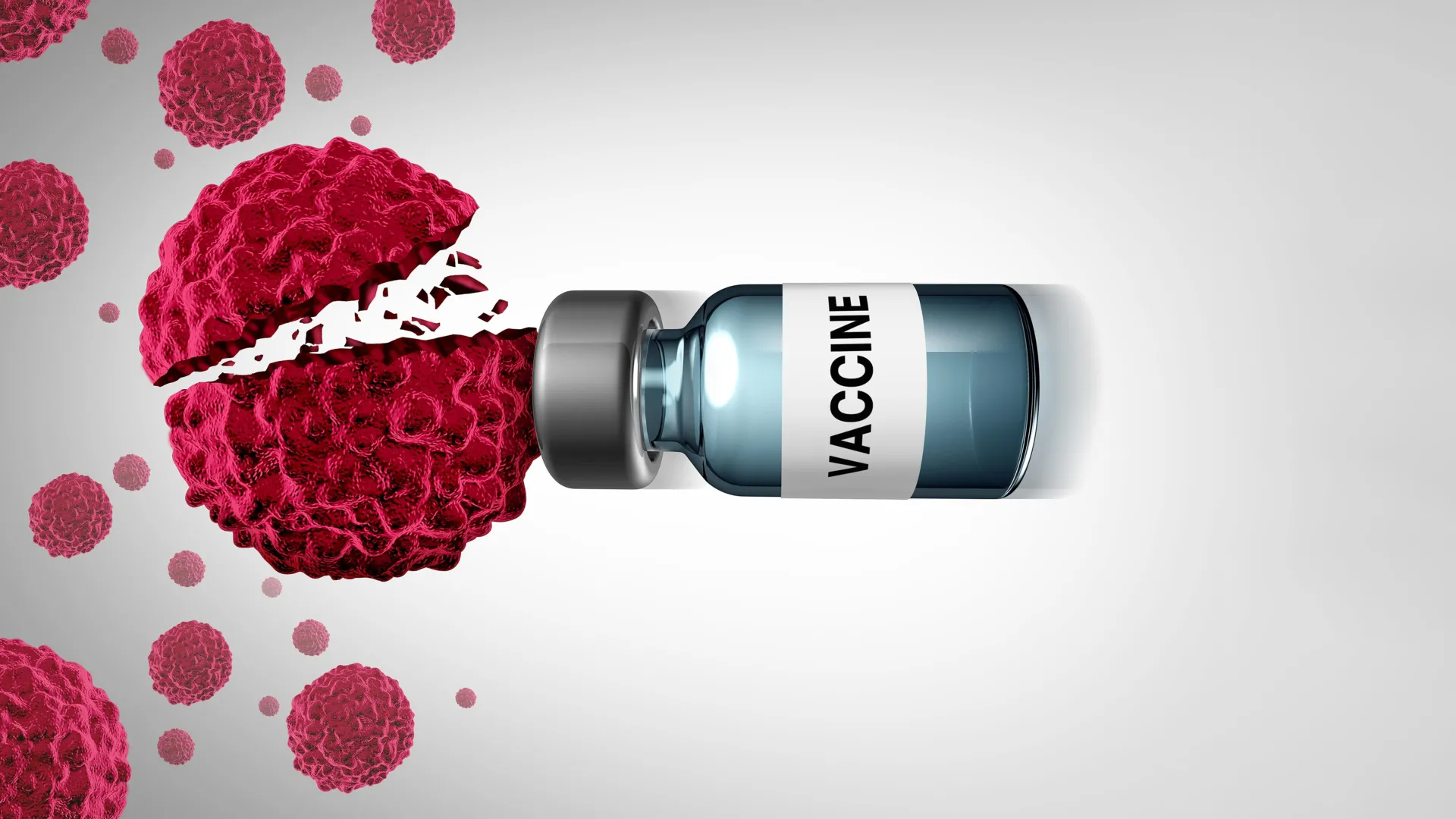
The rapid development and global deployment of mRNA vaccines during the COVID-19 pandemic represented a watershed moment in the history of medicine, validating a technology that had been in development for decades. Following the success of these vaccines in preventing severe viral illness, the scientific community has pivoted toward one of the most challenging frontiers in healthcare: oncology. Today, the same Nobel Prize-winning messenger RNA technology is being harnessed to train the human immune system to recognize and eradicate malignant tumors. While the transition from infectious disease to cancer therapy is well underway, the underlying biological mechanisms that dictate the success of these vaccines are only now being fully understood. A landmark study from the Washington University School of Medicine in St. Louis has provided a significant breakthrough in this area, uncovering a previously unknown redundancy and flexibility in the immune system’s response to mRNA-based cancer therapies.
Published in the prestigious journal Nature, the research challenges long-held assumptions regarding which immune cells are indispensable for a successful vaccine response. For years, immunologists believed that a specific subset of dendritic cells—the "sentinels" of the immune system—was the sole driver of the anti-tumor response triggered by mRNA. However, the Washington University team demonstrated that when these primary cells are absent, a secondary group of cells, previously thought to play a minor role, can step in to launch a powerful and effective attack against cancer cells. This discovery not only clarifies how mRNA vaccines function at a molecular level but also opens new avenues for optimizing vaccine design to ensure higher efficacy across a broader range of patients.
The Evolution of mRNA Technology: From Lab to Clinic
To understand the significance of the Washington University findings, it is essential to view them within the broader timeline of mRNA research. The journey of messenger RNA as a therapeutic tool began in the early 1960s with the discovery of the molecule itself. However, it was not until the late 1980s and early 1990s that scientists began to successfully deliver mRNA into animal cells to produce specific proteins. The field faced a major hurdle for years: the body’s innate immune system often reacted violently to synthetic mRNA, causing inflammation before the vaccine could work.
The breakthrough came in 2005, when Katalin Karikó and Drew Weissman discovered that modifying the nucleosides of mRNA could bypass the immune system’s inflammatory "alarms." This discovery, which earned them the Nobel Prize in Physiology or Medicine in 2023, paved the way for the Pfizer-BioNTech and Moderna COVID-19 vaccines. In the oncology space, the logic is similar: instead of coding for a viral spike protein, mRNA cancer vaccines code for "neoantigens"—mutated proteins found exclusively on the surface of a patient’s tumor cells. By introducing these genetic instructions, the vaccine teaches the patient’s T cells to hunt down and destroy anything displaying those specific markers.
Currently, mRNA cancer vaccines are being investigated in dozens of clinical trials. These include personalized vaccines for melanoma, which have shown promising results when combined with checkpoint inhibitors, as well as experimental treatments for small cell lung cancer, pancreatic cancer, and triple-negative breast cancer.
The Role of Dendritic Cells: The Traditional View
The efficacy of any vaccine depends on the coordination between different branches of the immune system. At the heart of this process are dendritic cells, a specialized type of white blood cell responsible for "presenting" antigens to T cells. Think of dendritic cells as the generals who provide the infantry (T cells) with the target’s description.
Within the dendritic cell family, there are several subtypes. The subtype known as cDC1 (conventional dendritic cell type 1) has long been considered the primary driver of the CD8+ T cell response. CD8+ T cells, also known as "killer T cells," are the primary effectors that seek out and kill virus-infected cells or cancer cells. Because cDC1 cells are exceptionally efficient at "cross-presentation"—the process of taking an external protein and presenting it to killer T cells—they were widely assumed to be the essential link in the mRNA vaccine chain.
The prevailing scientific consensus suggested that without cDC1 cells, an mRNA vaccine would likely fail to generate a robust anti-tumor response. The Washington University study sought to test this assumption by systematically deconstructing the immune response in controlled laboratory settings.
Experimental Methodology and Unexpected Results
The research was led by senior author Kenneth M. Murphy, MD, PhD, the Eugene Opie Centennial Professor of Pathology & Immunology at WashU Medicine, and co-corresponding author William E. Gillanders, MD, a surgical oncologist and professor of surgery. The team utilized sophisticated mouse models that were genetically engineered to lack specific immune cell populations.
In the first phase of the experiment, the researchers vaccinated mice against sarcoma, a type of cancer that affects connective tissues. One group of mice was a "wild-type" control with all immune cells intact, while another group was engineered to lack cDC1 cells. To the surprise of the research team, the mice lacking cDC1 cells were still able to mount a vigorous T cell response. More importantly, these mice were able to successfully reject the sarcoma tumors, showing no significant loss in the vaccine’s protective power.
This result indicated that the immune system possessed a "backup" mechanism. The focus then shifted to cDC2 cells, a related subtype that was traditionally associated with activating CD4+ "helper" T cells rather than the "killer" T cells needed for cancer destruction. When the researchers tested mice lacking cDC2 cells, they found that these mice could also mount an immune response, provided their cDC1 cells were present. It was only when both pathways were potentially compromised that the vaccine’s efficacy was threatened, though the study highlighted that cDC2 cells were surprisingly capable of taking the lead.
The Mechanism of "Cross-Dressing" in Vaccine Response
The most striking finding of the study was how cDC2 cells managed to activate the immune system. Unlike cDC1 cells, which are adept at directly processing and presenting antigens, cDC2 cells appeared to use an indirect method known as "cross-dressing."
In this process, other cells in the body—such as those that first pick up the mRNA and produce the tumor protein—break the protein into fragments and display them on their own surface membranes. The cDC2 cells then "borrow" these pre-formed protein-membrane complexes. By essentially wearing the "clothes" (antigens) of other cells, the cDC2 cells are able to present the target to T cells and trigger an attack.
"This work uncovers a new way mRNA vaccines engage the immune system—through both cDC1 and cDC2—which helps explain their power," noted Dr. Gillanders. This dual-pathway engagement ensures that the immune system has multiple ways to recognize a threat, making the vaccine more resilient.
Supporting Data and Clinical Context
The implications of this study are supported by the current landscape of clinical oncology. For example, in recent trials for personalized melanoma vaccines, researchers have noted that patients often exhibit a diverse range of T cell responses. Some patients respond better than others, and the reasons for this variability have remained elusive. The discovery that cDC2 cells play a major role suggests that variations in a patient’s cDC2 levels or their "cross-dressing" efficiency could be a deciding factor in treatment success.
Furthermore, the study found that the T cells activated by cDC1 and cDC2 cells had slightly different molecular "fingerprints." This suggests that the two cell types might be activating different subsets of T cells or providing different types of "instructions" to the immune system. By leveraging both pathways, a vaccine might create a more comprehensive and durable immune memory, preventing the cancer from returning.
Expert Analysis: Implications for Vaccine Design
The findings provide a roadmap for the next generation of vaccine development. By understanding that cDC2 cells are critical players, researchers can now design vaccine formulations (such as the lipid nanoparticles used to deliver the mRNA) that specifically target or enhance the activity of both cDC1 and cDC2 populations.
"By dissecting which immune cells are involved and how they coordinate the response, we’re offering vaccine developers some additional mechanistic insights to consider in their goal of optimizing these vaccines against tumor proteins," explained Dr. Murphy.
The study also suggests that the dosage and delivery method of mRNA vaccines could be refined. If cDC2 cells rely on "cross-dressing" from other cells, then the location where the vaccine is injected and the types of local cells that first take up the mRNA become even more important than previously thought.
Future Outlook and Broader Impact
The success of the Washington University study marks a significant step forward in the quest for a "universal" approach to cancer immunotherapy. While the study was conducted in mice, the fundamental pathways of the mammalian immune system are highly conserved, and the researchers believe these insights will translate to human biology.
As researchers continue to move toward human trials, the focus will shift to how these findings can be used to help "non-responders"—patients whose immune systems do not currently react to mRNA vaccines. If a patient has a deficiency in the cDC1 pathway, clinicians might one day be able to use adjuvant therapies to boost the cDC2 pathway, ensuring the vaccine still works.
The transition of mRNA from a pandemic-response tool to a cornerstone of oncology represents one of the most ambitious shifts in modern medicine. With a deeper understanding of the cellular choreography involved in the immune response, the goal of turning cancer into a preventable or highly manageable condition moves closer to reality. The work of Murphy, Gillanders, and their colleagues at Washington University provides the mechanistic foundation upon which the next decade of cancer breakthroughs will likely be built.
