
 By Suherman Candra Maholtra
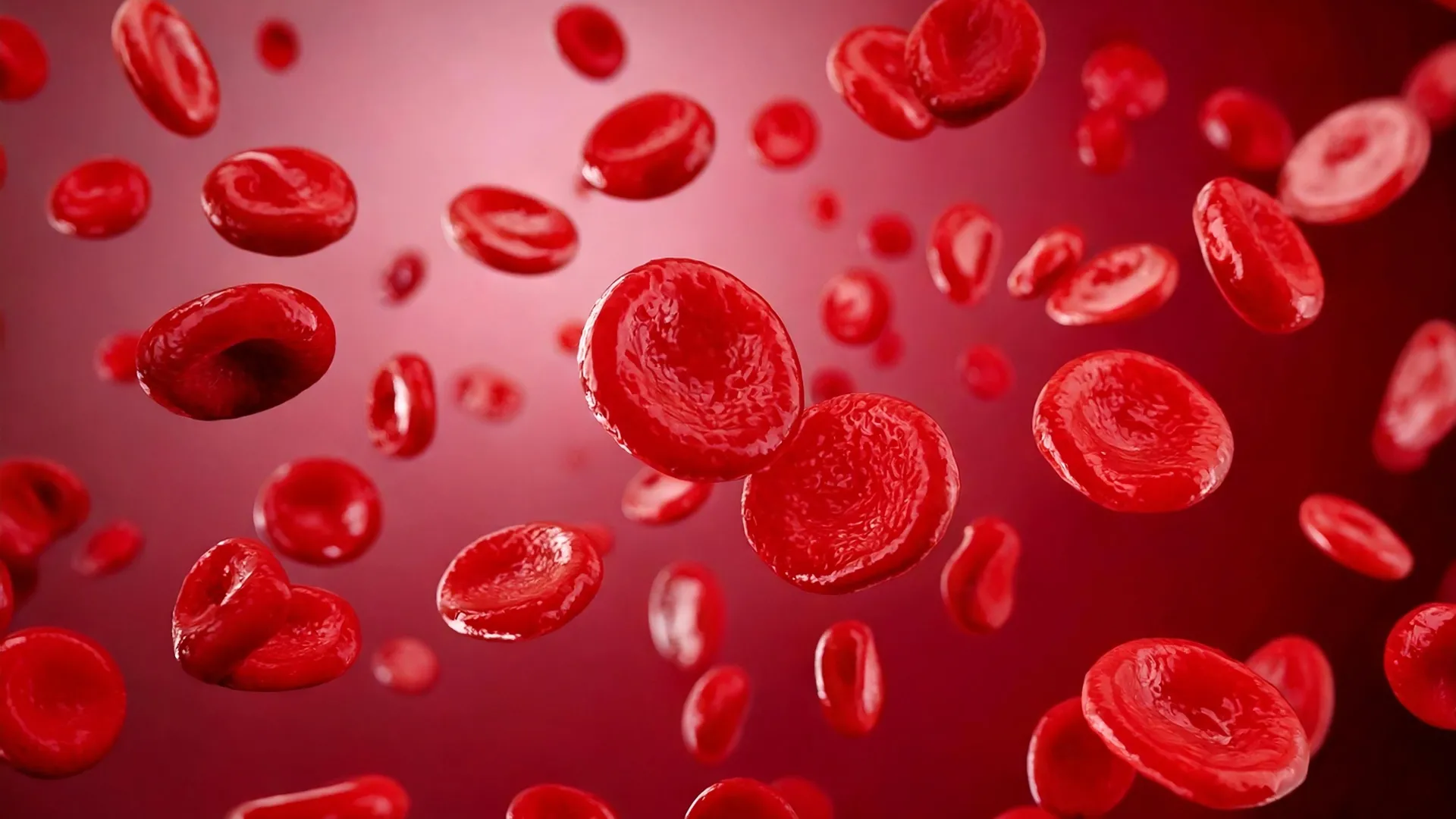
The landscape of transfusion medicine has been fundamentally altered following a landmark discovery by a collaborative team of researchers in the United Kingdom. Led by scientists at NHS Blood and Transplant (NHSBT) in Bristol, in partnership with the International Blood Group Reference Laboratory (IBGRL) and the University of Bristol, the team has successfully identified the genetic source of the elusive AnWj antigen. This breakthrough has resulted in the formal establishment of MAL as the world’s 47th human blood group system. The resolution of this biological puzzle, which had remained unsolved since 1972, provides clinicians with the essential tools to identify rare patients lacking this specific marker, thereby preventing potentially fatal immune reactions during blood transfusions.
The Scientific Context of Human Blood Groups
While the general public is most familiar with the ABO and Rh (Rhesus) systems, human hematology is governed by a far more intricate network of surface molecules. Red blood cells are coated with hundreds of different proteins and sugars that function as antigens—molecular signatures that allow the immune system to distinguish between "self" and "foreign" entities. When a patient receives blood containing antigens that their own body lacks, their immune system may produce antibodies to attack the donor cells, leading to a hemolytic transfusion reaction.
The AnWj antigen is nearly universal, appearing on the red blood cells of more than 99.9% of the global population. Because it is so ubiquitous, the rare individuals who are AnWj-negative are at significant risk. Should they develop antibodies against the antigen—either through previous transfusions or pregnancy—finding compatible donor blood becomes a monumental challenge for healthcare providers.
A Chronology of Discovery: 1972 to 2026
The journey to identifying the MAL blood group system spans over five decades of clinical observation and laboratory advancement. The AnWj antigen was first documented in 1972, but for years, its molecular structure and genetic origin remained unknown. Scientists were unable to determine which specific gene was responsible for its production or which protein acted as the carrier for the antigen on the cell membrane.
The investigation gained significant momentum in 2015 when researchers secured a blood sample from the original patient identified in the 1970s. This historic sample, combined with samples from an Arab Israeli family and a handful of other genetically AnWj-negative individuals, provided the genomic material necessary for modern analysis.
The breakthrough finally arrived through the application of whole exome sequencing. Unlike traditional genetic testing, this method allows researchers to sequence all the protein-coding regions of the genome simultaneously. By comparing the exomes of the rare AnWj-negative individuals against the general population, the team identified a commonality: homozygous deletions in the MAL gene.
In 2026, the International Society of Blood Transfusion (ISBT) formally ratified the discovery. The MAL gene and its associated AnWj antigen were designated as ISBT 047. This period marked a rapid expansion in hematological knowledge, as MAL was one of four systems recognized in the 2026 terminology report, alongside ER, CD36, and ATP11C. Shortly thereafter, the JAMA system was announced as the 49th, illustrating the ongoing evolution of the genetic map of human blood.
The Genetic and Molecular Basis of MAL
The MAL gene is responsible for producing the Mal protein, a small, highly specialized component of the cell membrane. Prior to this research, the Mal protein was primarily associated with cellular transport and membrane organization, with little known about its role in red blood cells.
The research team demonstrated that in AnWj-positive individuals—the vast majority of the population—the full-length Mal protein is expressed on the surface of red blood cells. Conversely, individuals with the inherited AnWj-negative phenotype lack this protein entirely due to genetic mutations.
To verify their findings, the scientists employed advanced gene-editing techniques. By introducing the normal MAL gene into laboratory-grown cells that lacked the antigen, they successfully induced the expression of AnWj. This "cause and effect" experimentation proved that the Mal protein is both necessary and sufficient for the antigen’s presence, providing the definitive evidence required for the ISBT to recognize MAL as a distinct blood group system.
Clinical Implications and Patient Safety
The identification of the MAL gene has immediate practical applications for global blood services. It allows for the development of targeted genotyping tests that can be integrated into existing screening platforms. This means that blood banks can now proactively screen donors for the rare AnWj-negative trait, building a registry of compatible blood for patients in need.
The clinical necessity of this discovery is underscored by the severity of anti-AnWj antibodies. If an AnWj-negative patient receives positive blood, the resulting immune response can lead to the rapid destruction of the transfused cells.
Recent clinical reports from 2026 have highlighted the complexities of managing these patients:
- Acquired Deficiency: In one instance, a 75-year-old man with severe anemia was found to have anti-AnWj autoantibodies. However, genetic testing revealed his MAL gene was normal. This confirmed that his AnWj-negative status was "acquired"—likely due to his underlying health conditions—rather than inherited. Understanding this distinction helps doctors determine the most appropriate course of treatment.
- Innovative Treatments: Another 2026 case involved a patient with high-grade B-cell lymphoma who experienced hemolysis after incompatible transfusions. Clinicians utilized sutimlimab, a monoclonal antibody that inhibits the C1s enzyme in the immune system’s complement pathway. This marked the first reported use of the drug to manage anti-AnWj-associated hemolysis, offering a potential new pathway for stabilizing patients when compatible blood is unavailable.
Perspectives from the Research Team
The success of the project has been hailed as a triumph of collaborative science. Louise Tilley, a Senior Research Scientist at IBGRL who has dedicated nearly 20 years to this specific mystery, emphasized the emotional and professional weight of the achievement. She noted that the rarity of the cases made the work exceptionally difficult, and that the breakthrough would have been impossible without the advent of exome sequencing.
Professor Ash Toye, Director of the NIHR Blood and Transplant Research Unit at the University of Bristol, highlighted the role of cellular manipulation in the study. He stated that the ability to confirm the antigen’s identity through gene expression was the final piece of a puzzle that had remained "outstanding for half a century."
Nicole Thornton, Head of IBGRL Red Cell Reference, remarked on the passion required to see such a challenging project through to completion. She noted that the ultimate goal is always the benefit of rare patients worldwide, who can now be identified with much greater precision.
Dr. Tim Satchwell, who contributed to the study during his time at the University of Bristol, added that the small size and unique properties of the Mal protein made it a "difficult target," requiring multiple lines of investigation to accumulate sufficient proof.
Broader Impact on Hematology
The resolution of the MAL system underscores a fundamental truth in modern medicine: human biology is significantly more complex than the foundational models suggest. The discovery of MAL, alongside other recent systems like ER and JAMA, indicates that the scientific community is entering a new era of "precision transfusion medicine."
By moving beyond serology—the study of how antibodies react in a test tube—and into the realm of genomics, researchers are creating a more resilient healthcare infrastructure. For the tiny fraction of the population that is AnWj-negative, this research is life-saving. It transforms their condition from an "unexplained curiosity" into a manageable medical reality.
As genotyping becomes more affordable and accessible, it is expected that the identification of rare blood groups will become a standard part of patient care. The establishment of the MAL blood group system serves as a testament to the persistence of the scientific community and a reminder that even 50-year-old mysteries can be solved through the combination of historical data and cutting-edge technology.
Ultimately, the MAL discovery provides a clear path forward: a future where the risks of transfusion reactions are minimized through genetic certainty, ensuring that even the rarest patients receive the safest possible care.
