
 By Lina carolina
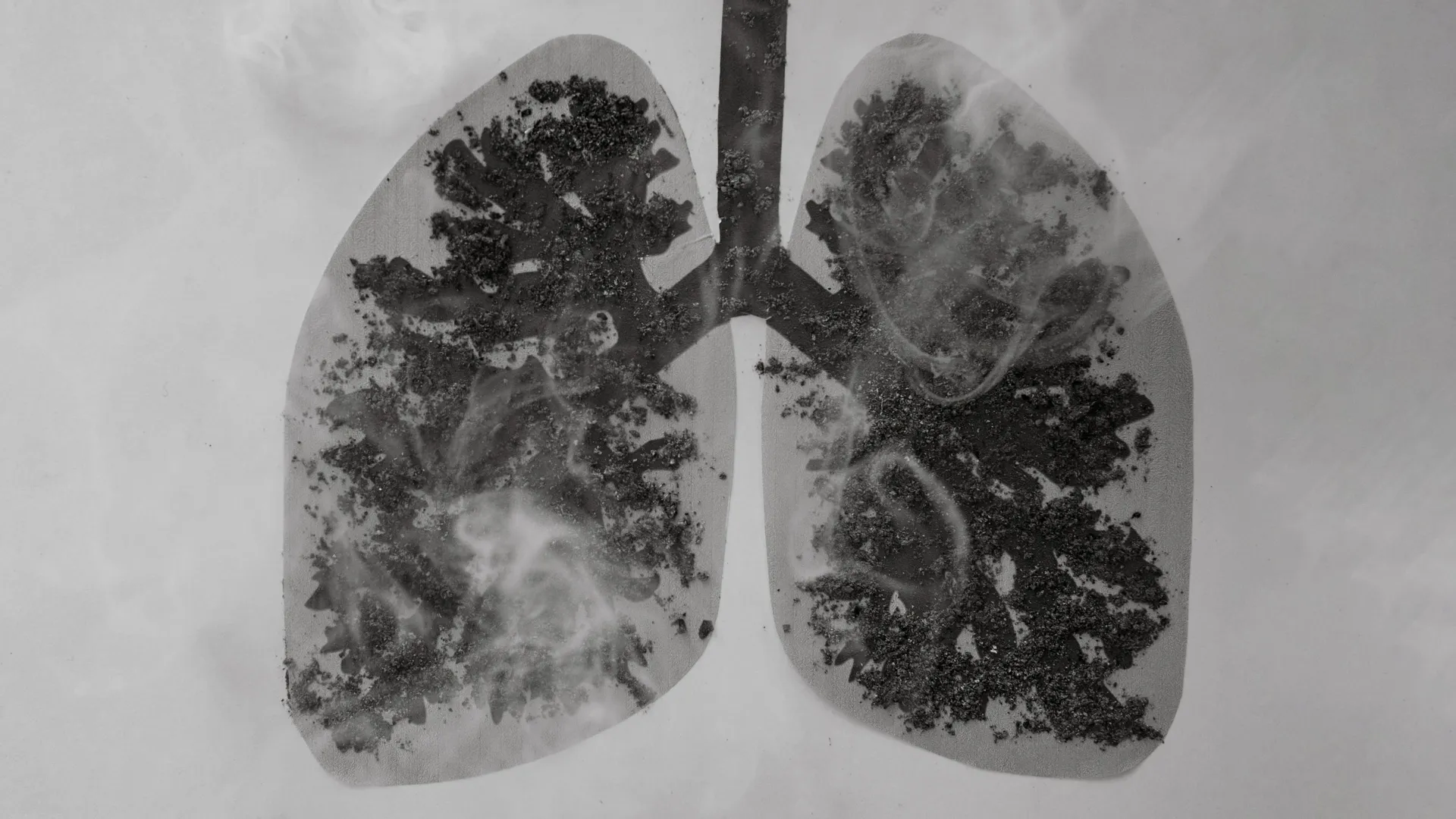
A groundbreaking study published on June 10 in ERJ Open Research has revealed a striking difference in the accumulation of soot-like carbon deposits within lung cells of individuals with Chronic Obstructive Pulmonary Disease (COPD) compared to smokers who do not have the condition. The research, conducted by scientists at the University of Manchester, UK, indicates that these carbon particles, which can enter the lungs through cigarette smoke, diesel exhaust, and polluted air, play a more significant role in the pathology of COPD than previously understood.
Alveolar Macrophages: The Lung’s First Responders Under Siege
The study focused on alveolar macrophages, crucial immune cells residing in the alveoli – the tiny air sacs in the lungs responsible for gas exchange. These cells are the lung’s primary defenders, tasked with engulfing and clearing foreign particles, pathogens, and cellular debris. However, the new findings suggest that in the context of COPD, these vital cells become overwhelmed and compromised by carbon accumulation.
Researchers observed that when alveolar macrophages are exposed to carbon particles, they not only grow larger but also exhibit an increased tendency to trigger inflammation. This inflammatory response is a hallmark of COPD, leading to progressive and irreversible damage to the lung tissue, characterized by persistent airflow limitation and breathing difficulties.
The Manchester Study: Unpacking the Carbon Load
The research team, led by Dr. James Baker and Dr. Simon Lea from the University of Manchester, aimed to investigate the specific impact of carbon buildup within alveolar macrophages on the lung health of COPD patients. "COPD is a complex disease that has a number of environmental and genetic risk factors," stated Dr. Baker. "One factor is exposure to carbon from smoking or breathing polluted air. We wanted to study what happens in the lungs of COPD patients when this carbon builds up in alveolar macrophage cells, as this may influence the cells’ ability to protect the lungs."
To conduct their investigation, the researchers obtained lung tissue samples from individuals undergoing surgery for suspected lung cancer. Crucially, they selected samples that were free from cancerous cells, ensuring that the observed effects were attributable to the disease process of COPD and smoking, rather than malignancy. The study cohort comprised 28 individuals diagnosed with COPD and 15 individuals who were regular smokers but did not have COPD.
Under microscopic examination, the researchers meticulously measured two key parameters in the alveolar macrophage cells: the overall size of the cells and the quantity of carbon deposits within them. The results were compelling. They found that the average amount of accumulated carbon in the alveolar macrophages of COPD patients was more than three times greater than that found in smokers without COPD. Furthermore, the study consistently observed that cells containing visible carbon deposits were significantly larger than those with no visible carbon.
Quantifying the Impact: Lung Function and Inflammation
The implications of this increased carbon load extend directly to lung function. The study established a correlation between the extent of carbon accumulation and the severity of lung impairment. Patients with larger deposits of carbon in their alveolar macrophages exhibited poorer lung function, as measured by FEV1% (Forced Expiratory Volume in 1 second). This metric quantifies the volume of air a person can exhale forcefully in one second, serving as a critical indicator of airflow limitation in respiratory diseases. A lower FEV1% signifies a greater degree of obstruction and compromised lung capacity.
In parallel laboratory experiments, the researchers directly exposed macrophages to carbon particles. This controlled environment allowed them to mimic the conditions within the lungs. The findings from these experiments corroborated the observations from patient samples: the exposed macrophages dramatically increased in size and, more alarmingly, began producing higher levels of pro-inflammatory proteins. This strongly suggests that carbon accumulation not only physically alters the macrophages but also activates them in a way that perpetuates chronic inflammation, a key driver of COPD progression.
Beyond Smoking: Unraveling the Causality
Dr. Simon Lea highlighted a critical distinction emerging from the research. "As we compared cells from COPD patients with cells from smokers, we can see that this build-up of carbon is not a direct result of cigarette smoking," he explained. "Instead, we show alveolar macrophages in COPD patients contain more carbon and are inherently different in terms of their form and function compared to those in smokers."
This finding is significant because it challenges a simplistic view that carbon accumulation is solely a consequence of smoking. The research suggests a more complex interplay of factors at play in COPD. Dr. Lea proposed two potential explanations for the elevated carbon levels in COPD patients’ macrophages: "It could be that people with COPD are less able to clear the carbon they breathe in. It could also be that people exposed to more particulate matter are accumulating this carbon and developing COPD as a result." This opens avenues for further research into the impaired clearance mechanisms in COPD patients and the potential direct causal link between prolonged exposure to particulate matter and the development of the disease.
Looking ahead, Dr. Lea expressed enthusiasm for future investigations: "In future, it would be interesting to study how this carbon builds up and how lung cells respond over a longer period of time." Such longitudinal studies could provide invaluable insights into the early stages of COPD development and the long-term consequences of environmental exposures.
Expert Commentary and Broader Implications
Professor Fabio Ricciardolo, Chair of the European Respiratory Society’s group on monitoring airway disease, who was not involved in the research, offered his perspective on the study’s significance. "This set of experiments suggest that people with COPD accumulate unusually large amounts of carbon in the cells of their lungs," he stated. "This build-up seems to be altering those cells, potentially causing inflammation in the lungs and leading to worse lung function."
Professor Ricciardolo emphasized the broader implications for understanding the environmental contributors to COPD. "In addition, this research offers some clues about why polluted air might cause or worsen COPD," he noted. "However, we know that smoking and air pollution are risk factors for COPD and other lung conditions, so we need to reduce levels of pollution in the air we breathe and we need to help people to quit smoking."
This research aligns with a growing body of evidence linking air pollution to a wide range of respiratory and cardiovascular diseases. The World Health Organization (WHO) estimates that ambient air pollution causes millions of premature deaths globally each year, with a significant proportion attributed to respiratory illnesses like COPD. The Manchester study provides a tangible cellular mechanism by which inhaled pollutants, specifically carbonaceous particles, can exacerbate the damage in individuals already susceptible to or suffering from COPD.
A Timeline of Discovery and the Path Forward
The publication of this study on June 10 marks a significant milestone in the ongoing effort to understand and combat COPD. While the exact timeline for the initiation of this specific research project is not detailed in the provided text, scientific studies of this nature typically involve several years of planning, data collection, analysis, and peer review.
Hypothetical Chronology (based on typical research progression):
- Early Stages (Years 1-2): Conceptualization of the research question, securing funding, obtaining ethical approvals, and establishing collaborations. Recruitment of research personnel and development of precise methodologies for sample collection and analysis.
- Data Collection (Years 2-3): Acquisition of lung tissue samples from surgical patients. Meticulous processing and preparation of these samples for microscopic examination.
- Laboratory Analysis and Experimentation (Years 3-4): Microscopic analysis of alveolar macrophages from COPD patients and control groups. Quantification of carbon deposits and cell size. Conducting in vitro experiments exposing macrophages to carbon particles.
- Data Analysis and Interpretation (Year 4-5): Statistical analysis of all collected data. Correlation of carbon load with lung function parameters. Interpretation of findings in the context of existing scientific knowledge.
- Manuscript Preparation and Peer Review (Year 5-6): Writing of the research paper, submission to a peer-reviewed journal (ERJ Open Research in this case), and undergoing the rigorous peer-review process involving critique and revisions by other experts in the field.
- Publication (June 10, [Current Year]): Official release of the findings to the scientific community and the public.
The implications of this study are far-reaching. For public health policy, it reinforces the urgent need for stricter regulations on air quality, particularly concerning particulate matter emissions from vehicles and industrial sources. For healthcare providers, it underscores the importance of considering environmental exposures as a significant factor in the management and prevention of COPD.
The study also opens new avenues for therapeutic interventions. If carbon accumulation and the subsequent inflammatory response are key drivers of COPD progression, novel treatments could potentially target the removal of these carbon deposits or mitigate the inflammatory cascade they trigger. Future research could explore the development of specific agents that enhance the phagocytic capacity of alveolar macrophages or neutralize the pro-inflammatory signals released by carbon-laden cells.
In conclusion, the findings published in ERJ Open Research provide critical new insights into the cellular mechanisms underlying COPD. By highlighting the disproportionately high accumulation of soot-like carbon in the lung cells of COPD patients and its detrimental effects on cell function and inflammation, this research not only deepens our understanding of the disease but also offers compelling evidence for the urgent need to address environmental factors, such as air pollution, in the global fight against this debilitating respiratory condition. The study serves as a potent reminder that the air we breathe has a direct and profound impact on our lung health.
