
 By Lina carolina
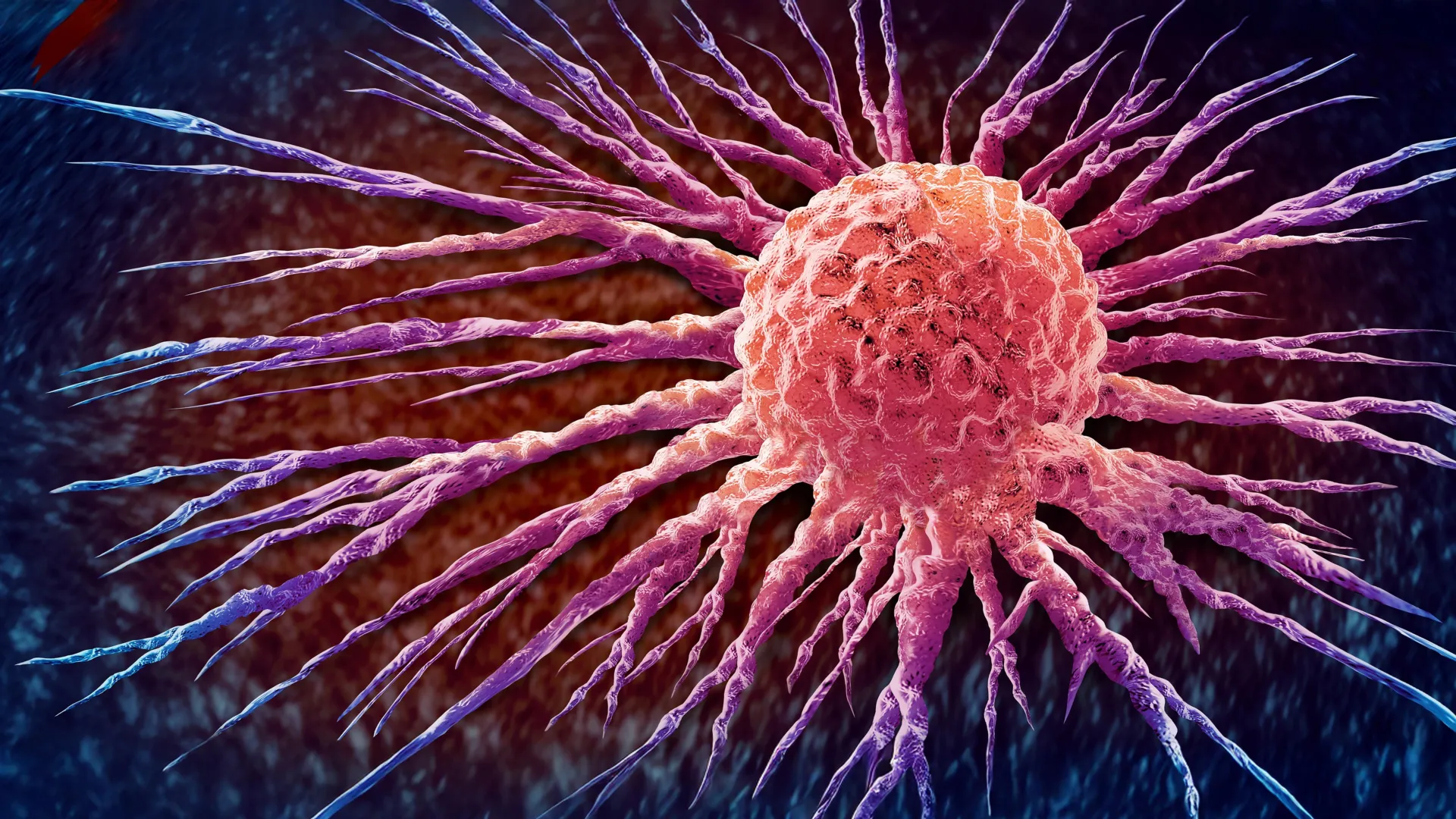
The global landscape of cancer is undergoing a dramatic and concerning transformation. New research paints a stark picture of escalating cancer incidence and mortality worldwide, with projections indicating a substantial increase in the coming decades. Alarmingly, a significant portion of these escalating deaths – nearly half – are linked to modifiable risk factors and could be averted through a concerted global effort focused on prevention, early detection, and equitable access to healthcare.
A Global Cancer Epidemic on the Rise
The sheer scale of the cancer burden has more than doubled since 1990. In 2023 alone, an estimated 18.5 million new cancer cases were diagnosed globally, a staggering increase from previous decades. This surge is mirrored in mortality rates, with 10.4 million cancer deaths recorded in the same year, representing a 74 percent rise compared to 1990. These figures, which exclude non-melanoma skin cancers, highlight the growing urgency of the situation. Notably, the majority of individuals affected by cancer now reside in low- and middle-income countries (LMICs), underscoring a widening disparity in global health outcomes.
The analysis, published by the Global Burden of Disease Study Cancer Collaborators in the esteemed journal The Lancet, reveals a projected escalation of this crisis. By 2050, the number of new cancer diagnoses is expected to climb by an alarming 61 percent, reaching an estimated 30.5 million cases annually. Cancer deaths are forecast to rise by nearly 75 percent over the same period, with an estimated 18.6 million lives lost each year. This projected increase is largely attributed to two fundamental demographic shifts: a growing global population and an aging populace, both of which naturally contribute to higher cancer incidence.
The Shadow of Preventable Causes
A critical takeaway from the research is the profound link between lifestyle and environmental factors and cancer mortality. Over 40 percent of all cancer deaths globally are associated with 44 identifiable and modifiable risk factors. These include well-established culprits such as tobacco use, diets lacking essential nutrients, and elevated blood sugar levels. This statistic presents a powerful imperative for public health strategies, demonstrating that a substantial number of cancer deaths are not an inevitable consequence but rather a preventable outcome.
While age-adjusted global cancer death rates have seen a modest decline overall, this progress has been far from uniform. Many LMICs are experiencing a dual increase in both the absolute number of cancer deaths and the age-standardized mortality rates themselves. This uneven distribution of progress accentuates the critical need for targeted interventions and increased investment in healthcare infrastructure in these vulnerable regions.
A Look at the Trajectory: Projections and Their Implications
The projections for 2050 paint a sobering picture, with an estimated 30.5 million new cancer cases and 18.6 million deaths annually. The disproportionate impact on LMICs is particularly concerning, with over half of new cases and nearly two-thirds of deaths anticipated in these regions. This trend suggests a deepening of existing health inequities if current trajectories continue unabated.
Despite the anticipated rise in absolute numbers, the global age-adjusted incidence and mortality rates are not projected to increase significantly. This distinction is crucial: it implies that the overwhelming driver of the growing cancer burden is demographic change rather than a worsening of individual risk profiles on a global scale. However, this nuanced understanding does not diminish the urgency, as the sheer volume of individuals affected will still place an immense strain on healthcare systems worldwide.
Furthermore, the current trajectory falls significantly short of the United Nations Sustainable Development Goal (SDG) to reduce premature deaths from non-communicable diseases, including cancer, by one-third by 2030. This unmet target underscores the inadequacy of current global efforts and the need for a more robust and coordinated approach.
Voices of Concern: Experts Urge Global Action
Lead author Dr. Lisa Force, from the Institute for Health Metrics and Evaluation (IHME) at the University of Washington, USA, articulated the gravity of the findings. "Cancer remains an important contributor to disease burden globally, and our study highlights how it is anticipated to grow substantially over the coming decades, with disproportionate growth in countries with limited resources," Dr. Force stated. She further emphasized a critical gap in global health priorities: "Despite the clear need for action, cancer control policies and implementation remain underprioritized in global health, and there is insufficient funding to address this challenge in many settings."
The call for equity resonates strongly within the research. "Ensuring equitable cancer outcomes globally will require greater efforts to reduce disparities in health service delivery, such as access to accurate and timely diagnosis, and quality treatment and supportive care," Dr. Force added. This sentiment is echoed by co-author Dr. Theo Vos, also from IHME, who stated, "With four in 10 cancer deaths linked to established risk factors, including tobacco, poor diet, and high blood sugar, there are tremendous opportunities for countries to target these risk factors, potentially preventing cases of cancer and saving lives, alongside improving accurate and early diagnosis and treatment to support individuals who develop cancer."
Dr. Meghnath Dhimal from the Nepal Health Research Council, a co-author, described the rise of cancer in LMICs as "an impending disaster." He stressed that "There are cost-effective interventions for cancer in countries at all stages of development. These cancer burden estimates can help broaden the discussion around the importance of cancer and other non-communicable diseases in the global health agenda." Dr. Dhimal advocated for an "interdisciplinary approach for evidence generation and multi-sectoral collaboration and coordination for implementation" to control the growth of non-communicable diseases in LMICs.
Uneven Progress, Stark Disparities
The study meticulously details the uneven distribution of cancer burden across different income levels and geographic regions. Between 1990 and 2023, while age-standardized cancer death rates declined by 24 percent globally, this improvement was largely concentrated in high- and upper-middle-income countries. Conversely, low-income countries witnessed a 24 percent increase in age-standardized cancer incidence, and lower-middle-income countries saw a 29 percent rise, starkly illustrating growing disparities in regions with fewer resources.
Examining specific national trends, Lebanon recorded the most significant percentage increase in age-standardized cancer incidence and mortality rates for both sexes combined between 1990 and 2023. In contrast, the United Arab Emirates experienced the greatest decline in age-standardized incidence, while Kazakhstan saw the largest decrease in age-standardized death rates over the same period. These variations highlight the complex interplay of socioeconomic factors, healthcare systems, and public health initiatives in shaping cancer outcomes.
In terms of cancer types, breast cancer remained the most commonly diagnosed cancer worldwide in 2023 for both sexes combined. Tracheal, bronchus, and lung (TBL) cancer continued to be the leading cause of cancer deaths globally.
Modifiable Risks: A Call to Action for Prevention
The finding that 42 percent of cancer deaths in 2023 were attributable to 44 modifiable risk factors is a powerful testament to the potential of prevention. Behavioral risk factors emerged as the most significant contributors to cancer deaths across all income levels. Tobacco use alone was linked to 21 percent of global cancer deaths. It was the leading risk factor in all income groups except for low-income countries, where unsafe sex was identified as the primary risk factor, accounting for 12.5 percent of cancer deaths.
Gender-specific differences in risk factors were also observed. In 2023, 46 percent of cancer deaths in men were associated with modifiable factors such as tobacco, unhealthy diet, high alcohol consumption, occupational risks, and air pollution. Among women, 36 percent of cancer deaths were linked to modifiable risks, with tobacco, unsafe sex, unhealthy diet, obesity, and high blood sugar playing the most prominent roles.
Dr. Vos’s emphasis on opportunities for intervention is crucial: "Reducing the burden of cancer across countries and worldwide demands both individual action and effective population-level approaches to reduce exposure to known risks." This underscores the need for a dual strategy that empowers individuals to make healthier choices while simultaneously implementing policies that reduce population-level exposure to carcinogens and unhealthy environments.
Prioritizing Equity and Prevention: The Path Forward
The researchers strongly advocate for the integration of cancer prevention strategies into health policies, particularly within LMICs. They assert that equitable cancer control efforts are fundamental to ensuring that all patients receive timely and effective care, regardless of their geographic location or socioeconomic status.
The study’s findings provide a robust evidence base for guiding future policy decisions. Dr. Force noted that these estimates and forecasts can "support governments and the global health community in developing data-informed policies and actions to improve cancer control and outcomes around the world." She also highlighted the critical need for enhanced data collection, particularly in resource-limited settings. "Supporting cancer surveillance systems is crucial to informing both a local and global understanding of cancer burden," she stated.
Understanding the Limitations and Data Gaps
The authors acknowledge certain limitations inherent in the study. The estimates, while based on the best available data, are constrained by significant gaps in high-quality cancer data, especially in resource-limited countries. Furthermore, the current estimates do not fully account for the impact of certain infectious diseases known to increase cancer risk in some lower-income regions, such as Helicobacter Pylori and Schistosoma haematobium. This omission may lead to an underestimation of cancer deaths linked to modifiable risks.
Additionally, the projections do not incorporate the potential long-term effects of the COVID-19 pandemic, ongoing conflicts, or future medical breakthroughs, all of which could significantly influence cancer trends.
In a linked commentary, Dr. Qingwei Luo and Dr. David P Smith from The University of Sydney and Cancer Council NSW, who were not involved in the study, underscored the need for decisive action. They wrote, "To ensure meaningful progress in reducing the global cancer burden, it is imperative that governments prioritize funding, strengthen health systems, reduce inequalities, and invest in robust cancer control initiatives and research on prevention, intervention, and implementation — because the future of cancer control depends on decisive, collective action today."
The study was supported by funding from the Gates Foundation, St Jude Children’s Research Hospital, and the St Baldrick’s Foundation, underscoring the significant philanthropic and organizational commitment to addressing this global health challenge. The collaborative effort of the GBD 2023 Cancer Collaborators represents a monumental undertaking to provide a comprehensive and actionable understanding of the evolving cancer landscape.
