
 By Lina carolina
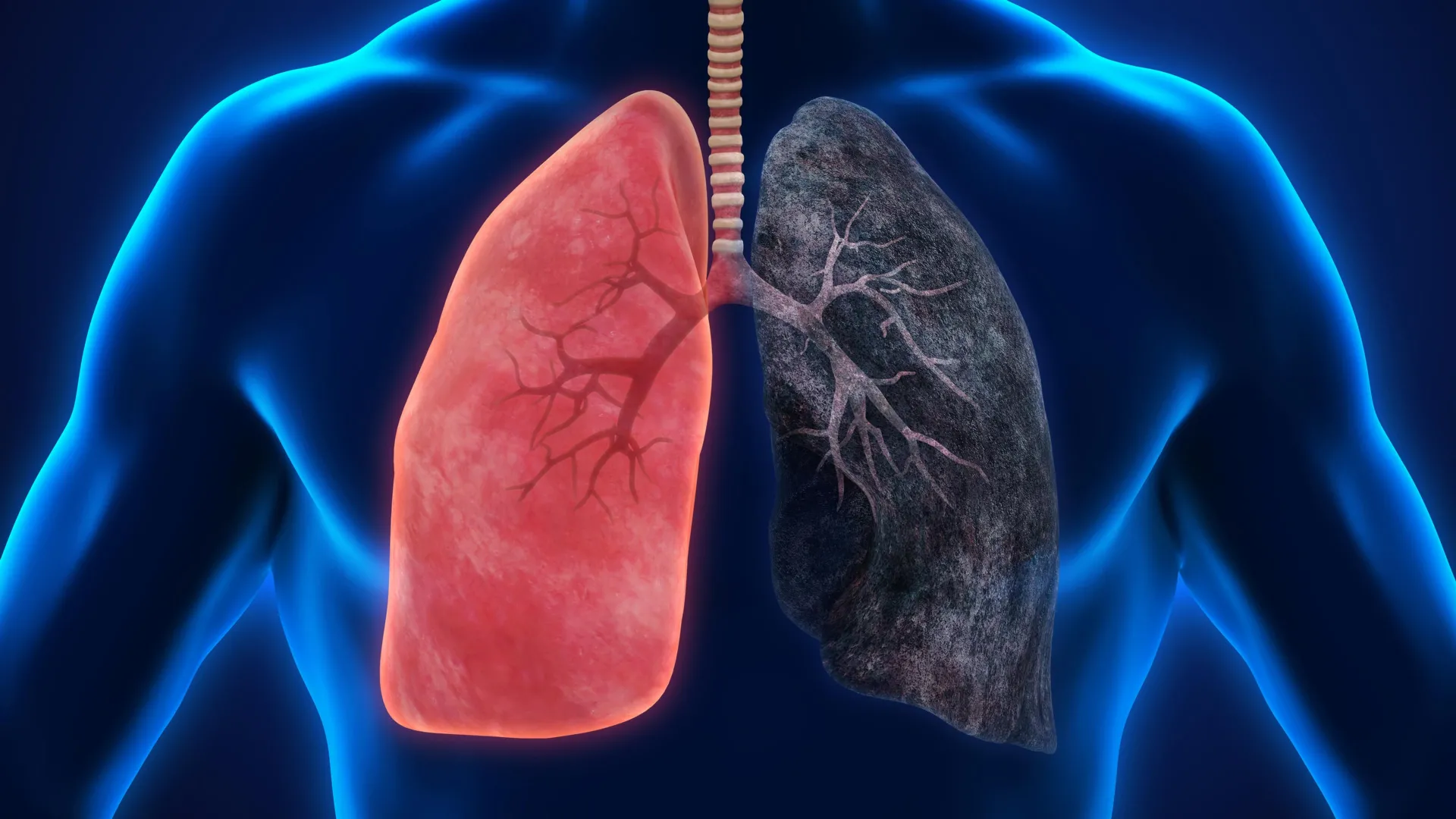
As an increasing number of U.S. states enact legislation to legalize marijuana for medical and recreational use, a common perception has emerged: that the substance is largely benign. However, when scrutinizing the complex relationship between cannabis consumption and cancer, the scientific landscape reveals a far more nuanced and still-developing picture. Unlike the well-established and irrefutable link between tobacco smoking and lung cancer, the precise ways in which marijuana influences cancer risk remain a subject of ongoing, intensive scientific investigation. This evolving understanding is being meticulously pieced together by researchers like Brooks Udelsman, MD, a thoracic surgeon affiliated with USC Surgery at Keck Medicine of USC, who emphasizes the need for continued research to provide definitive answers.
Unraveling the Cannabis-Cancer Connection: Emerging Research and Key Findings
The core of the scientific inquiry revolves around a fundamental question: does smoking marijuana elevate an individual’s likelihood of developing cancer? Recent studies originating from Keck Medicine have provided compelling evidence suggesting a potential correlation, particularly among heavy users. A significant study, spearheaded by Niels Kokot, MD, an otolaryngologist at the USC Caruso Department of Otolaryngology — Head and Neck Surgery, indicated that individuals who reported substantial marijuana consumption appeared to face an increased risk for both small cell lung cancer (SCLC) and non-small cell lung cancer (NSCLC). This finding is particularly noteworthy given that SCLC is historically and overwhelmingly associated with tobacco use.
Further illuminating this emerging connection, Dr. Kokot and his research team have also published findings detailing a pronounced risk of head and neck cancers among daily marijuana users. Their research indicated that these individuals were between 3.5 and 5 times more likely to develop cancers affecting the oral cavity, pharynx, larynx, oropharynx (which encompasses the tongue, tonsils, and the posterior wall of the throat), and adjacent salivary glands, when compared to individuals who abstained from cannabis use. These regions are directly exposed to inhaled substances, making them potential targets for carcinogens present in smoke.
Quantifying the Risk: The Elusive "Dose" of Marijuana Use
A critical challenge in establishing definitive causal links between marijuana use and cancer lies in determining the precise quantity or frequency of consumption that triggers an elevated risk. While the evidence linking heavy marijuana smoking to cancer continues to accumulate, scientists are still working to pinpoint the threshold at which this risk begins to escalate.
Dr. Udelsman articulates this uncertainty clearly, stating, "What we don’t know right now is the dose relationship. So, if someone smokes marijuana occasionally once a week, once a month or a few times a year, do they still have that same risk? My suspicion is that there is probably minimal risk." He elaborates on this point, differentiating between occasional and chronic, heavy use: "All we know right now is that people who smoke a lot of marijuana — to the point that they develop a dependency on it or require hospital care or evaluation for it — do appear to have a higher cancer risk." This distinction is crucial, suggesting that the cumulative effect of consistent, high-level exposure may be the primary driver of increased cancer risk.
The scope of the investigation extends beyond lung and head and neck cancers. Researchers are actively exploring potential associations between heavy marijuana use and other forms of cancer, including bladder cancer and various gastrointestinal cancers. The rationale for these investigations is partly informed by existing knowledge about tobacco, which has a documented link to an increased prevalence of bladder cancer. Scientists are keen to ascertain if a similar pattern emerges with intensive cannabis smoking. As Dr. Udelsman notes, "With tobacco, we do see an increased prevalence of bladder cancer. Whether that relationship is also the same for heavy marijuana smoking, we don’t know. That’s why we’re trying to determine what the risks are so that people can know what risks they’re taking." This pursuit of knowledge is aimed at empowering individuals with accurate information regarding the potential health consequences of their consumption habits.
Beyond Smoking: The Cancer Implications of Edibles and Other Consumption Methods
The legal and cultural landscape of cannabis consumption has diversified significantly, with non-smoking methods like edibles gaining widespread popularity. Current scientific evidence suggests that these alternative delivery systems may not carry the same degree of cancer risk, particularly concerning lung cancer.
"Probably not," is Dr. Udelsman’s assessment regarding the link between edibles and lung cancer. He acknowledges the limitations of current data, stating, "The risk is harder to track because there isn’t a lot of data on it yet, but as of now there does not seem to be a relationship between edibles and lung cancer." However, he cautions that the long-term effects of edibles on other types of cancer remain an open question. The absence of direct inhalation of combusted material in edible consumption significantly alters the exposure pathway, potentially mitigating risks associated with smoke-borne carcinogens.
The Biological Mechanisms: Why Marijuana Smoke May Pose a Cancer Threat
The concern regarding marijuana smoke’s potential to increase cancer risk stems from its chemical composition and its interaction with the body’s biological processes. Dr. Udelsman explains that any substance that induces prolonged inflammation can, over time, elevate cancer risk. Tobacco smoke, notorious for its carcinogenic properties, contains over 7,000 distinct chemicals, with approximately 70 identified as known carcinogens. Critically, some of these same cancer-causing chemicals are also present in marijuana smoke.
Furthermore, research is investigating the role of THC (tetrahydrocannabinol), the primary psychoactive compound in cannabis. Studies suggest that THC may be associated with the conversion of polycyclic aromatic hydrocarbons (PAHs) into more reactive forms. PAHs are a group of chemicals commonly found in smoke and are known to be potent carcinogens. These compounds can trigger inflammatory responses within cells and directly damage DNA, the genetic blueprint of life. "Anytime inflammation and changes to DNA occur, you’re at risk for developing cancer," Dr. Udelsman emphasizes, highlighting the fundamental biological pathways that underpin cancer development.
Secondhand Smoke and Vaping: Emerging Areas of Concern
The implications of secondhand marijuana smoke are also under scientific scrutiny, though definitive conclusions remain elusive. While there is insufficient evidence to conclusively link passive exposure to an increased risk of lung cancer, Dr. Udelsman suggests that a potential risk cannot be entirely dismissed. The rationale is that individuals in proximity to marijuana smokers may inhale inflammatory particles present in the smoke, which are believed to play a role in cancer development. This is analogous to concerns surrounding secondhand tobacco smoke, which is a well-established carcinogen.
The advent of vaping technology has introduced another layer of complexity to the discussion. When electronic cigarettes first gained traction, they were often touted as a safer alternative to traditional smoking. However, the medical community has since observed a rise in serious inflammatory lung diseases linked to vaping, though a direct link to cancer has not yet been firmly established. "But we are starting to see some very severe inflammatory diseases — not cancers, but benign diseases — from vaping," Dr. Udelsman reports.
Given that vaping has only been a widespread phenomenon for approximately 15 years, researchers have not yet had sufficient time to conduct long-term studies necessary to determine its impact on cancer risk. This uncertainty extends to the vaping of marijuana. "The data on vaping is very new, so we don’t know yet, but I’d worry about anything you’re breathing into your lungs because it infiltrates the cells and air sacs in your lungs, which can cause damage and put you at a higher risk for cancer," Dr. Udelsman advises, underscoring the potential for inhaled substances, regardless of their source, to cause harm.
The Spectrum of Risk: Occasional Use vs. Chronic, Heavy Consumption
Despite the growing body of research highlighting potential cancer risks associated with marijuana use, Dr. Udelsman expresses a measured perspective regarding the likelihood of a widespread lung cancer epidemic directly attributable to recreational marijuana use. His concern is not focused on occasional or sporadic use.
"I worry less about occasional use and the slight inflammation that it might cause for a temporary period. Your body probably recovers from that very quickly, with very little damage," he states. Instead, his primary concern lies with chronic, heavy exposure. "I’m more worried about chronic, heavy exposure: people who are using marijuana every day, multiple times a day. That’s where I think you can start to build up injury. Those are the people data today shows are at risk for developing cancer, similar to tobacco." This perspective aligns with the established understanding of many chronic diseases, where prolonged and intense exposure to harmful agents is a significant contributing factor.
The implications of this evolving scientific understanding are significant for public health messaging and individual decision-making. As legalization continues to expand, clear, evidence-based communication about the potential risks associated with different patterns of marijuana use is paramount. For individuals who identify as heavy marijuana users, Dr. Udelsman strongly recommends engaging in open discussions with their healthcare providers. Such consultations can facilitate a personalized assessment of cancer risk and determine if additional screening or tailored follow-up care is warranted. This proactive approach is essential for navigating the complex health considerations that accompany the changing legal and social landscape of cannabis. The ongoing research will undoubtedly continue to shape our understanding of marijuana’s long-term health effects, ensuring that public health guidance remains informed by the latest scientific discoveries.
