
 By Hendra Lukman
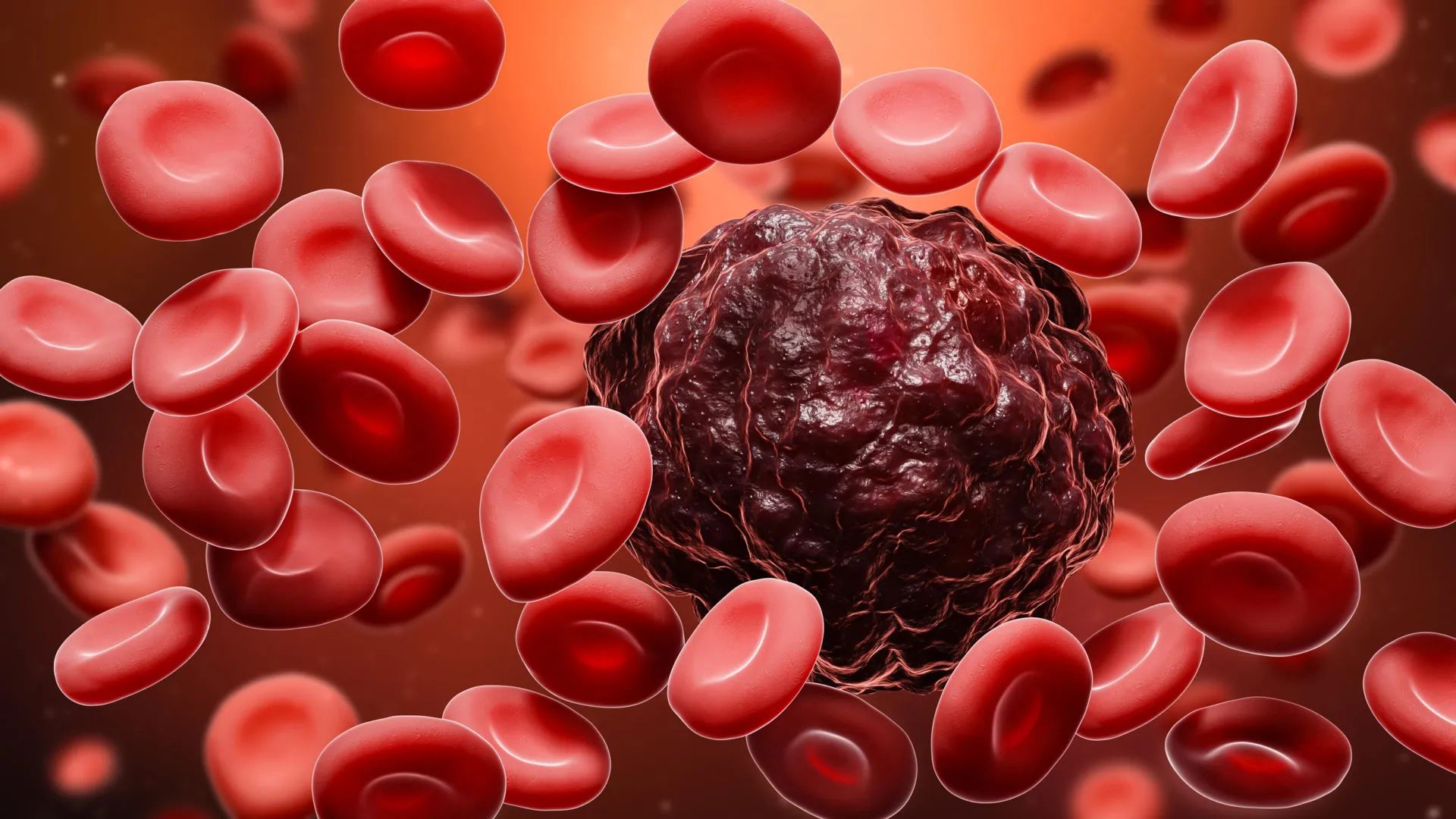
For patients battling some of the most aggressive forms of blood cancer, a stem cell transplant has long represented the last bastion of hope, offering the potential for a cure. However, the specter of relapse looms large, as these formidable diseases can return even after a successful transplant, leaving physicians with a dwindling arsenal of treatment options. Now, a groundbreaking clinical trial, spearheaded by researchers at the Washington University School of Medicine in St. Louis, is illuminating a path forward. This innovative strategy involves genetically modifying donor stem cells before transplantation, a process designed to make subsequent cancer therapies both safer and potentially more potent. The core of this approach lies in the precise removal of a specific protein from the donor cells, thereby enabling targeted therapies to attack cancer cells while leaving the crucial, healthy transplanted cells unharmed.
The pivotal study, conducted across the Siteman Cancer Center at Barnes-Jewish Hospital and WashU Medicine, alongside 14 other esteemed institutions throughout the United States and Canada, has yielded encouraging results published in the prestigious journal Nature Medicine. This research heralds a significant advancement in the fight against diseases like acute myeloid leukemia (AML) and myelodysplastic syndrome (MDS), cancers that have historically presented formidable challenges for even the most advanced treatment modalities.
Overcoming a Critical Hurdle in CAR-T Therapy
The development of chimeric antigen receptor T-cell (CAR-T) therapy has revolutionized the treatment landscape for certain blood cancers, demonstrating remarkable efficacy. However, its application in diseases such as AML and MDS has been notably constrained. John F. DiPersio, MD, PhD, the Virginia E. & Sam J. Golman Professor of Medicine at WashU Medicine and the corresponding author of the study, explained the critical limitation. "Many proteins found on AML and MDS cancer cells also appear on healthy myeloid cells, including donor stem cells used in transplantation," DiPersio stated. This overlap creates a dangerous dilemma: if CAR-T cells are engineered to target a protein present on both cancer and healthy cells, they risk indiscriminate destruction.
When CAR-T cells mistakenly attack healthy myeloid cells, including the vital transplanted stem cells, the consequences can be severe. This collateral damage can trigger a dangerous inflammatory cascade within the body, a phenomenon known as cytokine release syndrome, which can be life-threatening. Furthermore, the therapeutic efficacy of the CAR-T treatment itself can be compromised. A significant proportion of the engineered T-cells may be diverted to attack healthy targets, diminishing their ability to concentrate on and eradicate the malignant cancer cells. This diversion not only reduces the overall anti-cancer potency but also necessitates a larger infusion of CAR-T cells, potentially exacerbating the risk of side effects.
The conceptual foundation for circumventing this critical obstacle was initially laid by Miriam Y. Kim, MD, now an assistant professor of medicine at WashU Medicine. Dr. Kim’s early research as a postdoctoral fellow at the University of Pennsylvania, and later in Dr. DiPersio’s lab at WashU Medicine, laid the groundwork for the strategy now being validated in clinical trials. Her work focused on understanding and manipulating the expression of specific cell surface markers to differentiate between cancerous and healthy cells.
Precision Engineering: Removing CD33 from Donor Stem Cells
The core of the innovation lies in the genetic modification of donor stem cells to eliminate the expression of a specific protein, CD33. This protein is prevalent on AML and MDS cancer cells and also on healthy myeloid cells, including those derived from the transplanted stem cells. By removing CD33 from the donor stem cells, researchers aim to create a population of healthy blood cells that are invisible to therapies designed to target CD33.
In the clinical trial, patients diagnosed with AML and MDS received donor stem cells that had been meticulously engineered using CRISPR gene editing technology to excise the gene responsible for producing CD33. This modification effectively renders the resulting healthy stem cells "CD33-deleted."
"We are encouraged by the results of this study showing that a CD33-deleted stem cell transplant looks very similar to the outcomes of standard stem cell transplantation," commented Dr. DiPersio, who also leads WashU Medicine’s Center for Gene and Cellular Immunotherapy. "In the future, we are hopeful we will be able to combine this with CD33-targeted immunotherapies, such as CAR-T cells, and improve treatment options for patients with these very aggressive blood cancers."
Further underscoring the potential of this approach, Dr. DiPersio and his collaborators reported a compelling case study involving a patient with particularly high-risk AML. This individual received a CD33-deleted stem cell transplant. When the cancer unfortunately recurred, the patient was subsequently treated with CD33-targeted CAR-T cells. Crucially, these CAR-T cells were derived from the T-cells of the same donor who provided the original stem cells, ensuring compatibility and a precise match for the engineered therapy. The patient, who had one of the most aggressive forms of AML, achieved a complete remission and has remained cancer-free for over a year following the CAR-T treatment. Moreover, normal blood cell production was restored, and remarkably, all of the patient’s blood cells were found to lack CD33. This critical finding provided strong evidence that the genetically engineered donor cells had successfully engrafted and were functioning as intended, establishing a new, CD33-free blood system. This specific case was detailed in a study published in JCO Precision Oncology in October 2025, with Dr. DiPersio as the senior author.
Shielding Healthy Blood Cells: The Rationale Behind CD33 Deletion
The choice of CD33 as the target protein for deletion is strategic and well-supported by biological evidence. CD33 is primarily expressed on hematopoietic (blood-forming) cells, including myeloid lineage cells, and is notably absent from most other tissues in the body. This restricted expression pattern minimizes the risk of off-target effects on vital organs. Furthermore, scientific inquiry suggests that CD33 is not essential for the normal functioning of blood stem cells. Individuals born with a genetic deficiency in CD33 do not appear to suffer from related health complications, indicating that its removal from transplanted stem cells is unlikely to compromise the patient’s overall health and immune function.
The underlying hypothesis is elegant in its simplicity: following a successful transplant with CD33-deleted stem cells, any residual cells expressing CD33 would be predominantly cancer cells. A subsequent CD33-targeted therapy, such as CAR-T or a similar immunotherapy, could then be administered. This targeted approach would allow the therapy to selectively identify and destroy the remaining cancer cells while leaving the healthy, CD33-deleted donor-derived blood cells untouched. This dual strategy aims to achieve a more robust and durable remission by enabling aggressive cancer eradication without sacrificing the integrity of the newly established blood system.
The phase 1/2 multicenter trial enrolled 30 adult patients diagnosed with AML or MDS, all of whom were considered to be at a high risk of disease relapse. Prior to transplantation, donor stem cells underwent rigorous modification using CRISPR gene editing technology to ensure the effective removal of CD33. The resulting product, the genetically modified stem cell therapy, is known by its investigational name: tremtelectogene empogeditemcel, or trem-cel. This novel therapy was developed by Vor Biopharma, a biotechnology company that also provided funding for the study.
Testing a CD33-Targeted Cancer Treatment in Conjunction
To rigorously assess whether the gene-edited stem cells could withstand a therapy specifically directed at CD33, the trial incorporated a maintenance treatment phase following the transplantation. Patients received gemtuzumab ozogamicin, a well-established antibody-drug conjugate that targets CD33. Unlike CAR-T therapy, gemtuzumab ozogamicin is an engineered antibody that binds to CD33 on cancer cells and then delivers a potent anti-cancer drug directly to those cells.
Gemtuzumab ozogamicin is already approved by the U.S. Food and Drug Administration (FDA) for the treatment of CD33-positive AML and is under investigation in clinical trials for CD33-positive MDS. While it has shown utility in preventing relapse, its application has been historically limited by significant side effects. These can include liver toxicity and damage to healthy blood cells, leading to dangerously low counts of white blood cells, red blood cells, and platelets. The trial sought to determine if the CD33-deleted stem cells could mitigate these adverse effects.
Successful Engraftment of Gene-Edited Cells and Sustained Recovery
A critical benchmark for any stem cell transplant is engraftment – the successful integration of transplanted stem cells into the patient’s bone marrow, where they begin to produce new blood cells. In this trial, all 30 patients achieved engraftment by day 28 post-transplant, a milestone indicative of the transplanted cells taking root and functioning effectively. Some patients achieved this critical milestone even earlier. Furthermore, platelet production, a vital component of blood clotting, returned by day 16 on average. These recovery times were remarkably consistent with those observed in patients undergoing standard stem cell transplantation, suggesting that the genetic modification did not impede the fundamental engraftment process.
The average survival observed in the trial was just over 14 months. Nineteen of the patients in the study received at least one cycle of gemtuzumab ozogamicin as part of a dose-escalation protocol. This protocol allowed researchers to carefully determine a recommended dose for the maintenance therapy. Across the various dose levels, patients were able to maintain their blood cell counts. This finding is particularly significant, as it suggests that the gene-edited transplant effectively shielded them from the severe drops in blood cell counts that are a common and often dose-limiting toxicity when this maintenance therapy is administered after a conventional stem cell transplant.
Side Effect Profile and Transplant-Related Complications
The side effects encountered during the trial were, for the most part, comparable to those typically associated with standard stem cell transplantation. These included common post-transplant complications such as anemia, low platelet counts, fever, infections, and graft-versus-host disease (GVHD). GVHD is a serious complication where the donor immune cells recognize the recipient’s body as foreign and attack healthy tissues.
During the study period, seven patients died. Four of these deaths were attributed to the progression of their underlying cancer, highlighting the aggressive nature of the diseases being treated. The remaining three deaths were linked to transplant-related complications, including kidney failure, liver toxicity, and sepsis, a life-threatening systemic infection.
Dr. DiPersio emphasized the foundational importance of these findings. "These results provide a crucial foundation for future treatment strategies that combine CD33-deleted stem cell transplantation with CD33-targeted immunotherapies," he stated. "Our ultimate goal is to empower physicians to attack cancer cells more aggressively, thereby improving patient outcomes, without simultaneously compromising the essential donor cells required to rebuild the patient’s blood system."
The research was supported by Vor Biopharma, and the company acknowledges that several co-authors were employees at the time the work was conducted. This collaboration highlights the vital partnership between academic research institutions and the biotechnology industry in driving forward innovative therapeutic approaches.
Broader Implications and Future Directions
The implications of this research extend beyond the immediate patient cohort. The successful demonstration of CD33-deleted stem cell transplantation, coupled with its ability to withstand CD33-targeted therapy, opens up a new paradigm for treating relapsed or refractory blood cancers. This approach offers a potential lifeline for patients who have exhausted conventional treatment options.
The ability to create a "protected" blood system that can tolerate potent cancer-killing therapies could pave the way for more aggressive and personalized treatment regimens. Future research will likely focus on refining the gene-editing process, exploring the use of other targeted proteins for deletion, and evaluating the long-term efficacy and safety of this combined therapeutic strategy in larger patient populations. The development of trem-cel and its successful testing in this trial represent a significant step forward, offering renewed hope and a tangible pathway toward more effective and less toxic treatments for individuals facing the daunting challenge of aggressive blood cancers. The successful engraftment and sustained recovery observed in this trial, particularly in the context of receiving a CD33-targeted maintenance therapy, provide a compelling rationale for further investigation and potential integration into standard clinical practice.
