
 By admin
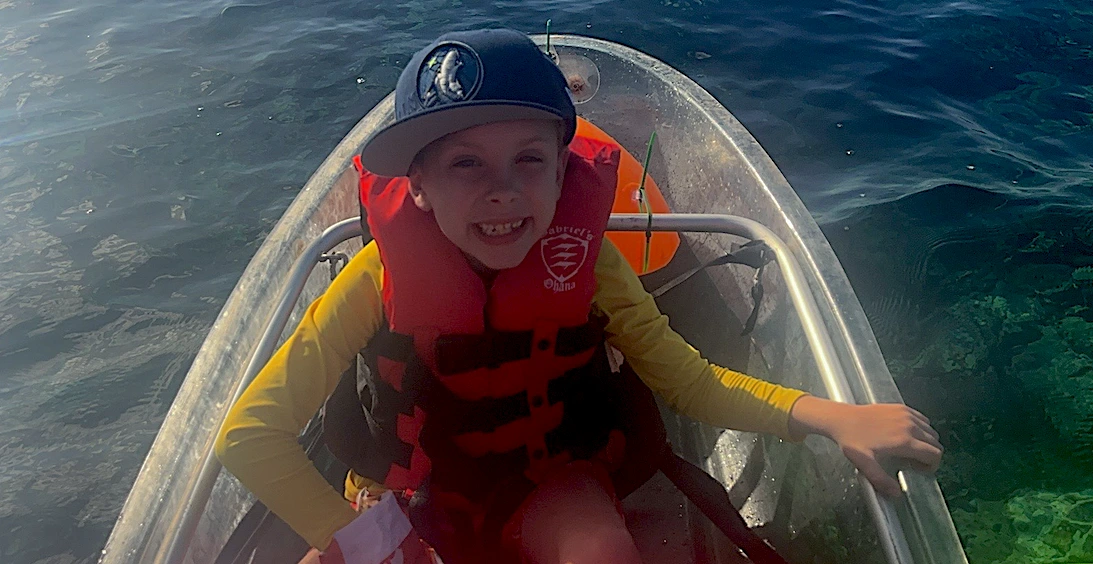
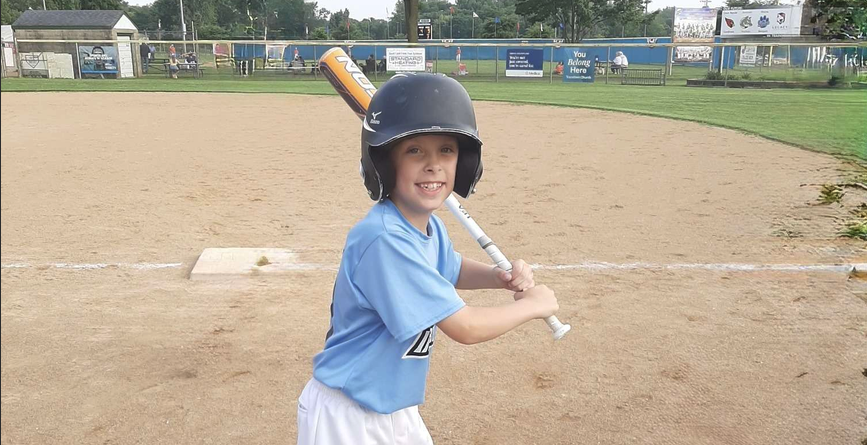
For nine-year-old Jase and his parents, Becky and Andy, the sight of mud-stained baseball pants is no longer a laundry chore but a profound symbol of medical progress. In the world of pediatric oncology, particularly concerning high-grade gliomas, the ability of a child to engage in strenuous physical activity like baseball is often viewed as a secondary miracle. Jase’s journey from a devastating diagnosis in November 2024 to becoming the first participant in a ground-breaking clinical trial at Children’s Minnesota represents the culmination of over 20 years of dedicated research and a shift in how the medical community approaches previously "incurable" brain tumors.
The Sudden Onset of a Pediatric Emergency
The trajectory of Jase’s life changed abruptly on a Monday morning in late 2024. What initially appeared to be a minor complication from a weekend injury—a snowball to the head—rapidly escalated into a neurological crisis. Within two hours of his mother receiving a call from his school reporting dizziness and vomiting, Jase had lost the ability to walk.
Upon arrival at the emergency room at Children’s Minnesota, a Computed Tomography (CT) scan revealed a mass in Jase’s brainstem. Subsequent biopsies confirmed the diagnosis: Diffuse Intrinsic Pontine Glioma (DIPG). DIPG is a highly aggressive and difficult-to-treat tumor found in the pons, a part of the brainstem that controls vital functions such as breathing, blood pressure, and heart rate. Because of its location and the way it infiltrates healthy brain tissue, surgical removal is impossible.
Historically, the prognosis for DIPG has been among the grimmest in pediatric medicine. The median survival rate is approximately nine to eleven months post-diagnosis, with a five-year survival rate of less than 1%. For decades, the standard of care has remained largely unchanged: focal radiation therapy, which can temporarily shrink the tumor and alleviate symptoms but does not offer a cure.
The Science of the "One-Two Punch": A Decades-Long Research Timeline
While Jase’s diagnosis was a sudden shock to his family, the treatment that would eventually offer him a lifeline had been in development since the early 2000s. The clinical trial Jase entered is the result of a persistent scientific effort led by Dr. Michael Olin and Dr. Christopher Moertel, supported by the Children’s Cancer Research Fund (CCRF).
The research began with an investigation into the "shielding" mechanisms of brain tumors. High-grade gliomas are notorious for creating a microenvironment that suppresses the immune system and prevents therapeutic agents from reaching their target. Drs. Olin and Moertel focused on a specific protective outer layer that prevents the body’s T-cells and external treatments from identifying and attacking the cancer cells.
A chronological look at the development of this therapy highlights the slow, deliberate pace of medical innovation:
- Early 2000s: Initial lab experiments, funded by CCRF grants, begin to identify the peptides involved in tumor shielding.
- 2017: As Jase was born, Dr. Olin was conducting successful tests of a specific peptide designed to "turn off" the tumor’s shield in canine subjects.
- 2020: The Food and Drug Administration (FDA) approved the experimental drug for human clinical use, marking a transition from veterinary and laboratory success to pediatric application.
- Late 2024: Shortly after Jase’s diagnosis, a first-of-its-kind clinical trial opened at Children’s Minnesota, specifically targeting kids with Diffuse Midline Gliomas (DMG), the broader category that includes DIPG.
The trial, co-led by Dr. Anne Bendel and Dr. Maggie Skrypek, utilizes what researchers call a "one-two punch" approach. The first component is a peptide that breaks down the barrier the tumor uses to hide from the immune system. Once the shield is compromised, the second component—a vaccine—is administered to stimulate the patient’s own immune system to recognize and destroy the malignant cells.
Clinical Trial Participation and Patient Experience
Jase became the first patient to enroll in this specific trial. For pediatric patients, clinical trials often represent the only alternative when standard protocols offer no hope for long-term survival. However, participation requires a rigorous commitment from both the patient and the family.
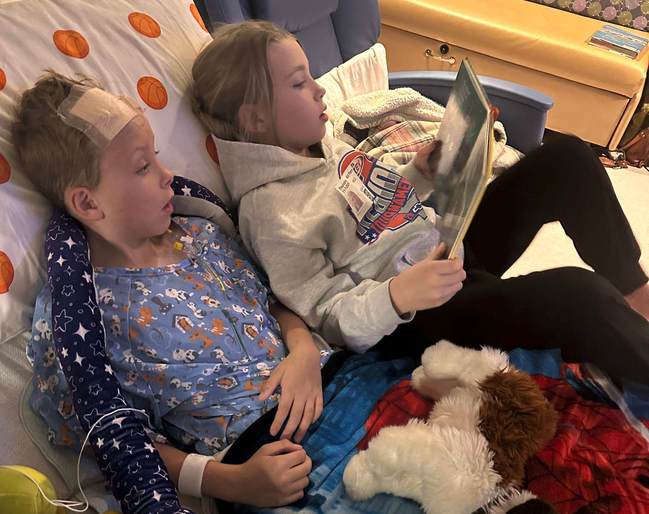
Jase’s current regimen involves bi-monthly visits to the clinic. Each session includes comprehensive blood work and Magnetic Resonance Imaging (MRI) to monitor tumor stability. The treatment itself spans two days. While the physical toll of needles and the psychological stress of frequent scans are significant, the side effects have been notably more manageable than traditional radiation. According to his parents, Jase typically requires only a few hours of rest following treatment before returning to his normal activity levels.
As of Spring 2026, Jase’s condition is described as stable. He has successfully completed a season of "kid-pitch" baseball and continues to attend school and participate in basketball. In the context of DIPG, "stability" is a significant clinical milestone, as it indicates the absence of tumor growth in a disease known for its rapid and lethal progression.
The Funding Gap in Pediatric Oncology
Jase’s story also sheds light on a systemic issue within the American medical research landscape: the disparity in funding for childhood cancer. Becky, Jase’s mother, noted that before her son’s diagnosis, she believed federal funding was the primary driver of cancer research. The reality, however, is that pediatric cancer research is heavily reliant on private philanthropy.
Data from the National Cancer Institute (NCI) indicates that while cancer is the leading cause of death by disease among children in the United States, only a small fraction of the NCI’s federal budget is dedicated specifically to pediatric cancers. This has led to a situation where:
- Rare Cancers are Underserved: Because DIPG affects approximately 300 children in the U.S. annually, it is often not seen as a profitable "market" for large pharmaceutical companies to develop new drugs.
- Charitable Reliance: Organizations like the Children’s Cancer Research Fund (CCRF) provide the "seed money" for early-stage research that federal agencies may deem too risky or preliminary.
- Family Advocacy: A significant portion of the funding for rare pediatric brain tumors is raised by grieving or affected families who organize local fundraisers to keep research labs operational.
Dr. Moertel emphasized that the trial Jase is participating in would not exist without the consistent, twenty-year support of private donors. "Research moves at the speed of funding," Moertel stated, noting that the delays between a laboratory discovery and a clinical trial are often financial rather than scientific.
Broader Implications and Future Outlook
The implications of this trial extend beyond Jase’s individual case. If the "one-two punch" of peptide therapy and vaccination proves successful in a larger cohort, it could redefine the standard of care for all Diffuse Midline Gliomas.
Dr. Anne Bendel explained that the current trial is also a learning tool. "We’re going to learn more about how the immune system reacts to the vaccine and then tweak it in a subsequent study to make it even more effective," she said. This iterative process is the backbone of modern oncology, where each patient’s data helps refine the treatment for the next.
Furthermore, the focus on "quality of life" during treatment is a growing priority in pediatric research. Historically, the goal was survival at any cost, often leaving survivors with significant cognitive or physical impairments due to intensive radiation and chemotherapy. The goal of the current trial is to provide "time" that is not spent in a hospital bed, but rather on a baseball field or in a classroom.
Conclusion: A Paradigm Shift in Prognosis
For the families of children diagnosed with DIPG, the traditional medical advice was often to "go home and make memories," a phrase that signaled the end of therapeutic hope. Jase’s participation in this breakthrough trial represents a rejection of that finality.
While Jase’s medical team remains cautious—monitoring his "stable" status with the awareness that DIPG is a formidable opponent—the fact that he is pitching in baseball games nearly two years after a diagnosis that typically carries a sub-one-year survival rate is a testament to the progress being made.
The success of such trials underscores a critical message for the medical and philanthropic communities: the "incurable" labels of the past are increasingly being challenged by long-term, sustained research efforts. For Jase, the goal is simple: to keep playing, to keep getting his white baseball pants muddy, and to continue providing the world with evidence that even the most aggressive cancers can be met with equally aggressive innovation. As Becky expressed, the hope is that future parents will no longer find only "the bad" when they search for a diagnosis, but will instead find a clear path toward a cure.
